
|
|
|
|
Kimchi
|
| |
|
| |
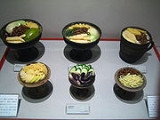
Kimchi, also spelled gimchi or kimchee, is a traditional Korean pickled dish made of vegetables with varied seasonings, most commonly referring to the spicy baechu (cabbage) variety. Kimchi is the most common banchan, or side dish. Kimchi is also a common ingredient and combined with other ingredients to make dishes such as kimchi stew (kimchi jjigae) and kimchi fried rice (kimchi bokkeumbap).

Discussion
Ask a question about 'Kimchi'
Start a new discussion about 'Kimchi'
Answer questions from other users
|
Recent Posts

Encyclopedia
Kimchi, also spelled gimchi or kimchee, is a traditional Korean pickled dish made of vegetables with varied seasonings, most commonly referring to the spicy baechu (cabbage) variety. Kimchi is the most common banchan, or side dish. Kimchi is also a common ingredient and combined with other ingredients to make dishes such as kimchi stew (kimchi jjigae) and kimchi fried rice (kimchi bokkeumbap). Kimchi is so ubiquitous that the Korea Aerospace Research Institute (KARI) developed space kimchi to accompany the first Korean astronaut to the Russian-manned space ship Soyuz.
History
The history of Kimchi can be traced back to ancient times. References to kimchi can be found as early as 5600–8000 years ago. The first text-written evidence of its existence can be found in the first Chinese poetry book, Sigyeong (Hangul: ?? hanja: ??). In this book, kimchi was referred to as “Ji”. The term Ji was used until the pre-modern term “Chimchae” (hanja: ??, lit. soaked vegetables), "Dimchae", and "Timchae" was adopted in the period of the Three Kingdoms of Korea. The word then was modified into "Jimchi", and is currently called "Kimchi".
Early kimchi was made of cabbage and salted water only, and in the 12th century people began to include other spices to create different flavors, such as sweet and sour flavors, and colors such as white and orange.
Composition
Kimchi varieties are determined by the main vegetable ingredients and the mix of seasonings used to flavor the kimchi. The most popular type of kimchi is the baechu (also known as Chinese cabbage) variety but there are many regional and seasonal varieties. Popular variants include ggakdugi which is a kimchi made with cubed radish, pa-kimchi (made with scallions), chonggak-kimchi and oisobagi (hangul: ?????), a cucumber kimchi with hot and spicy seasoning. Kkaennip (hangul: ??) kimchi features layers of perilla and other spices.
The Kimchi Field Museum in Seoul has documented 187 historic and current varieties of kimchi. Although the most common seasonings include brine, ], scallions and seasonings and ingredients can be replaced or added depending on the type of kimchi being made. Common seasonings also include, ginger, onions, aekjeot (hangul: ??, fish sauce) and fresh seafood.
Kimchi varieties
Kimchi can be categorized by main ingredients, regions or seasons. Korea's northern and southern sections have a considerable temperature difference. Northern regions tend to have longer winters compared to the southern regions of Korea.
Kimchi from the northern parts of Korea tend to have less salt as well as less red chilli and usually do not have brined seafood for seasoning. Northern kimchi often has a watery consistency. Kimchi made in the southern parts of Korea, such as Jeolla-do and Gyeongsang-do, uses salt, chili peppers and myeolchijeot (Hangul: ???, brined anchovy allowed to ferment) or saeujeot (hangul: ???, brined shrimp allowed to ferment), myeolchiaekjeot (Hangul: ????, "kkanariakjeot" ?????, liquid anchovy jeot, similar to fish sauce used in Southeast Asia, but thicker). In the Seoul area saeujeot is preferred.
Saeujeot (hangul: ???) or meyolchijeot is not added to the kimchi spice-seasoning mixture, but is simmered to reduce odors, eliminate tannic flavor and fats, and then is mixed with a thickener made of rice or wheat starch (Hangul: ?). This technique has been falling into oblivion for the past 40 years.
Other brined jeot can be used, but are no longer common as modern commercialization has made aekjeot (??; either myeolchijeot or saeujeot) more affordable and convenient.
White kimchi (baek kimchi) is baechu seasoned without chili pepper and is neither red in color nor spicy. White radish kimchi (dongchimi) is another example of a popular kimchi that is not spicy. The watery white kimchi varieties are a popular ingredient in a number of dishes such as cold noodles in "dongchimi" brine (dongchimi guksu) and is eaten widely during the summer months.
By region
(The entire section's reference)
This regional classification dates back to 1960s and contains plenty of historical facts but the current kimchi-making trends in Korea are generally different than mentioned below.
- Hamgyeong-do (Upper Northeast)
Due to its proximity to the ocean, people in this particular region use fresh fish and oysters to season their kimchi.
The taste of kimchi in Hwanghaedo can be best described as "moderate" — not bland but not overly spicy. Most kimchi from this region has less color since red chili flakes are not used. The typical kimchi for Hwanghaedo is called pumpkin kimchi (bundi).
- Gyeonggi-do (Lower Midwest of Hwanghaedo) Gyeonggido kimchi is known for its eye-catching decorations.
- Chungcheong-do (Between Gyeonggido and Jeollado)
Instead of using fermented fish, people in the region rely on salt and fermentation to make savory kimchi. Chungcheongdo is known for the greatest varieties of kimchi.
In Gangwondo, kimchi is stored for longer periods of time. Unlike other coastal regions in Korea, kimchi in this area does not contain much salted fish.
- Jeolla-do (Lower Southwest)
Salted yellow corvine and salted butterfish are used in this region to create different seasonings for kimchi.
- Gyeongsang-do (Lower Southeast)
This region is famous for salty and spicy flavors in its dishes and their kimchi is no exception. The most common seasoning components includes myeolchijeot (???) which produce a briny and savory flavor.
Unlike French wine, kimchi is not commercially classified in terms of vintage and district or Appellation d'origine contrôlée but classification of kimchi by region may seem gradually outdated and lose significance for a variety of reasons.
By season
Traditional means of kimchi storage and availability of produce has resulted in different kinds of kimchi being made and consumed at different seasons of the year. In spite of modern kimchi refrigerators specifically designed with precise controls to keep different varieties of kimchi at optimal temperatures for various stages of fermentation, consumption of seasonal kimchi persists in Korean food culture.(The entire section's reference)
Traditionally, after a long period of consuming gimjang kimchi (hangul: ????) during the winter, fresh potherbs and vegetables were popular for making kimchi. These kinds of kimchi were not fermented or even stored for long periods of time but were freshly consumed.
Young summer radishes and cucumbers are popular summer vegetables made into kimchi, yeolmu kimchi (hangul: ????) which is eaten in several bites. Brined fish or shellfish can be added and freshly ground dried chili peppers are often used.
Baechu kimchi is the most common type of kimchi in the fall. It is prepared by inserting blended stuffing materials, called sok (literally meaning inside), between layers of salted leaves of uncut, whole Napa cabbage (also widely called Chinese cabbage). The ingredients of sok (hangul: ?) can vary, depending on the different regions and weather conditions. Generally, baechoo kimchi used to have a strong salty flavor until the late 1960s when a large amount of myeolchijeot or saeujeot had been used. Since the advent of aekjeot (??, Korean fish sauce) in the early 1970s, however, low-sodium kimchi is preferably made both at homes and at factories.
Traditionally, the greatest varieties of kimchi were available during the winter. In preparation for the long winter months, many types of kimjang kimchi (hangul: ?? ??) were prepared in early winter and stored in the ground in large kimchi pots. These days, kimchi refrigerators offering precise temperature controls are used to store kimjang kimchi. It is often November or December when people begin to make kimchi; women often gather together in each others' homes to help with winter kimchi preparations. White kimchi (baek kimchi) is a common and popular kimchi to make during the wintertime. "Baechu kimchi" is made with salted baechu (a type of Chinese cabbage) filled with thin strips of radish, parsley, pine nuts, pears, chestnuts, shredded red pepper, manna lichen, garlic, and ginger.
Nutrition and health
Kimchi is very spicy and can also be exceptionally sweet. Kimchi is made of various vegetables and contains a high concentration of dietary fiber, while being low in calories. One serving also provides up to 80% of the daily recommended amount of vitamin C and carotene. Most types of kimchi contain onions, garlic, and peppers, all of which are salutary. The vegetables being made into kimchi also contribute to the overall nutritional value. Kimchi is rich in vitamin A, thiamine (B1), riboflavin (B2), calcium, and iron, and contains a number of lactic acid bacteria, among those the typical species Lactobacillus kimchii.
Kimchi has a reputation of being a healthy food. The magazine Health named kimchi in its list of top five "World's Healthiest Foods" for being rich in vitamins, aiding digestion, and even possibly reducing cancer growth. However, some research focused on high-sodium dietary dependence has found overconsumption of kimchi and doenjang (hangul: ??) to be a risk factor in gastric cancer (most likely due to nitrates and salt) while unfermented alliums and unfermented seafood were found to be protective factors. One oncological study found one type of kimchi to be a protective factor against gastric cancer while two other types of such high-sodium kimchi as dongchimi (hangul: ???) were risk factors.
There have been university studies that showed prevention of Avian Flu(SARS) from kimchi consumption although the science behind this theory is unknown and questioned within the scientific community.
Nutritional composition of typical kimchi | Nutrients | per 100 g† | Nutrients | per 100 g | | Food energy | 32 kcal | Moisture | 88.4 g | | Crude protein | 2.0 g | Crude Lipid | 0.6 g | | Total sugar | 1.3 g | Crude fiber | 1.2 g | | Crude ash | 0.5 g | Calcium | 45 mg | | Phosphorus | 28 mg | Vitamin A | 492 IU | | Vitamin B1 | 0.03 mg | Vitamin B2 | 0.06 mg | | Niacin | 2.1 mg | Vitamin C | 21 mg |
†per 100 g of edible portion
Kimchi in popular culture
- When taking photographs, South Koreans often will use the word "kimchi" in the same way as English speakers tend to use the word "cheese".!
- Gwangju Kimchi Festival is an annual event held in Gwangju city in southern Korea and is open to locals and tourists.
- In 20th century U.S. slang, "kimchi" was occasionally used in the phrase "in deep kimchi", a euphemism for "within deep trouble" and was used in a number of awkward situations.
- Kimchi is a big part of the Korean Cooking Drama Sikgaek, where they include Kimchi in many of their dishes.
- On the cartoon series "Chowder",Chowder has a pet also named "Kimchi", who lives in a cage next to his bed. Kimchi is a brown-colored cloud (an anthropomorphic flatus). He likes things that smell bad, and he "talks" by making flatulent sounds.
- On the TV show M*A*S*H in the episode "Of Moose and Men", Major Burns mistakes locals burying a kimchee pot for a bomb.
See also
Bibliography
Further reading
External links
|
| |
|
|