

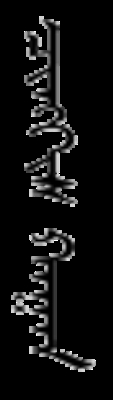
Khagan

Encyclopedia
Khagan or qagan alternatively spelled kagan, khaghan, qaghan, or chagan, is a title of imperial
rank in the Mongolian
and Turkic
languages equal to the status of emperor
and someone who rules a khaganate (empire). The words "khagan" and "khan
" are distinct today, though historically they were the same.
It may also be translated as Khan
of Khans, equivalent to King of Kings
. In modern Mongolian, the title became Khaan with the 'g' sound becoming almost silent or non-existent (i.e., a very light voiceless velar fricative
); the ğ in modern Turkish Kağan is also silent. Since the civil war of the Mongol Empire, Emperors of the Yuan Dynasty
held the title of Khagan and their successors in Mongolia continued to have the title. Kağan is a common Turkish name
in Turkey
The common western rendering as Great Khan (or Grand Khan), notably in the case of the Mongol Empire
, is translation of Yekhe Khagan (Great Emperor or Их Хаан).
chief Murong Tuyuhun tried to escape from his younger stepbrother Murong Hui
, and began his route from Liaodong to the areas of Ordos Desert
. In the speech one of the Murong's general named Yinalou addressed him as kehan (可寒, later as 可汗), some sources suggests that Tuyuhun might also have used the title after settling at Koko Nor (Qinghai) in the 3rd century.
The Rouran
s were the first people who used the titles Khagan and Khan
for their emperors (which are, therefore, assumed to be Mongolic in origin), replacing the Chanyu
of the Xiongnu
, whom Grousset and others assume to be Turkic
. However, many scholars believe the Rouran were proto-Mongols.
The Avars
, who may have included Juan Juan elements after the Göktürks
crushed the Juan Juan who ruled Mongolia, also used this title. The Avars invaded Europe
, and for over a century ruled the Carpathian region. Westerners Latinized the title "Khagan" into "Gaganus" or Cagan et Iugurro principibus Hunorum.
, written for that very dynasty, clearly distinguishes Khagan and Khan: only Genghis and his ruling descendants are called Khagan, while other rulers are referred to as Khan. The g sound in "Khagan" later weakened
and disappeared, becoming Khaan in modern Mongolian
. Khagan or Khaan refers Emperor or King in Mongolian language, however, Yekhe Khagan means Great Khagan or Grand Emperor.
The Mongol Empire began to politically split with the succession war in 1260-1264 and the death of Kublai Khan in 1294, but the term Ikh Khagan (Great Khan, or Emperor) was still used by the Genghisid rulers of the Yuan Dynasty
(1271–1368), who assumed the role of Chinese emperors
, and after the fall of the Yuan Dynasty in China (1368) it continued to be used in Mongolia (Northern Yuan). Thus, the Yuan is sometimes referred to as the Empire of the Great Khan, coexisting with the de facto independent Mongol khanates in the west, including the Chagatai Khanate
and Golden Horde
. Only the Ilkhanate
truly recognized the Yuan's overlordship as allies (though it was effectively autonomous). Because Kublai founded the Yuan Dynasty
, the members of the other branches of the Borjigin
could take part in the election of a new Khagan as the supporters of one or other of the contestants, but they could not enter the contest as candidates themselves. Later Yuan emperors made peace with the three western khanates of the Mongol Empire and were considered as their nominal suzerain. The nominal supremacy, while based on nothing like the same foundations as that of the earlier Khagans, lasted until the fall of Yuan Dynasty in China (1368). Thus, Mongol Emperors of the Yuan held the title of Great Khan of all Mongol Khanates (of the Mongol Empire), of which the three western Mongol khanates still showed their respect in many cases.
After the breakdown of Mongol Empire and the fall of the Yuan Dynasty in the 14th century, the Mongols turned into a political turmoil. Dayan Khan
(1464-1517/1543) revived Emperor's authority and recovered its reputation in Mongolia. The last Khagan Ligdan of Chahar died in 1634 while fighting the Qing Dynasty
founded by the Manchus. In contemporary Mongolian language
the word "Khaan" and "Khan" have different meanings, while English language
usually does not differentiate between them.
The Khagans of the Mongol Empire
were:
Following became Emperor
of the Yuan Dynasty
, who were considered Khagan for the Mongols and Huangdi
(or Chinese emperor) for native Chinese:
For the history of late Monarchs see: List of Mongolian monarchs
rulers of the Göktürks
and their dynastic successors among such peoples as the Khazars
(cf. the compound military title Khagan Bek
). Minor rulers were rather relegated to the lower title of Khan
.
Interestingly, both Khakhan as such and the Turkish
form Hakan, with the specification in Arabic
al-Barrayn wa al-Bahrayn (meaning literally "of both lands and both seas"), or rather fully in Ottoman Turkish
Hakan ül-Berreyn vel-Bahreyn, were among the titles in the official full style of the Great Sultan (and later Caliph) of the Ottoman Empire
(Sultan Hân N.N., Padishah
, Hünkar, Sovereign of the House of Osman, Sultan of Sultans
, Khan of Khans, Commander of the Faithful and Successor of the Prophet of the Lord of the Universe; next followed a series of specifical 'regional' titles, starting with Protector of the Holy Cities of Mecca, Medina and Jerusalem), reflecting the historical legitimation of the dynasty's rule as political successor to various conquered (often Islamised) states.
, or "heavenly Khagan" after defeating the Tujue (Göktürks
). The Tang Dynasty
Chinese Emperors were recognized as Khagans of the Turks from 665-705. However, we have two appeal letters from the Turkic hybrid rulers, Ashina Qutluγ Ton Tardu in 727
, the Yabgu of Tokharistan, and Yina Tudun Qule in 741
, the king of Tashkent
, addressing Emperor Xuanzong of Tang
as Tian Kehan during the Umayyad
expansion.
of Rus'
Hilarion
calls both grand prince
Vladimir
(978–1015) and grand prince Iaroslav (1019–1054) by the title of kagan, while a graffito on the walls of the Cathedral of St. Sophia
in Kiev
gives the same title to the son of Iaroslav, grand prince Sviatoslav II
(1073–1076).
Empire
The term empire derives from the Latin imperium . Politically, an empire is a geographically extensive group of states and peoples united and ruled either by a monarch or an oligarchy....
rank in the Mongolian
Mongolian language
The Mongolian language is the official language of Mongolia and the best-known member of the Mongolic language family. The number of speakers across all its dialects may be 5.2 million, including the vast majority of the residents of Mongolia and many of the Mongolian residents of the Inner...
and Turkic
Turkic languages
The Turkic languages constitute a language family of at least thirty five languages, spoken by Turkic peoples across a vast area from Eastern Europe and the Mediterranean to Siberia and Western China, and are considered to be part of the proposed Altaic language family.Turkic languages are spoken...
languages equal to the status of emperor
Emperor
An emperor is a monarch, usually the sovereign ruler of an empire or another type of imperial realm. Empress, the female equivalent, may indicate an emperor's wife or a woman who rules in her own right...
and someone who rules a khaganate (empire). The words "khagan" and "khan
Khan (title)
Khan is an originally Altaic and subsequently Central Asian title for a sovereign or military ruler, widely used by medieval nomadic Turko-Mongol tribes living to the north of China. 'Khan' is also seen as a title in the Xianbei confederation for their chief between 283 and 289...
" are distinct today, though historically they were the same.
It may also be translated as Khan
Khan (title)
Khan is an originally Altaic and subsequently Central Asian title for a sovereign or military ruler, widely used by medieval nomadic Turko-Mongol tribes living to the north of China. 'Khan' is also seen as a title in the Xianbei confederation for their chief between 283 and 289...
of Khans, equivalent to King of Kings
King of Kings
King of Kings is a title that has been used by several monarchies and empires throughout history. The title originates in the Ancient Near East. It is broadly the equivalent of the later title Emperor....
. In modern Mongolian, the title became Khaan with the 'g' sound becoming almost silent or non-existent (i.e., a very light voiceless velar fricative
Voiceless velar fricative
The voiceless velar fricative is a type of consonantal sound used in some spoken languages. The sound was part of the consonant inventory of Old English and can still be found in some dialects of English, most notably in Scottish English....
); the ğ in modern Turkish Kağan is also silent. Since the civil war of the Mongol Empire, Emperors of the Yuan Dynasty
Yuan Dynasty
The Yuan Dynasty , or Great Yuan Empire was a ruling dynasty founded by the Mongol leader Kublai Khan, who ruled most of present-day China, all of modern Mongolia and its surrounding areas, lasting officially from 1271 to 1368. It is considered both as a division of the Mongol Empire and as an...
held the title of Khagan and their successors in Mongolia continued to have the title. Kağan is a common Turkish name
Turkish name
A Turkish name consists of an ad and a soyadı . Turkish names exist in a "full name" format. While there is only one soyadı in the full name, there may be more than one ad...
in Turkey
The common western rendering as Great Khan (or Grand Khan), notably in the case of the Mongol Empire
Mongol Empire
The Mongol Empire , initially named as Greater Mongol State was a great empire during the 13th and 14th centuries...
, is translation of Yekhe Khagan (Great Emperor or Их Хаан).
Origin
The title was first seen in a speech between 283 and 289, when the XianbeiXianbei
The Xianbei were a significant Mongolic nomadic people residing in Manchuria, Inner Mongolia and eastern Mongolia. The title “Khan” was first used among the Xianbei.-Origins:...
chief Murong Tuyuhun tried to escape from his younger stepbrother Murong Hui
Murong Hui
Murong Hui , Xianbei chief and Duke Xiang of Liaodong, posthumously honored as Prince Wuxuan of Yan.Murong Hui had initially been a Xianbei chief who fought Jin forces during the late reign of Emperor Wu of Jin, Jin's founding emperor, but he submitted as a Jin vassal in 289...
, and began his route from Liaodong to the areas of Ordos Desert
Ordos Desert
The Ordos Desert is a desert and steppe region lying on a plateau in the south of the Inner Mongolian Autonomous Region of the People's Republic of China . The soil of the Ordos is a mixture of clay and sand and, as a result, is poorly suited for agriculture. It extends over an area of...
. In the speech one of the Murong's general named Yinalou addressed him as kehan (可寒, later as 可汗), some sources suggests that Tuyuhun might also have used the title after settling at Koko Nor (Qinghai) in the 3rd century.
The Rouran
Rouran
Rouran , Mongolia name Jujan or Nirun Ruanruan/Ruru , Tan Tan , Juan-Juan or Zhu-Zhuwas the name of a confederation of nomadic tribes on the northern borders of Inner China from the late 4th century until the middle 6th century...
s were the first people who used the titles Khagan and Khan
Khan (title)
Khan is an originally Altaic and subsequently Central Asian title for a sovereign or military ruler, widely used by medieval nomadic Turko-Mongol tribes living to the north of China. 'Khan' is also seen as a title in the Xianbei confederation for their chief between 283 and 289...
for their emperors (which are, therefore, assumed to be Mongolic in origin), replacing the Chanyu
Chanyu
Chanyu , was the title used by the nomadic supreme rulers of Middle and Central Asia for 8 centuries, starting...
of the Xiongnu
Xiongnu
The Xiongnu were ancient nomadic-based people that formed a state or confederation north of the agriculture-based empire of the Han Dynasty. Most of the information on the Xiongnu comes from Chinese sources...
, whom Grousset and others assume to be Turkic
Turkic peoples
The Turkic peoples are peoples residing in northern, central and western Asia, southern Siberia and northwestern China and parts of eastern Europe. They speak languages belonging to the Turkic language family. They share, to varying degrees, certain cultural traits and historical backgrounds...
. However, many scholars believe the Rouran were proto-Mongols.
The Avars
Eurasian Avars
The Eurasian Avars or Ancient Avars were a highly organized nomadic confederacy of mixed origins. They were ruled by a khagan, who was surrounded by a tight-knit entourage of nomad warriors, an organization characteristic of Turko-Mongol groups...
, who may have included Juan Juan elements after the Göktürks
Göktürks
The Göktürks or Kök Türks, were a nomadic confederation of peoples in medieval Inner Asia. Known in Chinese sources as 突厥 , the Göktürks under the leadership of Bumin Qaghan The Göktürks or Kök Türks, (Old Turkic: Türük or Kök Türük or Türük; Celestial Turks) were a nomadic confederation of...
crushed the Juan Juan who ruled Mongolia, also used this title. The Avars invaded Europe
Europe
Europe is, by convention, one of the world's seven continents. Comprising the westernmost peninsula of Eurasia, Europe is generally 'divided' from Asia to its east by the watershed divides of the Ural and Caucasus Mountains, the Ural River, the Caspian and Black Seas, and the waterways connecting...
, and for over a century ruled the Carpathian region. Westerners Latinized the title "Khagan" into "Gaganus" or Cagan et Iugurro principibus Hunorum.
Mongol Khagans
The Secret History of the MongolsThe Secret History of the Mongols
The Secret History of the Mongols is the oldest surviving Mongolian-language literary work...
, written for that very dynasty, clearly distinguishes Khagan and Khan: only Genghis and his ruling descendants are called Khagan, while other rulers are referred to as Khan. The g sound in "Khagan" later weakened
Lenition
In linguistics, lenition is a kind of sound change that alters consonants, making them "weaker" in some way. The word lenition itself means "softening" or "weakening" . Lenition can happen both synchronically and diachronically...
and disappeared, becoming Khaan in modern Mongolian
Mongolian language
The Mongolian language is the official language of Mongolia and the best-known member of the Mongolic language family. The number of speakers across all its dialects may be 5.2 million, including the vast majority of the residents of Mongolia and many of the Mongolian residents of the Inner...
. Khagan or Khaan refers Emperor or King in Mongolian language, however, Yekhe Khagan means Great Khagan or Grand Emperor.
The Mongol Empire began to politically split with the succession war in 1260-1264 and the death of Kublai Khan in 1294, but the term Ikh Khagan (Great Khan, or Emperor) was still used by the Genghisid rulers of the Yuan Dynasty
Yuan Dynasty
The Yuan Dynasty , or Great Yuan Empire was a ruling dynasty founded by the Mongol leader Kublai Khan, who ruled most of present-day China, all of modern Mongolia and its surrounding areas, lasting officially from 1271 to 1368. It is considered both as a division of the Mongol Empire and as an...
(1271–1368), who assumed the role of Chinese emperors
Emperor of China
The Emperor of China refers to any sovereign of Imperial China reigning between the founding of Qin Dynasty of China, united by the King of Qin in 221 BCE, and the fall of Yuan Shikai's Empire of China in 1916. When referred to as the Son of Heaven , a title that predates the Qin unification, the...
, and after the fall of the Yuan Dynasty in China (1368) it continued to be used in Mongolia (Northern Yuan). Thus, the Yuan is sometimes referred to as the Empire of the Great Khan, coexisting with the de facto independent Mongol khanates in the west, including the Chagatai Khanate
Chagatai Khanate
The Chagatai Khanate was a Turko-Mongol khanate that comprised the lands ruled by Chagatai Khan , second son of the Great Khan Genghis Khan, and his descendents and successors...
and Golden Horde
Golden Horde
The Golden Horde was a Mongol and later Turkicized khanate that formed the north-western sector of the Mongol Empire...
. Only the Ilkhanate
Ilkhanate
The Ilkhanate, also spelled Il-khanate , was a Mongol khanate established in Azerbaijan and Persia in the 13th century, considered a part of the Mongol Empire...
truly recognized the Yuan's overlordship as allies (though it was effectively autonomous). Because Kublai founded the Yuan Dynasty
Yuan Dynasty
The Yuan Dynasty , or Great Yuan Empire was a ruling dynasty founded by the Mongol leader Kublai Khan, who ruled most of present-day China, all of modern Mongolia and its surrounding areas, lasting officially from 1271 to 1368. It is considered both as a division of the Mongol Empire and as an...
, the members of the other branches of the Borjigin
Borjigin
Borjigin , also known as the Altan urug , were the imperial clan of Genghis Khan and his successors....
could take part in the election of a new Khagan as the supporters of one or other of the contestants, but they could not enter the contest as candidates themselves. Later Yuan emperors made peace with the three western khanates of the Mongol Empire and were considered as their nominal suzerain. The nominal supremacy, while based on nothing like the same foundations as that of the earlier Khagans, lasted until the fall of Yuan Dynasty in China (1368). Thus, Mongol Emperors of the Yuan held the title of Great Khan of all Mongol Khanates (of the Mongol Empire), of which the three western Mongol khanates still showed their respect in many cases.
After the breakdown of Mongol Empire and the fall of the Yuan Dynasty in the 14th century, the Mongols turned into a political turmoil. Dayan Khan
Dayan Khan
Dayan Khan , was a Mongol khan who reunited the Mongols under Chinggisid supremacy in the Northern Yuan Dynasty in Mongolia...
(1464-1517/1543) revived Emperor's authority and recovered its reputation in Mongolia. The last Khagan Ligdan of Chahar died in 1634 while fighting the Qing Dynasty
Qing Dynasty
The Qing Dynasty was the last dynasty of China, ruling from 1644 to 1912 with a brief, abortive restoration in 1917. It was preceded by the Ming Dynasty and followed by the Republic of China....
founded by the Manchus. In contemporary Mongolian language
Mongolian language
The Mongolian language is the official language of Mongolia and the best-known member of the Mongolic language family. The number of speakers across all its dialects may be 5.2 million, including the vast majority of the residents of Mongolia and many of the Mongolian residents of the Inner...
the word "Khaan" and "Khan" have different meanings, while English language
English language
English is a West Germanic language that arose in the Anglo-Saxon kingdoms of England and spread into what was to become south-east Scotland under the influence of the Anglian medieval kingdom of Northumbria...
usually does not differentiate between them.
The Khagans of the Mongol Empire
Mongol Empire
The Mongol Empire , initially named as Greater Mongol State was a great empire during the 13th and 14th centuries...
were:
- Genghis KhanGenghis KhanGenghis Khan , born Temujin and occasionally known by his temple name Taizu , was the founder and Great Khan of the Mongol Empire, which became the largest contiguous empire in history after his death....
(1206-1227) - Ögedei KhanÖgedei KhanÖgedei Khan, born Ögedei was the third son of Genghis Khan and second Great Khan of the Mongol Empire by succeeding his father...
(1229-1241) - Güyük KhanGüyük KhanGüyük was the third Great Khan of the Mongol Empire. As the eldest son of Ögedei Khan and a grandson of Genghis Khan, he reigned from 1246 to 1248...
(1246-1248) - Möngke KhanMöngke KhanMöngke Khan , born Möngke, , was the fourth Great Khan of the Mongol Empire from July 1, 1251 – August 11, 1259. He was the first Great Khan from the Toluid line, and made significant reforms to improve the administration of the Empire during his reign...
(1251-1259)
Following became Emperor
Emperor
An emperor is a monarch, usually the sovereign ruler of an empire or another type of imperial realm. Empress, the female equivalent, may indicate an emperor's wife or a woman who rules in her own right...
of the Yuan Dynasty
Yuan Dynasty
The Yuan Dynasty , or Great Yuan Empire was a ruling dynasty founded by the Mongol leader Kublai Khan, who ruled most of present-day China, all of modern Mongolia and its surrounding areas, lasting officially from 1271 to 1368. It is considered both as a division of the Mongol Empire and as an...
, who were considered Khagan for the Mongols and Huangdi
Emperor of China
The Emperor of China refers to any sovereign of Imperial China reigning between the founding of Qin Dynasty of China, united by the King of Qin in 221 BCE, and the fall of Yuan Shikai's Empire of China in 1916. When referred to as the Son of Heaven , a title that predates the Qin unification, the...
(or Chinese emperor) for native Chinese:
- Kublai KhanKublai KhanKublai Khan , born Kublai and also known by the temple name Shizu , was the fifth Great Khan of the Mongol Empire from 1260 to 1294 and the founder of the Yuan Dynasty in China...
(1260-1271) - Khagan title: Setsen (Сэцэн); Chinese temple name: Shizu- 1271-1294; era name: Zhiyuan 1264-1294 - Temür Khân - Khagan title: Oljeitu (Өлзийт); Chinese temple name ChengzongEmperor Chengzong of Yuan ChinaTemür Öljeytü Khan , born Temür , or Emperor Chengzong of Yuan , also spelled Timur, was the second leader of the Yuan Dynasty between May 10, 1294 and February 10, 1307, and is considered as the sixth Great Khan of the Mongols in Mongolia...
; 1294-1307; era name: Yuanzhen 1295-1297;Dade 1297-1307 - Khaiysan- Khagan title: Khülük (Хүлэг); Chinese temple name: Wuzong - 1308-1311; era name: Zhida 1308-1311
- Ayurparibhadra - Chinese temple name: RenzongEmperor Renzong of Yuan ChinaBuyantu Khan , also known as Emperor Renzong of Yuan , born Ayurbarwada, was the Emperor of the Yuan Dynasty, and is regarded as the eighth Great Khan of the Mongols in Mongolia....
(仁宗)-1311-1320; era name: Huangqing 1312-1313;Yanyou 1314-1320 - Suddhipala - Khagan title: Gegeen (Гэгээн); Chinese temple name: Yingzong- 1321-1323; era name: Zhizhi 1321-1323; Jinzong
- Yesün-Temür - Chinese title:Taiding Di - 1323-1328;Taiding 1321-1328; era name:Zhihe 1328
- Arigaba - Tianshun Di; Tianshun 1328
- Toq-Temür - Khagan title: Zayaghatu (Заяат); Chinese temple name: Wenzong; 1328-1329 and 1329-1332; era name: Tianli 1328-1330 Zhìshùn 1330-1332
- Khuslen (Хүслэн) Khagan title: Qutuqtu; Chinese temple name: MingzongEmperor Mingzong of Yuan ChinaKhutughtu Khan , also known as Emperor Mingzong of Yuan , born Kuśala , was a son of Khayishan who briefly ascended to the throne of the Yuan Dynasty in 1329, but died soon after he seized the throne of Great Khan of the Mongols and Emperor of...
- 1329; - Irinchibal 1332; Chinese temple name: Ningzong; era name: Zhishun 1332
- Toghan-Temür - Khagan title: Ukhaantu (Ухаант хаан); Chinese temple name: Huizong ; Shundi - 1333-1370; era name: Zhishun 1333;Yuantong 1333-1335; Zhiyuan 1335-1340; Zhizheng 1341-1368; Zhiyuan 1368-1370
For the history of late Monarchs see: List of Mongolian monarchs
Among Turkic peoples
The title became associated with the AshinaAshina
Ashina was a tribe and the ruling dynasty of the ancient Turks who rose to prominence in the mid-6th century when their leader, Bumin Khan, revolted against the Rouran...
rulers of the Göktürks
Göktürks
The Göktürks or Kök Türks, were a nomadic confederation of peoples in medieval Inner Asia. Known in Chinese sources as 突厥 , the Göktürks under the leadership of Bumin Qaghan The Göktürks or Kök Türks, (Old Turkic: Türük or Kök Türük or Türük; Celestial Turks) were a nomadic confederation of...
and their dynastic successors among such peoples as the Khazars
Khazars
The Khazars were semi-nomadic Turkic people who established one of the largest polities of medieval Eurasia, with the capital of Atil and territory comprising much of modern-day European Russia, western Kazakhstan, eastern Ukraine, Azerbaijan, large portions of the northern Caucasus , parts of...
(cf. the compound military title Khagan Bek
Khagan Bek
-History:Khazar kingship was divided between the khagan and the Bek or Khagan Bek. Contemporary Arab historians related that the Khagan was purely a spiritual ruler or figurehead with limited powers, while the Bek was responsible for administration and military affairs.In the Khazar Correspondence,...
). Minor rulers were rather relegated to the lower title of Khan
Khan (title)
Khan is an originally Altaic and subsequently Central Asian title for a sovereign or military ruler, widely used by medieval nomadic Turko-Mongol tribes living to the north of China. 'Khan' is also seen as a title in the Xianbei confederation for their chief between 283 and 289...
.
Interestingly, both Khakhan as such and the Turkish
Turkish language
Turkish is a language spoken as a native language by over 83 million people worldwide, making it the most commonly spoken of the Turkic languages. Its speakers are located predominantly in Turkey and Northern Cyprus with smaller groups in Iraq, Greece, Bulgaria, the Republic of Macedonia, Kosovo,...
form Hakan, with the specification in Arabic
Arabic language
Arabic is a name applied to the descendants of the Classical Arabic language of the 6th century AD, used most prominently in the Quran, the Islamic Holy Book...
al-Barrayn wa al-Bahrayn (meaning literally "of both lands and both seas"), or rather fully in Ottoman Turkish
Ottoman Turkish language
The Ottoman Turkish language or Ottoman language is the variety of the Turkish language that was used for administrative and literary purposes in the Ottoman Empire. It borrows extensively from Arabic and Persian, and was written in a variant of the Perso-Arabic script...
Hakan ül-Berreyn vel-Bahreyn, were among the titles in the official full style of the Great Sultan (and later Caliph) of the Ottoman Empire
Ottoman Empire
The Ottoman EmpireIt was usually referred to as the "Ottoman Empire", the "Turkish Empire", the "Ottoman Caliphate" or more commonly "Turkey" by its contemporaries...
(Sultan Hân N.N., Padishah
Padishah
Padishah, Padshah, Padeshah, Badishah or Badshah is a superlative royal title, composed of the Persian pād "master" and the widespread shāh "king", which was adopted by several monarchs claiming the highest rank, roughly equivalent to the ancient Persian notion of "The Great" or "Great King", and...
, Hünkar, Sovereign of the House of Osman, Sultan of Sultans
Sultan of Sultans
"Sultan of Sultans" is the literal English translation of the original Turkish Sultan es-Selatin or Sultan us-Selatin. It is similar to the title Great Sultan, which is translated from Arabic....
, Khan of Khans, Commander of the Faithful and Successor of the Prophet of the Lord of the Universe; next followed a series of specifical 'regional' titles, starting with Protector of the Holy Cities of Mecca, Medina and Jerusalem), reflecting the historical legitimation of the dynasty's rule as political successor to various conquered (often Islamised) states.
Chinese Khagans
Emperor Taizong of Tang was crowned Tian KehanTian Kehan
Tian Kehan also translated as Heavenly Khagan, Celestial Khagan or Tengri Khagan, was a title addressed to Emperor Taizong of Tang by various Turkic nomads...
, or "heavenly Khagan" after defeating the Tujue (Göktürks
Göktürks
The Göktürks or Kök Türks, were a nomadic confederation of peoples in medieval Inner Asia. Known in Chinese sources as 突厥 , the Göktürks under the leadership of Bumin Qaghan The Göktürks or Kök Türks, (Old Turkic: Türük or Kök Türük or Türük; Celestial Turks) were a nomadic confederation of...
). The Tang Dynasty
Tang Dynasty
The Tang Dynasty was an imperial dynasty of China preceded by the Sui Dynasty and followed by the Five Dynasties and Ten Kingdoms Period. It was founded by the Li family, who seized power during the decline and collapse of the Sui Empire...
Chinese Emperors were recognized as Khagans of the Turks from 665-705. However, we have two appeal letters from the Turkic hybrid rulers, Ashina Qutluγ Ton Tardu in 727
727
Year 727 was a common year starting on Wednesday of the Julian calendar. The denomination 727 for this year has been used since the early medieval period, when the Anno Domini calendar era became the prevalent method in Europe for naming years.- Byzantine Empire :* Umayyad troops under Abdallah...
, the Yabgu of Tokharistan, and Yina Tudun Qule in 741
741
Year 741 was a common year starting on Sunday of the Julian calendar. The denomination 741 for this year has been used since the early medieval period, when the Anno Domini calendar era became the prevalent method in Europe for naming years.- Europe :* Carloman, Pippin the Short and Grifo succeed...
, the king of Tashkent
Tashkent
Tashkent is the capital of Uzbekistan and of the Tashkent Province. The officially registered population of the city in 2008 was about 2.2 million. Unofficial sources estimate the actual population may be as much as 4.45 million.-Early Islamic History:...
, addressing Emperor Xuanzong of Tang
Emperor Xuanzong of Tang
Emperor Xuanzong of Tang , also commonly known as Emperor Ming of Tang , personal name Li Longji , known as Wu Longji from 690 to 705, was the seventh emperor of the Tang dynasty in China, reigning from 712 to 756. His reign of 43 years was the longest during the Tang Dynasty...
as Tian Kehan during the Umayyad
Umayyad
The Umayyad Caliphate was the second of the four major Arab caliphates established after the death of Muhammad. It was ruled by the Umayyad dynasty, whose name derives from Umayya ibn Abd Shams, the great-grandfather of the first Umayyad caliph. Although the Umayyad family originally came from the...
expansion.
Among the Norsemen and Slavs
In the early 10th century, the Rus' people employed the title of kagan (or qaghan), reported by the Persian geographer Ibn Rusta writing between 903 and 913. This tradition endured in the eleventh century, as the metropolitanMetropolitan bishop
In Christian churches with episcopal polity, the rank of metropolitan bishop, or simply metropolitan, pertains to the diocesan bishop or archbishop of a metropolis; that is, the chief city of a historical Roman province, ecclesiastical province, or regional capital.Before the establishment of...
of Rus'
Kievan Rus'
Kievan Rus was a medieval polity in Eastern Europe, from the late 9th to the mid 13th century, when it disintegrated under the pressure of the Mongol invasion of 1237–1240....
Hilarion
Hilarion of Kiev
Hilarion or Ilarion was the first non-Greek Metropolitan of Kiev. While there is not much verifiable information regarding Ilarion's biography, there are several aspects of his life which have come to be generally accepted....
calls both grand prince
Grand Prince
The title grand prince or great prince ranked in honour below emperor and tsar and above a sovereign prince .Grand duke is the usual and established, though not literal, translation of these terms in English and Romance languages, which do not normally use separate words for a "prince" who reigns...
Vladimir
Vladimir I of Kiev
Vladimir Sviatoslavich the Great Old East Slavic: Володимѣръ Свѧтославичь Old Norse as Valdamarr Sveinaldsson, , Vladimir, , Volodymyr, was a grand prince of Kiev, ruler of Kievan Rus' in .Vladimir's father was the prince Sviatoslav of the Rurik dynasty...
(978–1015) and grand prince Iaroslav (1019–1054) by the title of kagan, while a graffito on the walls of the Cathedral of St. Sophia
Sophia (name)
Sophia is a female name derived from σοφία, the Greek word for "Wisdom." Sophie is from the French form. Sophia has been a popular name throughout the western world...
in Kiev
Kiev
Kiev or Kyiv is the capital and the largest city of Ukraine, located in the north central part of the country on the Dnieper River. The population as of the 2001 census was 2,611,300. However, higher numbers have been cited in the press....
gives the same title to the son of Iaroslav, grand prince Sviatoslav II
Sviatoslav II of Kiev
Sviatoslav Iaroslavich was the Prince of Chernihiv from 1054 to 1073 and Grand Prince of Kiev from 1073 until his death...
(1073–1076).
Sources and references
- Fairbank, John King. The Cambridge History of China . Cambridge University PressCambridge University PressCambridge University Press is the publishing business of the University of Cambridge. Granted letters patent by Henry VIII in 1534, it is the world's oldest publishing house, and the second largest university press in the world...
, 1978. web page - Grousset, René. (1970). The Empire of the Steppes: a History of Central Asia. Translated by Naomi Walford. Rutgers University Press. New Brunswick, New Jersey, U.S.A.Third Paperback printing, 1991. ISBN 0-8135-0627-1 (casebound); ISBN 0-8135-1304-9 (pbk).
- Whittow, Mark. The Making of Byzantium, 600–1025, University of California Press, Berkeley, Los Angeles, 1996.
- Zhou, Weizhou [1985] (2006). A History of Tuyuhun. Guilin: Guangxi Normal University Press. ISBN 7-5633-6044-1.