

H5N1

Encyclopedia
Influenza A virus subtype H5N1, also known as "bird flu", A(H5N1) or simply H5N1, is a subtype of the influenza A virus which can cause illness in humans and many other animal species. A bird-adapted strain of H5N1, called HPAI A(H5N1) for "highly pathogen
ic avian influenza virus of type A of subtype H5N1", is the causative agent of H5N1 flu
, commonly known as "avian influenza" or "bird flu". It is enzootic in many bird populations, especially in Southeast Asia
. One strain of HPAI A(H5N1) is spreading globally
after first appearing in Asia. It is epizootic
(an epidemic in nonhumans) and panzootic (affecting animals of many species, especially over a wide area), killing tens of millions of birds and spurring the culling
of hundreds of millions of others to stem its spread. Most references to "bird flu" and H5N1 in the popular media refer to this strain. This was reprinted in 2005:
According to the FAO
Avian Influenza Disease Emergency Situation Update, H5N1 pathogenicity
is continuing to gradually rise in endemic areas but the avian influenza disease situation in farmed birds is being held in check by vaccination. Eleven outbreaks of H5N1 were reported worldwide in June 2008 in five countries (China, Egypt, Indonesia, Pakistan and Vietnam) compared to 65 outbreaks in June 2006 and 55 in June 2007. The "global HPAI situation can be said to have improved markedly in the first half of 2008 [but] cases of HPAI are still underestimated and underreported in many countries because of limitations in country disease surveillance systems". On December 9, 2010 the WHO announced a total of 510 human cases which resulted in the deaths of 303 people since 2003.
A filtered and purified Influenza A vaccine for humans is being developed and many countries have recommended it be stockpiled so, if an Avian influenza pandemic starts jumping to humans, the vaccine can quickly be administered to avoid loss of life. Avian influenza is sometimes called avian flu, and commonly bird flu.
A novel highly contagious
strain of H5N1 was created by Ron Fouchier of the Erasmus Medical Centre in Rotterdam, the Netherlands, who first presented his work to the public at an influenza conference in Malta in September 2011. The new H5N1 strain was genetically altered to readily transmit from human to human and was found to be as contagious as the human seasonal flu, thus making it the most vicious and dangerous flu strain up to date.
or reassort
into a strain capable of efficient human-to-human transmission. In 2003, world-renowned virologist Robert G. Webster published an article titled "The world is teetering on the edge of a pandemic that could kill a large fraction of the human population" in American Scientist
. He called for adequate resources to fight what he sees as a major world threat to possibly billions of lives. On September 29, 2005, David Nabarro
, the newly appointed Senior United Nations System Coordinator for Avian and Human Influenza, warned the world that an outbreak of avian influenza could kill anywhere between 5 million and 150 million people. Experts have identified key events (creating new clade
s, infecting new species, spreading to new areas) marking the progression of an avian flu virus towards becoming pandemic, and many of those key events have occurred more rapidly than expected.
Due to the high lethality and virulence
of HPAI A(H5N1), its endemic presence, its increasingly large host
reservoir, and its significant ongoing mutations, the H5N1 virus is the world's largest current pandemic threat and billions of dollars are being spent researching H5N1 and preparing for a potential influenza pandemic
. At least 12 companies and 17 governments are developing pre-pandemic influenza vaccines in 28 different clinical trials that, if successful, could turn a deadly pandemic infection into a nondeadly one. Full-scale production of a vaccine
that could prevent any illness at all from the strain would require at least three months after the virus's emergence to begin, but it is hoped that vaccine production could increase until one billion doses were produced by one year after the initial identification of the virus.
H5N1 may cause more than one influenza pandemic
as it is expected to continue mutating in birds regardless of whether humans develop herd immunity
to a future pandemic strain. Influenza pandemics from its genetic offspring may include influenza A virus
subtypes other than H5N1. While genetic analysis of the H5N1 virus shows that influenza pandemics from its genetic offspring can easily be far more lethal than the Spanish flu
pandemic, planning for a future influenza pandemic is based on what can be done and there is no higher Pandemic Severity Index
level than a Category 5 pandemic which, roughly speaking, is any pandemic as bad as the Spanish flu or worse; and for which all intervention measures are to be used.
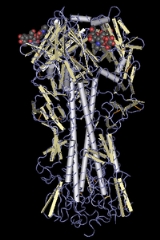
 The avian influenza hemagglutinin
binds alpha 2-3 sialic acid
receptors, while human influenza hemagglutinin
s bind alpha 2-6 sialic acid receptors. This means when the H5N1 strain infects humans, it will replicate in the lower respiratory tract, and consequently will cause viral pneumonia
. There is as yet no human form of H5N1, so all humans who have caught it so far have caught avian H5N1.
In general, humans who catch a humanized influenza A virus
(a human flu
virus of type A) usually have symptoms that include fever
, cough
, sore throat
, muscle aches
, conjunctivitis
, and, in severe cases, breathing problems and pneumonia
that may be fatal. The severity of the infection depends in large part on the state of the infected person's immune system
and whether the victim has been exposed to the strain before (in which case they would be partially immune). No one knows if these or other symptoms will be the symptoms of a humanized H5N1 flu.
The reported mortality rate of highly pathogenic H5N1 avian influenza in a human is high; WHO
data indicate 60% of cases classified as H5N1 resulted in death. However, there is some evidence the actual mortality rate of avian flu could be much lower, as there may be many people with milder symptoms who do not seek treatment and are not counted.
In one case, a boy with H5N1 experienced diarrhea
followed rapidly by a coma
without developing respiratory or flu-like symptoms. There have been studies of the levels of cytokine
s in humans infected by the H5N1 flu virus. Of particular concern is elevated levels of tumor necrosis factor-alpha, a protein associated with tissue destruction at sites of infection and increased production of other cytokines. Flu virus-induced increases in the level of cytokines is also associated with flu symptoms, including fever, chills, vomiting and headache. Tissue damage associated with pathogenic flu virus infection can ultimately result in death. The inflammatory
cascade triggered by H5N1 has been called a 'cytokine storm
' by some, because of what seems to be a positive feedback
process of damage to the body resulting from immune system
stimulation. H5N1 induces higher levels of cytokines than the more common flu virus types.

The first known strain of HPAI A(H5N1) (called A/chicken/Scotland/59) killed two flocks of chickens in Scotland in 1959; but that strain was very different from the current highly pathogenic strain of H5N1. The dominant strain of HPAI A(H5N1) in 2004 evolved
from 1999 to 2002 creating the Z genotype. It has also been called "Asian lineage HPAI A(H5N1)".
Asian lineage HPAI A(H5N1) is divided into two antigen
ic clades. "Clade 1 includes human and bird isolates from Vietnam
, Thailand
, and Cambodia
and bird isolates from Laos
and Malaysia. Clade 2 viruses were first identified in bird isolates from China
, Indonesia
, Japan
, and South Korea
before spreading westward to the Middle East
, Europe
, and Africa
. The clade 2 viruses have been primarily responsible for human H5N1 infections that have occurred during late 2005 and 2006, according to WHO. Genetic analysis has identified six subclades of clade 2, three of which have a distinct geographic distribution and have been implicated in human infections: Map
A 2007 study focused on the EMA subclade has shed further light on the EMA mutations. "The 36 new isolates reported here greatly expand the amount of whole-genome sequence data available from recent avian influenza (H5N1) isolates. Before our project, GenBank contained only 5 other complete genomes from Europe for the 2004–2006 period, and it contained no whole genomes from the Middle East or northern Africa. Our analysis showed several new findings. First, all European, Middle Eastern, and African samples fall into a clade that is distinct from other contemporary Asian clades, all of which share common ancestry with the original 1997 Hong Kong strain. Phylogenetic trees built on each of the 8 segments show a consistent picture of 3 lineages, as illustrated by the HA tree shown in Figure 1. Two of the clades contain exclusively Vietnamese isolates; the smaller of these, with 5 isolates, we label V1; the larger clade, with 9 isolates, is V2. The remaining 22 isolates all fall into a third, clearly distinct clade, labeled EMA, which comprises samples from Europe, the Middle East, and Africa. Trees for the other 7 segments display a similar topology, with clades V1, V2, and EMA clearly separated in each case. Analyses of all available complete influenza (H5N1) genomes and of 589 HA sequences placed the EMA clade as distinct from the major clades circulating in People's Republic of China, Indonesia, and Southeast Asia."
Other examples include: A/duck/Hong Kong/308/78(H5N3), A/avian/NY/01(H5N2), A/chicken/Mexico/31381-3/94(H5N2), and A/shoveler
/Egypt/03(H5N2).
As with other avian flu viruses, H5N1 has strains called "highly pathogenic" (HP) and "low-pathogenic" (LP). Avian influenza viruses that cause HPAI are highly virulent
, and mortality rates in infected flocks often approach 100%. LPAI viruses have negligible virulence, but these viruses can serve as progenitors to HPAI viruses. The current strain of H5N1 responsible for the deaths of birds across the world is an HPAI strain; all other current strains of H5N1, including a North American strain that causes no disease at all in any species, are LPAI strains. All HPAI strains identified to date have involved H5 and H7 subtypes. The distinction concerns pathogenicity in poultry, not humans. Normally a highly pathogenic avian virus is not highly pathogenic to either humans or non-poultry birds. This current deadly strain of H5N1 is unusual in being deadly to so many species, including some, like domestic cats, never previously susceptible to any influenza virus
.
 H5N1 is a subtype of the species Influenza A virus of the Influenzavirus A
genus
of the Orthomyxoviridae
family. Like all other influenza A subtypes, the H5N1 subtype is an RNA virus
. It has a segmented genome
of eight negative sense, single-strands of RNA
, abbreviated as PB2, PB1, PA, HA, NP, NA, MP and NS.
HA codes for hemagglutinin
, an antigen
ic glycoprotein
found on the surface of the influenza viruses and is responsible for binding the virus to the cell that is being infected. NA codes for neuraminidase
, an antigenic glycosylated enzyme
found on the surface of the influenza viruses. It facilitates the release of progeny viruses from infected cells.
The hemagglutinin (HA) and neuraminidase (NA) RNA strands specify the structure of proteins that are most medically relevant as targets for antiviral drugs and antibodies
. HA and NA are also used as the basis for the naming of the different subtypes of influenza A viruses. This is where the H and N come from in H5N1.
Influenza A viruses are significant for their potential for disease and death in humans and other animals. Influenza A virus subtypes that have been confirmed in humans, in order of the number of known human pandemic deaths that they have caused, include:
"In the past, there was no requirement for reporting or tracking LPAI H5 or H7 detections in wild birds so states and universities tested wild bird samples independently of USDA. Because of this, the above list of previous detections might not be all inclusive of past LPAI H5N1 detections. However, the World Organization for Animal Health (OIE) recently changed its requirement of reporting detections of avian influenza. Effective in 2006, all confirmed LPAI H5 and H7 AI subtypes must be reported to the OIE because of their potential to mutate into highly pathogenic strains. Therefore, USDA now tracks these detections in wild birds, backyard flocks, commercial flocks and live bird markets."
es. The segmentation of its genome
facilitates genetic recombination
by segment reassortment
in hosts infected with two different influenza viruses at the same time. A previously uncontagious strain may then be able to pass between humans, one of several possible paths to a pandemic.
The ability of various influenza strains to show species-selectivity is largely due to variation in the hemagglutinin
genes. Genetic mutation
s in the hemagglutinin gene that cause single amino acid
substitutions can significantly alter the ability of viral hemagglutinin proteins to bind to receptors
on the surface of host cells. Such mutations in avian H5N1 viruses can change virus strains from being inefficient at infecting human cells to being as efficient in causing human infections as more common human influenza virus types. This doesn't mean that one amino acid substitution can cause a pandemic, but it does mean that one amino acid substitution can cause an avian flu virus that is not pathogenic in humans to become pathogenic in humans.
Influenza A virus subtype H3N2 is endemic in pigs in China, and has been detected in pigs in Vietnam, increasing fears of the emergence of new variant strains. The dominant strain of annual flu virus in January 2006 was H3N2, which is now resistant to the standard antiviral drugs amantadine
and rimantadine
. The possibility of H5N1 and H3N2 exchanging genes through reassortment is a major concern. If a reassortment in H5N1 occurs, it might remain an H5N1 subtype, or it could shift subtypes, as H2N2 did when it evolved into the Hong Kong Flu strain of H3N2.
Both the H2N2 and H3N2 pandemic strains contained avian influenza virus RNA segments. "While the pandemic human influenza viruses of 1957 (H2N2) and 1968 (H3N2) clearly arose through reassortment between human and avian viruses, the influenza virus causing the 'Spanish flu' in 1918 appears to be entirely derived from an avian source". This e-book is under constant revision and is an excellent guide to Avian Influenza
 There are several H5N1 vaccine
s for several of the avian H5N1 varieties, but the continual mutation of H5N1 renders them of limited use to date: while vaccines can sometimes provide cross-protection against related flu strains, the best protection would be from a vaccine specifically produced for any future pandemic flu virus strain. Dr. Daniel Lucey, co-director of the Biohazardous Threats and Emerging Diseases graduate program at Georgetown University
has made this point, "There is no H5N1 pandemic
so there can be no pandemic vaccine
". However, "pre-pandemic vaccines" have been created; are being refined and tested; and do have some promise both in furthering research and preparedness for the next pandemic. Vaccine manufacturing companies are being encouraged to increase capacity so that if a pandemic vaccine is needed, facilities will be available for rapid production of large amounts of a vaccine specific to a new pandemic strain.
is collaborating closely with eight international organizations, including the World Health Organization
(WHO), the Food and Agriculture Organization of the United Nations
(FAO), the World Organization for Animal Health (OIE), and 88 foreign governments to address the situation through planning, greater monitoring, and full transparency in reporting and investigating avian influenza occurrences. The United States and these international partners have led global efforts to encourage countries to heighten surveillance for outbreaks in poultry and significant numbers of deaths in migratory birds and to rapidly introduce containment measures. The U.S. Agency for International Development (USAID) and the U.S. Department of State, the U.S. Department of Health and Human Services (HHS), and Agriculture (USDA) are coordinating future international response measures on behalf of the White House with departments and agencies across the federal government".
Together steps are being taken to "minimize the risk of further spread in animal populations", "reduce the risk of human infections", and "further support pandemic planning and preparedness".
Ongoing detailed mutually coordinated onsite surveillance and analysis of human and animal H5N1 avian flu outbreaks are being conducted and reported by the USGS National Wildlife Health Center, the Centers for Disease Control and Prevention
, the World Health Organization
, the European Commission
, and others.
(commercially marketed by Roche
as Tamiflu), can sometimes inhibit the influenza virus from spreading inside the user's body. This drug has become a focus for some governments and organizations trying to prepare for a possible H5N1 pandemic. On April 20, 2006, Roche AG announced that a stockpile
of three million treatment courses of Tamiflu are waiting at the disposal of the World Health Organization
to be used in case of a flu pandemic; separately Roche donated two million courses to the WHO for use in developing nations that may be affected by such a pandemic but lack the ability to purchase large quantities of the drug.
However, WHO expert Hassan al-Bushra has said:
Animal and lab studies suggest that Relenza (zanamivir), which is in the same class of drugs as Tamiflu, may also be effective against H5N1. In a study performed on mice in 2000, "zanamivir was shown to be efficacious in treating avian influenza viruses H9N2, H6N1, and H5N1 transmissible to mammals". In addition, mice studies suggest the combination of zanamivir, celecoxib and mesalazine looks promising producing a 50% survival rate compared to no survival in the placebo arm. While no one knows if zanamivir will be useful or not on a yet to exist pandemic strain of H5N1, it might be useful to stockpile zanamivir as well as oseltamivir in the event of an H5N1 influenza pandemic. Neither oseltamivir nor zanamivir can currently be manufactured in quantities that would be meaningful once efficient human transmission starts. In September, 2006, a WHO scientist announced that studies had confirmed cases of H5N1 strains resistant to Tamiflu and Amantadine. Tamiflu-resistant strains have also appeared in the EU, which remain sensitive to Relenza.
(an epidemic in nonhumans) of H5N1 influenza in Hong Kong's poultry population. This panzootic
(a disease affecting animals of many species, especially over a wide area) outbreak was stopped by the killing of the entire domestic poultry population within the territory. However, the disease has continued to spread. On December 21, 2009 the WHO announced a total of 447 cases which resulted in the deaths of 263.
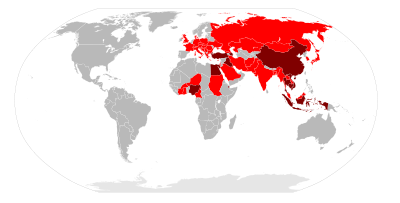 H5N1 is easily transmissible between birds facilitating a potential global spread of H5N1
. While H5N1 undergoes mutation and reassortment, creating variations which can infect species not previously known to carry the virus, not all of these variant forms can infect humans. H5N1 as an avian virus preferentially binds to a type of galactose
receptors that populate the avian respiratory tract from the nose to the lungs and are virtually absent in humans, occurring only in and around the alveoli
, structures deep in the lungs where oxygen is passed to the blood. Therefore, the virus is not easily expelled by coughing and sneezing, the usual route of transmission.
H5N1 is mainly spread by domestic poultry
, both through the movements of infected birds and poultry products and through the use of infected poultry manure as fertilizer or feed. Humans with H5N1 have typically caught it from chickens, which were in turn infected by other poultry or waterfowl. Migrating waterfowl
(wild duck
s, geese and swan
s) carry H5N1, often without becoming sick. Many species of birds and mammals can be infected with HPAI A(H5N1), but the role of animals other than poultry and waterfowl as disease-spreading hosts is unknown.
According to a report by the World Health Organization
, H5N1 may be spread indirectly. The report stated that the virus may sometimes stick to surfaces or get kicked up in fertilizer dust to infect people.
into a variety of strains
with differing pathogenic profiles, some pathogenic to one species but not others, some pathogenic to multiple species. Each specific known genetic variation is traceable to a virus isolate of a specific case of infection. Through antigenic drift
, H5N1 has mutated into dozens of highly pathogenic varieties divided into genetic clades which are known from specific isolates, but all currently belonging to genotype Z of avian influenza virus H5N1, now the dominant genotype. Figure 1 shows a diagramatic representation of the genetic relatedness of Asian H5N1 hemagglutinin
genes from various isolates of the virus
H5N1 isolates found in Hong Kong
in 1997 and 2001 were not consistently transmitted efficiently among birds and did not cause significant disease in these animals. In 2002 new isolates of H5N1 were appearing within the bird population of Hong Kong. These new isolates caused acute disease, including severe neurological dysfunction and death in duck
s. This was the first reported case of lethal influenza virus infection in wild aquatic birds since 1961. Genotype Z emerged in 2002 through reassortment
from earlier highly pathogenic genotypes of H5N1 that first infected birds in China
in 1996, and first infected humans in Hong Kong
in 1997. Genotype Z is endemic in birds in Southeast Asia, has created at least two clades that can infect humans, and is spreading across the globe in bird populations. Mutations are occurring within this genotype that are increasing their pathogenicity. Birds are also able to shed the virus for longer periods of time before their death, increasing the transmissibility of the virus.
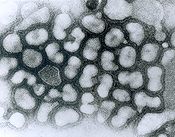 Infected birds transmit H5N1 through their saliva
, nasal secretions
, feces
and blood
. Other animals may become infected with the virus through direct contact with these bodily fluids or through contact with surfaces contaminated with them. H5N1 remains infectious after over 30 days at 0 °C ( 32.0 °F) (over one month at freezing temperature) or 6 days at 37 °C ( 98.6 °F) (one week at human body temperature) at ordinary temperatures it lasts in the environment for weeks. In Arctic temperatures, it doesn't degrade at all.
Because migratory birds are among the carriers of the highly pathogenic H5N1 virus, it is spreading to all parts of the world. H5N1 is different from all previously known highly pathogenic avian flu viruses in its ability to be spread by animals other than poultry.
In October 2004, researchers discovered that H5N1 is far more dangerous than was previously believed. Waterfowl
were revealed to be directly spreading the highly pathogenic strain of H5N1 to chicken
s, crow
s, pigeons, and other birds, and the virus was increasing its ability to infect mammals as well. From this point on, avian flu experts increasingly referred to containment as a strategy that can delay, but not ultimately prevent, a future avian flu pandemic.
"Since 1997, studies of influenza A (H5N1) indicate that these viruses continue to evolve, with changes in antigenicity and internal gene constellations; an expanded host range in avian species and the ability to infect felids; enhanced pathogenicity in experimentally infected mice and ferrets, in which they cause systemic infections; and increased environmental stability."
The New York Times, in an article on transmission of H5N1 through smuggled birds, reports Wade Hagemeijer of Wetlands International stating, "We believe it is spread by both bird migration and trade, but that trade, particularly illegal trade, is more important".
On September 27, 2007 researchers reported that the H5N1 bird flu virus can also pass through a pregnant woman's placenta to infect the fetus. They also found evidence of what doctors had long suspected—that the virus not only affects the lungs, but also passes throughout the body into the gastrointestinal tract, the brain, liver, and blood cells.
society
, especially the financial
, political, social
, and personal responses to both actual and predicted death
s in bird
s, human
s, and other animal
s. Billions of U.S. dollars are being raised and spent to research H5N1 and prepare for a potential avian influenza pandemic
. Over ten billion dollars have been spent and over two hundred million birds killed to try to contain H5N1. http://www.ft.com/cms/s/0/a9b1d6b2-9c34-11da-8baa-0000779e2340.html#axzz1ej9u6LD8
People have reacted by buying less chicken causing poultry sales and prices to fall. Many individuals have stockpiled supplies for a possible flu pandemic. International health officials and other experts have pointed out that many unknown questions still hover around the disease.
Dr. David Nabarro
, Chief Avian Flu Coordinator for the United Nations, and former Chief of Crisis Response for the World Health Organization has described himself as "quite scared" about H5N1's potential impact on humans. Nabarro has been accused of being alarmist before and on his first day in his role for the United Nations he proclaimed the avian flu could kill 150 million people. In an interview with the International Herald Tribune
, Nabarro compares avian flu to AIDS
in Africa, warning that underestimations led to inappropriate focus for research and intervention.
European Union
United Kingdom
United States
Pathogen
A pathogen gignomai "I give birth to") or infectious agent — colloquially, a germ — is a microbe or microorganism such as a virus, bacterium, prion, or fungus that causes disease in its animal or plant host...
ic avian influenza virus of type A of subtype H5N1", is the causative agent of H5N1 flu
Transmission and infection of H5N1
Transmission and infection of H5N1 from infected avian sources to humans is a concern due to the global spread of H5N1 that constitutes a pandemic threat....
, commonly known as "avian influenza" or "bird flu". It is enzootic in many bird populations, especially in Southeast Asia
Southeast Asia
Southeast Asia, South-East Asia, South East Asia or Southeastern Asia is a subregion of Asia, consisting of the countries that are geographically south of China, east of India, west of New Guinea and north of Australia. The region lies on the intersection of geological plates, with heavy seismic...
. One strain of HPAI A(H5N1) is spreading globally
Global spread of H5N1
The global spread of highly pathogenic H5N1 influenza in birds is considered a significant pandemic threat.While other H5N1 influenza strains are known, they are significantly different from a current, highly pathogenic H5N1 strain on a genetic level, making the global spread of this new strain...
after first appearing in Asia. It is epizootic
Epizootic
In epizoology, an epizootic is a disease that appears as new cases in a given animal population, during a given period, at a rate that substantially exceeds what is "expected" based on recent experience . Epidemic is the analogous term applied to human populations...
(an epidemic in nonhumans) and panzootic (affecting animals of many species, especially over a wide area), killing tens of millions of birds and spurring the culling
Culling
Culling is the process of removing animals from a group based on specific criteria. This is done either to reinforce certain desirable characteristics or to remove certain undesirable characteristics from the group...
of hundreds of millions of others to stem its spread. Most references to "bird flu" and H5N1 in the popular media refer to this strain. This was reprinted in 2005:
According to the FAO
Fão
Fão is a town in Esposende Municipality in Portugal....
Avian Influenza Disease Emergency Situation Update, H5N1 pathogenicity
Pathogenicity
Pathogenicity is the ability of a pathogen to produce an infectious disease in an organism.It is often used interchangeably with the term "virulence", although virulence is used more specifically to describe the relative degree of damage done by a pathogen, or the degree of pathogenicity caused by...
is continuing to gradually rise in endemic areas but the avian influenza disease situation in farmed birds is being held in check by vaccination. Eleven outbreaks of H5N1 were reported worldwide in June 2008 in five countries (China, Egypt, Indonesia, Pakistan and Vietnam) compared to 65 outbreaks in June 2006 and 55 in June 2007. The "global HPAI situation can be said to have improved markedly in the first half of 2008 [but] cases of HPAI are still underestimated and underreported in many countries because of limitations in country disease surveillance systems". On December 9, 2010 the WHO announced a total of 510 human cases which resulted in the deaths of 303 people since 2003.
A filtered and purified Influenza A vaccine for humans is being developed and many countries have recommended it be stockpiled so, if an Avian influenza pandemic starts jumping to humans, the vaccine can quickly be administered to avoid loss of life. Avian influenza is sometimes called avian flu, and commonly bird flu.
A novel highly contagious
Contagious disease
A contagious disease is a subset category of infectious diseases , which are easily transmitted by physical contact with the person suffering the disease, or by their secretions or objects touched by them....
strain of H5N1 was created by Ron Fouchier of the Erasmus Medical Centre in Rotterdam, the Netherlands, who first presented his work to the public at an influenza conference in Malta in September 2011. The new H5N1 strain was genetically altered to readily transmit from human to human and was found to be as contagious as the human seasonal flu, thus making it the most vicious and dangerous flu strain up to date.
Overview
HPAI A(H5N1) is considered an avian disease, although there is some evidence of limited human-to-human transmission of the virus. A risk factor for contracting the virus is handling of infected poultry, but transmission of the virus from infected birds to humans is inefficient. Still, around 60% of humans known to have been infected with the current Asian strain of HPAI A(H5N1) have died from it, and H5N1 may mutateMutation
In molecular biology and genetics, mutations are changes in a genomic sequence: the DNA sequence of a cell's genome or the DNA or RNA sequence of a virus. They can be defined as sudden and spontaneous changes in the cell. Mutations are caused by radiation, viruses, transposons and mutagenic...
or reassort
Reassortment
Reassortment is the mixing of the genetic material of a species into new combinations in different individuals. Several different processes contribute to reassortment, including assortment of chromosomes, and chromosomal crossover. It is particularly used when two similar viruses that are infecting...
into a strain capable of efficient human-to-human transmission. In 2003, world-renowned virologist Robert G. Webster published an article titled "The world is teetering on the edge of a pandemic that could kill a large fraction of the human population" in American Scientist
American Scientist
American Scientist is the bimonthly science and technology magazine published since 1913 by Sigma Xi. Each issue includes four to five feature articles written by scientists and engineers. These authors review research in all fields of science...
. He called for adequate resources to fight what he sees as a major world threat to possibly billions of lives. On September 29, 2005, David Nabarro
David Nabarro
Dr. David Nabarro , works as the Senior UN System Coordinator for Avian and Human Influenza at United Nations Headquarters in New York. He has been seconded to this position from the World Health Organization.-Biography:...
, the newly appointed Senior United Nations System Coordinator for Avian and Human Influenza, warned the world that an outbreak of avian influenza could kill anywhere between 5 million and 150 million people. Experts have identified key events (creating new clade
Clade
A clade is a group consisting of a species and all its descendants. In the terms of biological systematics, a clade is a single "branch" on the "tree of life". The idea that such a "natural group" of organisms should be grouped together and given a taxonomic name is central to biological...
s, infecting new species, spreading to new areas) marking the progression of an avian flu virus towards becoming pandemic, and many of those key events have occurred more rapidly than expected.
Due to the high lethality and virulence
Virulence
Virulence is by MeSH definition the degree of pathogenicity within a group or species of parasites as indicated by case fatality rates and/or the ability of the organism to invade the tissues of the host. The pathogenicity of an organism - its ability to cause disease - is determined by its...
of HPAI A(H5N1), its endemic presence, its increasingly large host
Host (biology)
In biology, a host is an organism that harbors a parasite, or a mutual or commensal symbiont, typically providing nourishment and shelter. In botany, a host plant is one that supplies food resources and substrate for certain insects or other fauna...
reservoir, and its significant ongoing mutations, the H5N1 virus is the world's largest current pandemic threat and billions of dollars are being spent researching H5N1 and preparing for a potential influenza pandemic
Influenza pandemic
An influenza pandemic is an epidemic of an influenza virus that spreads on a worldwide scale and infects a large proportion of the human population. In contrast to the regular seasonal epidemics of influenza, these pandemics occur irregularly, with the 1918 Spanish flu the most serious pandemic in...
. At least 12 companies and 17 governments are developing pre-pandemic influenza vaccines in 28 different clinical trials that, if successful, could turn a deadly pandemic infection into a nondeadly one. Full-scale production of a vaccine
Vaccine
A vaccine is a biological preparation that improves immunity to a particular disease. A vaccine typically contains an agent that resembles a disease-causing microorganism, and is often made from weakened or killed forms of the microbe or its toxins...
that could prevent any illness at all from the strain would require at least three months after the virus's emergence to begin, but it is hoped that vaccine production could increase until one billion doses were produced by one year after the initial identification of the virus.
H5N1 may cause more than one influenza pandemic
Influenza pandemic
An influenza pandemic is an epidemic of an influenza virus that spreads on a worldwide scale and infects a large proportion of the human population. In contrast to the regular seasonal epidemics of influenza, these pandemics occur irregularly, with the 1918 Spanish flu the most serious pandemic in...
as it is expected to continue mutating in birds regardless of whether humans develop herd immunity
Herd immunity
Herd immunity describes a form of immunity that occurs when the vaccination of a significant portion of a population provides a measure of protection for individuals who have not developed immunity...
to a future pandemic strain. Influenza pandemics from its genetic offspring may include influenza A virus
Influenzavirus A
Influenza A virus causes influenza in birds and some mammals and is the only species of Influenzavirus A. Influenzavirus A is a genus of the Orthomyxoviridae family of viruses. Strains of all subtypes of influenza A virus have been isolated from wild birds, although disease is uncommon...
subtypes other than H5N1. While genetic analysis of the H5N1 virus shows that influenza pandemics from its genetic offspring can easily be far more lethal than the Spanish flu
Spanish flu
The 1918 flu pandemic was an influenza pandemic, and the first of the two pandemics involving H1N1 influenza virus . It was an unusually severe and deadly pandemic that spread across the world. Historical and epidemiological data are inadequate to identify the geographic origin...
pandemic, planning for a future influenza pandemic is based on what can be done and there is no higher Pandemic Severity Index
Pandemic Severity Index
The Pandemic Severity Index is a proposed classification scale for reporting the severity of influenza pandemics in the United States. The PSI was accompanied by a set of guidelines intended to help communicate appropriate actions for communities to follow in potential pandemic situations...
level than a Category 5 pandemic which, roughly speaking, is any pandemic as bad as the Spanish flu or worse; and for which all intervention measures are to be used.
Signs and symptoms
Hemagglutinin
Influenza hemagglutinin or haemagglutinin is a type of hemagglutinin found on the surface of the influenza viruses. It is an antigenic glycoprotein. It is responsible for binding the virus to the cell that is being infected...
binds alpha 2-3 sialic acid
Sialic acid
Sialic acid is a generic term for the N- or O-substituted derivatives of neuraminic acid, a monosaccharide with a nine-carbon backbone. It is also the name for the most common member of this group, N-acetylneuraminic acid...
receptors, while human influenza hemagglutinin
Hemagglutinin
Influenza hemagglutinin or haemagglutinin is a type of hemagglutinin found on the surface of the influenza viruses. It is an antigenic glycoprotein. It is responsible for binding the virus to the cell that is being infected...
s bind alpha 2-6 sialic acid receptors. This means when the H5N1 strain infects humans, it will replicate in the lower respiratory tract, and consequently will cause viral pneumonia
Viral pneumonia
Viral pneumonia is a pneumonia caused by a virus.Viruses are one of the two major causes of pneumonia, the other being bacteria; less common causes are fungi and parasites...
. There is as yet no human form of H5N1, so all humans who have caught it so far have caught avian H5N1.
In general, humans who catch a humanized influenza A virus
Influenzavirus A
Influenza A virus causes influenza in birds and some mammals and is the only species of Influenzavirus A. Influenzavirus A is a genus of the Orthomyxoviridae family of viruses. Strains of all subtypes of influenza A virus have been isolated from wild birds, although disease is uncommon...
(a human flu
Human flu
Human flu is a term used to refer to influenza cases caused by Orthomyxoviridae that are endemic to human populations . It is an arbitrary categorization scheme, and is not associated with phylogenetics-based taxonomy...
virus of type A) usually have symptoms that include fever
Fever
Fever is a common medical sign characterized by an elevation of temperature above the normal range of due to an increase in the body temperature regulatory set-point. This increase in set-point triggers increased muscle tone and shivering.As a person's temperature increases, there is, in...
, cough
Cough
A cough is a sudden and often repetitively occurring reflex which helps to clear the large breathing passages from secretions, irritants, foreign particles and microbes...
, sore throat
Sore throat
A sore throat or throat pain is a common physical symptom usually caused by acute pharyngitis, or throat inflammation, though it also occurs in a number of other situations, such as post trauma and in diphtheria. It can cause mild to extreme pain....
, muscle aches
Myalgia
Myalgia means "muscle pain" and is a symptom of many diseases and disorders. The most common causes are the overuse or over-stretching of a muscle or group of muscles. Myalgia without a traumatic history is often due to viral infections...
, conjunctivitis
Conjunctivitis
Conjunctivitis refers to inflammation of the conjunctiva...
, and, in severe cases, breathing problems and pneumonia
Pneumonia
Pneumonia is an inflammatory condition of the lung—especially affecting the microscopic air sacs —associated with fever, chest symptoms, and a lack of air space on a chest X-ray. Pneumonia is typically caused by an infection but there are a number of other causes...
that may be fatal. The severity of the infection depends in large part on the state of the infected person's immune system
Immune system
An immune system is a system of biological structures and processes within an organism that protects against disease by identifying and killing pathogens and tumor cells. It detects a wide variety of agents, from viruses to parasitic worms, and needs to distinguish them from the organism's own...
and whether the victim has been exposed to the strain before (in which case they would be partially immune). No one knows if these or other symptoms will be the symptoms of a humanized H5N1 flu.
The reported mortality rate of highly pathogenic H5N1 avian influenza in a human is high; WHO
World Health Organization
The World Health Organization is a specialized agency of the United Nations that acts as a coordinating authority on international public health. Established on 7 April 1948, with headquarters in Geneva, Switzerland, the agency inherited the mandate and resources of its predecessor, the Health...
data indicate 60% of cases classified as H5N1 resulted in death. However, there is some evidence the actual mortality rate of avian flu could be much lower, as there may be many people with milder symptoms who do not seek treatment and are not counted.
In one case, a boy with H5N1 experienced diarrhea
Diarrhea
Diarrhea , also spelled diarrhoea, is the condition of having three or more loose or liquid bowel movements per day. It is a common cause of death in developing countries and the second most common cause of infant deaths worldwide. The loss of fluids through diarrhea can cause dehydration and...
followed rapidly by a coma
Coma
In medicine, a coma is a state of unconsciousness, lasting more than 6 hours in which a person cannot be awakened, fails to respond normally to painful stimuli, light or sound, lacks a normal sleep-wake cycle and does not initiate voluntary actions. A person in a state of coma is described as...
without developing respiratory or flu-like symptoms. There have been studies of the levels of cytokine
Cytokine
Cytokines are small cell-signaling protein molecules that are secreted by the glial cells of the nervous system and by numerous cells of the immune system and are a category of signaling molecules used extensively in intercellular communication...
s in humans infected by the H5N1 flu virus. Of particular concern is elevated levels of tumor necrosis factor-alpha, a protein associated with tissue destruction at sites of infection and increased production of other cytokines. Flu virus-induced increases in the level of cytokines is also associated with flu symptoms, including fever, chills, vomiting and headache. Tissue damage associated with pathogenic flu virus infection can ultimately result in death. The inflammatory
Inflammation
Inflammation is part of the complex biological response of vascular tissues to harmful stimuli, such as pathogens, damaged cells, or irritants. Inflammation is a protective attempt by the organism to remove the injurious stimuli and to initiate the healing process...
cascade triggered by H5N1 has been called a 'cytokine storm
Cytokine storm
A cytokine storm, or hypercytokinemia is a potentially fatal immune reaction consisting of a positive feedback loop between cytokines and immune cells, with highly elevated levels of various cytokines.-Symptoms:...
' by some, because of what seems to be a positive feedback
Positive feedback
Positive feedback is a process in which the effects of a small disturbance on a system include an increase in the magnitude of the perturbation. That is, A produces more of B which in turn produces more of A. In contrast, a system that responds to a perturbation in a way that reduces its effect is...
process of damage to the body resulting from immune system
Immune system
An immune system is a system of biological structures and processes within an organism that protects against disease by identifying and killing pathogens and tumor cells. It detects a wide variety of agents, from viruses to parasitic worms, and needs to distinguish them from the organism's own...
stimulation. H5N1 induces higher levels of cytokines than the more common flu virus types.
Genetics
The first known strain of HPAI A(H5N1) (called A/chicken/Scotland/59) killed two flocks of chickens in Scotland in 1959; but that strain was very different from the current highly pathogenic strain of H5N1. The dominant strain of HPAI A(H5N1) in 2004 evolved
Evolution
Evolution is any change across successive generations in the heritable characteristics of biological populations. Evolutionary processes give rise to diversity at every level of biological organisation, including species, individual organisms and molecules such as DNA and proteins.Life on Earth...
from 1999 to 2002 creating the Z genotype. It has also been called "Asian lineage HPAI A(H5N1)".
Asian lineage HPAI A(H5N1) is divided into two antigen
Antigen
An antigen is a foreign molecule that, when introduced into the body, triggers the production of an antibody by the immune system. The immune system will then kill or neutralize the antigen that is recognized as a foreign and potentially harmful invader. These invaders can be molecules such as...
ic clades. "Clade 1 includes human and bird isolates from Vietnam
Vietnam
Vietnam – sometimes spelled Viet Nam , officially the Socialist Republic of Vietnam – is the easternmost country on the Indochina Peninsula in Southeast Asia. It is bordered by China to the north, Laos to the northwest, Cambodia to the southwest, and the South China Sea –...
, Thailand
Thailand
Thailand , officially the Kingdom of Thailand , formerly known as Siam , is a country located at the centre of the Indochina peninsula and Southeast Asia. It is bordered to the north by Burma and Laos, to the east by Laos and Cambodia, to the south by the Gulf of Thailand and Malaysia, and to the...
, and Cambodia
Cambodia
Cambodia , officially known as the Kingdom of Cambodia, is a country located in the southern portion of the Indochina Peninsula in Southeast Asia...
and bird isolates from Laos
Laos
Laos Lao: ສາທາລະນະລັດ ປະຊາທິປະໄຕ ປະຊາຊົນລາວ Sathalanalat Paxathipatai Paxaxon Lao, officially the Lao People's Democratic Republic, is a landlocked country in Southeast Asia, bordered by Burma and China to the northwest, Vietnam to the east, Cambodia to the south and Thailand to the west...
and Malaysia. Clade 2 viruses were first identified in bird isolates from China
China
Chinese civilization may refer to:* China for more general discussion of the country.* Chinese culture* Greater China, the transnational community of ethnic Chinese.* History of China* Sinosphere, the area historically affected by Chinese culture...
, Indonesia
Indonesia
Indonesia , officially the Republic of Indonesia , is a country in Southeast Asia and Oceania. Indonesia is an archipelago comprising approximately 13,000 islands. It has 33 provinces with over 238 million people, and is the world's fourth most populous country. Indonesia is a republic, with an...
, Japan
Japan
Japan is an island nation in East Asia. Located in the Pacific Ocean, it lies to the east of the Sea of Japan, China, North Korea, South Korea and Russia, stretching from the Sea of Okhotsk in the north to the East China Sea and Taiwan in the south...
, and South Korea
South Korea
The Republic of Korea , , is a sovereign state in East Asia, located on the southern portion of the Korean Peninsula. It is neighbored by the People's Republic of China to the west, Japan to the east, North Korea to the north, and the East China Sea and Republic of China to the south...
before spreading westward to the Middle East
Middle East
The Middle East is a region that encompasses Western Asia and Northern Africa. It is often used as a synonym for Near East, in opposition to Far East...
, Europe
Europe
Europe is, by convention, one of the world's seven continents. Comprising the westernmost peninsula of Eurasia, Europe is generally 'divided' from Asia to its east by the watershed divides of the Ural and Caucasus Mountains, the Ural River, the Caspian and Black Seas, and the waterways connecting...
, and Africa
Africa
Africa is the world's second largest and second most populous continent, after Asia. At about 30.2 million km² including adjacent islands, it covers 6% of the Earth's total surface area and 20.4% of the total land area...
. The clade 2 viruses have been primarily responsible for human H5N1 infections that have occurred during late 2005 and 2006, according to WHO. Genetic analysis has identified six subclades of clade 2, three of which have a distinct geographic distribution and have been implicated in human infections: Map

- Subclade 1, Indonesia
- Subclade 2, Europe, Middle East, and Africa (called EMA)
- Subclade 3, China"
A 2007 study focused on the EMA subclade has shed further light on the EMA mutations. "The 36 new isolates reported here greatly expand the amount of whole-genome sequence data available from recent avian influenza (H5N1) isolates. Before our project, GenBank contained only 5 other complete genomes from Europe for the 2004–2006 period, and it contained no whole genomes from the Middle East or northern Africa. Our analysis showed several new findings. First, all European, Middle Eastern, and African samples fall into a clade that is distinct from other contemporary Asian clades, all of which share common ancestry with the original 1997 Hong Kong strain. Phylogenetic trees built on each of the 8 segments show a consistent picture of 3 lineages, as illustrated by the HA tree shown in Figure 1. Two of the clades contain exclusively Vietnamese isolates; the smaller of these, with 5 isolates, we label V1; the larger clade, with 9 isolates, is V2. The remaining 22 isolates all fall into a third, clearly distinct clade, labeled EMA, which comprises samples from Europe, the Middle East, and Africa. Trees for the other 7 segments display a similar topology, with clades V1, V2, and EMA clearly separated in each case. Analyses of all available complete influenza (H5N1) genomes and of 589 HA sequences placed the EMA clade as distinct from the major clades circulating in People's Republic of China, Indonesia, and Southeast Asia."
Terminology
H5N1 isolates are identified like this actual HPAI A(H5N1) example, A/chicken/Nakorn-Patom/Thailand/CU-K2/04(H5N1):- A stands for the species of influenza (AInfluenzavirus AInfluenza A virus causes influenza in birds and some mammals and is the only species of Influenzavirus A. Influenzavirus A is a genus of the Orthomyxoviridae family of viruses. Strains of all subtypes of influenza A virus have been isolated from wild birds, although disease is uncommon...
, BInfluenzavirus BInfluenzavirus B is a genus in the virus family Orthomyxoviridae. The only species in this genus is called "Influenza B virus".Influenza B viruses are only known to infect humans and seals, giving them influenza...
or CInfluenzavirus CInfluenzavirus C is a genus in the virus family Orthomyxoviridae, which includes those viruses which cause influenza. The only species in this genus is called "Influenza C virus".Influenza C viruses are known to infect humans and pigs, giving them influenza...
). - chicken is the species the isolate was found in
- Nakorn-Patom/Thailand is the place this specific virus was isolated
- CU-K2 identifies it from other influenza viruses isolated at the same place
- 04 represents the year 2004
- H5 stands for the fifth of several known types of the protein hemagglutinin.
- N1 stands for the first of several known types of the protein neuraminidaseViral neuraminidaseViral neuraminidase is a type of neuraminidase found on the surface of influenza viruses that enables the virus to be released from the host cell...
.
Other examples include: A/duck/Hong Kong/308/78(H5N3), A/avian/NY/01(H5N2), A/chicken/Mexico/31381-3/94(H5N2), and A/shoveler
Shoveler
The shovelers, formerly known as shovellers, are four species of dabbling ducks with long, broad spatula-shaped beaks:* Red Shoveler, Anas platalea* Cape Shoveler, Anas smithii* Australasian Shoveler, Anas rhynchotis...
/Egypt/03(H5N2).
As with other avian flu viruses, H5N1 has strains called "highly pathogenic" (HP) and "low-pathogenic" (LP). Avian influenza viruses that cause HPAI are highly virulent
Virulence
Virulence is by MeSH definition the degree of pathogenicity within a group or species of parasites as indicated by case fatality rates and/or the ability of the organism to invade the tissues of the host. The pathogenicity of an organism - its ability to cause disease - is determined by its...
, and mortality rates in infected flocks often approach 100%. LPAI viruses have negligible virulence, but these viruses can serve as progenitors to HPAI viruses. The current strain of H5N1 responsible for the deaths of birds across the world is an HPAI strain; all other current strains of H5N1, including a North American strain that causes no disease at all in any species, are LPAI strains. All HPAI strains identified to date have involved H5 and H7 subtypes. The distinction concerns pathogenicity in poultry, not humans. Normally a highly pathogenic avian virus is not highly pathogenic to either humans or non-poultry birds. This current deadly strain of H5N1 is unusual in being deadly to so many species, including some, like domestic cats, never previously susceptible to any influenza virus
Orthomyxoviridae
The Orthomyxoviridae are a family of RNA viruses that includes five genera: Influenzavirus A, Influenzavirus B, Influenzavirus C, Isavirus and Thogotovirus. A sixth has recently been described...
.
Genetic structure and related subtypes
Influenzavirus A
Influenza A virus causes influenza in birds and some mammals and is the only species of Influenzavirus A. Influenzavirus A is a genus of the Orthomyxoviridae family of viruses. Strains of all subtypes of influenza A virus have been isolated from wild birds, although disease is uncommon...
genus
Genus
In biology, a genus is a low-level taxonomic rank used in the biological classification of living and fossil organisms, which is an example of definition by genus and differentia...
of the Orthomyxoviridae
Orthomyxoviridae
The Orthomyxoviridae are a family of RNA viruses that includes five genera: Influenzavirus A, Influenzavirus B, Influenzavirus C, Isavirus and Thogotovirus. A sixth has recently been described...
family. Like all other influenza A subtypes, the H5N1 subtype is an RNA virus
RNA virus
An RNA virus is a virus that has RNA as its genetic material. This nucleic acid is usually single-stranded RNA but may be double-stranded RNA...
. It has a segmented genome
Genome
In modern molecular biology and genetics, the genome is the entirety of an organism's hereditary information. It is encoded either in DNA or, for many types of virus, in RNA. The genome includes both the genes and the non-coding sequences of the DNA/RNA....
of eight negative sense, single-strands of RNA
RNA
Ribonucleic acid , or RNA, is one of the three major macromolecules that are essential for all known forms of life....
, abbreviated as PB2, PB1, PA, HA, NP, NA, MP and NS.
HA codes for hemagglutinin
Hemagglutinin
Influenza hemagglutinin or haemagglutinin is a type of hemagglutinin found on the surface of the influenza viruses. It is an antigenic glycoprotein. It is responsible for binding the virus to the cell that is being infected...
, an antigen
Antigen
An antigen is a foreign molecule that, when introduced into the body, triggers the production of an antibody by the immune system. The immune system will then kill or neutralize the antigen that is recognized as a foreign and potentially harmful invader. These invaders can be molecules such as...
ic glycoprotein
Glycoprotein
Glycoproteins are proteins that contain oligosaccharide chains covalently attached to polypeptide side-chains. The carbohydrate is attached to the protein in a cotranslational or posttranslational modification. This process is known as glycosylation. In proteins that have segments extending...
found on the surface of the influenza viruses and is responsible for binding the virus to the cell that is being infected. NA codes for neuraminidase
Viral neuraminidase
Viral neuraminidase is a type of neuraminidase found on the surface of influenza viruses that enables the virus to be released from the host cell...
, an antigenic glycosylated enzyme
Enzyme
Enzymes are proteins that catalyze chemical reactions. In enzymatic reactions, the molecules at the beginning of the process, called substrates, are converted into different molecules, called products. Almost all chemical reactions in a biological cell need enzymes in order to occur at rates...
found on the surface of the influenza viruses. It facilitates the release of progeny viruses from infected cells.
The hemagglutinin (HA) and neuraminidase (NA) RNA strands specify the structure of proteins that are most medically relevant as targets for antiviral drugs and antibodies
Antibody
An antibody, also known as an immunoglobulin, is a large Y-shaped protein used by the immune system to identify and neutralize foreign objects such as bacteria and viruses. The antibody recognizes a unique part of the foreign target, termed an antigen...
. HA and NA are also used as the basis for the naming of the different subtypes of influenza A viruses. This is where the H and N come from in H5N1.
Influenza A viruses are significant for their potential for disease and death in humans and other animals. Influenza A virus subtypes that have been confirmed in humans, in order of the number of known human pandemic deaths that they have caused, include:
- H1N1H1N1'Influenza A virus is a subtype of influenza A virus and was the most common cause of human influenza in 2009. Some strains of H1N1 are endemic in humans and cause a small fraction of all influenza-like illness and a small fraction of all seasonal influenza. H1N1 strains caused a few percent of...
, which caused the 1918 flu pandemic ("Spanish flu") and currently is causing seasonal human fluHuman fluHuman flu is a term used to refer to influenza cases caused by Orthomyxoviridae that are endemic to human populations . It is an arbitrary categorization scheme, and is not associated with phylogenetics-based taxonomy...
and the 2009 flu pandemic2009 flu pandemicThe 2009 flu pandemic was an influenza pandemic, and the second of the two pandemics involving H1N1 influenza virus , albeit in a new version...
("swine fluSwine fluSwine influenza, also called pig influenza, swine flu, hog flu and pig flu, is an infection by any one of several types of swine influenza virus. Swine influenza virus or S-OIV is any strain of the influenza family of viruses that is endemic in pigs...
") - H2N2H2N2H2N2 is a subtype of the type influenzavirus A. H2N2 has mutated into various strains including the Asian flu strain , H3N2, and various strains found in birds...
, which caused "Asian flu" - H3N2H3N2Influenza A virus subtype H3N2 is a subtype of viruses that cause influenza . H3N2 Viruses can infect birds and mammals. In birds, humans, and pigs, the virus has mutated into many strains...
, which caused "Hong Kong flu" and currently causes seasonal human flu - H5N1H5N1Influenza A virus subtype H5N1, also known as "bird flu", A or simply H5N1, is a subtype of the influenza A virus which can cause illness in humans and many other animal species...
, ("bird flu"), which is noted for having a strain (Asian-linage HPAI H5N1) that kills over half the humans it infects, infecting and killing species that were never known to suffer from influenza viruses before (e.g. cats), being unable to be stopped by culling all involved poultry - some think due to being endemic in wild birds, and causing billions of dollars to be spent in flu pandemic preparation and preventiveness - H7N7H7N7H7N7 is a subtype of Influenzavirus A, a genus of Orthomyxovirus, the viruses responsible for influenza. Highly pathogenic strains and low pathogenic strains exist. H7N7 can infect humans, birds, pigs, seals, and horses in the wild; and has infected mice in laboratory studies...
, which has unusual zoonoticZoonosisA zoonosis or zoonoseis any infectious disease that can be transmitted from non-human animals to humans or from humans to non-human animals . In a study of 1415 pathogens known to affect humans, 61% were zoonotic...
potential and killed one person - H1N2H1N2H1N2 is a subtype of the species Influenza A virus . It is currently pandemic in both human and pig populations.H1N1, H1N2, and H3N2 are the only known Influenza A virus subtypes currently circulating among humans....
, which is currently endemic in humans and pigs and causes seasonal human flu - H9N2H9N2H9N2 is a subtype of the species Influenza A virus ."H9N2 influenza viruses of domestic ducks have become established in the domestic poultry of Asia. Phylogenetic and antigenic analyses of the H9N2 viruses isolated from Hong Kong markets suggest three distinct sublineages...
, which has infected three people - H7N2H7N2H7N2 is a subtype of the species Influenza A virus .A CDC study following outbreaks of H7N2 in commercial poultry farms in western Virginia in 2002 concluded:...
, which has infected two people - H7N3H7N3H7N3 is a subtype of the species Influenza A virus .In North America, the presence of H7N3 was confirmed at several poultry farms in British Columbia in February 2004. As of April 2004, 18 farms had been quarantined to halt the spread of the virus. Two cases of humans infected with it have been...
, which has infected two people - H10N7H10N7H10N7 is a subtype of the species Influenza A virus . In 2004 in Egypt, H10N7 was reported for the first time in humans. It caused illness in two one-year old infants, residents of Ismaillia, Egypt; one child’s father a poultry merchant.The first reported H10N7 outbreak in the US occurred in...
, which has infected two people
Low pathogenic H5N1
Low pathogenic avian influenza H5N1 (LPAI H5N1) also called "North American" H5N1 commonly occurs in wild birds. In most cases, it causes minor sickness or no noticeable signs of disease in birds. It is not known to affect humans at all. The only concern about it is that it is possible for it to be transmitted to poultry and in poultry mutate into a highly pathogenic strain.- 1975 – LPAI H5N1 was detected in a wild mallard duck and a wild blue goose in Wisconsin.
- 1981 and 1985 – LPAI H5N1 was detected in ducks by the University of Minnesota conducting a sampling procedure in which sentinel ducks were monitored in cages placed in the wild for a short period of time.
- 1983 – LPAI H5N1 was detected in ring-billed gulls in Pennsylvania.
- 1986 - LPAI H5N1 was detected in a wild mallard duck in Ohio.
- 2005 - LPAI H5N1 was detected in ducks in Manitoba, Canada.
- 2008 - LPAI H5N1 was detected in ducks in New Zealand.
- 2009 - LPAI H5N1 was detected in commercial poultry in British Columbia.
"In the past, there was no requirement for reporting or tracking LPAI H5 or H7 detections in wild birds so states and universities tested wild bird samples independently of USDA. Because of this, the above list of previous detections might not be all inclusive of past LPAI H5N1 detections. However, the World Organization for Animal Health (OIE) recently changed its requirement of reporting detections of avian influenza. Effective in 2006, all confirmed LPAI H5 and H7 AI subtypes must be reported to the OIE because of their potential to mutate into highly pathogenic strains. Therefore, USDA now tracks these detections in wild birds, backyard flocks, commercial flocks and live bird markets."
High mutation rate
Influenza viruses have a relatively high mutation rate that is characteristic of RNA virusRNA virus
An RNA virus is a virus that has RNA as its genetic material. This nucleic acid is usually single-stranded RNA but may be double-stranded RNA...
es. The segmentation of its genome
Genome
In modern molecular biology and genetics, the genome is the entirety of an organism's hereditary information. It is encoded either in DNA or, for many types of virus, in RNA. The genome includes both the genes and the non-coding sequences of the DNA/RNA....
facilitates genetic recombination
Genetic recombination
Genetic recombination is a process by which a molecule of nucleic acid is broken and then joined to a different one. Recombination can occur between similar molecules of DNA, as in homologous recombination, or dissimilar molecules, as in non-homologous end joining. Recombination is a common method...
by segment reassortment
Reassortment
Reassortment is the mixing of the genetic material of a species into new combinations in different individuals. Several different processes contribute to reassortment, including assortment of chromosomes, and chromosomal crossover. It is particularly used when two similar viruses that are infecting...
in hosts infected with two different influenza viruses at the same time. A previously uncontagious strain may then be able to pass between humans, one of several possible paths to a pandemic.
The ability of various influenza strains to show species-selectivity is largely due to variation in the hemagglutinin
Hemagglutinin
Influenza hemagglutinin or haemagglutinin is a type of hemagglutinin found on the surface of the influenza viruses. It is an antigenic glycoprotein. It is responsible for binding the virus to the cell that is being infected...
genes. Genetic mutation
Mutation
In molecular biology and genetics, mutations are changes in a genomic sequence: the DNA sequence of a cell's genome or the DNA or RNA sequence of a virus. They can be defined as sudden and spontaneous changes in the cell. Mutations are caused by radiation, viruses, transposons and mutagenic...
s in the hemagglutinin gene that cause single amino acid
Amino acid
Amino acids are molecules containing an amine group, a carboxylic acid group and a side-chain that varies between different amino acids. The key elements of an amino acid are carbon, hydrogen, oxygen, and nitrogen...
substitutions can significantly alter the ability of viral hemagglutinin proteins to bind to receptors
Receptor (biochemistry)
In biochemistry, a receptor is a molecule found on the surface of a cell, which receives specific chemical signals from neighbouring cells or the wider environment within an organism...
on the surface of host cells. Such mutations in avian H5N1 viruses can change virus strains from being inefficient at infecting human cells to being as efficient in causing human infections as more common human influenza virus types. This doesn't mean that one amino acid substitution can cause a pandemic, but it does mean that one amino acid substitution can cause an avian flu virus that is not pathogenic in humans to become pathogenic in humans.
Influenza A virus subtype H3N2 is endemic in pigs in China, and has been detected in pigs in Vietnam, increasing fears of the emergence of new variant strains. The dominant strain of annual flu virus in January 2006 was H3N2, which is now resistant to the standard antiviral drugs amantadine
Amantadine
Amantadine is the organic compound known formally as 1-adamantylamine or 1-aminoadamantane. The molecule consists of adamantane backbone that has an amino group substituted at one of the four methyne positions. This pharmaceutical is sold under the name Symmetrel for use both as an antiviral and an...
and rimantadine
Rimantadine
Rimantadine is an orally administered antiviral drug used to treat, and in rare cases prevent, influenzavirus A infection. When taken within one to two days of developing symptoms, rimantadine can shorten the duration and moderate the severity of influenza. Both rimantadine and the similar drug...
. The possibility of H5N1 and H3N2 exchanging genes through reassortment is a major concern. If a reassortment in H5N1 occurs, it might remain an H5N1 subtype, or it could shift subtypes, as H2N2 did when it evolved into the Hong Kong Flu strain of H3N2.
Both the H2N2 and H3N2 pandemic strains contained avian influenza virus RNA segments. "While the pandemic human influenza viruses of 1957 (H2N2) and 1968 (H3N2) clearly arose through reassortment between human and avian viruses, the influenza virus causing the 'Spanish flu' in 1918 appears to be entirely derived from an avian source". This e-book is under constant revision and is an excellent guide to Avian Influenza
Prevention
Vaccine
A vaccine is a biological preparation that improves immunity to a particular disease. A vaccine typically contains an agent that resembles a disease-causing microorganism, and is often made from weakened or killed forms of the microbe or its toxins...
s for several of the avian H5N1 varieties, but the continual mutation of H5N1 renders them of limited use to date: while vaccines can sometimes provide cross-protection against related flu strains, the best protection would be from a vaccine specifically produced for any future pandemic flu virus strain. Dr. Daniel Lucey, co-director of the Biohazardous Threats and Emerging Diseases graduate program at Georgetown University
Georgetown University
Georgetown University is a private, Jesuit, research university whose main campus is in the Georgetown neighborhood of Washington, D.C. Founded in 1789, it is the oldest Catholic university in the United States...
has made this point, "There is no H5N1 pandemic
Pandemic
A pandemic is an epidemic of infectious disease that is spreading through human populations across a large region; for instance multiple continents, or even worldwide. A widespread endemic disease that is stable in terms of how many people are getting sick from it is not a pandemic...
so there can be no pandemic vaccine
Vaccine
A vaccine is a biological preparation that improves immunity to a particular disease. A vaccine typically contains an agent that resembles a disease-causing microorganism, and is often made from weakened or killed forms of the microbe or its toxins...
". However, "pre-pandemic vaccines" have been created; are being refined and tested; and do have some promise both in furthering research and preparedness for the next pandemic. Vaccine manufacturing companies are being encouraged to increase capacity so that if a pandemic vaccine is needed, facilities will be available for rapid production of large amounts of a vaccine specific to a new pandemic strain.
Public health
"The United StatesUnited States
The United States of America is a federal constitutional republic comprising fifty states and a federal district...
is collaborating closely with eight international organizations, including the World Health Organization
Who
Who may refer to:* Who , an English-language pronoun* who , a Unix command* Who?, one of the Five Ws in journalism- Art and entertainment :* Who? , a 1958 novel by Algis Budrys...
(WHO), the Food and Agriculture Organization of the United Nations
Fão
Fão is a town in Esposende Municipality in Portugal....
(FAO), the World Organization for Animal Health (OIE), and 88 foreign governments to address the situation through planning, greater monitoring, and full transparency in reporting and investigating avian influenza occurrences. The United States and these international partners have led global efforts to encourage countries to heighten surveillance for outbreaks in poultry and significant numbers of deaths in migratory birds and to rapidly introduce containment measures. The U.S. Agency for International Development (USAID) and the U.S. Department of State, the U.S. Department of Health and Human Services (HHS), and Agriculture (USDA) are coordinating future international response measures on behalf of the White House with departments and agencies across the federal government".
Together steps are being taken to "minimize the risk of further spread in animal populations", "reduce the risk of human infections", and "further support pandemic planning and preparedness".
Ongoing detailed mutually coordinated onsite surveillance and analysis of human and animal H5N1 avian flu outbreaks are being conducted and reported by the USGS National Wildlife Health Center, the Centers for Disease Control and Prevention
Centers for Disease Control and Prevention
The Centers for Disease Control and Prevention are a United States federal agency under the Department of Health and Human Services headquartered in Druid Hills, unincorporated DeKalb County, Georgia, in Greater Atlanta...
, the World Health Organization
World Health Organization
The World Health Organization is a specialized agency of the United Nations that acts as a coordinating authority on international public health. Established on 7 April 1948, with headquarters in Geneva, Switzerland, the agency inherited the mandate and resources of its predecessor, the Health...
, the European Commission
European Commission
The European Commission is the executive body of the European Union. The body is responsible for proposing legislation, implementing decisions, upholding the Union's treaties and the general day-to-day running of the Union....
, and others.
Treatment
There is no highly effective treatment for H5N1 flu, but oseltamivirOseltamivir
Oseltamivir INN , an antiviral drug, slows the spread of influenza virus between cells in the body by stopping the virus from chemically cutting ties with its host cell; median time to symptom alleviation is reduced by 0.5–1 day. The drug is sold under the trade name Tamiflu, and is taken orally...
(commercially marketed by Roche
Hoffmann-La Roche
F. Hoffmann-La Roche Ltd. is a Swiss global health-care company that operates worldwide under two divisions: Pharmaceuticals and Diagnostics. Its holding company, Roche Holding AG, has shares listed on the SIX Swiss Exchange....
as Tamiflu), can sometimes inhibit the influenza virus from spreading inside the user's body. This drug has become a focus for some governments and organizations trying to prepare for a possible H5N1 pandemic. On April 20, 2006, Roche AG announced that a stockpile
Stockpile
A stockpile is a pile or storage location for bulk materials, forming part of the bulk material handling process.Stockpiles are used in many different areas, such as in a port, refinery or manufacturing facility. The stockpile is normally created by a stacker. A reclaimer is used to recover the...
of three million treatment courses of Tamiflu are waiting at the disposal of the World Health Organization
World Health Organization
The World Health Organization is a specialized agency of the United Nations that acts as a coordinating authority on international public health. Established on 7 April 1948, with headquarters in Geneva, Switzerland, the agency inherited the mandate and resources of its predecessor, the Health...
to be used in case of a flu pandemic; separately Roche donated two million courses to the WHO for use in developing nations that may be affected by such a pandemic but lack the ability to purchase large quantities of the drug.
However, WHO expert Hassan al-Bushra has said:
- "Even now, we remain unsure about Tamiflu's real effectiveness. As for a vaccineVaccineA vaccine is a biological preparation that improves immunity to a particular disease. A vaccine typically contains an agent that resembles a disease-causing microorganism, and is often made from weakened or killed forms of the microbe or its toxins...
, work cannot start on it until the emergence of a new virus, and we predict it would take six to nine months to develop it. For the moment, we cannot by any means count on a potential vaccine to prevent the spread of a contagious influenza virus, whose various precedents in the past 90 years have been highly pathogenic".
Animal and lab studies suggest that Relenza (zanamivir), which is in the same class of drugs as Tamiflu, may also be effective against H5N1. In a study performed on mice in 2000, "zanamivir was shown to be efficacious in treating avian influenza viruses H9N2, H6N1, and H5N1 transmissible to mammals". In addition, mice studies suggest the combination of zanamivir, celecoxib and mesalazine looks promising producing a 50% survival rate compared to no survival in the placebo arm. While no one knows if zanamivir will be useful or not on a yet to exist pandemic strain of H5N1, it might be useful to stockpile zanamivir as well as oseltamivir in the event of an H5N1 influenza pandemic. Neither oseltamivir nor zanamivir can currently be manufactured in quantities that would be meaningful once efficient human transmission starts. In September, 2006, a WHO scientist announced that studies had confirmed cases of H5N1 strains resistant to Tamiflu and Amantadine. Tamiflu-resistant strains have also appeared in the EU, which remain sensitive to Relenza.
Epidemiology
The earliest infections of humans by H5N1 coincided with an epizooticEpizootic
In epizoology, an epizootic is a disease that appears as new cases in a given animal population, during a given period, at a rate that substantially exceeds what is "expected" based on recent experience . Epidemic is the analogous term applied to human populations...
(an epidemic in nonhumans) of H5N1 influenza in Hong Kong's poultry population. This panzootic
Panzootic
A panzootic is an epizootic that spreads across a large region , or even worldwide...
(a disease affecting animals of many species, especially over a wide area) outbreak was stopped by the killing of the entire domestic poultry population within the territory. However, the disease has continued to spread. On December 21, 2009 the WHO announced a total of 447 cases which resulted in the deaths of 263.
Contagiousness
Global spread of H5N1
The global spread of highly pathogenic H5N1 influenza in birds is considered a significant pandemic threat.While other H5N1 influenza strains are known, they are significantly different from a current, highly pathogenic H5N1 strain on a genetic level, making the global spread of this new strain...
. While H5N1 undergoes mutation and reassortment, creating variations which can infect species not previously known to carry the virus, not all of these variant forms can infect humans. H5N1 as an avian virus preferentially binds to a type of galactose
Galactose
Galactose , sometimes abbreviated Gal, is a type of sugar that is less sweet than glucose. It is a C-4 epimer of glucose....
receptors that populate the avian respiratory tract from the nose to the lungs and are virtually absent in humans, occurring only in and around the alveoli
Pulmonary alveolus
An alveolus is an anatomical structure that has the form of a hollow cavity. Found in the lung parenchyma, the pulmonary alveoli are the dead ends of the respiratory tree, which outcrop from either alveolar sacs or alveolar ducts, which are both sites of gas exchange with the blood as well...
, structures deep in the lungs where oxygen is passed to the blood. Therefore, the virus is not easily expelled by coughing and sneezing, the usual route of transmission.
H5N1 is mainly spread by domestic poultry
Poultry
Poultry are domesticated birds kept by humans for the purpose of producing eggs, meat, and/or feathers. These most typically are members of the superorder Galloanserae , especially the order Galliformes and the family Anatidae , commonly known as "waterfowl"...
, both through the movements of infected birds and poultry products and through the use of infected poultry manure as fertilizer or feed. Humans with H5N1 have typically caught it from chickens, which were in turn infected by other poultry or waterfowl. Migrating waterfowl
Waterfowl
Waterfowl are certain wildfowl of the order Anseriformes, especially members of the family Anatidae, which includes ducks, geese, and swans....
(wild duck
Duck
Duck is the common name for a large number of species in the Anatidae family of birds, which also includes swans and geese. The ducks are divided among several subfamilies in the Anatidae family; they do not represent a monophyletic group but a form taxon, since swans and geese are not considered...
s, geese and swan
Swan
Swans, genus Cygnus, are birds of the family Anatidae, which also includes geese and ducks. Swans are grouped with the closely related geese in the subfamily Anserinae where they form the tribe Cygnini. Sometimes, they are considered a distinct subfamily, Cygninae...
s) carry H5N1, often without becoming sick. Many species of birds and mammals can be infected with HPAI A(H5N1), but the role of animals other than poultry and waterfowl as disease-spreading hosts is unknown.
According to a report by the World Health Organization
World Health Organization
The World Health Organization is a specialized agency of the United Nations that acts as a coordinating authority on international public health. Established on 7 April 1948, with headquarters in Geneva, Switzerland, the agency inherited the mandate and resources of its predecessor, the Health...
, H5N1 may be spread indirectly. The report stated that the virus may sometimes stick to surfaces or get kicked up in fertilizer dust to infect people.
Virulence
H5N1 has mutatedMutation
In molecular biology and genetics, mutations are changes in a genomic sequence: the DNA sequence of a cell's genome or the DNA or RNA sequence of a virus. They can be defined as sudden and spontaneous changes in the cell. Mutations are caused by radiation, viruses, transposons and mutagenic...
into a variety of strains
Strain (biology)
In biology, a strain is a low-level taxonomic rank used in three related ways.-Microbiology and virology:A strain is a genetic variant or subtype of a micro-organism . For example, a "flu strain" is a certain biological form of the influenza or "flu" virus...
with differing pathogenic profiles, some pathogenic to one species but not others, some pathogenic to multiple species. Each specific known genetic variation is traceable to a virus isolate of a specific case of infection. Through antigenic drift
Antigenic drift
The immune system recognizes viruses when antigens on the surfaces of virus particles bind to immune receptors that are specific for these antigens. This is similar to a lock recognizing a key. After an infection, the body produces many more of these virus-specific receptors, which prevent...
, H5N1 has mutated into dozens of highly pathogenic varieties divided into genetic clades which are known from specific isolates, but all currently belonging to genotype Z of avian influenza virus H5N1, now the dominant genotype. Figure 1 shows a diagramatic representation of the genetic relatedness of Asian H5N1 hemagglutinin
Hemagglutinin
Influenza hemagglutinin or haemagglutinin is a type of hemagglutinin found on the surface of the influenza viruses. It is an antigenic glycoprotein. It is responsible for binding the virus to the cell that is being infected...
genes from various isolates of the virus
H5N1 isolates found in Hong Kong
Hong Kong
Hong Kong is one of two Special Administrative Regions of the People's Republic of China , the other being Macau. A city-state situated on China's south coast and enclosed by the Pearl River Delta and South China Sea, it is renowned for its expansive skyline and deep natural harbour...
in 1997 and 2001 were not consistently transmitted efficiently among birds and did not cause significant disease in these animals. In 2002 new isolates of H5N1 were appearing within the bird population of Hong Kong. These new isolates caused acute disease, including severe neurological dysfunction and death in duck
Duck
Duck is the common name for a large number of species in the Anatidae family of birds, which also includes swans and geese. The ducks are divided among several subfamilies in the Anatidae family; they do not represent a monophyletic group but a form taxon, since swans and geese are not considered...
s. This was the first reported case of lethal influenza virus infection in wild aquatic birds since 1961. Genotype Z emerged in 2002 through reassortment
Reassortment
Reassortment is the mixing of the genetic material of a species into new combinations in different individuals. Several different processes contribute to reassortment, including assortment of chromosomes, and chromosomal crossover. It is particularly used when two similar viruses that are infecting...
from earlier highly pathogenic genotypes of H5N1 that first infected birds in China
China
Chinese civilization may refer to:* China for more general discussion of the country.* Chinese culture* Greater China, the transnational community of ethnic Chinese.* History of China* Sinosphere, the area historically affected by Chinese culture...
in 1996, and first infected humans in Hong Kong
Hong Kong
Hong Kong is one of two Special Administrative Regions of the People's Republic of China , the other being Macau. A city-state situated on China's south coast and enclosed by the Pearl River Delta and South China Sea, it is renowned for its expansive skyline and deep natural harbour...
in 1997. Genotype Z is endemic in birds in Southeast Asia, has created at least two clades that can infect humans, and is spreading across the globe in bird populations. Mutations are occurring within this genotype that are increasing their pathogenicity. Birds are also able to shed the virus for longer periods of time before their death, increasing the transmissibility of the virus.
Transmission and host range
Saliva
Saliva , referred to in various contexts as spit, spittle, drivel, drool, or slobber, is the watery substance produced in the mouths of humans and most other animals. Saliva is a component of oral fluid. In mammals, saliva is produced in and secreted from the three pairs of major salivary glands,...
, nasal secretions
Mucus
In vertebrates, mucus is a slippery secretion produced by, and covering, mucous membranes. Mucous fluid is typically produced from mucous cells found in mucous glands. Mucous cells secrete products that are rich in glycoproteins and water. Mucous fluid may also originate from mixed glands, which...
, feces
Feces
Feces, faeces, or fæces is a waste product from an animal's digestive tract expelled through the anus or cloaca during defecation.-Etymology:...
and blood
Blood
Blood is a specialized bodily fluid in animals that delivers necessary substances such as nutrients and oxygen to the cells and transports metabolic waste products away from those same cells....
. Other animals may become infected with the virus through direct contact with these bodily fluids or through contact with surfaces contaminated with them. H5N1 remains infectious after over 30 days at 0 °C ( 32.0 °F) (over one month at freezing temperature) or 6 days at 37 °C ( 98.6 °F) (one week at human body temperature) at ordinary temperatures it lasts in the environment for weeks. In Arctic temperatures, it doesn't degrade at all.
Because migratory birds are among the carriers of the highly pathogenic H5N1 virus, it is spreading to all parts of the world. H5N1 is different from all previously known highly pathogenic avian flu viruses in its ability to be spread by animals other than poultry.
In October 2004, researchers discovered that H5N1 is far more dangerous than was previously believed. Waterfowl
Waterfowl
Waterfowl are certain wildfowl of the order Anseriformes, especially members of the family Anatidae, which includes ducks, geese, and swans....
were revealed to be directly spreading the highly pathogenic strain of H5N1 to chicken
Chicken
The chicken is a domesticated fowl, a subspecies of the Red Junglefowl. As one of the most common and widespread domestic animals, and with a population of more than 24 billion in 2003, there are more chickens in the world than any other species of bird...
s, crow
Crow
Crows form the genus Corvus in the family Corvidae. Ranging in size from the relatively small pigeon-size jackdaws to the Common Raven of the Holarctic region and Thick-billed Raven of the highlands of Ethiopia, the 40 or so members of this genus occur on all temperate continents and several...
s, pigeons, and other birds, and the virus was increasing its ability to infect mammals as well. From this point on, avian flu experts increasingly referred to containment as a strategy that can delay, but not ultimately prevent, a future avian flu pandemic.
"Since 1997, studies of influenza A (H5N1) indicate that these viruses continue to evolve, with changes in antigenicity and internal gene constellations; an expanded host range in avian species and the ability to infect felids; enhanced pathogenicity in experimentally infected mice and ferrets, in which they cause systemic infections; and increased environmental stability."
The New York Times, in an article on transmission of H5N1 through smuggled birds, reports Wade Hagemeijer of Wetlands International stating, "We believe it is spread by both bird migration and trade, but that trade, particularly illegal trade, is more important".
On September 27, 2007 researchers reported that the H5N1 bird flu virus can also pass through a pregnant woman's placenta to infect the fetus. They also found evidence of what doctors had long suspected—that the virus not only affects the lungs, but also passes throughout the body into the gastrointestinal tract, the brain, liver, and blood cells.
Society and culture
H5N1 has had a significant effect on humanHuman
Humans are the only living species in the Homo genus...
society
Society
A society, or a human society, is a group of people related to each other through persistent relations, or a large social grouping sharing the same geographical or virtual territory, subject to the same political authority and dominant cultural expectations...
, especially the financial
FINANCIAL
FINANCIAL is the weekly English-language newspaper with offices in Tbilisi, Georgia and Kiev, Ukraine. Published by Intelligence Group LLC, FINANCIAL is focused on opinion leaders and top business decision-makers; It's about world’s largest companies, investing, careers, and small business. It is...
, political, social
Social
The term social refers to a characteristic of living organisms...
, and personal responses to both actual and predicted death
Death
Death is the permanent termination of the biological functions that sustain a living organism. Phenomena which commonly bring about death include old age, predation, malnutrition, disease, and accidents or trauma resulting in terminal injury....
s in bird
Bird
Birds are feathered, winged, bipedal, endothermic , egg-laying, vertebrate animals. Around 10,000 living species and 188 families makes them the most speciose class of tetrapod vertebrates. They inhabit ecosystems across the globe, from the Arctic to the Antarctic. Extant birds range in size from...
s, human
Human
Humans are the only living species in the Homo genus...
s, and other animal
Animal
Animals are a major group of multicellular, eukaryotic organisms of the kingdom Animalia or Metazoa. Their body plan eventually becomes fixed as they develop, although some undergo a process of metamorphosis later on in their life. Most animals are motile, meaning they can move spontaneously and...
s. Billions of U.S. dollars are being raised and spent to research H5N1 and prepare for a potential avian influenza pandemic
Pandemic
A pandemic is an epidemic of infectious disease that is spreading through human populations across a large region; for instance multiple continents, or even worldwide. A widespread endemic disease that is stable in terms of how many people are getting sick from it is not a pandemic...
. Over ten billion dollars have been spent and over two hundred million birds killed to try to contain H5N1. http://www.ft.com/cms/s/0/a9b1d6b2-9c34-11da-8baa-0000779e2340.html#axzz1ej9u6LD8
People have reacted by buying less chicken causing poultry sales and prices to fall. Many individuals have stockpiled supplies for a possible flu pandemic. International health officials and other experts have pointed out that many unknown questions still hover around the disease.
Dr. David Nabarro
David Nabarro
Dr. David Nabarro , works as the Senior UN System Coordinator for Avian and Human Influenza at United Nations Headquarters in New York. He has been seconded to this position from the World Health Organization.-Biography:...
, Chief Avian Flu Coordinator for the United Nations, and former Chief of Crisis Response for the World Health Organization has described himself as "quite scared" about H5N1's potential impact on humans. Nabarro has been accused of being alarmist before and on his first day in his role for the United Nations he proclaimed the avian flu could kill 150 million people. In an interview with the International Herald Tribune
International Herald Tribune
The International Herald Tribune is a widely read English language international newspaper. It combines the resources of its own correspondents with those of The New York Times and is printed at 38 sites throughout the world, for sale in more than 160 countries and territories...
, Nabarro compares avian flu to AIDS
AIDS
Acquired immune deficiency syndrome or acquired immunodeficiency syndrome is a disease of the human immune system caused by the human immunodeficiency virus...
in Africa, warning that underestimations led to inappropriate focus for research and intervention.
See also
- Antigenic shiftAntigenic shiftAntigenic shift is the process by which two or more different strains of a virus, or strains of two or more different viruses, combine to form a new subtype having a mixture of the surface antigens of the two or more original strains...
- Influenza research
- Fujian fluFujian fluFujian flu refers to flu caused by either a Fujian human flu strain of the H3N2 subtype of the Influenza A virus or a Fujian bird flu strain of the H5N1 subtype of the Influenza A virus...
- H5N1 clinical trialsH5N1 clinical trialsH5N1 clinical trials are clinical trials concerning H5N1 vaccines. They are intended to discover pharmacological effects and identify any adverse reactions the vaccines may achieve in humans.-Current status of H5N1 candidate vaccines:...
- International Conference on Emerging Infectious Diseases
- National Influenza CentersNational Influenza CentersNational Influenza Centers are institutions which are formally recognized as such by the World Health Organization ."The WHO Global Influenza Surveillance Network was established in 1952...
- Swine influenza
- ZoonosisZoonosisA zoonosis or zoonoseis any infectious disease that can be transmitted from non-human animals to humans or from humans to non-human animals . In a study of 1415 pathogens known to affect humans, 61% were zoonotic...
External links
- Influenza Research Database – Database of influenza genomic sequences and related information.
- WHO World Health OrganizationWorld Health OrganizationThe World Health Organization is a specialized agency of the United Nations that acts as a coordinating authority on international public health. Established on 7 April 1948, with headquarters in Geneva, Switzerland, the agency inherited the mandate and resources of its predecessor, the Health...
- WHO's Avian Flu Facts Sheet for 2006
- Epidemic and Pandemic Alert and Response Guide to WHO's H5N1 pages
- Avian Influenza Resources (updated) - tracks human cases and deaths
- National Influenza Pandemic Plans
- WHO Collaborating Centres and Reference Laboratories Centers, names, locations, and phone numbers
- FAO Avian Influenza portal Information resources, animations, videos, photos
- FAO Food and Agriculture Organisation - Bi-weekly Avian Influenza Maps - tracks animal cases and deaths
- FAO Bird Flu disease card
- FAO Socio-Economic impact of AI Projects, Information resources
- OIE World Organisation for Animal Health - tracks animal cases and deaths
European Union
European Union
The European Union is an economic and political union of 27 independent member states which are located primarily in Europe. The EU traces its origins from the European Coal and Steel Community and the European Economic Community , formed by six countries in 1958...
- Health-EU Portal EU response to Avian Influenza.
United Kingdom
- Exotic Animal Disease Generic Contingency Plan — DEFRA generic contingency plan for controlling and eradicating an outbreak of an exotic animal disease. PDF hosted by BBCBBCThe British Broadcasting Corporation is a British public service broadcaster. Its headquarters is at Broadcasting House in the City of Westminster, London. It is the largest broadcaster in the world, with about 23,000 staff...
(a government entity). - UK Influenza Pandemic Contingency Plan by the National Health ServiceNational Health ServiceThe National Health Service is the shared name of three of the four publicly funded healthcare systems in the United Kingdom. They provide a comprehensive range of health services, the vast majority of which are free at the point of use to residents of the United Kingdom...
- a government entity. PDF hosted by BBCBBCThe British Broadcasting Corporation is a British public service broadcaster. Its headquarters is at Broadcasting House in the City of Westminster, London. It is the largest broadcaster in the world, with about 23,000 staff... - UK Department of Health
United States
- Center for Infectious Disease Research and Policy Avian Influenza (Bird Flu): Implications for Human Disease - An overview of Avian Influenza
- PandemicFlu.Gov U.S. Government's avian flu information site
- USAID U.S. Agency for International Development - Avian Influenza Response
- CDC Centers for Disease Control - responsible agency for avian influenza in humans in US - Facts About Avian Influenza (Bird Flu) and Avian Influenza A (H5N1) Virus
- USGS - NWHC National Wildlife Health Center - responsible agency for avian influenza in animals in US
- Wildlife Disease Information Node A part of the National Biological Information Infrastructure and partner of the NWHC, this agency collects and distributes news and information about wildlife diseases such as avian influenza and coordinates collaborative information sharing efforts.
- HHS U.S. Department of Health & Human Services - Pandemic Influenza Plan