
Home      Discussion      Topics      Dictionary      Almanac
Signup       Login
Gujarati script

Gujarati script

Overview
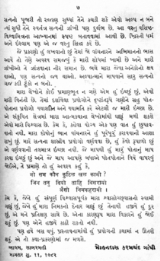
The Gujarati script (ગુજરાતી લિપિ Gujǎrātī Lipi), which like all Nāgarī writing systems is strictly speaking an abugida
Abugida
An abugida , also called an alphasyllabary, is a segmental writing system which is based on consonants, and in which vowel notation is obligatory but secondary. This contrasts with an alphabet proper, in which vowels have status equal to consonants, and with an abjad, in which vowel marking is...

 rather than an alphabet
Alphabet
An alphabet is a standardized set of letters basic written symbols or graphemes each of which roughly represents a phoneme in a spoken language, either as it exists now or as it was in the past. There are other systems, such as logographies, in which each character represents a word, morpheme, or...

, is used to write the Gujarati
Gujarati language
Gujarati is an Indo-Aryan language, and part of the greater Indo-European language family...

 and Kutchi
Kutchi language
Kachhi is an Indo-Aryan Language spoken in the Kutch region of the Indian state of Gujarat, with approximately 866,000 speakers...

 languages. It is a variant of Devanāgarī
Devanagari
Devanagari , also called Nagari , is an abugida alphabet of India and Nepal. It is written from left to right, lacks distinct letter cases, and is recognizable by a distinctive horizontal line running along the tops of the letters that links them together. Devanāgarī is the main script used to...

 script differentiated by the loss of the characteristic horizontal line running above the letters and by a small number of modifications in the remaining characters.

With a few additional characters, added for this purpose, the Gujarati script is also often used to write Sanskrit
Sanskrit
Sanskrit is a historical Indo-Aryan language, one of the liturgical languages of Hinduism and Buddhism, and one of the 22 official languages of India. It is also declared as a classical language by the government of India....

.

Gujarati numerical digit
Numerical digit
In mathematics and computer science, a digit is a symbol used in numerals , to represent numbers, in positional numeral systems...

s are also different from their Devanagari counterparts.

Gujarati script is descended from Brahmi and is part of the Brahmic family
Brahmic family
The Brahmic family is a family of abugidas used in South Asia, Southeast Asia, and parts of Central Asia and East Asia, descended from the Brāhmī script.The individual writing systems may be called Brahmic scripts or Indic scripts....

.

The Gujarātī script was adapted from the Devanāgarī script to write the Gujarātī language.
Discussion
Ask a question about 'Gujarati script'
Start a new discussion about 'Gujarati script'
Answer questions from other users
Full Discussion Forum
 
Encyclopedia
The Gujarati script (ગુજરાતી લિપિ Gujǎrātī Lipi), which like all Nāgarī writing systems is strictly speaking an abugida
Abugida
An abugida , also called an alphasyllabary, is a segmental writing system which is based on consonants, and in which vowel notation is obligatory but secondary. This contrasts with an alphabet proper, in which vowels have status equal to consonants, and with an abjad, in which vowel marking is...

 rather than an alphabet
Alphabet
An alphabet is a standardized set of letters basic written symbols or graphemes each of which roughly represents a phoneme in a spoken language, either as it exists now or as it was in the past. There are other systems, such as logographies, in which each character represents a word, morpheme, or...

, is used to write the Gujarati
Gujarati language
Gujarati is an Indo-Aryan language, and part of the greater Indo-European language family...

 and Kutchi
Kutchi language
Kachhi is an Indo-Aryan Language spoken in the Kutch region of the Indian state of Gujarat, with approximately 866,000 speakers...

 languages. It is a variant of Devanāgarī
Devanagari
Devanagari , also called Nagari , is an abugida alphabet of India and Nepal. It is written from left to right, lacks distinct letter cases, and is recognizable by a distinctive horizontal line running along the tops of the letters that links them together. Devanāgarī is the main script used to...

 script differentiated by the loss of the characteristic horizontal line running above the letters and by a small number of modifications in the remaining characters.

With a few additional characters, added for this purpose, the Gujarati script is also often used to write Sanskrit
Sanskrit
Sanskrit is a historical Indo-Aryan language, one of the liturgical languages of Hinduism and Buddhism, and one of the 22 official languages of India. It is also declared as a classical language by the government of India....

.

Gujarati numerical digit
Numerical digit
In mathematics and computer science, a digit is a symbol used in numerals , to represent numbers, in positional numeral systems...

s are also different from their Devanagari counterparts.

Origin


Gujarati script is descended from Brahmi and is part of the Brahmic family
Brahmic family
The Brahmic family is a family of abugidas used in South Asia, Southeast Asia, and parts of Central Asia and East Asia, descended from the Brāhmī script.The individual writing systems may be called Brahmic scripts or Indic scripts....

.

The Gujarātī script was adapted from the Devanāgarī script to write the Gujarātī language. The earliest known document in the Gujarātī script is a handwritten manuscript dating from 1592, and the script first appeared in print in a 1797 advertisement. Until the 19th century it was used mainly for writing letters and keeping accounts, while the Devanāgarī script was used for literature and academic writings. It is also known as the śarāphī (banker's), vāṇiāśāī (merchant's) or mahājanī (trader's) script.

Overview


The Gujarati writing system is an abugida
Abugida
An abugida , also called an alphasyllabary, is a segmental writing system which is based on consonants, and in which vowel notation is obligatory but secondary. This contrasts with an alphabet proper, in which vowels have status equal to consonants, and with an abjad, in which vowel marking is...

, in which each base consonantal character possesses an inherent vowel, that vowel being a [ə]. For postconsonantal vowels other than a, the consonant is applied with diacritic
Diacritic
A diacritic is an ancillary glyph added to a letter, or basic glyph. The term derives from the Greek διακριτικός . Diacritic is both an adjective and a noun, whereas diacritical is only an adjective...

s, while for non-postconsonantal vowels (initial and post-vocalic positions), there are full-formed characters. With a being the most frequent vowel, this is a convenient system in the sense that it cuts down on the width of writing.

Following out of the aforementioned property, consonants lacking a proceeding vowel may condense into the proceeding consonant, forming compound or conjunct letters. The formation of these conjuncts follows a system of rules depending on the consonants involved.

In accordance with all the other Indic scripts, Gujarati is written from left to right, and is not case-sensitive.

The Gujarati script is basically phonemic
Phoneme
In a language or dialect, a phoneme is the smallest segmental unit of sound employed to form meaningful contrasts between utterances....

, with a few exceptions. First out of these is the written representation of non-pronounced as, which are of three types.
  • Word-final as. Thus ઘર "house" is pronounced ghar and not ghara. The as remain unpronounced before postpositions and before other words in compounds: ઘરપર "on the house" is gharpar and not gharapar; ઘરકામ "housework" is gharkām and not gharakām. This non-pronunciation is not always the case with conjunct characters: મિત્ર "friend" is truly mitra.
  • Naturally elided
    Elision
    Elision is the omission of one or more sounds in a word or phrase, producing a result that is easier for the speaker to pronounce. Sometimes, sounds may be elided for euphonic effect....

     as through the combination of morphemes. The root પકડ pakaṛ "hold" when inflected as પકડે "holds" remains written as pakaṛe even though pronounced as pakṛe. See Gujarati phonology#.C9.99-deletion.
  • as whose non-pronunciation follows the above rule, but which are in single words not resultant of any actual combination. Thus વરસાદ "rain", written as varasād but pronounced as varsād.


Secondly and most importantly, being of Sanskrit-based Devanagari, Gujarati's script retains notations for the obsolete (short i, u vs. long ī, ū; , ru; ś, ), and lacks notations for innovations (/e/ vs. /ɛ/; /o/ vs. /ɔ/; clear vs. murmured
Breathy voice
Breathy voice is a phonation in which the vocal cords vibrate, as they do in normal voicing, but are held further apart, so that a larger volume of air escapes between them. This produces an audible noise...

 vowels).

Contemporary Gujarati uses Europe
Europe
Europe is, by convention, one of the world's seven continents. Comprising the westernmost peninsula of Eurasia, Europe is generally divided from Asia to its east by the water divide of the Ural Mountains, the Ural River, the Caspian Sea, the Caucasus Mountains , and the Black Sea to the southeast...

an punctuation
Punctuation
Punctuation is everything in written language other than the actual letters or numbers, white space, and indentation.Punctuation marks are symbols that correspond to neither phonemes of a language nor to lexemes , but which serve to indicate the structure and organization of writing, as well as...

, such as the question mark
Question mark
The question mark , also known as an interrogation point, interrogation mark, question point, query, or eroteme, is a punctuation mark that replaces the period at the end of an interrogative sentence...

, exclamation mark
Exclamation mark
An exclamation mark or exclamation point is a punctuation mark usually used after an interjection or exclamation to indicate strong feelings or high volume, and often marks the end of a sentence.-History:...

, comma
Comma
A comma is a type of punctuation mark .Comma may also refer to:* Comma , a type of interval in music theory* Comma , a species of butterfly* Comma , a short clause in Greek rhetoric...

, and full stop
Full stop
A full stop or period is the punctuation mark commonly placed at the end of several different types of sentences in English and many other languages...

. Apostrophe
Apostrophe
The apostrophe is a punctuation mark, and sometimes a diacritic mark, in languages that use the Latin alphabet or certain other alphabets. In English it has two main functions: it marks omissions, and it assists in marking the possessives of nouns and some pronouns...

s are used for the rare(ly written) clitic
Clitic
In morphology, a clitic is a grammatically independent and phonologically dependent morpheme. It is pronounced like an affix, but works at the phrase level...

. Quotation mark
Quotation mark
Quotation marks or inverted commas are punctuation marks used in pairs to set off speech, a quotation, a phrase, or a word...

s are not as often used for direct quotes. The full stop replaced the traditional vertical bar
Vertical bar
The vertical bar has various names including the pipe , verti-bar, vbar, stick, vertical line, vertical slash, think colon, or divider line by others...

, and the colon
Colon (punctuation)
The colon is a punctuation mark, consisting of two equally sized dots centered on the same vertical line.-Usage:As with many other punctuation marks, the usage of colon varies among languages and, for a given language, among historical periods...

, mostly obsolete in its Sanskritic capacity (see below), follows the European usage.

Vowels


Vowels (svara), in their conventional order, are historically grouped into "short" (hrasva) and "long" (dīrgha) classes, based on the "light" (laghu) and "heavy" (guru) syllables they create in traditional verse. The historical long vowels ī and ū are no longer distinctively long in pronunciation. Only in verse do syllables containing them assume the values required by meter.

Finally, a practice of using inverted mātras to represent English
English language
English is a West Germanic language that developed in England during the Anglo-Saxon era. As a result of the military, economic, scientific, political, and cultural influence of the British Empire during the 18th, 19th, and early 20th centuries, and of the United States since the mid 20th century,...

 [æ] and [ɔ]'s has gained ground.
Independent Diacritic Diacritic of ક Rom.
Romanization
In linguistics, romanization or latinization, alternately spelt as latinisation or romanisation , is the representation of a written word or spoken speech with the Roman alphabet, or a system for doing so, where the original word or language uses a different writing system...

IPA Name of diacritic
a
કા ā kāno
િ કિ i hrasva-ajju
કી ī dīrgha-ajju
કુ u hrasva-varaṛũ
કૂ ū dīrgha-varaṛũ
કૃ
કે ek mātra
કૈ ai be mātra
કો kāno ek mātra
કૌ au kāno be mātra
કૅ â
કૉ ô


r, જ j and હ h form the irregular forms of રૂ , જી and હૃ hṛ.

Consonants


Consonants (vyañjana) are grouped in accordance with the traditional, linguistically-based Sanskrit
Sanskrit
Sanskrit is a historical Indo-Aryan language, one of the liturgical languages of Hinduism and Buddhism, and one of the 22 official languages of India. It is also declared as a classical language by the government of India....

 scheme of arrangement, which considers the usage and position of the tongue during their pronunciation
Pronunciation
"Pronunciation" refers to the way a word or a language is spoken, or the manner in which someone utters a word. If someone is said to have "correct pronunciation," then it refers to both within a particular dialect....

. In sequence, these categories are: velar
Velar consonant
Velars are consonants articulated with the back part of the tongue against the soft palate, the back part of the roof of the mouth, known also as the velum)....

, palatal, retroflex, dental
Dental consonant
In linguistics, a dental consonant or dental is a consonant that is articulated with the tongue against the upper teeth, such as , , , and in some languages...

, labial
Labial consonant
Labials are consonants articulated either with both lips or with the lower lip and the upper teeth...

, sonorant
Sonorant
In phonetics and phonology, a sonorant is a speech sound that is produced without turbulent airflow in the vocal tract. Essentially this means a sound that's "squeezed out" or "spat out" is not a sonorant. For example, vowels are sonorants, as are consonants like and . Other consonants, like or...

 and fricative. Among the first five groups, which contain the stop
Stop consonant
A stop, plosive, or occlusive is a consonant sound produced by stopping the airflow in the vocal tract. The terms plosive and stop are usually used interchangeably, but they are not perfect synonyms. Plosives are oral stops with a pulmonic egressive airstream mechanism. The term is also used to...

s, the ordering starts with the unaspirated
Aspiration (phonetics)
In phonetics, aspiration is the strong burst of air that accompanies either the release or, in the case of preaspiration, the closure of some obstruents. To feel or see the difference between aspirated and unaspirated sounds, one can put a hand or a lit candle in front of one's mouth, and say tore ...

 voiceless
Voice (phonetics)
Voice or voicing is a term used in phonetics and phonology to characterize speech sounds, with sounds described as either voiceless or voiced. The term, however, is used to refer to two separate concepts. Voicing can refer to the articulatory process in which the vocal cords vibrate...

, then goes on through aspirated voicless, unaspirated voiced, and aspirated voiced, ending with the nasal
Nasal consonant
A nasal consonant is produced with a lowered velum in the mouth, allowing air to escape freely through the nose. The oral cavity still acts as a resonance chamber for the sound, but the air does not escape through the mouth as it is blocked by the lips or tongue...

.
Plosive
Stop consonant
A stop, plosive, or occlusive is a consonant sound produced by stopping the airflow in the vocal tract. The terms plosive and stop are usually used interchangeably, but they are not perfect synonyms. Plosives are oral stops with a pulmonic egressive airstream mechanism. The term is also used to...

Nasal
Nasal consonant
A nasal consonant is produced with a lowered velum in the mouth, allowing air to escape freely through the nose. The oral cavity still acts as a resonance chamber for the sound, but the air does not escape through the mouth as it is blocked by the lips or tongue...

Sonorant
Sonorant
In phonetics and phonology, a sonorant is a speech sound that is produced without turbulent airflow in the vocal tract. Essentially this means a sound that's "squeezed out" or "spat out" is not a sonorant. For example, vowels are sonorants, as are consonants like and . Other consonants, like or...

Sibilant
Sibilant consonant
A sibilant is a type of fricative or affricate consonant, made by directing a jet of air through a narrow channel in the vocal tract towards the sharp edge of the teeth.-The term:...

Voiceless
Voice (phonetics)
Voice or voicing is a term used in phonetics and phonology to characterize speech sounds, with sounds described as either voiceless or voiced. The term, however, is used to refer to two separate concepts. Voicing can refer to the articulatory process in which the vocal cords vibrate...

Voiced
Unaspirated
Aspiration (phonetics)
In phonetics, aspiration is the strong burst of air that accompanies either the release or, in the case of preaspiration, the closure of some obstruents. To feel or see the difference between aspirated and unaspirated sounds, one can put a hand or a lit candle in front of one's mouth, and say tore ...

Aspirated Unaspirated Aspirated
Velar
Velar consonant
Velars are consonants articulated with the back part of the tongue against the soft palate, the back part of the roof of the mouth, known also as the velum)....

ka kha ga gha
Palatal
Palatal consonant
Palatal consonants are consonants articulated with the body of the tongue raised against the hard palate...

cha chha ja jha ña ya śha
Retroflex
Retroflex consonant
In phonetics, retroflex consonants are consonant sounds used in some languages. The tongue articulates with the roof of the oral cavity behind the alveolar ridge, and may even be curled back to touch the palate: that is, they are articulated in the postalveolar to palatal region of the...

ra
Dental
Dental consonant
In linguistics, a dental consonant or dental is a consonant that is articulated with the tongue against the upper teeth, such as , , , and in some languages...

ta tha da dha na la sa
Labial
Labial consonant
Labials are consonants articulated either with both lips or with the lower lip and the upper teeth...

pa pha ba bha ma va

Guttural
Guttural consonant
Guttural is a term used to describe any of several speech sounds whose primary place of articulation is near the back of the oral cavity. In some definitions this is restricted to pharyngeal consonants, but in others includes some but not all velar and uvular consonants...

ha
Retroflex
ક્ષ kʃə
જ્ઞ jña gnə

  • Letters can take names, by suffixing કાર kār. ર ra is an exception; it's called રેફ reph.
  • Starting with ક ka and ending with જ્ઞ jña, the order goes:
Plosives & Nasals (left to right, top to bottom) → Sonorants & Sibilants (top to bottom, left to right) → Bottom box (top to bottom)
  • The final two are compound characters that happen to be traditionally included in the set. They are indiscriminable as to their original constituents, and they are the same size as a single consonant character.
  • Written (V)hV sets in speech result in murmured V̤(C) sets (see Gujarati phonology#Murmur). Thus (with ǐ = i or ī, and ǔ = u or ū): ha → [ə̤] from /ɦə/; → [a̤] from /ɦa/; ahe → [ɛ̤] from /əɦe/; aho → [ɔ̤] from /əɦo/; ahā → [a̤] from /əɦa/; ahǐ → [ə̤j] from /əɦi/; ahǔ → [ə̤ʋ] from /əɦu/; āhǐ → [a̤j] from /ɑɦi/; āhǔ → [a̤ʋ] from /ɑɦu/; etc.

Non-vowel diacritics

Diacritic Name Function
anusvāra
Anusvara
Anusvara is the diacritic used to mark a type of nasalization used in a number of Indic languages. Depending on the location of the anusvara in the word and the language within which it is used, its exact pronunciation can vary greatly....

Represents vowel nasality
Nasal vowel
A nasal vowel is a vowel that is produced with a lowering of the velum so that air escapes both through nose as well as the mouth. The term stands in opposition to the term "oral vowel" refers to an ordinary vowel without this nasalisation...

 or the nasal stop
Nasal consonant
A nasal consonant is produced with a lowered velum in the mouth, allowing air to escape freely through the nose. The oral cavity still acts as a resonance chamber for the sound, but the air does not escape through the mouth as it is blocked by the lips or tongue...

 homorganic with the following stop.
visarga
Visarga
Visarga is a Sanskrit word meaning "sending forth, discharge". In Sanskrit phonology , is the name of a phone, , written as IAST <>, Harvard-Kyoto , Devanagari <>. Visarga is an allophone of and in pausa...

A silent, rarely used Sanskrit holdover originally representing [h]. Romanized as .
virāma
Virama
Virāma is a generic term for the diacritic in many Brahmic scripts, including Devanagari and East Nagari, that is used to suppress the inherent vowel that otherwise occurs with every consonant letter. The name is Sanskrit for "cessation, termination, end"...

Strikes out a consonant's inherent a.

Digits

0 mīṇḍuṃ
1 ekaṛo
2 bagaṛo
3 tragaṛo
4 chogaṛo
5 pāṃcaṛo
6 chagaṛo
7 sātaṛo
8 āthaṛo
9 navaṛo

Conjuncts


As mentioned, successive consonants lacking a vowel in between them may physically join together as a 'conjunct'. The government of these clusters ranges from widely to narrowly applicable rules, with special exceptions within. While standardized for the most part, there are certain variations in clustering, of which the Unicode used on this page is just one scheme. The rules:
  • 23 out of the 36 consonants contain a vertical right stroke (ખ, ધ, ળ etc.). As first or middle fragments/members of a cluster, they lose that stroke. e.g. ત + વ = ત્વ, ણ + ઢ = ણ્ઢ, થ + થ = થ્થ.
    • ś(a) appears as a different, simple ribbon-shaped fragment preceding વ va, ન na, ચ ca and ર ra. Thus શ્વ śva, શ્ન śna, શ્ચ śca and શ્ર śra. In the first three cases the second member appears to be squished down to accommodate શ's ribbon fragment. In શ્ચ śca we see ચ's Devanagari
      Devanagari
      Devanagari , also called Nagari , is an abugida alphabet of India and Nepal. It is written from left to right, lacks distinct letter cases, and is recognizable by a distinctive horizontal line running along the tops of the letters that links them together. Devanāgarī is the main script used to...

       equivalent of च as the squished-down second member. See the note on ર to understand the formation of શ્ર śra.
  • r(a)
    • as a first member it takes the form of a curved upward dash above the final character or its kāno. e.g. ર્વ rva, ર્વા rvā, ર્સ્પ rspa, ર્સ્પા rspā.
    • as a final member
      • with ટ, ઠ, ડ, ઢ and દ, it is two lines below the character, pointed downwards and apart. Thus ટ્ર, ઠ્ર, ડ્ર, ઢ્ર and દ્ર.
      • elsewhere it is a diagonal stroke jutting leftwards and down. e.g. ક્ર, ગ્ર, ભ્ર. ત ta is shifted up to make ત્ર tra.
  • Vertical combination of geminates ṭṭa, ṭhṭha, ḍḍa and ḍhḍha: ટ્ટ, ઠ્ઠ, ડ્ડ, ઢ્ઢ. Also, ટ્ઠ ṭṭha and ડ્ઢ ḍḍha.
  • As first shown with શ્ચ śca, while Gujarati is a separate script with its own novel characters, for compounds it will often use the Devanagari versions.
    • d(a) as द preceding ગ ga, ઘ gha, ધ dha, બ ba (as ब), ભ bha, વ va, મ ma and ર ra. The first six second members are shrunken and hang at an angle off the bottom left corner of the preceding દ/द. Thus દ્ગ dga, દ્ઘ dgha, દ્ધ ddha, દ્બ dba, દ્ભ dbha, દ્વ dva, દ્મ dma and દ્ર dra.
    • h(a) as ह preceding ન na, મ ma, ય ya, ર ra, વ va and ઋ . Thus હ્ન hna, હ્મ hma, હ્ય hya, હ્ર hra, હ્વ hva and હૃ hṛ.
    • when ઙ ṅa and ઞ ña are first members we get second members of ક ka as क, ચ ca as च and જ ja as ज. ઙ forms compounds through vertical combination. ઞ's strokeless fragment connects to the stroke of the second member, jutting upwards while pushing the second member down. Thus ઙ્ક ṅka, ઙ્ગ ṅga, ઙ્ઘ ṅgha, ઙ્ક્ષ ṅkṣa, ઞ્ચ ñca and ઞ્જ ñja.
  • The remaining vertical stroke-less characters join by squeezing close together. e.g. ક્ય kya, જ્જ jja.
  • Outstanding special forms: ન્ન nna, ત્ત tta, દ્દ dda and દ્ય dya.


The role and nature of Sanskrit
Sanskrit
Sanskrit is a historical Indo-Aryan language, one of the liturgical languages of Hinduism and Buddhism, and one of the 22 official languages of India. It is also declared as a classical language by the government of India....

 must be taken into consider to understand the occurrence of consonant clusters. The orthography
Orthography
The orthography of a language specifies the correct way of using a specific writing system to write the language. Where more than one writing system is used for a language, for example for Kurdish, there can be more than one orthography. Orthography is derived from Greek ὀρθός orthós and γράφειν...

 of written Sanskrit was completely phonetic, and had a tradition of not separating words by spaces. Morphologically
Morphology (linguistics)
Morphology is the identification, analysis and description of the structure of words . While words are generally accepted as being the smallest units of syntax, it is clear that in most languages, words can be related to other words by rules...

 it was highly synthetic
Synthetic language
A synthetic language, in linguistic typology, is a language with a high morpheme-per-word ratio. This linguistic classification is largely independent of morpheme-usage classifications , although there is a common tendency for agglutinative languages to exhibit synthetic properties.-Synthetic and...

, and it had a great capacity to form large compound words. Thus clustering was highly frequent, and it is Sanskrit loanwords to the Gujarati language that are the grounds of most clusters. Gujarati, on the other hand, is more analytic, has phonetically smaller, simpler words, and has a script whose orthography is slightly imperfect (a-elision) and separates words by spaces. Thus evolved Gujarati words are less a cause for clusters. The same can be said of Gujarati's other longstanding source of words, Persian
Persian language
Persian is an Iranian language within the Indo-Iranian branch of the Indo-European languages. It is widely spoken in Iran, Afghanistan, Tajikistan, Uzbekistan and to some extent in Iraq and Bahrain, and has a status of official language in the first three countries under different names...

, which also provides phonetically smaller and simpler words.

An example attesting to this general theme is that of the series of d- clusters. These are essentially Sanskrit clusters, using the original Devanagari forms. There are no cluster forms for formations such as dta, dka, etc. because such formations weren't permitted in Sanskrit phonology anyway. They are permitted under Gujarati phonology
Gujarati phonology
Gujarati phonology is the study of the inventory and patterns of the consonants, vowels, and prosody of the Gujarati language.-Vowels:*Sanskrit's phonemic vowel length has been lost...

, but are written unclustered (પાદતું pādtuṃ "farting", કૂદકો kūdko "leap"), with patterns such as a-elision at work instead.

Biconsonantal conjuncts

ક્ષ જ્ઞ
ક્ક ક્ખ ક્ગ ક્ઘ ક્ઙ ક્ચ ક્છ ક્જ ક્ઝ ક્ઞ ક્ય ક્શ ક્ટ ક્ઠ ક્ડ ક્ઢ ક્ણ ક્ર ક્ષ ક્ત ક્થ ક્દ ક્ધ ક્ન ક્લ ક્સ ક્પ ક્ફ ક્બ ક્ભ ક્મ ક્વ ક્હ ક્ળ ક્ક્ષ ક્જ્ઞ
ખ્ક ખ્ખ ખ્ગ ખ્ઘ ખ્ઙ ખ્ચ ખ્છ ખ્જ ખ્ઝ ખ્ઞ ખ્ય ખ્શ ખ્ટ ખ્ઠ ખ્ડ ખ્ઢ ખ્ણ ખ્ર ખ્ષ ખ્ત ખ્થ ખ્દ ખ્ધ ખ્ન ખ્લ ખ્સ ખ્પ ખ્ફ ખ્બ ખ્ભ ખ્મ ખ્વ ખ્હ ખ્ળ ખ્ક્ષ ખ્જ્ઞ
ગ્ક ગ્ખ ગ્ગ ગ્ઘ ગ્ઙ ગ્ચ ગ્છ ગ્જ ગ્ઝ ગ્ઞ ગ્ય ગ્શ ગ્ટ ગ્ઠ ગ્ડ ગ્ઢ ગ્ણ ગ્ર ગ્ષ ગ્ત ગ્થ ગ્દ ગ્ધ ગ્ન ગ્લ ગ્સ ગ્પ ગ્ફ ગ્બ ગ્ભ ગ્મ ગ્વ ગ્હ ગ્ળ ગ્ક્ષ ગ્જ્ઞ
ઘ્ક ઘ્ખ ઘ્ગ ઘ્ઘ ઘ્ઙ ઘ્ચ ઘ્છ ઘ્જ ઘ્ઝ ઘ્ઞ ઘ્ય ઘ્શ ઘ્ટ ઘ્ઠ ઘ્ડ ઘ્ઢ ઘ્ણ ઘ્ર ઘ્ષ ઘ્ત ઘ્થ ઘ્દ ઘ્ધ ઘ્ન ઘ્લ ઘ્સ ઘ્પ ઘ્ફ ઘ્બ ઘ્ભ ઘ્મ ઘ્વ ઘ્હ ઘ્ળ ઘ્ક્ષ ઘ્જ્ઞ
ઙ્ક ઙ્ખ ઙ્ગ ઙ્ઘ ઙ્ઙ ઙ્ચ ઙ્છ ઙ્જ ઙ્ઝ ઙ્ઞ ઙ્ય ઙ્શ ઙ્ટ ઙ્ઠ ઙ્ડ ઙ્ઢ ઙ્ણ ઙ્ર ઙ્ષ ઙ્ત ઙ્થ ઙ્દ ઙ્ધ ઙ્ન ઙ્લ ઙ્સ ઙ્પ ઙ્ફ ઙ્બ ઙ્ભ ઙ્મ ઙ્વ ઙ્હ ઙ્ળ ઙ્ક્ષ ઙ્જ્ઞ
ચ્ક ચ્ખ ચ્ગ ચ્ઘ ચ્ઙ ચ્ચ ચ્છ ચ્જ ચ્ઝ ચ્ઞ ચ્ય ચ્શ ચ્ટ ચ્ઠ ચ્ડ ચ્ઢ ચ્ણ ચ્ર ચ્ષ ચ્ત ચ્થ ચ્દ ચ્ધ ચ્ન ચ્લ ચ્સ ચ્પ ચ્ફ ચ્બ ચ્ભ ચ્મ ચ્વ ચ્હ ચ્ળ ચ્ક્ષ ચ્જ્ઞ
છ્ક છ્ખ છ્ગ છ્ઘ છ્ઙ છ્ચ છ્છ છ્જ છ્ઝ છ્ઞ છ્ય છ્શ છ્ટ છ્ઠ છ્ડ છ્ઢ છ્ણ છ્ર છ્ષ છ્ત છ્થ છ્દ છ્ધ છ્ન છ્લ છ્સ છ્પ છ્ફ છ્બ છ્ભ છ્મ છ્વ છ્હ છ્ળ છ્ક્ષ છ્જ્ઞ
જ્ક જ્ખ જ્ગ જ્ઘ જ્ઙ જ્ચ જ્છ જ્જ જ્ઝ જ્ઞ જ્ય જ્શ જ્ટ જ્ઠ જ્ડ જ્ઢ જ્ણ જ્ર જ્ષ જ્ત જ્થ જ્દ જ્ધ જ્ન જ્લ જ્સ જ્પ જ્ફ જ્બ જ્ભ જ્મ જ્વ જ્હ જ્ળ જ્ક્ષ જ્જ્ઞ
ઝ્ક ઝ્ખ ઝ્ગ ઝ્ઘ ઝ્ઙ ઝ્ચ ઝ્છ ઝ્જ ઝ્ઝ ઝ્ઞ ઝ્ય ઝ્શ ઝ્ટ ઝ્ઠ ઝ્ડ ઝ્ઢ ઝ્ણ ઝ્ર ઝ્ષ ઝ્ત ઝ્થ ઝ્દ ઝ્ધ ઝ્ન ઝ્લ ઝ્સ ઝ્પ ઝ્ફ ઝ્બ ઝ્ભ ઝ્મ ઝ્વ ઝ્હ ઝ્ળ ઝ્ક્ષ ઝ્જ્ઞ
ઞ્ક ઞ્ખ ઞ્ગ ઞ્ઘ ઞ્ઙ ઞ્ચ ઞ્છ ઞ્જ ઞ્ઝ ઞ્ઞ ઞ્ય ઞ્શ ઞ્ટ ઞ્ઠ ઞ્ડ ઞ્ઢ ઞ્ણ ઞ્ર ઞ્ષ ઞ્ત ઞ્થ ઞ્દ ઞ્ધ ઞ્ન ઞ્લ ઞ્સ ઞ્પ ઞ્ફ ઞ્બ ઞ્ભ ઞ્મ ઞ્વ ઞ્હ ઞ્ળ ઞ્ક્ષ ઞ્જ્ઞ
ય્ક ય્ખ ય્ગ ય્ઘ ય્ઙ ય્ચ ય્છ ય્જ ય્ઝ ય્ઞ ય્ય ય્શ ય્ટ ય્ઠ ય્ડ ય્ઢ ય્ણ ય્ર ય્ષ ય્ત ય્થ ય્દ ય્ધ ય્ન ય્લ ય્સ ય્પ ય્ફ ય્બ ય્ભ ય્મ ય્વ ય્હ ય્ળ ય્ક્ષ ય્જ્ઞ
શ્ક શ્ખ શ્ગ શ્ઘ શ્ઙ શ્ચ શ્છ શ્જ શ્ઝ શ્ઞ શ્ય શ્શ શ્ટ શ્ઠ શ્ડ શ્ઢ શ્ણ શ્ર શ્ષ શ્ત શ્થ શ્દ શ્ધ શ્ન શ્લ શ્સ શ્પ શ્ફ શ્બ શ્ભ શ્મ શ્વ શ્હ શ્ળ શ્ક્ષ શ્જ્ઞ
ટ્ક ટ્ખ ટ્ગ ટ્ઘ ટ્ઙ ટ્ચ ટ્છ ટ્જ ટ્ઝ ટ્ઞ ટ્ય ટ્શ ટ્ટ ટ્ઠ ટ્ડ ટ્ઢ ટ્ણ ટ્ર ટ્ષ ટ્ત ટ્થ ટ્દ ટ્ધ ટ્ન ટ્લ ટ્સ ટ્પ ટ્ફ ટ્બ ટ્ભ ટ્મ ટ્વ ટ્હ ટ્ળ ટ્ક્ષ ટ્જ્ઞ
ઠ્ક ઠ્ખ ઠ્ગ ઠ્ઘ ઠ્ઙ ઠ્ચ ઠ્છ ઠ્જ ઠ્ઝ ઠ્ઞ ઠ્ય ઠ્શ ઠ્ટ ઠ્ઠ ઠ્ડ ઠ્ઢ ઠ્ણ ઠ્ર ઠ્ષ ઠ્ત ઠ્થ ઠ્દ ઠ્ધ ઠ્ન ઠ્લ ઠ્સ ઠ્પ ઠ્ફ ઠ્બ ઠ્ભ ઠ્મ ઠ્વ ઠ્હ ઠ્ળ ઠ્ક્ષ ઠ્જ્ઞ
ડ્ક ડ્ખ ડ્ગ ડ્ઘ ડ્ઙ ડ્ચ ડ્છ ડ્જ ડ્ઝ ડ્ઞ ડ્ય ડ્શ ડ્ટ ડ્ઠ ડ્ડ ડ્ઢ ડ્ણ ડ્ર ડ્ષ ડ્ત ડ્થ ડ્દ ડ્ધ ડ્ન ડ્લ ડ્સ ડ્પ ડ્ફ ડ્બ ડ્ભ ડ્મ ડ્વ ડ્હ ડ્ળ ડ્ક્ષ ડ્જ્ઞ
ઢ્ક ઢ્ખ ઢ્ગ ઢ્ઘ ઢ્ઙ ઢ્ચ ઢ્છ ઢ્જ ઢ્ઝ ઢ્ઞ ઢ્ય ઢ્શ ઢ્ટ ઢ્ઠ ઢ્ડ ઢ્ઢ ઢ્ણ ઢ્ર ઢ્ષ ઢ્ત ઢ્થ ઢ્દ ઢ્ધ ઢ્ન ઢ્લ ઢ્સ ઢ્પ ઢ્ફ ઢ્બ ઢ્ભ ઢ્મ ઢ્વ ઢ્હ ઢ્ળ ઢ્ક્ષ ઢ્જ્ઞ
ણ્ક ણ્ખ ણ્ગ ણ્ઘ ણ્ઙ ણ્ચ ણ્છ ણ્જ ણ્ઝ ણ્ઞ ણ્ય ણ્શ ણ્ટ ણ્ઠ ણ્ડ ણ્ઢ ણ્ણ ણ્ર ણ્ષ ણ્ત ણ્થ ણ્દ ણ્ધ ણ્ન ણ્લ ણ્સ ણ્પ ણ્ફ ણ્બ ણ્ભ ણ્મ ણ્વ ણ્હ ણ્ળ ણ્ક્ષ ણ્જ્ઞ
ર્ક ર્ખ ર્ગ ર્ઘ ર્ઙ ર્ચ ર્છ ર્જ ર્ઝ ર્ઞ ર્ય ર્શ ર્ટ ર્ઠ ર્ડ ર્ઢ ર્ણ ર્ર ર્ષ ર્ત ર્થ ર્દ ર્ધ ર્ન ર્લ ર્સ ર્પ ર્ફ ર્બ ર્ભ ર્મ ર્વ ર્હ ર્ળ ર્ક્ષ ર્જ્ઞ
ષ્ક ષ્ખ ષ્ગ ષ્ઘ ષ્ઙ ષ્ચ ષ્છ ષ્જ ષ્ઝ ષ્ઞ ષ્ય ષ્શ ષ્ટ ષ્ઠ ષ્ડ ષ્ઢ ષ્ણ ષ્ર ષ્ષ ષ્ત ષ્થ ષ્દ ષ્ધ ષ્ન ષ્લ ષ્સ ષ્પ ષ્ફ ષ્બ ષ્ભ ષ્મ ષ્વ ષ્હ ષ્ળ ષ્ક્ષ ષ્જ્ઞ
ત્ક ત્ખ ત્ગ ત્ઘ ત્ઙ ત્ચ ત્છ ત્જ ત્ઝ ત્ઞ ત્ય ત્શ ત્ટ ત્ઠ ત્ડ ત્ઢ ત્ણ ત્ર ત્ષ ત્ત ત્થ ત્દ ત્ધ ત્ન ત્લ ત્સ ત્પ ત્ફ ત્બ ત્ભ ત્મ ત્વ ત્હ ત્ળ ત્ક્ષ ત્જ્ઞ
થ્ક થ્ખ થ્ગ થ્ઘ થ્ઙ થ્ચ થ્છ થ્જ થ્ઝ થ્ઞ થ્ય થ્શ થ્ટ થ્ઠ થ્ડ થ્ઢ થ્ણ થ્ર થ્ષ થ્ત થ્થ થ્દ થ્ધ થ્ન થ્લ થ્સ થ્પ થ્ફ થ્બ થ્ભ થ્મ થ્વ થ્હ થ્ળ થ્ક્ષ થ્જ્ઞ
દ્ક દ્ખ દ્ગ દ્ઘ દ્ઙ દ્ચ દ્છ દ્જ દ્ઝ દ્ઞ દ્ય દ્શ દ્ટ દ્ઠ દ્ડ દ્ઢ દ્ણ દ્ર દ્ષ દ્ત દ્થ દ્દ દ્ધ દ્ન દ્લ દ્સ દ્પ દ્ફ દ્બ દ્ભ દ્મ દ્વ દ્હ દ્ળ દ્ક્ષ દ્જ્ઞ
ધ્ક ધ્ખ ધ્ગ ધ્ઘ ધ્ઙ ધ્ચ ધ્છ ધ્જ ધ્ઝ ધ્ઞ ધ્ય ધ્શ ધ્ટ ધ્ઠ ધ્ડ ધ્ઢ ધ્ણ ધ્ર ધ્ષ ધ્ત ધ્થ ધ્દ ધ્ધ ધ્ન ધ્લ ધ્સ ધ્પ ધ્ફ ધ્બ ધ્ભ ધ્મ ધ્વ ધ્હ ધ્ળ ધ્ક્ષ ધ્જ્ઞ
ન્ક ન્ખ ન્ગ ન્ઘ ન્ઙ ન્ચ ન્છ ન્જ ન્ઝ ન્ઞ ન્ય ન્શ ન્ટ ન્ઠ ન્ડ ન્ઢ ન્ણ ન્ર ન્ષ ન્ત ન્થ ન્દ ન્ધ ન્ન ન્લ ન્સ ન્પ ન્ફ ન્બ ન્ભ ન્મ ન્વ ન્હ ન્ળ ન્ક્ષ ન્જ્ઞ
લ્ક લ્ખ લ્ગ લ્ઘ લ્ઙ લ્ચ લ્છ લ્જ લ્ઝ લ્ઞ લ્ય લ્શ લ્ટ લ્ઠ લ્ડ લ્ઢ લ્ણ લ્ર લ્ષ લ્ત લ્થ લ્દ લ્ધ લ્ન લ્લ લ્સ લ્પ લ્ફ લ્બ લ્ભ લ્મ લ્વ લ્હ લ્ળ લ્ક્ષ લ્જ્ઞ
સ્ક સ્ખ સ્ગ સ્ઘ સ્ઙ સ્ચ સ્છ સ્જ સ્ઝ સ્ઞ સ્ય સ્શ સ્ટ સ્ઠ સ્ડ સ્ઢ સ્ણ સ્ર સ્ષ સ્ત સ્થ સ્દ સ્ધ સ્ન સ્લ સ્સ સ્પ સ્ફ સ્બ સ્ભ સ્મ સ્વ સ્હ સ્ળ સ્ક્ષ સ્જ્ઞ
પ્ક પ્ખ પ્ગ પ્ઘ પ્ઙ પ્ચ પ્છ પ્જ પ્ઝ પ્ઞ પ્ય પ્શ પ્ટ પ્ઠ પ્ડ પ્ઢ પ્ણ પ્ર પ્ષ પ્ત પ્થ પ્દ પ્ધ પ્ન પ્લ પ્સ પ્પ પ્ફ પ્બ પ્ભ પ્મ પ્વ પ્હ પ્ળ પ્ક્ષ પ્જ્ઞ
ફ્ક ફ્ખ ફ્ગ ફ્ઘ ફ્ઙ ફ્ચ ફ્છ ફ્જ ફ્ઝ ફ્ઞ ફ્ય ફ્શ ફ્ટ ફ્ઠ ફ્ડ ફ્ઢ ફ્ણ ફ્ર ફ્ષ ફ્ત ફ્થ ફ્દ ફ્ધ ફ્ન ફ્લ ફ્સ ફ્પ ફ્ફ ફ્બ ફ્ભ ફ્મ ફ્વ ફ્હ ફ્ળ ફ્ક્ષ ફ્જ્ઞ
બ્ક બ્ખ બ્ગ બ્ઘ બ્ઙ બ્ચ બ્છ બ્જ બ્ઝ બ્ઞ બ્ય બ્શ બ્ટ બ્ઠ બ્ડ બ્ઢ બ્ણ બ્ર બ્ષ બ્ત બ્થ બ્દ બ્ધ બ્ન બ્લ બ્સ બ્પ બ્ફ બ્બ બ્ભ બ્મ બ્વ બ્હ બ્ળ બ્ક્ષ બ્જ્ઞ
ભ્ક ભ્ખ ભ્ગ ભ્ઘ ભ્ઙ ભ્ચ ભ્છ ભ્જ ભ્ઝ ભ્ઞ ભ્ય ભ્શ ભ્ટ ભ્ઠ ભ્ડ ભ્ઢ ભ્ણ ભ્ર ભ્ષ ભ્ત ભ્થ ભ્દ ભ્ધ ભ્ન ભ્લ ભ્સ ભ્પ ભ્ફ ભ્બ ભ્ભ ભ્મ ભ્વ ભ્હ ભ્ળ ભ્ક્ષ ભ્જ્ઞ
મ્ક મ્ખ મ્ગ મ્ઘ મ્ઙ મ્ચ મ્છ મ્જ મ્ઝ મ્ઞ મ્ય મ્શ મ્ટ મ્ઠ મ્ડ મ્ઢ મ્ણ મ્ર મ્ષ મ્ત મ્થ મ્દ મ્ધ મ્ન મ્લ મ્સ મ્પ મ્ફ મ્બ મ્ભ મ્મ મ્વ મ્હ મ્ળ મ્ક્ષ મ્જ્ઞ
વ્ક વ્ખ વ્ગ વ્ઘ વ્ઙ વ્ચ વ્છ વ્જ વ્ઝ વ્ઞ વ્ય વ્શ વ્ટ વ્ઠ વ્ડ વ્ઢ વ્ણ વ્ર વ્ષ વ્ત વ્થ વ્દ વ્ધ વ્ન વ્લ વ્સ વ્પ વ્ફ વ્બ વ્ભ વ્મ વ્વ વ્હ વ્ળ વ્ક્ષ વ્જ્ઞ
હ્ક હ્ખ હ્ગ હ્ઘ હ્ઙ હ્ચ હ્છ હ્જ હ્ઝ હ્ઞ હ્ય હ્શ હ્ટ હ્ઠ હ્ડ હ્ઢ હ્ણ હ્ર હ્ષ હ્ત હ્થ હ્દ હ્ધ હ્ન હ્લ હ્સ હ્પ હ્ફ હ્બ હ્ભ હ્મ હ્વ હ્હ હ્ળ હ્ક્ષ હ્જ્ઞ
ળ્ક ળ્ખ ળ્ગ ળ્ઘ ળ્ઙ ળ્ચ ળ્છ ળ્જ ળ્ઝ ળ્ઞ ળ્ય ળ્શ ળ્ટ ળ્ઠ ળ્ડ ળ્ઢ ળ્ણ ળ્ર ળ્ષ ળ્ત ળ્થ ળ્દ ળ્ધ ળ્ન ળ્લ ળ્સ ળ્પ ળ્ફ ળ્બ ળ્ભ ળ્મ ળ્વ ળ્હ ળ્ળ ળ્ક્ષ ળ્જ્ઞ
ક્ષ ક્ષ્ક ક્ષ્ખ ક્ષ્ગ ક્ષ્ઘ ક્ષ્ઙ ક્ષ્ચ ક્ષ્છ ક્ષ્જ ક્ષ્ઝ ક્ષ્ઞ ક્ષ્ય ક્ષ્શ ક્ષ્ટ ક્ષ્ઠ ક્ષ્ડ ક્ષ્ઢ ક્ષ્ણ ક્ષ્ર ક્ષ્ષ ક્ષ્ત ક્ષ્થ ક્ષ્દ ક્ષ્ધ ક્ષ્ન ક્ષ્લ ક્ષ્સ ક્ષ્પ ક્ષ્ફ ક્ષ્બ ક્ષ્ભ ક્ષ્મ ક્ષ્વ ક્ષ્હ ક્ષ્ળ ક્ષ્ક્ષ ક્ષ્જ્ઞ
જ્ઞ જ્ઞ્ક જ્ઞ્ખ જ્ઞ્ગ જ્ઞ્ઘ જ્ઞ્ઙ જ્ઞ્ચ જ્ઞ્છ જ્ઞ્જ જ્ઞ્ઝ જ્ઞ્ઞ જ્ઞ્ય જ્ઞ્શ જ્ઞ્ટ જ્ઞ્ઠ જ્ઞ્ડ જ્ઞ્ઢ જ્ઞ્ણ જ્ઞ્ર જ્ઞ્ષ જ્ઞ્ત જ્ઞ્થ જ્ઞ્દ જ્ઞ્ધ જ્ઞ્ન જ્ઞ્લ જ્ઞ્સ જ્ઞ્પ જ્ઞ્ફ જ્ઞ્બ જ્ઞ્ભ જ્ઞ્મ જ્ઞ્વ જ્ઞ્હ જ્ઞ્ળ જ્ઞ્ક્ષ જ્ઞ્જ્ઞ

Romanization


Gujarati is romanized
Romanization
In linguistics, romanization or latinization, alternately spelt as latinisation or romanisation , is the representation of a written word or spoken speech with the Roman alphabet, or a system for doing so, where the original word or language uses a different writing system...

 throughout Wikipedia
Wikipedia
Wikipedia is a free, web-based, collaborative, multilingual encyclopedia project supported by the non-profit Wikimedia Foundation. Its name is a portmanteau of the words wiki and encyclopedia...

 in "standard orientalist
Oriental studies
Oriental studies is the academic field of study that embraces Near Eastern and Far Eastern societies and cultures, languages, peoples, history and archaeology; in recent years the term Asian studies has mostly replaced the older term. European study of the region had primarily religious origins,...

" transcription
Transcription (linguistics)
Transcription is the conversion into written, typewritten or printed form, of a spoken-language source, as in the proceedings of a court hearing. It can also mean the conversion of a written source into another medium, as by scanning books and making digital versions...

as outlined in . Being "primarily a system of transliteration
Transliteration
Transliteration is the practice of converting a text from one writing system into another in a systematic way.-Definitions:From an information-theoretical point of view, transliteration is a mapping from one system of writing into another, word by word, or ideally letter by letter...

from the Indian scripts, [and] based in turn upon Sanskrit
Sanskrit
Sanskrit is a historical Indo-Aryan language, one of the liturgical languages of Hinduism and Buddhism, and one of the 22 official languages of India. It is also declared as a classical language by the government of India....

" (cf. IAST
IAST
The International Alphabet of Sanskrit Transliteration is a popular transliteration scheme that allows a lossless romanization of Indic scripts.-Popularity:IAST is the most popular transliteration scheme for romanization of Sanskrit and Pali...

), these are its salient features: subscript dot
Dot
Dot or DOT may refer to:In typography:* Full stop, also called period * Interpunct, between words, or used as notation for multiplication; also called middle dot or centered dot * Decimal point, in numerals Dot or DOT may refer to:In typography:* Full stop, also called period ( . )* Interpunct,...

s for retroflex consonant
Retroflex consonant
In phonetics, retroflex consonants are consonant sounds used in some languages. The tongue articulates with the roof of the oral cavity behind the alveolar ridge, and may even be curled back to touch the palate: that is, they are articulated in the postalveolar to palatal region of the...

s; macron
Macron
A macron, from the Greek , meaning "long", is a diacritic placed above a vowel . It was originally used to mark a long syllable in Græco-Roman metrics, but now also indicates that the vowel is long...

s for etymologically, contrastively long vowels; h denoting aspirated
Aspiration (phonetics)
In phonetics, aspiration is the strong burst of air that accompanies either the release or, in the case of preaspiration, the closure of some obstruents. To feel or see the difference between aspirated and unaspirated sounds, one can put a hand or a lit candle in front of one's mouth, and say tore ...

 stop
Stop consonant
A stop, plosive, or occlusive is a consonant sound produced by stopping the airflow in the vocal tract. The terms plosive and stop are usually used interchangeably, but they are not perfect synonyms. Plosives are oral stops with a pulmonic egressive airstream mechanism. The term is also used to...

s. Tilde
Tilde
The tilde is a grapheme with several uses. The name of the character comes from Spanish, from the Latin titulus meaning a title or superscription, though the term “tilde” has evolved in that language and now has a different meaning in linguistics.It was originally written over a letter as a mark...

s denote nasalized vowels and underlining
Underline
An underline, also called an underscore, is one or more horizontal lines immediately below a portion of writing. Single, and occasionally double , underlining was originally used in hand-written or typewritten documents to emphasise text...

 denotes murmured
Breathy voice
Breathy voice is a phonation in which the vocal cords vibrate, as they do in normal voicing, but are held further apart, so that a larger volume of air escapes between them. This produces an audible noise...

 vowels.

Vowel
Vowel
In phonetics, a vowel is a sound in spoken language, such as English ah! or oh! , pronounced with an open vocal tract so that there is no build-up of air pressure at any point above the glottis. This contrasts with consonants, such as English sh! , where there is a constriction or closure at some...

s and consonant
Consonant
In articulatory phonetics, a consonant is a speech sound that is articulated with complete or partial closure of the upper vocal tract, the upper vocal tract being defined as that part of the vocal tract that lies above the larynx...

s are outlined in the tables below. Hovering the mouse cursor over them will reveal the appropriate IPA symbol. Finally, there are three Wikipedia-specific additions: f is used interchangeably with ph, representing the widespread realization of as ; â and ô for novel characters ઍ and ઑ ; ǎ for 's where elision
Elision
Elision is the omission of one or more sounds in a word or phrase, producing a result that is easier for the speaker to pronounce. Sometimes, sounds may be elided for euphonic effect....

 is uncertain. See Gujarati phonology
Gujarati phonology
Gujarati phonology is the study of the inventory and patterns of the consonants, vowels, and prosody of the Gujarati language.-Vowels:*Sanskrit's phonemic vowel length has been lost...

 for further clarification.
Vowel
Vowel
In phonetics, a vowel is a sound in spoken language, such as English ah! or oh! , pronounced with an open vocal tract so that there is no build-up of air pressure at any point above the glottis. This contrasts with consonants, such as English sh! , where there is a constriction or closure at some...

s
Front
Front vowel
A front vowel is a type of vowel sound used in some spoken languages. The defining characteristic of a front vowel is that the tongue is positioned as far forward as possible in the mouth without creating a constriction that would be classified as a consonant. Front vowels are sometimes also called...

 
Central
Central vowel
A central vowel is a type of vowel sound used in some spoken languages. The defining characteristic of a central vowel is that the tongue is positioned halfway between a front vowel and a back vowel...

 
Back
Back vowel
A back vowel is a type of vowel sound used in some spoken languages. The defining characteristic of a back vowel is that the tongue is positioned as far back as possible in the mouth without creating a constriction that would be classified as a consonant. Back vowels are sometimes also called dark...

Close
Close vowel
A close vowel is a type of vowel sound used in many spoken languages. The defining characteristic of a close vowel is that the tongue is positioned as close as possible to the roof of the mouth without creating a constriction that would be classified as a consonant.This term is prescribed by the...

Mid
Mid vowel
A mid vowel is a vowel sound used in some spoken languages. The defining characteristic of a mid vowel is that the tongue is positioned mid-way between an open vowel and a close vowel...

Open
Open vowel
An open vowel is a vowel sound of a type used in nearly all spoken languages . The defining characteristic of an open vowel is that the tongue is positioned as far as possible from the roof of the mouth. Open vowels are sometimes also called low vowels in reference to the low position of the tongue...

Consonant
Consonant
In articulatory phonetics, a consonant is a speech sound that is articulated with complete or partial closure of the upper vocal tract, the upper vocal tract being defined as that part of the vocal tract that lies above the larynx...

s
Bilabial
Bilabial consonant
In phonetics, a bilabial consonant is a consonant articulated with both lips. The bilabial consonants identified by the International Phonetic Alphabet are:...

Labio-
dental
Labiodental consonant
In phonetics, labiodentals are consonants articulated with the lower lip and the upper teeth. The labiodental consonants identified by the International Phonetic Alphabet are:...

Dental
Dental consonant
In linguistics, a dental consonant or dental is a consonant that is articulated with the tongue against the upper teeth, such as , , , and in some languages...

Alveolar
Alveolar consonant
Alveolar consonants are articulated with the tongue against or close to the superior alveolar ridge, which is called that because it contains the alveoli of the superior teeth...

Retroflex
Retroflex consonant
In phonetics, retroflex consonants are consonant sounds used in some languages. The tongue articulates with the roof of the oral cavity behind the alveolar ridge, and may even be curled back to touch the palate: that is, they are articulated in the postalveolar to palatal region of the...

Post-alv./
Palatal
Palatal consonant
Palatal consonants are consonants articulated with the body of the tongue raised against the hard palate...

Velar
Velar consonant
Velars are consonants articulated with the back part of the tongue against the soft palate, the back part of the roof of the mouth, known also as the velum)....

Glottal
Glottal consonant
Glottal consonants, also called laryngeal consonants, are consonants articulated with the glottis. Many phoneticians consider them, or at least the so-called fricatives, to be transitional states of the glottis without a point of articulation as other consonants have; in fact, some do not consider...

Stop
Stop consonant
A stop, plosive, or occlusive is a consonant sound produced by stopping the airflow in the vocal tract. The terms plosive and stop are usually used interchangeably, but they are not perfect synonyms. Plosives are oral stops with a pulmonic egressive airstream mechanism. The term is also used to...

Affricate
Affricate consonant
Affricates are consonants that begin as stops but release as a fricative rather than directly into the following vowel.- Samples :...

Nasal
Nasal consonant
A nasal consonant is produced with a lowered velum in the mouth, allowing air to escape freely through the nose. The oral cavity still acts as a resonance chamber for the sound, but the air does not escape through the mouth as it is blocked by the lips or tongue...

Fricative Tap or Flap
Flap consonant
In phonetics, a flap or tap is a type of consonantal sound, which is produced with a single contraction of the muscles so that one articulator is thrown against another.-Contrast with stops and trills:...


Approximant Lateral
approximant

Gujarati in Unicode


The Unicode
Unicode
Unicode is a computing industry standard allowing computers to consistently represent and manipulate text expressed in most of the world's writing systems...

 range for Gujarati script is from U+0A80 to U+0AFF. The ISCII
ISCII
Indian Standard Code for Information Interchange is a coding scheme for representing various writing systems of India. It encodes the main Indic scripts and a Roman transliteration. The supported scripts are: Assamese, Bengali, Devanagari, Gujarati, Gurmukhi, Kannada, Malayalam, Oriya, Tamil, and...

 Code-page identifier for Gujarati script is 57010.

The table below shows the glyphs that are implemented in Unicode standard 4.0.0. Gray boxes indicate the code-points that are undefined/unused.
For further details regarding Unicode Code-points and standards, you may refer to Unicode Code-chart — Standard 4.1. For further details regarding how to use Unicode for creating Gujarati script can be found on Wikibooks: b:How to use Unicode in creating Gujarati script.

Inscript keyboard layout


Keyboard and script resources


See also

  • Wikibooks: How to use Unicode in creating Gujarati script
  • Unicode and HTML
    Unicode and HTML
    Web pages authored using hypertext markup language may contain multilingual text represented with the Unicode universal character set....

  • Yudit
    Yudit
    Yudit is a Unicode text editor for the X Window System. It was first released on 1997-11-08. It can do TrueType font rendering, printing, transliterated keyboard input and handwriting recognition with no dependencies on external engines. Its conversion utilities can convert text between various...

     - open source
    Open source
    Open source is an approach to the design, development, and distribution of software, offering practical accessibility to a software's source code. Some consider open source as one of various possible design approaches, while others consider it a critical strategic element of their operations...

     tool for editing in Gujarati and other Unicode scripts.
  • Gujarati course in Wikibooks

External links