

German presidential election, 2009

Encyclopedia
An indirect presidential election was held in Germany
on 23 May 2009. The President of Germany was elected by the Federal Assembly
, which is made up of the members of the Bundestag
and an equal number of members nominated by the state Landtag
s.
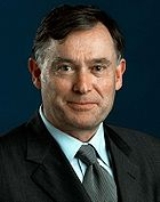
The incumbent Horst Köhler
(supported by CDU
/CSU
and FDP
) stood for reelection and faced Gesine Schwan
(supported by SPD
and Alliance '90/The Greens
).
The Left
(successor of the Party of Democratic Socialism) indicated they might be prepared to support Schwan if the SPD agreed to be open to cooperation with the Left on the federal level, but ultimately decided they would present their own candidate. The party nominated party activist and TV actor Peter Sodann
on 14 October 2008; and it was left undecided whether the party would support Schwan if Sodann was eliminated after the first round of voting.
Frank Rennicke
was nominated as the joint candidate of the NPD
and its sister party the DVU
.
Following the Hesse state elections
in January 2009, which strengthened CDU and FDP, and the Free Voters
' promise to support Köhler, his reelection was seen as likely; however, CDU/CSU, FDP and Free Voters only had a slim majority in the Federal Assembly (50.16%), which made the election very competitive. In the end, Köhler was reelected in the first round of voting by 613 votes, which was exactly the minimum number of votes necessary. His nearest rival's, Social Democrat Gesine Schwan, received 503 votes making a second round unnecessary. It has been seen by some as an important indicator for the federal elections in September.
Germany
Germany , officially the Federal Republic of Germany , is a federal parliamentary republic in Europe. The country consists of 16 states while the capital and largest city is Berlin. Germany covers an area of 357,021 km2 and has a largely temperate seasonal climate...
on 23 May 2009. The President of Germany was elected by the Federal Assembly
Bundesversammlung (Germany)
The Federal Convention is a special body in the institutional system of Germany, convened solely for the purpose of electing the German Federal President , either every five years or within 30 days of a president's resignation, death or removal from office.The Bundesversammlung includes the entire...
, which is made up of the members of the Bundestag
Bundestag
The Bundestag is a federal legislative body in Germany. In practice Germany is governed by a bicameral legislature, of which the Bundestag serves as the lower house and the Bundesrat the upper house. The Bundestag is established by the German Basic Law of 1949, as the successor to the earlier...
and an equal number of members nominated by the state Landtag
Landtag
A Landtag is a representative assembly or parliament in German-speaking countries with some legislative authority.- Name :...
s.
The incumbent Horst Köhler
Horst Köhler
Horst Köhler is a German politician of the Christian Democratic Union. He was President of Germany from 2004 to 2010. As the candidate of the two Christian Democratic sister parties, the CDU and the CSU, and the liberal FDP, Köhler was elected to his first five-year term by the Federal Assembly on...
(supported by CDU
Christian Democratic Union (Germany)
The Christian Democratic Union of Germany is a Christian democratic and conservative political party in Germany. It is regarded as on the centre-right of the German political spectrum...
/CSU
Christian Social Union of Bavaria
The Christian Social Union in Bavaria is a Christian democratic and conservative political party in Germany. It operates only in the state of Bavaria, while its sister party, the Christian Democratic Union , operates in the other 15 states of Germany...
and FDP
Free Democratic Party (Germany)
The Free Democratic Party , abbreviated to FDP, is a centre-right classical liberal political party in Germany. It is led by Philipp Rösler and currently serves as the junior coalition partner to the Union in the German federal government...
) stood for reelection and faced Gesine Schwan
Gesine Schwan
Gesine Schwan is a German political science professor and member of the Social Democratic Party of Germany. The party has nominated her twice as a candidate for the federal presidential elections. On 23 May 2004, she was defeated by the Christian Democrat and former president Horst Köhler...
(supported by SPD
Social Democratic Party of Germany
The Social Democratic Party of Germany is a social-democratic political party in Germany...
and Alliance '90/The Greens
Alliance '90/The Greens
Alliance '90/The Greens is a green political party in Germany, formed from the merger of the German Green Party and Alliance 90 in 1993. Its leaders are Claudia Roth and Cem Özdemir...
).
The Left
The Left (Germany)
The Left , also commonly referred to as the Left Party , is a democratic socialist political party in Germany. The Left is the most left-wing party of the five represented in the Bundestag....
(successor of the Party of Democratic Socialism) indicated they might be prepared to support Schwan if the SPD agreed to be open to cooperation with the Left on the federal level, but ultimately decided they would present their own candidate. The party nominated party activist and TV actor Peter Sodann
Peter Sodann
Peter Sodann is a German actor, director and politician. He was the Left Party's nominee for the 2009 presidential election, but was not considered a serious candidate by the German media.-Early life:...
on 14 October 2008; and it was left undecided whether the party would support Schwan if Sodann was eliminated after the first round of voting.
Frank Rennicke
Frank Rennicke
Frank Rennicke is a German singer-songwriter from Braunschweig in Lower Saxony. He is linked with the far right political scene in Germany, and describes himself as a "national bard"....
was nominated as the joint candidate of the NPD
National Democratic Party of Germany
The National Democratic Party of Germany – The People's Union , is a far right German nationalist party. It was founded in 1964 a successor to the German Reich Party . Party statements self-identify as Germany's "only significant patriotic force"...
and its sister party the DVU
German People's Union
The German People's Union is a nationalist political party in Germany. It was founded by publisher Gerhard Frey as an informal association in 1971 and established as a party in 1987. Financially, it is largely dependent on Frey....
.
Following the Hesse state elections
Hesse state election, 2009
Early state elections for the Landtag of Hesse were held in Hesse on 18 January 2009. The reason for the early elections was the inability of the parties to form a government after the inconclusive 2008 Hessian election.-Issues and background:...
in January 2009, which strengthened CDU and FDP, and the Free Voters
Free Voters
Free Voters is a German concept in which an association of persons participates in an election without having the status of a registered political party. Usually it is a locally organized group of voters in the form of a registered association . In most cases, Free Voters are active only at the...
' promise to support Köhler, his reelection was seen as likely; however, CDU/CSU, FDP and Free Voters only had a slim majority in the Federal Assembly (50.16%), which made the election very competitive. In the end, Köhler was reelected in the first round of voting by 613 votes, which was exactly the minimum number of votes necessary. His nearest rival's, Social Democrat Gesine Schwan, received 503 votes making a second round unnecessary. It has been seen by some as an important indicator for the federal elections in September.
Composition of the electoral assembly
| Party | Seats | % |
|---|---|---|
| CDU/CSU CDU/CSU CDU/CSU, unofficially also referred to as the Union parties or the Union, is the name of the Bundestag parliamentary faction comprising the Christian Democratic Union of Germany and the Christian Social Union of Bavaria , considered to be sister parties... |
497 | 40.6 % |
| SPD Social Democratic Party of Germany The Social Democratic Party of Germany is a social-democratic political party in Germany... |
418 | 34.2 % |
| FDP Free Democratic Party (Germany) The Free Democratic Party , abbreviated to FDP, is a centre-right classical liberal political party in Germany. It is led by Philipp Rösler and currently serves as the junior coalition partner to the Union in the German federal government... |
107 | 8.7 % |
| The Greens Alliance '90/The Greens Alliance '90/The Greens is a green political party in Germany, formed from the merger of the German Green Party and Alliance 90 in 1993. Its leaders are Claudia Roth and Cem Özdemir... |
95 | 7.8 % |
| The Left The Left (Germany) The Left , also commonly referred to as the Left Party , is a democratic socialist political party in Germany. The Left is the most left-wing party of the five represented in the Bundestag.... |
90 | 7.4 % |
| Bavarian Free Voters Free Voters Free Voters is a German concept in which an association of persons participates in an election without having the status of a registered political party. Usually it is a locally organized group of voters in the form of a registered association . In most cases, Free Voters are active only at the... |
10 | 0.8 % |
| NPD National Democratic Party of Germany The National Democratic Party of Germany – The People's Union , is a far right German nationalist party. It was founded in 1964 a successor to the German Reich Party . Party statements self-identify as Germany's "only significant patriotic force"... |
3 | 0.2 % |
| DVU German People's Union The German People's Union is a nationalist political party in Germany. It was founded by publisher Gerhard Frey as an informal association in 1971 and established as a party in 1987. Financially, it is largely dependent on Frey.... |
1 | 0.1 % |
| SSW South Schleswig Voter Federation The South Schleswig Voter Federation is a regional political party in Schleswig-Holstein in northern Germany... |
1 | 0.1 % |
| non-faction Political faction A political faction is a grouping of individuals, such as a political party, a trade union, or other group with a political purpose. A faction or political party may include fragmented sub-factions, “parties within a party," which may be referred to as power blocs, or voting blocs. The individuals... members of the Bundestag Bundestag The Bundestag is a federal legislative body in Germany. In practice Germany is governed by a bicameral legislature, of which the Bundestag serves as the lower house and the Bundesrat the upper house. The Bundestag is established by the German Basic Law of 1949, as the successor to the earlier... |
2 | 0.2 % |
| 1,224 |
Results
| Candidates | Votes | % | Parties |
|---|---|---|---|
| Horst Köhler Horst Köhler Horst Köhler is a German politician of the Christian Democratic Union. He was President of Germany from 2004 to 2010. As the candidate of the two Christian Democratic sister parties, the CDU and the CSU, and the liberal FDP, Köhler was elected to his first five-year term by the Federal Assembly on... |
613 | 50.08 | CDU/CSU/FDP |
| Gesine Schwan Gesine Schwan Gesine Schwan is a German political science professor and member of the Social Democratic Party of Germany. The party has nominated her twice as a candidate for the federal presidential elections. On 23 May 2004, she was defeated by the Christian Democrat and former president Horst Köhler... |
503 | 41.09 | SPD/The Greens Alliance '90/The Greens Alliance '90/The Greens is a green political party in Germany, formed from the merger of the German Green Party and Alliance 90 in 1993. Its leaders are Claudia Roth and Cem Özdemir... |
| Peter Sodann Peter Sodann Peter Sodann is a German actor, director and politician. He was the Left Party's nominee for the 2009 presidential election, but was not considered a serious candidate by the German media.-Early life:... |
91 | 7.43 | Die Linke |
| Frank Rennicke Frank Rennicke Frank Rennicke is a German singer-songwriter from Braunschweig in Lower Saxony. He is linked with the far right political scene in Germany, and describes himself as a "national bard".... |
4 | 0.33 | NPD/DVU |
| Abstention | 10 | 0.82 | - |
| Invalid | 2 | 0.16 | - |
| Not present | 1 | 0.08 | - |
| Total of cast votes | 1223 | 99.92 | - |
| Total votes | 1224 | 100.00 | - |