

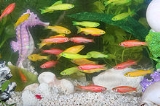
Genetically modified organism

Encyclopedia
Organism
In biology, an organism is any contiguous living system . In at least some form, all organisms are capable of response to stimuli, reproduction, growth and development, and maintenance of homoeostasis as a stable whole.An organism may either be unicellular or, as in the case of humans, comprise...
whose gene
Gene
A gene is a molecular unit of heredity of a living organism. It is a name given to some stretches of DNA and RNA that code for a type of protein or for an RNA chain that has a function in the organism. Living beings depend on genes, as they specify all proteins and functional RNA chains...
tic material has been altered using genetic engineering
Genetic engineering
Genetic engineering, also called genetic modification, is the direct human manipulation of an organism's genome using modern DNA technology. It involves the introduction of foreign DNA or synthetic genes into the organism of interest...
techniques. These techniques, generally known as recombinant DNA
Recombinant DNA
Recombinant DNA molecules are DNA sequences that result from the use of laboratory methods to bring together genetic material from multiple sources, creating sequences that would not otherwise be found in biological organisms...
technology, use DNA molecule
Molecule
A molecule is an electrically neutral group of at least two atoms held together by covalent chemical bonds. Molecules are distinguished from ions by their electrical charge...
s from different sources, which are combined into one molecule to create a new set of gene
Gene
A gene is a molecular unit of heredity of a living organism. It is a name given to some stretches of DNA and RNA that code for a type of protein or for an RNA chain that has a function in the organism. Living beings depend on genes, as they specify all proteins and functional RNA chains...
s. This DNA is then transferred into an organism, giving it modified or novel genes. Transgenic organisms
Transgenesis
thumb|300px|right|A diagram comparing the genetic changes achieved through conventional plant breeding, transgenesis and cisgenesisTransgenesis is the process of introducing an exogenous gene – called a transgene – into a living organism so that the organism will exhibit a new property and transmit...
, a subset of GMOs, are organisms which have inserted DNA that originated in a different species. GMOs are the constituents of genetically modified food
Genetically modified food
Genetically modified foods are foods derived from genetically modified organisms . Genetically modified organisms have had specific changes introduced into their DNA by genetic engineering techniques...
s.
Production
Genetic modification involves the insertion or deletion of genes. When genes are inserted, they usually come from a different species, which is a form of horizontal gene transferHorizontal gene transfer
Horizontal gene transfer , also lateral gene transfer , is any process in which an organism incorporates genetic material from another organism without being the offspring of that organism...
. In nature this can occur when exogenous DNA penetrates the cell membrane
Cell membrane
The cell membrane or plasma membrane is a biological membrane that separates the interior of all cells from the outside environment. The cell membrane is selectively permeable to ions and organic molecules and controls the movement of substances in and out of cells. It basically protects the cell...
for any reason. To do this artificially may require attaching the genes to a virus
Virus
A virus is a small infectious agent that can replicate only inside the living cells of organisms. Viruses infect all types of organisms, from animals and plants to bacteria and archaea...
or just physically inserting the extra DNA into the nucleus of the intended host with a very small syringe, or with very small particles fired from a gene gun
Gene gun
A gene gun or a biolistic particle delivery system, originally designed for plant transformation, is a device for injecting cells with genetic information. The payload is an elemental particle of a heavy metal coated with plasmid DNA...
. However, other methods exploit natural forms of gene transfer, such as the ability of Agrobacterium
Agrobacterium
Agrobacterium is a genus of Gram-negative bacteria established by H. J. Conn that uses horizontal gene transfer to cause tumors in plants. Agrobacterium tumefaciens is the most commonly studied species in this genus...
to transfer genetic material to plants, or the ability of lentivirus
Lentivirus
Lentivirus is a genus of slow viruses of the Retroviridae family, characterized by a long incubation period...
es to transfer genes to animal cells.
History
The general principle of producing a GMO is to add new genetic material into an organism's genomeGenome
In modern molecular biology and genetics, the genome is the entirety of an organism's hereditary information. It is encoded either in DNA or, for many types of virus, in RNA. The genome includes both the genes and the non-coding sequences of the DNA/RNA....
. This is called genetic engineering
Genetic engineering
Genetic engineering, also called genetic modification, is the direct human manipulation of an organism's genome using modern DNA technology. It involves the introduction of foreign DNA or synthetic genes into the organism of interest...
and was made possible through the discovery of DNA
DNA
Deoxyribonucleic acid is a nucleic acid that contains the genetic instructions used in the development and functioning of all known living organisms . The DNA segments that carry this genetic information are called genes, but other DNA sequences have structural purposes, or are involved in...
and the creation of the first recombinant bacteria
Bacteria
Bacteria are a large domain of prokaryotic microorganisms. Typically a few micrometres in length, bacteria have a wide range of shapes, ranging from spheres to rods and spirals...
in 1973; an existing bacterium E. coli
Escherichia coli
Escherichia coli is a Gram-negative, rod-shaped bacterium that is commonly found in the lower intestine of warm-blooded organisms . Most E. coli strains are harmless, but some serotypes can cause serious food poisoning in humans, and are occasionally responsible for product recalls...
expressing an exogenic Salmonella
Salmonella
Salmonella is a genus of rod-shaped, Gram-negative, non-spore-forming, predominantly motile enterobacteria with diameters around 0.7 to 1.5 µm, lengths from 2 to 5 µm, and flagella which grade in all directions . They are chemoorganotrophs, obtaining their energy from oxidation and reduction...
gene. This led to concerns in the scientific community about potential risks from genetic engineering, which were first discussed in depth at the Asilomar Conference
Asilomar Conference on Recombinant DNA
The Asilomar Conference on Recombinant DNA was an influential conference organized by Paul Berg discussing the potential biohazards and regulation of biotechnology held in February 1975 at a conference center Asilomar State Beach...
in 1975. One of the main recommendations from this meeting was that government oversight of recombinant DNA research should be established until the technology was deemed safe. Herbert Boyer
Herbert Boyer
Herbert W. Boyer is a recipient of the 1990 National Medal of Science, co-recipient of the 1996 Lemelson-MIT Prize, and a co-founder of Genentech. He served as Vice President of Genentech from 1976 through his retirement in 1991....
then founded the first company to use recombinant DNA technology, Genentech
Genentech
Genentech Inc., or Genetic Engineering Technology, Inc., is a biotechnology corporation, founded in 1976 by venture capitalist Robert A. Swanson and biochemist Dr. Herbert Boyer. Trailing the founding of Cetus by five years, it was an important step in the evolution of the biotechnology industry...
, and in 1978 the company announced creation of an E. coli strain producing the human protein insulin
Insulin
Insulin is a hormone central to regulating carbohydrate and fat metabolism in the body. Insulin causes cells in the liver, muscle, and fat tissue to take up glucose from the blood, storing it as glycogen in the liver and muscle....
.
In 1986, field tests of bacteria genetically engineered to protect plants from frost damage (ice-minus bacteria
Ice-minus bacteria
Ice-minus bacteria is a common name given to a variant of the common bacterium Pseudomonas syringae . This strain of P. syringae lacks the ability to produce a certain surface protein, usually found on wild-type P. syringae...
) at a small biotechnology company called Advanced Genetic Sciences of Oakland
Oakland, California
Oakland is a major West Coast port city on San Francisco Bay in the U.S. state of California. It is the eighth-largest city in the state with a 2010 population of 390,724...
, California
California
California is a state located on the West Coast of the United States. It is by far the most populous U.S. state, and the third-largest by land area...
, were repeatedly delayed by opponents of biotechnology. In the same year, a proposed field test of a microbe genetically engineered for a pest resistance protein by Monsanto Company was dropped.
In the late 1980s and early 1990s, guidance on assessing the safety of genetically engineered plants and food emerged from organizations including the FAO and WHO.
Small scale experimental plantings of genetically modified (GM) plants began in Canada and the U.S. in the late 1980s. The first approvals for large scale, commercial cultivation came in the mid 1990s. Since that time, adoption of GM plants by farmers has increased annually.
Uses
GMOs are used in biological and medical research, production of pharmaceutical drugs, experimental medicine (e.g. gene therapyGene therapy
Gene therapy is the insertion, alteration, or removal of genes within an individual's cells and biological tissues to treat disease. It is a technique for correcting defective genes that are responsible for disease development...
), and agriculture (e.g. golden rice
Golden rice
Golden rice is a variety of Oryza sativa rice produced through genetic engineering to biosynthesize beta-carotene, a precursor of pro-vitamin A in the edible parts of rice...
). The term "genetically modified organism" does not always imply, but can include, targeted insertions of genes from one species
Species
In biology, a species is one of the basic units of biological classification and a taxonomic rank. A species is often defined as a group of organisms capable of interbreeding and producing fertile offspring. While in many cases this definition is adequate, more precise or differing measures are...
into another. For example, a gene from a jellyfish, encoding a fluorescent
Fluorescence
Fluorescence is the emission of light by a substance that has absorbed light or other electromagnetic radiation of a different wavelength. It is a form of luminescence. In most cases, emitted light has a longer wavelength, and therefore lower energy, than the absorbed radiation...
protein called GFP
Green fluorescent protein
The green fluorescent protein is a protein composed of 238 amino acid residues that exhibits bright green fluorescence when exposed to blue light. Although many other marine organisms have similar green fluorescent proteins, GFP traditionally refers to the protein first isolated from the...
, can be physically linked and thus co-expressed
Gene expression
Gene expression is the process by which information from a gene is used in the synthesis of a functional gene product. These products are often proteins, but in non-protein coding genes such as ribosomal RNA , transfer RNA or small nuclear RNA genes, the product is a functional RNA...
with mammalian genes to identify the location of the protein encoded by the GFP-tagged gene in the mammalian cell. Such methods are useful tools for biologist
Biologist
A biologist is a scientist devoted to and producing results in biology through the study of life. Typically biologists study organisms and their relationship to their environment. Biologists involved in basic research attempt to discover underlying mechanisms that govern how organisms work...
s in many areas of research, including those who study the mechanisms of human and other diseases or fundamental biological processes in eukaryotic
Eukaryote
A eukaryote is an organism whose cells contain complex structures enclosed within membranes. Eukaryotes may more formally be referred to as the taxon Eukarya or Eukaryota. The defining membrane-bound structure that sets eukaryotic cells apart from prokaryotic cells is the nucleus, or nuclear...
or prokaryotic
Prokaryote
The prokaryotes are a group of organisms that lack a cell nucleus , or any other membrane-bound organelles. The organisms that have a cell nucleus are called eukaryotes. Most prokaryotes are unicellular, but a few such as myxobacteria have multicellular stages in their life cycles...
cells.
To date the most controversial but also the most widely adopted application of GMO technology is patent-protected food crops which are resistant to commercial herbicides or are able to produce pesticidal proteins from within the plant, or stacked trait seeds, which do both. The largest share of the GMO crops planted globally are owned by the US firm Monsanto
Monsanto
The Monsanto Company is a US-based multinational agricultural biotechnology corporation. It is the world's leading producer of the herbicide glyphosate, marketed in the "Roundup" brand of herbicides, and in other brands...
. In 2007, Monsanto's trait technologies were planted on 246 million acres (995,527.6 km²) throughout the world, a growth of 13 percent from 2006. However, patents on the first Monsanto products to enter the marketplace will begin to expire in 2014, democratizing Monsanto products. In addition, a 2007 report from the European Joint Research Commission predicts that by 2015, more than 40 per cent of new GM plants entering the global marketplace will have been developed in Asia.
In the corn market, Monsanto's triple-stack corn—which combines Roundup Ready 2 weed control technology with YieldGard Corn Borer and YieldGard Rootworm insect control—is the market leader in the United States. U.S. corn farmers planted more than 32 million acres (129,499.5 km²) of triple-stack corn in 2008, and it is estimated the product could be planted on 56 million acres (226,624.2 km²) in 2014–2015. In the cotton market, Bollgard II with Roundup Ready Flex was planted on approximately 5 million acres (20,234.3 km²) of U.S. cotton in 2008.
According to the International Service for the Acquisition of Agri-Biotech Applications (ISAAA), in 2010 approximately 15 million farmers grew biotech crops in 29 countries. Over 90% of the farmers were resource-poor in developing countries. 6.5 million farmers in China and 6.3 million small farmers in India grew biotech crops (mostly Bacillus thuringiensis
Bacillus thuringiensis
Bacillus thuringiensis is a Gram-positive, soil-dwelling bacterium, commonly used as a biological pesticide; alternatively, the Cry toxin may be extracted and used as a pesticide. B...
cotton). The Philippines, South Africa (biotech cotton, maize and soybeans often grown by subsistence women farmers) and another twelve developing countries also grew biotech crops in 2009. 10 million more small and resource-poor farmers may have been secondary beneficiaries of Bt cotton in China.
The global commercial value of biotech crops grown in 2008 was estimated to be US$130 billion.
In the United States, the United States Department of Agriculture
United States Department of Agriculture
The United States Department of Agriculture is the United States federal executive department responsible for developing and executing U.S. federal government policy on farming, agriculture, and food...
(USDA) reports on the total area of GMO varieties planted. According to National Agricultural Statistics Service
National Agricultural Statistics Service
The National Agricultural Statistics Service or NASS is the statistical branch of the U.S. Department of Agriculture. NASS has 46 field offices throughout the United States and Puerto Rico and a headquarters unit in Washington, D.C....
, the states published in these tables represent 81–86 percent of all corn planted area, 88–90 percent of all soybean planted area, and 81–93 percent of all upland cotton planted area (depending on the year).
USDA does not collect data for global area. Estimates are produced by the International Service for the Acquisition of Agri-biotech Applications (ISAAA) and can be found in the report, "Global Status of Commercialized Transgenic Crops: 2007".
Transgenic animals are also becoming useful commercially. On February 6, 2009 the U.S. Food and Drug Administration approved the first human biological drug produced from such an animal, a goat
Goat
The domestic goat is a subspecies of goat domesticated from the wild goat of southwest Asia and Eastern Europe. The goat is a member of the Bovidae family and is closely related to the sheep as both are in the goat-antelope subfamily Caprinae. There are over three hundred distinct breeds of...
. The drug, ATryn
ATryn
ATryn is the brand name of the anticoagulant antithrombin manufactured by the Massachusetts-based U.S. company GTC Biotherapeutics. It is made from the milk of goats that have been genetically modified to produce human antithrombin, a plasma protein with anticoagulant properties. Microinjection was...
, is an anticoagulant
Anticoagulant
An anticoagulant is a substance that prevents coagulation of blood. A group of pharmaceuticals called anticoagulants can be used in vivo as a medication for thrombotic disorders. Some anticoagulants are used in medical equipment, such as test tubes, blood transfusion bags, and renal dialysis...
which reduces the probability of blood clots during surgery
Surgery
Surgery is an ancient medical specialty that uses operative manual and instrumental techniques on a patient to investigate and/or treat a pathological condition such as disease or injury, or to help improve bodily function or appearance.An act of performing surgery may be called a surgical...
or childbirth
Childbirth
Childbirth is the culmination of a human pregnancy or gestation period with the birth of one or more newborn infants from a woman's uterus...
. It is extracted from the goat's milk.
Detection
Testing on GMOs in food and feed is routinely done by molecular techniques like DNA microarrays or qPCR. The test can be based on screening elements (like p35S, tNos, pat, or bar) or event-specific markers for the official GMOs (like Mon810, Bt11, or GT73).The array-based method combines multiplex
Multiplex (assay)
A multiplex assay is a type of laboratory procedure that simultaneously measures multiple analytes in a single assay. It is distinguished from procedures that measure one or a few analytes at a time...
PCR and array technology to screen samples for different potential GMOs, combining different approaches (screening elements, plant-specific markers, and event-specific markers). The qPCR is used to detect specific GMO events by usage of specific primers
Primer (molecular biology)
A primer is a strand of nucleic acid that serves as a starting point for DNA synthesis. They are required for DNA replication because the enzymes that catalyze this process, DNA polymerases, can only add new nucleotides to an existing strand of DNA...
for screening elements or event-specific markers.
To avoid any kind of false positive or false negative testing outcome, comprehensive controls for every step of the process is mandatory. A CaMV check is important to avoid false positive outcomes based on virus contamination of the sample.
Transgenic microbes
Bacteria were the first organisms to be modified in the laboratory, due to their simple genetics. These organisms are now used for several purposes, and are particularly important in producing large amounts of pure human proteinProtein
Proteins are biochemical compounds consisting of one or more polypeptides typically folded into a globular or fibrous form, facilitating a biological function. A polypeptide is a single linear polymer chain of amino acids bonded together by peptide bonds between the carboxyl and amino groups of...
s for use in medicine.Leader 2008 — Fee required for access to full text.
Genetically modified bacteria
Genetically modified bacteria
Genetically modified bacteria were the first organisms to be modified in the laboratory, due to their simple genetics. These organisms are now used for several purposes, and are particularly important in producing large amounts of pure human proteins for use in medicine.Leader 2008 — Fee required...
are used to produce the protein insulin
Insulin
Insulin is a hormone central to regulating carbohydrate and fat metabolism in the body. Insulin causes cells in the liver, muscle, and fat tissue to take up glucose from the blood, storing it as glycogen in the liver and muscle....
to treat diabetes.Walsh 2005 — Fee required for access to full text. Similar bacteria have been used to produce clotting factors
Coagulation
Coagulation is a complex process by which blood forms clots. It is an important part of hemostasis, the cessation of blood loss from a damaged vessel, wherein a damaged blood vessel wall is covered by a platelet and fibrin-containing clot to stop bleeding and begin repair of the damaged vessel...
to treat haemophilia
Haemophilia
Haemophilia is a group of hereditary genetic disorders that impair the body's ability to control blood clotting or coagulation, which is used to stop bleeding when a blood vessel is broken. Haemophilia A is the most common form of the disorder, present in about 1 in 5,000–10,000 male births...
, and human growth hormone to treat various forms of dwarfism
Dwarfism
Dwarfism is short stature resulting from a medical condition. It is sometimes defined as an adult height of less than 4 feet 10 inches , although this definition is problematic because short stature in itself is not a disorder....
.Bryant 2007 — Fee required for access to full text.
Transgenic animals
Transgenic animals are used as experimental models to perform phenotypicPhenotype
A phenotype is an organism's observable characteristics or traits: such as its morphology, development, biochemical or physiological properties, behavior, and products of behavior...
and for testing in biomedical research.
Genetically Modified (Genetically Engineered) animals are becoming more vital to the discovery and development of cures and treatments for many serious diseases. By altering the DNA or transferring DNA to an animal, we can develop certain proteins that may be used in medical treatment. Stable expressions of human proteins have been developed in many animals, including sheep, pigs, and rats.
Some examples are:
Human-alpha-1-antitrypsin, which has been developed in sheep and is used in treating humans with this deficency and transgenic pigs with human-histo-compatibility have been studied in the hopes that the organs will be suitable for transplant with less chances of rejection. Transgenic livestock have been used as bioreactors since the 1990s. Many medicines, including insulin
Insulin
Insulin is a hormone central to regulating carbohydrate and fat metabolism in the body. Insulin causes cells in the liver, muscle, and fat tissue to take up glucose from the blood, storing it as glycogen in the liver and muscle....
and many immunizations are developed in transgenic animals. In March 2011, the bioactive recombinant Human Lysozyme was expressed in the milk of cloned transgenic cattle.
This field is growing rapidly and new pharming uses are being discovered and developed. The extent that trangenic animals will be useful in the medical field as well as other fields is very promising based on results thus far.
Fruit flies
In biological research, transgenic fruit flies (Drosophila melanogasterDrosophila melanogaster
Drosophila melanogaster is a species of Diptera, or the order of flies, in the family Drosophilidae. The species is known generally as the common fruit fly or vinegar fly. Starting from Charles W...
) are model organism
Model organism
A model organism is a non-human species that is extensively studied to understand particular biological phenomena, with the expectation that discoveries made in the organism model will provide insight into the workings of other organisms. Model organisms are in vivo models and are widely used to...
s used to study the effects of genetic changes on development. Fruit flies are often preferred over other animals due to their short life cycle, low maintenance requirements, and relatively simple genome compared to many vertebrates.
Mosquitoes
In 2010, scientists created "malaria-resistant mosquitoes" in the laboratory. The World Health Organisation estimated that Malaria killed almost one million people in 2008. Genetically modified male mosquitoes containing a lethal gene have been developed in order to combat the spread of Dengue feverDengue fever
Dengue fever , also known as breakbone fever, is an infectious tropical disease caused by the dengue virus. Symptoms include fever, headache, muscle and joint pains, and a characteristic skin rash that is similar to measles...
. Aedes aegypti
Aedes aegypti
The yellow fever mosquito, Aedes aegypti is a mosquito that can spread the dengue fever, Chikungunya and yellow fever viruses, and other diseases. The mosquito can be recognized by white markings on legs and a marking in the form of a lyre on the thorax...
mosquitoes, the single most important carrier of dengue fever, were reduced by 80% in a 2010 trial of these GM mosquitoes in the Cayman Islands. Between 50 - 100 million people are affected by Dengue fever every year and 40,000 people die from it.
Bollworms
A strain of Pectinophora gossypiella (Pink bollwormPink bollworm
The pink bollworm , , is an insect known for being a pest in cotton farming. The adult is a small, thin, gray moth with fringed wings. The larva is a dull white, eight-legged caterpillar with conspicuous pink banding along its dorsum...
) has been developed that contains a fluorescent marker in their DNA. This allows researchers to monitor bollworms that have been sterilized by radiation and released in order to reduce bollworm infestation.
Mammals
Genetically modified mammalGenetically modified mammal
Genetically modified mammals are mammals that have been genetically engineered. They are an important category of genetically modified organisms...
s are an important category of genetically modified organisms. Transgenic mice are often used to study cellular and tissue-specific responses to disease.
In 1999, scientists at the University of Guelph in Ontario, Canada created the genetically engineered Enviropig
Enviropig
The Enviropig is the trademark for a genetically modified line of Yorkshire pigs with the capability to digest plant phosphorus more efficiently than ordinary unmodified pigs that was developed at the University of Guelph. Enviropigs produce the enzyme phytase in the salivary glands that is...
. The Enviropig excretes from 30 to 70.7% less phosphorus in manure depending upon the age and diet. In February 2010, Environment Canada determined that Enviropigs are in compliance with the Canadian Environmental Protection Act and can be produced outside of the research context in controlled facilities where they are segregated from other animals.
In 2009, scientists in Japan
Japan
Japan is an island nation in East Asia. Located in the Pacific Ocean, it lies to the east of the Sea of Japan, China, North Korea, South Korea and Russia, stretching from the Sea of Okhotsk in the north to the East China Sea and Taiwan in the south...
announced that they had successfully transferred a gene into a primate
Primate
A primate is a mammal of the order Primates , which contains prosimians and simians. Primates arose from ancestors that lived in the trees of tropical forests; many primate characteristics represent adaptations to life in this challenging three-dimensional environment...
species (marmoset
Marmoset
Marmosets are the 22 New World monkey species of the genera Callithrix, Cebuella, Callibella, and Mico. All four genera are part of the biological family Callitrichidae. The term marmoset is also used in reference to the Goeldi's Monkey, Callimico goeldii, which is closely related.Most marmosets...
s) and produced a stable line of breeding transgenic primates for the first time. Their first research target for these marmosets was Parkinson's disease
Parkinson's disease
Parkinson's disease is a degenerative disorder of the central nervous system...
, but they were also considering Amyotrophic lateral sclerosis
Amyotrophic lateral sclerosis
Amyotrophic lateral sclerosis , also referred to as Lou Gehrig's disease, is a form of motor neuron disease caused by the degeneration of upper and lower neurons, located in the ventral horn of the spinal cord and the cortical neurons that provide their efferent input...
and Huntington's disease
Huntington's disease
Huntington's disease, chorea, or disorder , is a neurodegenerative genetic disorder that affects muscle coordination and leads to cognitive decline and dementia. It typically becomes noticeable in middle age. HD is the most common genetic cause of abnormal involuntary writhing movements called chorea...
.
In 2011, scientists in China
China
Chinese civilization may refer to:* China for more general discussion of the country.* Chinese culture* Greater China, the transnational community of ethnic Chinese.* History of China* Sinosphere, the area historically affected by Chinese culture...
released news that they have introduced human genes into 300 dairy cows to produce milk with the same properties as human breast milk. Aside from milk production, the researchers claim these transgenic cows to be identical to regular cows.
Cnidarians
Cnidarians such as HydraHydra (genus)
Hydra is a genus of simple fresh-water animal possessing radial symmetry. Hydras are predatory animals belonging to the phylum Cnidaria and the class Hydrozoa. They can be found in most unpolluted fresh-water ponds, lakes, and streams in the temperate and tropical regions and can be found by...
and the sea anemone Nematostella vectensis have become attractive model organism
Model organism
A model organism is a non-human species that is extensively studied to understand particular biological phenomena, with the expectation that discoveries made in the organism model will provide insight into the workings of other organisms. Model organisms are in vivo models and are widely used to...
s to study the evolution
Evolution
Evolution is any change across successive generations in the heritable characteristics of biological populations. Evolutionary processes give rise to diversity at every level of biological organisation, including species, individual organisms and molecules such as DNA and proteins.Life on Earth...
of immunity
Immunity (medical)
Immunity is a biological term that describes a state of having sufficient biological defenses to avoid infection, disease, or other unwanted biological invasion. Immunity involves both specific and non-specific components. The non-specific components act either as barriers or as eliminators of wide...
and certain developmental processes. An important technical breakthrough was the development of procedures for generation of stably transgenic hydras and sea anemones by embryo microinjection
Microinjection
Microinjection refers to the process of using a glass micropipette to insert substances at a microscopic or borderline macroscopic level into a single living cell. It is a simple mechanical process in which a needle roughly 0.5 to 5 micrometers in diameter penetrates the cell membrane and/or the...
.
Fish
Genetically modified fishGenetically modified fish
Genetically modified fish Growth-enhanced" GM fish have promoters driving an over-production of "all fish" growth hormone. This resulted in dramatic growth enhancement in several species, including salmonids,carps and tilapias....
have promoters driving an over-production of "all fish" growth hormone
Growth hormone
Growth hormone is a peptide hormone that stimulates growth, cell reproduction and regeneration in humans and other animals. Growth hormone is a 191-amino acid, single-chain polypeptide that is synthesized, stored, and secreted by the somatotroph cells within the lateral wings of the anterior...
. This resulted in dramatic growth enhancement in several species, including salmonids, carp
Carp
Carp are various species of oily freshwater fish of the family Cyprinidae, a very large group of fish native to Europe and Asia. The cypriniformes are traditionally grouped with the Characiformes, Siluriformes and Gymnotiformes to create the superorder Ostariophysi, since these groups have certain...
s and tilapia
Tilapia
Tilapia , is the common name for nearly a hundred species of cichlid fish from the tilapiine cichlid tribe. Tilapia inhabit a variety of fresh water habitats, including shallow streams, ponds, rivers and lakes. Historically, they have been of major importance in artisan fishing in Africa and the...
s.
Gene therapy
Gene therapyGene therapy
Gene therapy is the insertion, alteration, or removal of genes within an individual's cells and biological tissues to treat disease. It is a technique for correcting defective genes that are responsible for disease development...
, uses genetically modified virus
Genetically modified virus
A genetically modified virus is a virus that has gone through genetic modification for various biomedical purposes.-General usage:Genetic modification involves the insertion or deletion of genes. When genes are inserted, they usually come from a different species, which is a form of horizontal gene...
es to deliver genes that can cure disease into human cells. Although gene therapy is still relatively new, it has had some successes. It has been used to treat genetic disorder
Genetic disorder
A genetic disorder is an illness caused by abnormalities in genes or chromosomes, especially a condition that is present from before birth. Most genetic disorders are quite rare and affect one person in every several thousands or millions....
s such as severe combined immunodeficiency
Severe combined immunodeficiency
Severe combined immunodeficiency , is a genetic disorder in which both "arms" of the adaptive immune system are impaired due to a defect in one of several possible genes. SCID is a severe form of heritable immunodeficiency...
, and treatments are being developed for a range of other currently incurable diseases, such as cystic fibrosis
Cystic fibrosis
Cystic fibrosis is a recessive genetic disease affecting most critically the lungs, and also the pancreas, liver, and intestine...
, sickle cell anemia, Parkinson's disease
Parkinson's disease
Parkinson's disease is a degenerative disorder of the central nervous system...
and muscular dystrophy
Muscular dystrophy
Muscular dystrophy is a group of muscle diseases that weaken the musculoskeletal system and hamper locomotion. Muscular dystrophies are characterized by progressive skeletal muscle weakness, defects in muscle proteins, and the death of muscle cells and tissue.In the 1860s, descriptions of boys who...
. Current gene therapy technology only targets the non-reproductive cells meaning that any changes introduced by the treatment can not be transmitted to the next generation. Gene therapy targeting the reproductive cells—so-called "Germ line Gene Therapy"—is very controversial and is unlikely to be developed in the near future.
Transgenic plants
Glufosinate
Glufosinate or its ammonium salt DL-phosphinothricin is an active ingredient in several nonselective systemic herbicides - Basta, Rely, Finale, Ignite, Challenge and Liberty. It interferes with the biosynthetic pathway of the amino acid glutamine and with ammonia detoxification.Some plants have...
and glyphosate, to be resistant to virus damage as in Ringspot virus-resistant GM papaya, grown in Hawaii, and to produce the Bt toxin
Bacillus thuringiensis
Bacillus thuringiensis is a Gram-positive, soil-dwelling bacterium, commonly used as a biological pesticide; alternatively, the Cry toxin may be extracted and used as a pesticide. B...
, an insecticide that is non-toxic to mammals.
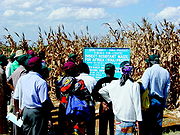
Most GM crops grown today have been modified with "input traits", which provide benefits mainly to farmers. The GM oilseed crops on the market today offer improved oil profiles for processing or healthier edible oils. The GM crops in development offer a wider array of environmental and consumer benefits such as nutritional enhancement, drought and stress tolerance. GM plants are being developed by both private companies and public research institutions such as CIMMYT, the International Maize and Wheat Improvement Centre. Other examples include a genetically modified sweet potato, enhanced with protein and other nutrients, while golden rice
Golden rice
Golden rice is a variety of Oryza sativa rice produced through genetic engineering to biosynthesize beta-carotene, a precursor of pro-vitamin A in the edible parts of rice...
, developed by the International Rice Research Institute
International Rice Research Institute
The International Rice Research Institute is an international NGO. Its headquarters are in Los Baños, Laguna, Philippines, and it has offices in sixteen countries...
(IRRI), has been discussed as a possible cure for Vitamin A deficiency. Scientists at the University of York developed a weed (Arabidopsis thaliana
Arabidopsis thaliana
Arabidopsis thaliana is a small flowering plant native to Europe, Asia, and northwestern Africa. A spring annual with a relatively short life cycle, arabidopsis is popular as a model organism in plant biology and genetics...
) which contained genes from bacteria that can clean up TNT and RDX explosive contaminants from the soil and it was hoped that this weed would eliminate this pollution. 16 million hectares in the USA (1.5% of the total surface) are estimated to be contaminated with TNT and RDX. However the weed Arabidopsis thaliana was not tough enough to withstand the environment on military test grounds and research is continuing with the University of Washington to develop a tougher native grass.
The coexistence of GM plants with conventional and organic crops has raised significant concern in many European countries. Due to relatively high demand from European consumers for the freedom of choice between GM and non-GM foods, EU regulations require measures to avoid mixing of foods and feed produced from GM crops and conventional or organic crops. European research programs such as Co-Extra, Transcontainer, and SIGMEA are investigating appropriate tools and rules. At the field level, biological containment methods include isolation distance and pollen barriers. Such measures are generally not used in North America because they are very costly and there are no safety-related reasons to employ them.
Cisgenic plants
Cisgenesis, sometimes also called Intragenesis, is a product designation for a category of genetically engineered plants. A variety of classification schemes have been proposed, that order genetically modified organisms based on the nature of introduced genotypical changes rather than the process of genetic engineering.While some genetically modified plants are developed by the introduction of a gene originating from distant, sexually incompatible species into the host genome, cisgenic plants contain genes which have been isolated either directly from the host species or from sexually compatible species. The new genes are introduced using recombinant DNA methods and gene transfer. Some scientists hope that the approval process of cisgenic plants might be simpler than that of proper transgenics, but it remains to be seen.
Regulation
The USA is the largest commercial grower of genetically modified crops in the world. For a genetically modified organism to be approved for release it is assessed by the Animal and Plant Health Inspection ServiceAnimal and Plant Health Inspection Service
Animal and Plant Health Inspection Service is an agency of the United States Department of Agriculture responsible for protecting animal health, animal welfare, and plant health. APHIS is the lead agency for collaboration with other agencies to protect U.S. agriculture from invasive pests and...
(APHIS) agency within the United States Department of Agriculture
United States Department of Agriculture
The United States Department of Agriculture is the United States federal executive department responsible for developing and executing U.S. federal government policy on farming, agriculture, and food...
(USDA), the Food and Drug Administration
Food and Drug Administration
The Food and Drug Administration is an agency of the United States Department of Health and Human Services, one of the United States federal executive departments...
(FDA) and the Environmental Protection Agency (EPA). The USDA evaluated the plants potential to become weeds, the FDA reviewed plants that could enter or alter the food supply and the EPA regulated the genetically modified plants with pesticide properties. Most developed genetically modified plants are reviewed by at least two of the agencies, with many subject to all three. Final approval can still be denied by individual counties within each state. In 2004, Mendocino County
Mendocino County, California
Mendocino County is a county located on the north coast of the U.S. state of California, north of the greater San Francisco Bay Area and west of the Central Valley. As of the 2010 census, the population was 87,841, up from 86,265 at the 2000 census...
, California became the first and only county to impose a ban on the "Propagation, Cultivation, Raising, and Growing of Genetically Modified Organisms", the measure passing with a 57% majority.
The European Union
European Union
The European Union is an economic and political union of 27 independent member states which are located primarily in Europe. The EU traces its origins from the European Coal and Steel Community and the European Economic Community , formed by six countries in 1958...
(EU) has possibly the most stringent GMO regulations in the world. All GMOs, along with irradiated food, are considered "new food" and subject to extensive, case-by-case, science based food evaluation by the European Food Safety Authority
European Food Safety Authority
The European Food Safety Authority is an agency of the European Union that provides independent scientific advice and communication on existing and emerging risks associated with the food chain, created by European Regulation 178/2002....
(EFSA). The EFSA reports to the European Commission
European Commission
The European Commission is the executive body of the European Union. The body is responsible for proposing legislation, implementing decisions, upholding the Union's treaties and the general day-to-day running of the Union....
who then draft a proposal which if accepted will be adopted by the EC or passed on to the Council of Agricultural Ministers
Council of the European Union
The Council of the European Union is the institution in the legislature of the European Union representing the executives of member states, the other legislative body being the European Parliament. The Council is composed of twenty-seven national ministers...
. There is also a safeguard clause that Member States can invoke to restrict or prohibit the use and/or sale of a GMO within their territory if they have a justifiable reasons to consider that the approved GMO constitutes a risk to human health or the environment. In February 2008 the French government used the safeguard clause to ban the cultivation of MON810 after Senator Jean-François Le Grand
Jean-François Le Grand
Jean-François Le Grand is a French politician and a member of the Senate of France. He represents the Manche department and is a member of the Union for a Popular Movement Party.-References:*...
, chairman of a committee set up to evaluate biotechnology, said there were "serious doubts" about the safety of the product. In April 2009 German Federal Minister Ilse Aigner
Ilse Aigner
Ilse Aigner is a German politician and member of the Christian Social Union of Bavaria .Aigner was born in Feldkirchen-Westerham, Rosenheim, Bavaria and entered Angela Merkel's grand coalition cabinet as Federal Minister of Food, Agriculture and Consumer Protection on 31 October 2008...
announced an immediate halt to cultivation and marketing of MON810 maize under the safeguard clause.
Currently (2010) the only GMO food crop with approval for cultivation in Europe is the GM maize MON810, which gained approval in 1998. On 2 March 2010 a second GMO, a potato called Amflora
Amflora
Amflora is a genetically modified potato owned by BASF Plant Science. Amflora was approved for industrial applications in the European Union market on 2 March 2010 by the European Commission.-History:...
, was approved for cultivation for industrial applications in the EU by the European Commission and was grown in Germany, Sweden and the Czech Republic that year. Co-existence of GM and non-GM crops
Co-existence of genetically modified and conventional crops and derived food and feed
In the context of agriculture and food and feed production, co-existence means using cropping systems with and without genetically modified organisms in parallel. For co-existence to be assured, the separation and the identity of the respective food and feed products must be maintained at all...
is regulated by the use of buffer zones and isolation distances between the GM and non-GM crops. The regulations concerning the import and sale of GMOs for human and animal consumption grown outside the EU involve providing freedom of choice to the farmers and consumers. Twice GMOs unapproved by the EC have arrived in the EU and been forced to return to their port of origin. The first was in 2006 when a shipment of rice from America containing an experimental GMO variety (LLRice601) not meant for commercialisation arrived at Rotterdam
Rotterdam
Rotterdam is the second-largest city in the Netherlands and one of the largest ports in the world. Starting as a dam on the Rotte river, Rotterdam has grown into a major international commercial centre...
. The second in 2009 when trace amounts of a GMO maize approved in the US were found in a "non-GM" soy flour cargo.
Genetic engineering in Australia is overseen by the Office of the Gene Technology Regulator
Office of the Gene Technology Regulator
The Office of the Gene Technology Regulator, supports the Gene Technology Regulator, and is a part of the Australian Government Department of Health and Ageing. The Office was established under the Commonwealth Gene Technology Act 2000. This legislation sets forth a nationally consistent regulatory...
(OGTR), a Commonwealth Government Authority within the Department of Health and Ageing. The OGTR reports directly to Parliament through a Ministerial Council on Gene Technology and has legislative powers. The OGTR decides on license applications for the release of all genetically modified organisms and Food Standards Australia New Zealand
Food Standards Australia New Zealand
Food Standards Australia New Zealand is the governmental body responsible for developing food standards for Australia and New Zealand .FSANZ develops food standards after consulting with other government agencies and stakeholders...
regulates any GM food. Individual state governments are able to assess the impact of release on markets and trade and apply further legislation to control approved genetically modified products. In 2007 the New South Wales government extended a blanket moratorium on GM food crops until 2011, but approved GM Canola for commercial cultivation in 2008. GM canola is grown in Western Australia, while South Australia and Tasmania have extended their moratoriums on all genetically modified crops.
Health Canada
Health Canada
Health Canada is the department of the government of Canada with responsibility for national public health.The current Minister of Health is Leona Aglukkaq, a Conservative Member of Parliament appointed to the position by Prime Minister Stephen Harper.-Branches, regions and agencies:Health Canada...
, under the Food and Drugs Act, and the Canadian Food Inspection Agency
Canadian Food Inspection Agency
The Canadian Food Inspection Agency is a science based regulatory agency that is dedicated to the safeguarding of food, animals, and plants, which enhance the health and well-being of Canada's people, environment and economy...
are responsible for evaluating the safety and nutritional value of genetically modified foods. The committee that reviewed the regulations in 2003 was accused by environmental and citizen groups of not representing the full spectrum of public interests and for being too closely aligned to industry groups. In central and South America Mexico, Honduras, Costa Rico, Colombia, Bolivia, Paraguay, Chile, Argentina, Uruguay and Brazil all grow GM crops. In Argentina the National Agricultural Biotechnology Advisory Committee (environmental impact), the National Service of Health and Agrifood Quality (food safety) and the National Agribusiness Direction (effect on trade) assess GM products for release, with the final decision made by the Secretariat of Agriculture, Livestock, Fishery and Food. In Brazil the National Biosafety Technical Commission is responsible for assessing environmental and food safety and prepares guidelines for transport, importation and field experiments involving GM products. The Council of Ministers evaluates the commercial and economical issues with release. Mexico's senate passed a law allowing planting and selling of genetically modified cotton and soybean in Mexicoin 2005 and in 2009 the government enacted statutory provisions for the regulation of genetically modified maize Mexico is the center of diversity
Center of diversity
A center of diversity is an area that has a high degree of genetic variation for a particular species or genus of plants that can also be the center of origin for that species. The two areas often, but not always, coincide; the degree of coincidence remains the subject of debate...
for maize and concerns have been raised about the impact genetically modified maize could have on local strains.
GM crops in China go through three phases of field trials (pilot field testing, environmental release testing, and preproduction testing) before they are submitted to the Office of Agricultural Genetic Engineering Biosafety Administration (OAGEBA) for assessment. Producers must apply to OAGEBA at each stage of the field tests. The Chinese Ministry of Science and Technology developed the first biosafety regulations for GM products in 1993 and they were updated in 2001. Most of the National Biosafety Committee are involved in biotechnology leading to criticisms that they do not represent a wide enough range of public concerns. India regulators cleared the Bt brinjal
Bt brinjal
The Bt brinjal is a suite of transgenic brinjals created by inserting a crystal protein gene from the soil bacterium Bacillus thuringiensis into the genome of various brinjal cultivars...
, a genetically modified eggplant, for commercialisation in October 2009. Following opposition from some scientists, farmers and environmental groups a moratorium was imposed on its release in February 2010. The only other Asian country to currently grow GM crops is the Phillipenes.
In 2010, the Common Market for Eastern and Southern Africa
Common Market for Eastern and Southern Africa
The Common Market for Eastern and Southern Africa, is a free trade area with nineteen member states stretching from Libya to Zimbabwe. COMESA formed in December 1994, replacing a Preferential Trade Area which had existed since 1981...
(COMESA) proposed a policy where new GM crops would be scientifically assessed by COMESA. If it was demeed safe for the environmental and human health permission would be granted for the crop to be grown in all 19 member countries, although the final decision would be left to each individual country. In 2010 South Africa
South Africa
The Republic of South Africa is a country in southern Africa. Located at the southern tip of Africa, it is divided into nine provinces, with of coastline on the Atlantic and Indian oceans...
was the major grower of genetically modified crops in Africa, with smaller areas planted in Burkina Faso
Burkina Faso
Burkina Faso – also known by its short-form name Burkina – is a landlocked country in west Africa. It is surrounded by six countries: Mali to the north, Niger to the east, Benin to the southeast, Togo and Ghana to the south, and Côte d'Ivoire to the southwest.Its size is with an estimated...
and Egypt
Egypt
Egypt , officially the Arab Republic of Egypt, Arabic: , is a country mainly in North Africa, with the Sinai Peninsula forming a land bridge in Southwest Asia. Egypt is thus a transcontinental country, and a major power in Africa, the Mediterranean Basin, the Middle East and the Muslim world...
. Burkina Faso has established a National Biosafety Agency that regulates GM products with advice from various governmental and non-governmental advisory committees. Kenya
Kenya
Kenya , officially known as the Republic of Kenya, is a country in East Africa that lies on the equator, with the Indian Ocean to its south-east...
passed laws in 2011 which allowed the production and importation of GM crops. The Zambian government rejected a consignment of GMO maize supplied by donors during a famine in 2002 on the basis of the Cartagena Protocol
Cartagena Protocol on Biosafety
The Cartagena Protocol on Biosafety is an international agreement on biosafety, as a supplement to the Convention on Biological Diversity. The Biosafety Protocol seeks to protect biological diversity from the potential risks posed by living modified organisms resulting from modern biotechnology.The...
.
One of the key issues concerning regulators is whether GM products should be labeled. Labeling can be mandatory up to a threshold GM content level (which varies between countries) or voluntary. A study investigating voluntary labeling in South Africa found that 31% of products labeled as GMO-free had a GM content above 1.0%. In Canada and the USA labeling of GM food is voluntary, while in Europe it all food (including processed food) or feed
Compound feed
Compound feeds are feedstuffs that are blended from various raw materials and additives. These blends are formulated according to the specific requirements of the target animal...
which contains greater than 0.9% of approved GMOs must be labelled.
Biological process
The use of genetically modified organisms has sparked significant controversy in many areas. Some groups or individuals see the generation and use of GMO as intolerable meddling with biological states or processes that have naturally evolved over long periods of time, while others are concerned about the limitations of modern science to fully comprehend all of the potential negative ramifications of genetic manipulation. Other people see this as a continuation in the role humanity has occupied for thousands of years, modifying the genetics of crops by selecting specimen of crops with the most desirable characteristics as parent for the next generation of crops.Foodchain
The safety of GMOs in the foodchain has been questioned by some environmental groups, with concerns such as the possibilities that GMOs could introduce new allergensAllergy
An Allergy is a hypersensitivity disorder of the immune system. Allergic reactions occur when a person's immune system reacts to normally harmless substances in the environment. A substance that causes a reaction is called an allergen. These reactions are acquired, predictable, and rapid...
into foods, or contribute to the spread of antibiotic resistance
Antibiotic resistance
Antibiotic resistance is a type of drug resistance where a microorganism is able to survive exposure to an antibiotic. While a spontaneous or induced genetic mutation in bacteria may confer resistance to antimicrobial drugs, genes that confer resistance can be transferred between bacteria in a...
. According to a study published in 1999, there was no current evidence to suggest that the processes used to genetically modify food were inherently harmful. However, a number of more recent studies have raised concern, and environmental groups still discourage consumption in many countries, claiming that GM foods are unnatural and therefore unsafe
Appeal to nature
An appeal to nature is a type of argument that depends on an understanding of nature as a source of intelligibility for its claims, and which relies on that understanding for its outcome...
. Such concerns have led to the adoption of laws and regulations that require safety testing of any new organism produced for human consumption.
GMOs' proponents note that because of the safety testing requirements imposed on GM foods, the risk of introducing a plant variety with a new allergen or toxin using genetic modification is much smaller than using traditional breeding processes. Transgenesis has less impact on the expression of genomes or on protein and metabolite levels than conventional breeding or plant (non-directed) mutagenesis. An example of an allergenic plant created using traditional breeding is the kiwi
Kiwifruit
The kiwifruit, often shortened to kiwi in many parts of the world, is the edible berry of a cultivar group of the woody vine Actinidia deliciosa and hybrids between this and other species in the genus Actinidia....
. One article calculated that the marketing of GM salmon could reduce the cost of salmon by half, thus increasing salmon consumption and preventing 1,400 deaths from heart attack a year in the United States.
Trade in Europe and Africa
In response to negative public opinion, Monsanto announced its decision to remove their seed cereal business from Europe, and environmentalists crashed a World Trade Organization conference in Cancun that promoted GM foods and was sponsored by Committee for a Constructive Tomorrow (CFACT). Some African nations have refused emergency food aid from developed countries, fearing that the food is unsafe. During a conference in the Ethiopian capital of Addis Ababa, Kingsley Amoako, Executive Secretary of the United Nations Economic Commission for Africa (UNECA), encouraged African nations to accept genetically modified food and expressed dissatisfaction in the public’s negative opinion of biotechnology.Agricultural surpluses
Patrick Mulvany, Chairman of the UK Food Group, accused some governments, especially the Bush administration, of using GM food aid as a way to dispose of unwanted agricultural surpluses. The UN blamed food companies and accused them of violating human rights, calling on governments to regulate these profit-driven firms. It is widely believed that the acceptance of biotechnology and genetically modified foods will also benefit rich research companies and could possibly benefit them more than consumers in underdeveloped nations.Labeling
While some groups advocate the complete prohibition of GMOs, others call for mandatory labeling of genetically modified foodGenetically modified food
Genetically modified foods are foods derived from genetically modified organisms . Genetically modified organisms have had specific changes introduced into their DNA by genetic engineering techniques...
or other products. Other controversies include the definition of patent and property pertaining to products of genetic engineering. According to the documentary Food, Inc. efforts to introduce labeling of GMOs has repeatedly met resistance from lobbyists and politicians affiliated with companies like Monsanto.
Testing
Bruce Stutz's article, “Wanted: GM Seeds for Study,” highlights a story of two dozen scientists who spoke out against the research restrictions put forth by companies producing genetically modified (GM) seeds such as DuPont, Monsanto, and Syngenta. In February 2009, after scientists warned the U.S. Environmental protection Agency (EPA) “that industry influence had made independent analyses of transgenic crops impossible,” the American Seed Trade Association (ASTA) agreed that they “would allow researchers greater freedom to study the effects of GM food crops.” This agreement left many scientists optimistic about the future, but there is little optimism as to whether this agreement has the ability to “alter what has been a research environment rife with obstruction and suspicion.”Impoverished nations
Some groups believe that impoverished nations will not reap the benefits of biotechnology because they do not have easy access to these developments, cannot afford modern agricultural equipment, and certain aspects of the system revolving around intellectual property rights are unfair to "undeveloped countries". For example, The CGIAR (Consultative Group of International Agricultural Research) is an aid and research organization that has been working to achieve sustainable food security and decrease poverty in undeveloped countries since its formation in 1971. In an evaluation of CGIAR, the World Bank praised its efforts but suggested a shift to genetics research and productivity enhancement. This plan has several obstacles such as patents, commercial licenses, and the difficulty that third world countries have in accessing the international collection of genetic resources and other intellectual property rights that would educate them about modern technology. The International Treaty on Plant Genetic Resources for Food and Agriculture has attempted to remedy this problem, but results have been inconsistent. As a result, "orphan crops", such as teffTeff
Eragrostis tef, known as teff, taf , or khak shir , is an annual grass, a species of lovegrass native to the northern Ethiopian Highlands of Northeast Africa....
, millet
Millet
The millets are a group of small-seeded species of cereal crops or grains, widely grown around the world for food and fodder. They do not form a taxonomic group, but rather a functional or agronomic one. Their essential similarities are that they are small-seeded grasses grown in difficult...
s, cowpea
Cowpea
The Cowpea is one of several species of the widely cultivated genus Vigna. Four cultivated subspecies are recognised:*Vigna unguiculata subsp. cylindrica Catjang...
s, and indigenous plants, are important in the countries where they are grown, but receive little investment.
Private investments
The development and implementation of policies designed to encourage private investments in research and marketing biotechnology that will meet the needs of poverty-stricken nations, increased research on other problems faced by poor nations, and joint efforts by the public and private sectors to ensure the efficient use of technology developed by industrialized nations have been suggested. In addition, industrialized nations have not tested GM technology on tropical plants, focusing on those that grow in temperate climates, even though undeveloped nations and the people that need the extra food live primarily in tropical climates. Some European scientists are concerned that political factors and ideology prevent unbiased assessment of GM technology in some EU countries, with a negative effect on the whole community.Transgenic organisms
Another important controversy is the possibility of unforeseen local and global effects as a result of transgenic organisms proliferating. The basic ethical issues involved in genetic research are discussed in the article on genetic engineeringGenetic engineering
Genetic engineering, also called genetic modification, is the direct human manipulation of an organism's genome using modern DNA technology. It involves the introduction of foreign DNA or synthetic genes into the organism of interest...
.
Some critics have raised the concern that conventionally-bred crop plants can be cross-pollinated (bred) from the pollen of modified plants. Pollen can be dispersed over large areas by wind, animals, and insects.
In 2007, the U.S. Department of Agriculture fined Scotts Miracle-Gro $500,000 when modified genetic material from creeping bentgrass, a new golf-course grass Scotts had been testing, was found within close relatives of the same genus (Agrostis
Agrostis
Agrostis is a genus of over 100 species belonging to the grass family Poaceae, commonly referred to as the bent grasses...
) as well as in native grasses up to 21 km (13 mi) away from the test sites, released when freshly cut grass was blown by the wind.
GM proponents point out that outcrossing
Outcrossing
Outcrossing is the practice of introducing unrelated genetic material into a breeding line. It increases genetic diversity, thus reducing the probability of all individuals being subject to disease or reducing genetic abnormalities...
, as this process is known, is not new. The same thing happens with any new open-pollinated crop variety—newly introduced traits can potentially cross out into neighboring crop plants of the same species and, in some cases, to closely related wild relatives. Defenders of GM technology point out that each GM crop is assessed on a case-by-case basis to determine if there is any risk associated with the outcrossing of the GM trait into wild plant populations. The fact that a GM plant may outcross with a related wild relative is not, in itself, a risk unless such an occurrence has negative consequences. If, for example, an herbicide resistance trait was to cross into a wild relative of a crop plant it can be predicted that this would not have any consequences except in areas where herbicides are sprayed, such as a farm. In such a setting the farmer can manage this risk by rotating herbicides.
The European Union
European Union
The European Union is an economic and political union of 27 independent member states which are located primarily in Europe. The EU traces its origins from the European Coal and Steel Community and the European Economic Community , formed by six countries in 1958...
funds research programs such as Co-Extra
Co-Extra
Co-Extra is an EU-funded research programme on co-existence and traceability of genetically modified crops and their edible derivatives. It has been granted €13.5 million under the Sixth Framework Programme of the European Union, and is conducted by more than 200 scientists in 52 organisations in...
, that investigate options and technologies on the coexistence of GM and conventional farming. This also includes research on biological containment strategies and other measures to prevent outcrossing and enable the implementation of coexistence.
If patented genes are outcrossed, even accidentally, to other commercial fields and a person deliberately selects the outcrossed plants for subsequent planting then the patent holder has the right to control the use of those crops. This was supported in Canadian law in the case of Monsanto Canada Inc. v. Schmeiser
Monsanto Canada Inc. v. Schmeiser
Monsanto Canada Inc. v. Schmeiser [2004] 1 S.C.R. 902, 2004 SCC 34 is a leading Supreme Court of Canada case on patent rights for biotechnology. The court heard the question of whether growing genetically modified plants constitutes "use" of the patented invention of genetically modified plant...
.
"Terminator" and "traitor"
An often cited controversy is a "Technology Protection" technology dubbed 'Terminator'. This uncommercialized technology would allow the production of first generation crops that would not generate seeds in the second generation because the plants yield sterile seedSeed
A seed is a small embryonic plant enclosed in a covering called the seed coat, usually with some stored food. It is the product of the ripened ovule of gymnosperm and angiosperm plants which occurs after fertilization and some growth within the mother plant...
s. The patent for this so-called "terminator" gene technology is owned by Delta and Pine Land Company and the United States Department of Agriculture
United States Department of Agriculture
The United States Department of Agriculture is the United States federal executive department responsible for developing and executing U.S. federal government policy on farming, agriculture, and food...
. Delta and Pine Land was bought by Monsanto Company in August 2006. Similarly, the hypothetical trait-specific Genetic Use Restriction Technology, also known as 'Traitor' or 'T-GURT', requires application of a chemical to genetically modified crops to reactivate engineered traits. This technology is intended both to limit the spread of genetically engineered plants, and to require farmers to pay yearly to reactivate the genetically engineered traits of their crops. Genetic Use Restriction Technology is under development by companies including Monsanto and AstraZeneca
AstraZeneca
AstraZeneca plc is a global pharmaceutical and biologics company headquartered in London, United Kingdom. It is the world's seventh-largest pharmaceutical company measured by revenues and has operations in over 100 countries...
.
In addition to the commercial protection of proprietary technology in self-pollinating crops such as soybean
Soybean
The soybean or soya bean is a species of legume native to East Asia, widely grown for its edible bean which has numerous uses...
(a generally contentious issue), another purpose of the terminator gene is to prevent the escape of genetically modified traits from cross-pollinating crops into wild-type species by sterilizing any resultant hybrids. Some environmentalist groups, while considering outcrossing
Outcrossing
Outcrossing is the practice of introducing unrelated genetic material into a breeding line. It increases genetic diversity, thus reducing the probability of all individuals being subject to disease or reducing genetic abnormalities...
of GM plants dangerous, felt the technology would prevent re-use of seed by farmers growing such terminator varieties in the developing world and was ostensibly a means to exercise patent
Patent
A patent is a form of intellectual property. It consists of a set of exclusive rights granted by a sovereign state to an inventor or their assignee for a limited period of time in exchange for the public disclosure of an invention....
claims. However other environmental groups welcomed the terminator gene as a means of preventing GM crops from mixing with natural crops.
Hybrid seed
Hybrid seed
In agriculture and gardening, hybrid seed is seed produced by cross-pollinated plants. In hybrid seed production, the crosses are specific and controlled. The advantage of growing hybrid seed compared to inbred lines comes from heterosis...
s were commonly used in the developed countries long before the introduction of GM crops. Some hybrid crop seeds cannot be saved, so purchasing new seed every year is already a standard agricultural practice for a majority of farms.
There are technologies evolving which contain the transgene by biological means and still can provide fertile seeds using fertility restorer functions. Such methods are being developed by several EU research programs, among them Transcontainer and Co-Extra
Co-Extra
Co-Extra is an EU-funded research programme on co-existence and traceability of genetically modified crops and their edible derivatives. It has been granted €13.5 million under the Sixth Framework Programme of the European Union, and is conducted by more than 200 scientists in 52 organisations in...
.
General
- Information on GM crops
- FAO-BiotechNews — News and events about GMOs from the Food and Agriculture Organization of the United Nations
- Everything you wanted to know about GM organisms — Provided by New ScientistNew ScientistNew Scientist is a weekly non-peer-reviewed English-language international science magazine, which since 1996 has also run a website, covering recent developments in science and technology for a general audience. Founded in 1956, it is published by Reed Business Information Ltd, a subsidiary of...
. - Eppendorf Biochip Systems Detection method for GMO in food and feed by using GMO-microarray
- Food Security and Ag-Biotech News
- Devlin RH, Sundstrom LF, Muir WM. 2006. Interface of biotechnology and ecology for environmental risk assessments of transgenic fish. Trends in Biotechnology 24:89-97 - A scientific article on the advances and problems in making reliable risk-assessment of transgenic fish.
- Bernard StieglerBernard StieglerBernard Stiegler is a French philosopher at Goldsmiths, University of London and at the Université de Technologie de Compiègne. In addition, he is Director of the , founder in 2005 of the political and cultural group, , and founder in 2010 of the philosophy school,...
, "Take Care" — A philosophical approach to the question of GMOs and their relation to human agricultural history. - GMO Safety - Information about research projects on the biological safety of genetically modified plants.
- International Conference on "GM Crops and Foods" (20/21 November in Frankfurt/Germany)
- Seeds of doubt: North American farmers' experiences of GM crops Seeds of doubt: North American farmers' experiences of GM crops
- The 8th International Transgenic Technology Conference (Toronto 2008)
- GM-Oh, no! Long-term study: GMOs lower fertility in mice GM-Oh, no! Long-term study: GMOs lower fertility in mice
- EFSA GMO Panel deliberations on the Austrian report "Biological effects of transgenic maize NK603 x MON 810 fed in long term reproduction studies in mice" (Part of the minutes of the plenary meeting held on 3–4 December 2008, see on page 9)
- White Book on GMO Czech scientists call for greater role of scientific approach in genetic technology policy
- Civil Eats - News and Reporting on GMO issues
- Report: Monsanto Corn Causes Organ Damage in Mammals
- Genetic Rights Foundation
- « Do Seed Companies Control GM Crop Research? », Scientific AmericanScientific AmericanScientific American is a popular science magazine. It is notable for its long history of presenting science monthly to an educated but not necessarily scientific public, through its careful attention to the clarity of its text as well as the quality of its specially commissioned color graphics...
, August 2009.
Transgenic animals
- Transgenic Fly Virtual Lab - Howard Hughes Medical Institute BioInteractive
- Mouse Genome Informatics (informatics.jax.org)
- ArkDB (theArkDB.org)
- The Rat Genome Database
- Mouse Embryo Banking System
- Mammalian Genetics Unit Harwell: Mouse models for human disease
- Disease Animal Models - BSRC Alexander Fleming
- Transgenic Animal Models - Biomedcode
- Transgenic Organism Research
- USDA Bets the Farm on Animal ID Program
- International Society for Transgenic Technologies (ISTT)
Transgenic plants
- Information on GM crops and protein based rapid tests
- GMO-Compass: Information on genetically modified organisms
- Non-GMO Seeds: cultivars of non-GMO plants
- Co-Extra: Research on co-existence and traceability of GM and non-GM supply chains
- Transcontainer: Research on biological containment systems for genetically modified plants
- ISAAA Knowledge Center: Information on genetically modified organisms