

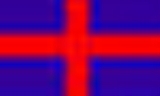
Free State of Oldenburg

Encyclopedia
The Free State of Oldenburg was a state of the Weimar Republic
. It was established in 1918 following the abdication of the Grand Duke Frederick Augustus II
following the German Revolution
.
In 1937, it lost the exclave districts of Eutin
near the Baltic coast and Birkenfeld
in southwestern Germany to Prussia and gained the City of Wilhelmshaven
; however, this was a formality, as the Hitler regime had de facto
abolished the federal states in 1934.
By the beginning of World War II in 1939, as a result of these territorial changes, Oldenburg had an area of 5375 km² (2,075.3 sq mi) and 580,000 inhabitants.
After World War II
, Oldenburg was merged into the newly founded state of Lower Saxony
as the administrative region (Verwaltungsbezirk) of Oldenburg, both of which became a part of Federal Republic of Germany
in 1949. The two enclaves became part of the States of Schleswig-Holstein
and Rheinland-Pfalz respectively.
Weimar Republic
The Weimar Republic is the name given by historians to the parliamentary republic established in 1919 in Germany to replace the imperial form of government...
. It was established in 1918 following the abdication of the Grand Duke Frederick Augustus II
Frederick Augustus II, Grand Duke of Oldenburg
Frederick Augustus II was the last ruling grand duke of Oldenburg. He married Princess Elisabeth Anna of Prussia, daughter of Princess Maria Anna of Anhalt-Dessau and Prince Frederick Charles of Prussia...
following the German Revolution
German Revolution
The German Revolution was the politically-driven civil conflict in Germany at the end of World War I, which resulted in the replacement of Germany's imperial government with a republic...
.
In 1937, it lost the exclave districts of Eutin
Eutin
Eutin is the district capital of Eastern Holstein located in the northern German state of Schleswig-Holstein. As of 2005, it had some 17,000 inhabitants....
near the Baltic coast and Birkenfeld
Birkenfeld
Birkenfeld is a town and the district seat of the Birkenfeld district in southwest Rhineland-Palatinate, Germany. It is also the seat of the like-named Verbandsgemeinde.-Location:...
in southwestern Germany to Prussia and gained the City of Wilhelmshaven
Wilhelmshaven
Wilhelmshaven is a coastal town in Lower Saxony, Germany. It is situated on the western side of the Jade Bight, a bay of the North Sea.-History:...
; however, this was a formality, as the Hitler regime had de facto
De facto
De facto is a Latin expression that means "concerning fact." In law, it often means "in practice but not necessarily ordained by law" or "in practice or actuality, but not officially established." It is commonly used in contrast to de jure when referring to matters of law, governance, or...
abolished the federal states in 1934.
By the beginning of World War II in 1939, as a result of these territorial changes, Oldenburg had an area of 5375 km² (2,075.3 sq mi) and 580,000 inhabitants.
After World War II
World War II
World War II, or the Second World War , was a global conflict lasting from 1939 to 1945, involving most of the world's nations—including all of the great powers—eventually forming two opposing military alliances: the Allies and the Axis...
, Oldenburg was merged into the newly founded state of Lower Saxony
Lower Saxony
Lower Saxony is a German state situated in north-western Germany and is second in area and fourth in population among the sixteen states of Germany...
as the administrative region (Verwaltungsbezirk) of Oldenburg, both of which became a part of Federal Republic of Germany
West Germany
West Germany is the common English, but not official, name for the Federal Republic of Germany or FRG in the period between its creation in May 1949 to German reunification on 3 October 1990....
in 1949. The two enclaves became part of the States of Schleswig-Holstein
Schleswig-Holstein
Schleswig-Holstein is the northernmost of the sixteen states of Germany, comprising most of the historical duchy of Holstein and the southern part of the former Duchy of Schleswig...
and Rheinland-Pfalz respectively.