
Home      Discussion      Topics      Dictionary      Almanac
Signup       Login
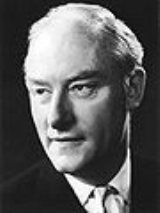
Francis Crick

Francis Crick

Overview
Francis Harry Compton Crick OM FRS
Royal Society
The Royal Society of London for the Improvement of Natural Knowledge, known simply as the Royal Society, or even the Royal, is a learned society for science that was founded in 1660 and is considered by most to be the oldest such society still in existence...

 (8 June 1916 – 28 July 2004), was a British molecular biologist
Molecular biology
Molecular biology is the study of biology at a molecular level. The field overlaps with other areas of biology and chemistry, particularly genetics and biochemistry...

, physicist
Physics
Physics is a natural science; it is the study of matter and its motion through spacetime and all that derives from these, such as energy and force...

, and neuroscientist
Neuroscience
Neuroscience is the scientific study of the nervous system. Such studies span the structure, function, evolutionary history, development, genetics, biochemistry, physiology, pharmacology, informatics, computational neuroscience and pathology of the nervous system.The International Brain Research...

, and most noted for being one of two co-discoverers of the structure of the DNA
DNA
Deoxyribonucleic acid is a nucleic acid that contains the genetic instructions used in the development and functioning of all known living organisms and some viruses. The main role of DNA molecules is the long-term storage of information...

 molecule
Molecule
A molecule is defined as an electrically neutral group of at least two atoms in a definite arrangement held together by very strong chemical bonds. Molecules are distinguished from polyatomic ions in this strict sense...

 in 1953, together with James D. Watson
James D. Watson
James Dewey Watson, born April 6, 1928, in Chicago, Illinois, is an American molecular biologist, best known as one of the two co-discoverers of the structure of DNA, with Francis Crick in 1953...

. He, James D. Watson and Maurice Wilkins
Maurice Wilkins
Maurice Hugh Frederick Wilkins CBE FRS was an English molecular biologist, and Nobel Laureate who contributed research in the fields of phosphorescence, radar, isotope separation, and X-ray diffraction. He was most widely known for his work at King's College London on the structure of DNA...

 were jointly awarded the 1962 Nobel Prize for Physiology or Medicine "for their discoveries concerning the molecular structure
Molecular geometry
Molecular geometry or molecular structure is the three-dimensional arrangement of the atoms that constitute a molecule. It determines several properties of a substance including its reactivity, polarity, phase of matter, color, magnetism, and biological activity.- Molecular geometry determination...

 of nucleic acid
Nucleic acid
A nucleic acid is a macromolecule composed of chains of monomeric nucleotides. In biochemistry these molecules carry genetic information or form structures within cells. The most common nucleic acids are deoxyribonucleic acid and ribonucleic acid . Nucleic acids are universal in living things, as...

s and its significance for information transfer in living material" .

Crick is widely known for use of the term “central dogma
Central dogma of molecular biology
The central dogma of molecular biology was first enunciated by Francis Crick in 1958 and re-stated in a Nature paper published in 1970:In other words, 'once information gets into protein, it can't flow back to nucleic acid.'...

” to summarize an idea that gene
Gene
A gene is the basic unit of heredity in a living organism. All living things depend on genes. Genes hold the information to build and maintain their cells and pass genetic traits to offspring...

tic information flow in cells
Cell (biology)
The cell is the basic structural and functional unit of all known living organisms. It is the smallest unit of an organism that is classified as living, and is often called the building block of life. The Alberts text discusses how the "cellular building blocks" move to shape developing embryos...

 is essentially one-way, from DNA to RNA
RNA
Ribonucleic acid is a biologically important type of molecule that consists of a long chain of nucleotide units. Each nucleotide consists of a nitrogenous base, a ribose sugar, and a phosphate...

 to protein
Protein
Proteins are organic compounds made of amino acids arranged in a linear chain and folded into a globular form. The amino acids in a polymer chain are joined together by the peptide bonds between the carboxyl and amino groups of adjacent amino acid residues...

.
Discussion
Ask a question about 'Francis Crick'
Start a new discussion about 'Francis Crick'
Answer questions from other users
Full Discussion Forum
 
Quotations

Big questions get big answers.

Rather than believe that Watson and Crick made the DNA structure, I would rather stress that the structure made Watson and Crick.

Both of us had decided, quite independently of each other, that the central problem in molecular biology was the chemical structure of the gene.

Encyclopedia
Francis Harry Compton Crick OM FRS
Royal Society
The Royal Society of London for the Improvement of Natural Knowledge, known simply as the Royal Society, or even the Royal, is a learned society for science that was founded in 1660 and is considered by most to be the oldest such society still in existence...

 (8 June 1916 – 28 July 2004), was a British molecular biologist
Molecular biology
Molecular biology is the study of biology at a molecular level. The field overlaps with other areas of biology and chemistry, particularly genetics and biochemistry...

, physicist
Physics
Physics is a natural science; it is the study of matter and its motion through spacetime and all that derives from these, such as energy and force...

, and neuroscientist
Neuroscience
Neuroscience is the scientific study of the nervous system. Such studies span the structure, function, evolutionary history, development, genetics, biochemistry, physiology, pharmacology, informatics, computational neuroscience and pathology of the nervous system.The International Brain Research...

, and most noted for being one of two co-discoverers of the structure of the DNA
DNA
Deoxyribonucleic acid is a nucleic acid that contains the genetic instructions used in the development and functioning of all known living organisms and some viruses. The main role of DNA molecules is the long-term storage of information...

 molecule
Molecule
A molecule is defined as an electrically neutral group of at least two atoms in a definite arrangement held together by very strong chemical bonds. Molecules are distinguished from polyatomic ions in this strict sense...

 in 1953, together with James D. Watson
James D. Watson
James Dewey Watson, born April 6, 1928, in Chicago, Illinois, is an American molecular biologist, best known as one of the two co-discoverers of the structure of DNA, with Francis Crick in 1953...

. He, James D. Watson and Maurice Wilkins
Maurice Wilkins
Maurice Hugh Frederick Wilkins CBE FRS was an English molecular biologist, and Nobel Laureate who contributed research in the fields of phosphorescence, radar, isotope separation, and X-ray diffraction. He was most widely known for his work at King's College London on the structure of DNA...

 were jointly awarded the 1962 Nobel Prize for Physiology or Medicine "for their discoveries concerning the molecular structure
Molecular geometry
Molecular geometry or molecular structure is the three-dimensional arrangement of the atoms that constitute a molecule. It determines several properties of a substance including its reactivity, polarity, phase of matter, color, magnetism, and biological activity.- Molecular geometry determination...

 of nucleic acid
Nucleic acid
A nucleic acid is a macromolecule composed of chains of monomeric nucleotides. In biochemistry these molecules carry genetic information or form structures within cells. The most common nucleic acids are deoxyribonucleic acid and ribonucleic acid . Nucleic acids are universal in living things, as...

s and its significance for information transfer in living material" .

Crick is widely known for use of the term “central dogma
Central dogma of molecular biology
The central dogma of molecular biology was first enunciated by Francis Crick in 1958 and re-stated in a Nature paper published in 1970:In other words, 'once information gets into protein, it can't flow back to nucleic acid.'...

” to summarize an idea that gene
Gene
A gene is the basic unit of heredity in a living organism. All living things depend on genes. Genes hold the information to build and maintain their cells and pass genetic traits to offspring...

tic information flow in cells
Cell (biology)
The cell is the basic structural and functional unit of all known living organisms. It is the smallest unit of an organism that is classified as living, and is often called the building block of life. The Alberts text discusses how the "cellular building blocks" move to shape developing embryos...

 is essentially one-way, from DNA to RNA
RNA
Ribonucleic acid is a biologically important type of molecule that consists of a long chain of nucleotide units. Each nucleotide consists of a nitrogenous base, a ribose sugar, and a phosphate...

 to protein
Protein
Proteins are organic compounds made of amino acids arranged in a linear chain and folded into a globular form. The amino acids in a polymer chain are joined together by the peptide bonds between the carboxyl and amino groups of adjacent amino acid residues...

. Crick was an important theoretical molecular biologist
Molecular biology
Molecular biology is the study of biology at a molecular level. The field overlaps with other areas of biology and chemistry, particularly genetics and biochemistry...

 and played a crucial role in research related to revealing the genetic code
Genetic code
The genetic code is the set of rules by which information encoded in genetic material is translated into proteins by living cells. A more precise term for the concept might be "genetic cipher". The code defines a mapping between tri-nucleotide sequences, called codons, and amino acids...

.

During the remainder of his career, he held the post of J.W. Kieckhefer Distinguished Research Professor at the Salk Institute for Biological Studies
Salk Institute for Biological Studies
The Salk Institute for Biological Studies is a premier independent, non-profit, scientific research institute located in La Jolla, California. The institute consistently ranks among the top institutions in the US in terms of research output and quality in the life sciences...

 in La Jolla, California. His later research centered on theoretical neurobiology and attempts to advance the scientific study of human consciousness. He remained in this post until his death; "he was editing a manuscript on his death bed, a scientist until the bitter end" said Christof Koch
Christof Koch
Christof Koch is an American neuroscientist working on the neural basis of consciousness. He currently holds the position of Lois and Victor Troendle Professor of Cognitive and Behavioral Biology, California Institute of Technology, where he has been since 1986...

.

Family and Education


Francis Crick, the first son of Harry Crick (1887-1948) ) and Annie Elizabeth Crick, née
Nee
NEE, Nee, Née may refer to:* Née or Nee, French for "born", indicates a person's birth surname* Nee , a band in Kannada* NEE, a political party in Flanders, Belgium* "Ne~e?", a 2003 single by Aya Matsuura- People with the family name :...

 Wilkins, (1879-1955), was born and raised in Weston Favell
Weston Favell
Weston Favell is a village and district of Northampton in the English county of Northamptonshire. During the Industrial Revolution and 20th Century, it was more or less absorbed by the expansion of Northampton itself. The village environs retain a distinct feel, yet are now entirely surrounded by...

, then a small village near the English town of Northampton
Northampton
Northampton is a large market town and local government district in the East Midlands region of England. It is about north-west of London and around south-east of Birmingham, and lies on the River Nene...

 in which Crick’s father and uncle ran the family’s boot and shoe factory. His grandfather, Walter Drawbridge Crick (1857-1903), an amateur naturalist
Naturalist
Naturalist may refer to:* A scholar or student of natural history, the science of the natural world; see also natural science. It may also refer to a Wildlife enthusiast or a Conservationist....

, wrote a survey of local foraminifera
Foraminifera
The Foraminifera, or forams for short, are a large group of amoeboid protists with reticulating pseudopods, fine strands of cytoplasm that branch and merge to form a dynamic net. They typically produce a test, or shell, which can have either one or multiple chambers, some becoming quite elaborate...

 (single-celled protists with shells), corresponded with Charles Darwin
Charles Darwin
Charles Robert Darwin FRS was an English naturalist who realised and presented compelling evidence that all species of life have evolved over time from common ancestors, through the process he called natural selection...

, and had two gastropods (snails or slugs) named after him.

At an early age, Francis was attracted to science and what he could learn about it from books. As a child, he was taken to church by his parents, but by about age 12 he told his mother that he no longer wanted to attend, preferring a scientific search for answers over religious belief.
He was educated at Northampton Grammar School and, after the age of 14, Mill Hill School
Mill Hill School
Mill Hill School, in Mill Hill, London, is a coeducational independent school for boarding and day pupils aged 13–18. It is a member of the Headmasters' and Headmistresses' Conference, an organisation of public schools in the United Kingdom....

 in London (on scholarship), where he studied mathematics
Mathematics
Mathematics is the science and study of quantity, structure, space, and change. Mathematicians seek out patterns, formulate new conjectures, and establish truth by rigorous deduction from appropriately chosen axioms and definitions....

, physics
Physics
Physics is a natural science; it is the study of matter and its motion through spacetime and all that derives from these, such as energy and force...

, and chemistry
Chemistry
Chemistry is the science concerned with the composition, behavior, structure, and properties of matter, as well as the changes it undergoes during chemical reactions...

 with his best friend John Shilston. At the age of 21, Crick earned a B.Sc. degree
Bachelor of Science
A Bachelor of Science is an undergraduate academic degree awarded for completed courses that generally last three to five years ....

 in physics from University College of London (UCL) after he had failed to gain his intended place at a Cambridge college, probably through failing their requirement for Latin; his contemporaries in British DNA research Rosalind Franklin
Rosalind Franklin
Rosalind Elsie Franklin was an English biophysicist, physicist, chemist, biologist and X-ray crystallographer who made contributions to the understanding of the fine molecular structures of DNA, RNA, viruses, coal and graphite. Franklin is best known for her work on the X-ray diffraction images of...

 and Maurice Wilkins
Maurice Wilkins
Maurice Hugh Frederick Wilkins CBE FRS was an English molecular biologist, and Nobel Laureate who contributed research in the fields of phosphorescence, radar, isotope separation, and X-ray diffraction. He was most widely known for his work at King's College London on the structure of DNA...

 both went up to Cambridge colleges, to Newnham
Newnham College, Cambridge
Newnham College is a women-only constituent college of the University of Cambridge, England.The college was founded in 1871 by Henry Sidgwick, and was the second Cambridge college to admit women after Girton College.-History:...

 and St. John's
St John's College, Cambridge
St John's College is a constituent college of the University of Cambridge.The college has fixed assets of £567,390,000, granting it the largest endowment per student of any Cambridge college...

 respectively. Crick later became a PhD student and Honorary Fellow of Caius College
Gonville and Caius College, Cambridge
Gonville and Caius College is a constituent college of the University of Cambridge in Cambridge, England. The college is often referred to simply as "Caius" , after its second founder, John Keys, who fashionably latinised the spelling of his name after studying in Italy.- Outline :Gonville and...

 and mainly worked at the Cavendish Laboratory
Cavendish Laboratory
The Cavendish Laboratory is the University of Cambridge's Department of Physics, and is part of the university's School of Physical Sciences. It was opened in 1874 as a teaching laboratory and was initially located on the New Museums Site, Free School Lane, in the centre of Cambridge. After...

 and the Medical Research Council
Medical Research Council (UK)
The Medical Research Council is a UK organisation dedicated to "improve human health through world-class medical research".-Organisation:...

 (MRC) Laboratory of Molecular Biology
Laboratory of Molecular Biology
The Laboratory of Molecular Biology is a research institute in Cambridge, England, which was at the forefront of the revolution in molecular biology which occurred in the 1950–60s, since then it remains a major medical research laboratory with a much broader focus.-Early beginnings: 1947-61:Max...

 in Cambridge. He was also an Honorary Fellow of Churchill College and of University College London
University College London
University College London is a British university institution and a constituent college of the University of London, based primarily in Bloomsbury, London...

.

Crick began a Ph.D.
Doctor of Philosophy
Doctor of Philosophy, abbreviated PhD , for the Latin , meaning "teacher of philosophy", or alternatively, DPhil, for the equivalent , is an advanced academic degree awarded by universities...

 research project on measuring viscosity
Viscosity
Viscosity is a measure of the resistance of a fluid which is being deformed by either shear stress or extensional stress. In everyday terms , viscosity is "thickness." Thus, water is "thin," having a lower viscosity, while honey is "thick," having a higher viscosity...

 of water at high temperatures (what he later described as "the dullest problem imaginable") in the laboratory of physicist Edward Neville da Costa Andrade
Edward Andrade
Edward Neville da Costa Andrade FRS was an English physicist, writer, and poet.-Background:Andrade was a Sephardi Jew and descendant of the British banker Moses da Costa, through whom he is related to the comedian and radio personality, Sam Costa.He studied for a doctorate at the University of...

, but with the outbreak of World War II
World War II
World War II, or the Second World War , was a global military conflict which involved a majority of the world's nations, including all great powers, organized into two opposing military alliances: the Allies and the Axis...

 (in particular, an incident during the Battle of Britain
Battle of Britain
The Battle of Britain is the name given to the air campaign waged by the German Air Force against the United Kingdom during the summer and autumn of 1940. The objective of the campaign was to gain air superiority over the Royal Air Force , especially Fighter Command...

 when a bomb fell through the roof of the laboratory and destroyed his experimental apparatus), Crick was deflected from a possible career in physics.

During World War II, he worked for the Admiralty Research Laboratory
Admiralty Research Laboratory
The Admiralty Research Laboratory, or ARL, was a research laboratory that supported the work of the UK Admiralty in Teddington, London, England....

, from which emerged a group of many notable scientists, including David Bates
David Bates (physicist)
Sir David Robert Bates, FRS was an Irish mathematician and physicist.Born in Omagh, County Tyrone, Ireland, he moved to Belfast with his family in 1925, attending the Royal Belfast Academical Institution. He enrolled with the Queen's University of Belfast in 1934...

, Robert Boyd
Robert Boyd (scientist)
Sir Robert Lewis Fullarton Boyd was a pioneer of British space science and founding director of the Mullard Space Science Laboratory ....

, George Deacon
George Deacon
Sir George Edward Raven Deacon was a British oceanographer and chemist. He was elected a Fellow of the Royal Society in 1944 and knighted in 1977....

, John Gunn
John Currie Gunn
Sir John Currie Gunn CBE, FRSE was an influential Scottish scientist.Gunn was born in Glasgow and educated at the University of Glasgow, and St John's College, Cambridge....

, Harrie Massey
Harrie Massey
Sir Harrie Stewart Wilson Massey was an influential Australian mathematical physicist. He worked primarily in the fields of atomic and atmospheric physics.- Life and career :...

 and Nevill Mott; he worked on the design of magnetic
Electromagnetism
Electromagnetism is the physics of the electromagnetic field, a field that exerts a force on particles with the property of electric charge and is reciprocally affected by the presence and motion of such particles....

 and acoustic mine
Naval mine
A naval mine is a self-contained explosive device placed in water to destroy ships or submarines. Unlike depth charges, mines are deposited and left to wait until they are triggered by the approach of or contact with an enemy ship...

s and was instrumental in designing a new mine that was effective against German minesweeper
Minesweeper (ship)
A minesweeper is a small naval warship designed to counter the threat posed by naval mines. Minesweepers generally detect then neutralize mines in advance of other naval operations...

s.

After World War II, in 1947, Crick began studying biology and became part of an important migration of physical scientists into biology research. This migration was made possible by the newly won influence of physicists such as Sir John Randall
John Randall (physicist)
Sir John Randall,FRSE, was a British physicist and biophysicist, credited with radical improvement of the cavity magnetron, an essential component of centimetric wavelength radar, which was one of the keys to the Allied victory in the Second World War. It is also the key component of microwave...

, who had helped win the war with inventions such as radar
Radar
Radar is an object detection system that uses electromagnetic waves to identify the range, altitude, direction, or speed of both moving and fixed objects such as aircraft, ships, motor vehicles, weather formations, and terrain. The term RADAR was coined in 1941 as an acronym for RAdio Detection And...

. Crick had to adjust from the "elegance and deep simplicity" of physics to the "elaborate chemical mechanisms that natural selection had evolved over billions of years." He described this transition as, "almost as if one had to be born again." According to Crick, the experience of learning physics had taught him something important—hubris—and the conviction that since physics was already a success, great advances should also be possible in other sciences such as biology. Crick felt that this attitude encouraged him to be more daring than typical biologists who tended to concern themselves with the daunting problems of biology and not the past successes of physics.

For the better part of two years, Crick worked on the physical properties of cytoplasm
Cytoplasm
The cytoplasm is the part of a cell that is enclosed within the cell membrane. In eukaryotic cells, the cytoplasm contains organelles, such as mitochondria, which are filled with liquid that is kept separate from the rest of the cytoplasm by biological membranes. The contents of the cell nucleus...

 at Cambridge's Strangeways Laboratory, headed by Honor Bridget Fell, with a Medical Research Council
Medical Research Council (UK)
The Medical Research Council is a UK organisation dedicated to "improve human health through world-class medical research".-Organisation:...

 studentship, until he joined Max Perutz
Max Perutz
Max Ferdinand Perutz, OM was an Austrian-British molecular biologist, who was awarded the Nobel Prize for Chemistry in 1962, shared with John Kendrew for their studies of the structures of hemoglobin and globular proteins...

 and John Kendrew
John Kendrew
Sir John Cowdery Kendrew, CBE, FRS was an English biochemist and crystallographer who shared the 1962 Nobel Prize in Chemistry with Max Perutz; their group in the Cavendish Laboratory investigated the structure of heme-containing proteins.-Biography:...

 at the Cavendish Laboratory. The Cavendish Laboratory at Cambridge was under the general direction of Sir Lawrence Bragg
William Lawrence Bragg
Sir William Lawrence Bragg, CH, OBE, MC, FRS was an English physicist who shared the Nobel Prize in Physics in 1915 with his father Sir William Henry Bragg. He was the director of the Cavendish Laboratory, Cambridge when the epochal discovery of the structure of DNA was made by James D...

, who won the Nobel Prize
Nobel Prize
The Nobel Prize is a Sweden-based international monetary prize. The award was established by the 1895 will and estate of Swedish chemist and inventor Alfred Nobel. It was first awarded in Physics, Chemistry, Physiology or Medicine, Literature, and Peace in 1901...

 in 1915 at the age of 25. Bragg was influential in the effort to beat a leading American chemist, Linus Pauling
Linus Pauling
Linus Carl Pauling was an American chemist, peace activist, author, and educator. He was one of the most influential chemists in history and ranks among the most important scientists in any field of the 20th century. Pauling was among the first scientists to work in the fields of quantum...

, to the discovery of DNA
DNA
Deoxyribonucleic acid is a nucleic acid that contains the genetic instructions used in the development and functioning of all known living organisms and some viruses. The main role of DNA molecules is the long-term storage of information...

's structure (after having been 'pipped-at-the-post' by Pauling's success in determining the alpha helix structure of proteins). At the same time Bragg's Cavendish Laboratory was also effectively competing with King's College London
King's College London
King's College London is a British higher education institution and co-founding constituent college of the University of London. Founded by King George IV and the Duke of Wellington in 1829, its royal charter is predated, in England, only by those of the Universities of Oxford and Cambridge...

, whose Biophysics department was under the direction of Sir John Randall
John Randall (physicist)
Sir John Randall,FRSE, was a British physicist and biophysicist, credited with radical improvement of the cavity magnetron, an essential component of centimetric wavelength radar, which was one of the keys to the Allied victory in the Second World War. It is also the key component of microwave...

. (Randall had turned down Francis Crick from working at King's College.) Francis Crick and Maurice Wilkins
Maurice Wilkins
Maurice Hugh Frederick Wilkins CBE FRS was an English molecular biologist, and Nobel Laureate who contributed research in the fields of phosphorescence, radar, isotope separation, and X-ray diffraction. He was most widely known for his work at King's College London on the structure of DNA...

 of King's College were personal friends, which influenced subsequent scientific events as much as the close friendship between Crick and James Watson
James D. Watson
James Dewey Watson, born April 6, 1928, in Chicago, Illinois, is an American molecular biologist, best known as one of the two co-discoverers of the structure of DNA, with Francis Crick in 1953...

. Crick and Wilkins first met at King's College and not, as erroneously recorded by two authors, at the Admiralty
Admiralty
The Admiralty was formerly the authority in the United Kingdom responsible for the command of the Royal Navy. Originally exercised by a single person, the office of Lord High Admiral was from the 18th century onward almost invariably put "in commission", and was exercised by a Board of Admiralty.In...

 during World War II.

He married twice, was father to three children and grandfather to six grandchildren; his brother Anthony (born in 1918) predeceased him in 1966:
  • Spouses: Ruth Doreen Crick, née Dodd (b. 1913, m. 18 February 1940 – 8 May 1947); Odile Crick
    Odile Crick
    Odile Crick was a British artist best known for her drawing of the double helix structure of DNA discovered by her husband Francis Crick and James D...

    , née Speed (b. 11 August 1920, m. 14 August 1949 – 28 July 2004, d. 5 July 2007)
  • Children: Michael Francis Compton (b. 25 November 1940) [by Doreen Crick]; Gabrielle Anne (b. 15 July 1951) and Jacqueline Marie-Therese [later Nichols] (b. 12 March 1954) [by Odile Crick];
  • Grandchildren: Alex (b. March 1974), Kindra (b. May 1976), Camberley (b. June 1978), and Francis (b. February 1981), Michael & Barbara Crick's children; Mark & Nicholas, Jacqueline and Christopher Nichols' stepchildren.


Crick died of colon cancer
Colorectal cancer
Colorectal cancer, also called colon cancer or large bowel cancer, includes cancerous growths in the colon, rectum and appendix. With 655,000 deaths worldwide per year, it is the third most common form of cancer and the third leading cause of cancer-related death in the Western world. Many...

 on 28 July 2004 at the University of California San Diego (UCSD) Thornton Hospital in La Jolla]; he was cremated and his ashes were scattered into the Pacific Ocean. A public memorial was held on 27th of September 2004 at The Salk Institute
Salk Institute for Biological Studies
The Salk Institute for Biological Studies is a premier independent, non-profit, scientific research institute located in La Jolla, California. The institute consistently ranks among the top institutions in the US in terms of research output and quality in the life sciences...

, La Jolla, near San Diego, California; guest speakers included James D. Watson
James D. Watson
James Dewey Watson, born April 6, 1928, in Chicago, Illinois, is an American molecular biologist, best known as one of the two co-discoverers of the structure of DNA, with Francis Crick in 1953...

, Sydney Brenner
Sydney Brenner
Sydney Brenner, CH FRS is a South African biologist and a 2002 Nobel prize in Physiology or Medicine laureate, shared with H. Robert Horvitz and John Sulston.-Biography:...

, Alex Rich, the late Seymour Benzer
Seymour Benzer
Seymour Benzer was an accomplished American physicist, molecular biologist and behavioral geneticist. With a career that started with the molecular biology revolution of the 1950s, Seymour Benzer was to the end very active as a researcher, where he led a productive lab as the James G...

, Aaron Klug
Aaron Klug
Sir Aaron Klug, OM, PRS is a Lithuanian-born British chemist and biophysicist, and winner of the 1982 Nobel Prize in Chemistry for his development of crystallographic electron microscopy and his structural elucidation of biologically important nucleic acid-protein complexes.-Biography:Klug was...

, Christof Koch
Christof Koch
Christof Koch is an American neuroscientist working on the neural basis of consciousness. He currently holds the position of Lois and Victor Troendle Professor of Cognitive and Behavioral Biology, California Institute of Technology, where he has been since 1986...

, Pat Churchland, Vilayanur Ramachandran, Tomaso Poggio
Tomaso Poggio
Tomaso A. Poggio is the Eugene McDermott Professor in the Department of Brain and Cognitive Sciences, McGovern Institute and the MIT Computer Science and Artificial Intelligence Laboratory and the director of The Center for Biological and Computational Learning at MIT...

, the late Leslie Orgel
Leslie Orgel
Leslie Eleazer Orgel FRS was a British chemist.Born in London, England, Orgel received his B.A. in chemistry with first class honours from Oxford University in 1949...

, Terry Sejnowski
Terry Sejnowski
Terrence Joseph Sejnowski is an Investigator with the Howard Hughes Medical Institute and is the Francis Crick Professor at The Salk Institute for Biological Studies where he directs the Computational Neurobiology Laboratory...

, his son Michael Crick, and his youngest daughter Jacqueline Nichols. A more private memorial for family and colleagues was also held on 3rd of August 2004.

Biology research


Crick was interested in two fundamental unsolved problems of biology. First, how molecules make the transition from the non-living to the living, and second, how the brain makes a conscious mind. He realized that his background made him more qualified for research on the first topic and the field of biophysics
Biophysics
Biophysics is an interdisciplinary science that employs and develops theories and methods of the physical sciences for the investigation of biological systems . Studies included under the branches of biophysics span all levels of biological organization, from the molecular scale to whole organisms...

. It was at this time of Crick’s transition from physics into biology that he was influenced by both Linus Pauling
Linus Pauling
Linus Carl Pauling was an American chemist, peace activist, author, and educator. He was one of the most influential chemists in history and ranks among the most important scientists in any field of the 20th century. Pauling was among the first scientists to work in the fields of quantum...

 and Erwin Schrödinger
Erwin Schrödinger
Erwin Rudolf Josef Alexander Schrödinger was an Austrian theoretical physicist who achieved fame for his contributions to quantum mechanics, especially the Schrödinger equation, for which he received the Nobel Prize in 1933...

. It was clear in theory that covalent bond
Covalent bond
A covalent bond is a form of chemical bonding that is characterized by the sharing of pairs of electrons between atoms, or between atoms and other covalent bonds...

s in biological molecules could provide the structural stability needed to hold genetic
Genetics
Genetics, , a discipline of biology, is the science of heredity and variation in living organisms. The fact that living things inherit traits from their parents has been used since prehistoric times to improve crop plants and animals through selective breeding...

 information in cells. It only remained as an exercise of experimental biology to discover exactly which molecule was the genetic molecule. In Crick’s view, Charles Darwin
Charles Darwin
Charles Robert Darwin FRS was an English naturalist who realised and presented compelling evidence that all species of life have evolved over time from common ancestors, through the process he called natural selection...

’s theory of evolution
Evolution
In biology, evolution is change in the genetic material of a population of organisms from one generation to the next. Though changes produced in any one generation are normally small, differences accumulate with each generation and can, over time, cause substantial changes in the population, a...

 by natural selection
Natural selection
Natural selection is the process by which heritable traits that make it more likely for an organism to survive and successfully reproduce become more common in a population over successive generations...

, Gregor Mendel
Gregor Mendel
Gregor Johann Mendel was an Augustinian priest and scientist, and is often called the father of genetics for his study of the inheritance of certain traits in pea plants. Mendel showed that the inheritance of these traits follows particular laws, which were later named after him...

’s genetics and knowledge of the molecular basis of genetics, when combined, revealed the secret of life.

It was clear that some macromolecule
Macromolecule
A macromolecule is a very large molecule most often created by some form of polymerization. In the context of biochemistry, the term may be applied to the four conventional biopolymers , as well as non-polymeric molecules with large molecular mass such as macrocycles...

 such as protein
Protein
Proteins are organic compounds made of amino acids arranged in a linear chain and folded into a globular form. The amino acids in a polymer chain are joined together by the peptide bonds between the carboxyl and amino groups of adjacent amino acid residues...

 was likely to be the genetic molecule. However, it was well-known that proteins are structural and functional macromolecules, some of which carry out enzymatic
Enzyme
Enzymes are proteins that catalyze chemical reactions. In enzymatic reactions, the molecules at the beginning of the process are called substrates, and the enzyme converts them into different molecules, called the products. Almost all processes in a biological cell need enzymes to occur at...

 reactions of cells. In the 1940s, some evidence had been found pointing to another macromolecule, DNA, the other major component of chromosome
Chromosome
A chromosome is an organized structure of DNA and protein that is found in cells. It is a single piece of coiled DNA containing many genes, regulatory elements and other nucleotide sequences. Chromosomes also contain DNA-bound proteins, which serve to package the DNA and control its functions...

s, as a candidate genetic molecule. In the 1944 Avery-MacLeod-McCarty experiment
Avery-MacLeod-McCarty experiment
The Avery-MacLeod-McCarty experiment was an experimental demonstration, reported in 1944 by Oswald Avery, Colin MacLeod, and Maclyn McCarty, that DNA is the substance that causes bacterial transformation...

, Oswald Avery
Oswald Avery
Oswald Theodore Avery was a Canadian-born American physician and medical researcher. The major part of his career was spent at the Rockefeller University Hospital in New York City...

 and his collaborators showed that a heritable phenotypic
Phenotype
A phenotype is any observable characteristic or trait of an organism: such as its morphology, development, biochemical or physiological properties, or behavior. Phenotypes result from the expression of an organism's genes as well as the influence of environmental factors and possible interactions...

 difference could be caused in bacteria
Bacteria
The bacteria are a large group of unicellular microorganisms. Typically a few micrometres in length, bacteria have a wide range of shapes, ranging from spheres to rods and spirals...

 by providing them with a particular DNA molecule.


However, other evidence was interpreted as suggesting that DNA was structurally uninteresting and possibly just a molecular scaffold for the apparently more interesting protein molecules. Crick was in the right place, in the right frame of mind, at the right time (1949), to join Max Perutz’s
Max Perutz
Max Ferdinand Perutz, OM was an Austrian-British molecular biologist, who was awarded the Nobel Prize for Chemistry in 1962, shared with John Kendrew for their studies of the structures of hemoglobin and globular proteins...

 project at Cambridge University
University of Cambridge
The University of Cambridge , located in the City of Cambridge, Cambridgeshire, United Kingdom, is the second oldest university in the English-speaking world and the fourth oldest in Europe...

, and he began to work on the X-ray crystallography
X-ray crystallography
X-ray crystallography is a method of determining the arrangement of atoms within a crystal, in which a beam of X-rays strikes a crystal and diffracts into many specific directions. From the angles and intensities of these diffracted beams, a crystallographer can produce a three-dimensional picture...

 of proteins. X-ray crystallography theoretically offered the opportunity to reveal the molecular structure of large molecules like proteins and DNA, but there were serious technical problems then preventing X-ray crystallography from being applicable to such large molecules.

1949–1950


Crick taught himself the mathematical theory of X-ray crystallography
X-ray crystallography
X-ray crystallography is a method of determining the arrangement of atoms within a crystal, in which a beam of X-rays strikes a crystal and diffracts into many specific directions. From the angles and intensities of these diffracted beams, a crystallographer can produce a three-dimensional picture...

. During the period of Crick's study of X-ray
X-ray
X-radiation is a form of electromagnetic radiation. X-rays have a wavelength in the range of 10 to 0.01 nanometers, corresponding to frequencies in the range 30 petahertz to 30 exahertz and energies in the range 120 eV to 120 keV. They are shorter in wavelength than UV rays...

 diffraction
Diffraction
Diffraction is normally taken to refer to various phenomena which occur when a wave encounters an obstacle. It is described as the apparent bending of waves around small obstacles and the spreading out of waves past small openings...

, researchers in the Cambridge lab were attempting to determine the most stable helical conformation of amino acid
Amino acid
Amino acids are molecules containing an amine group, a carboxylic acid group and one of the twenty R-groups. These molecules are particularly important in biochemistry, where this term refers to alpha-amino acids with the general formula H2NCHRCOOH, where R is an organic substituent...

 chains in proteins (the α helix
Alpha helix
A common motif in the secondary structure of proteins, the alpha helix is a right- or left-handed coiled conformation, resembling a spring, in which every backbone N-H group donates a hydrogen bond to the backbone C=O group of the amino acid four residues earlier...

). Linus Pauling
Linus Pauling
Linus Carl Pauling was an American chemist, peace activist, author, and educator. He was one of the most influential chemists in history and ranks among the most important scientists in any field of the 20th century. Pauling was among the first scientists to work in the fields of quantum...

 was the first to identify the 3.6 amino acids per helix turn ratio of the α helix. Crick was witness to the kinds of errors that his co-workers made in their failed attempts to make a correct molecular model of the α helix; these turned out to be important lessons that could be applied, in the future, to the helical structure of DNA
DNA
Deoxyribonucleic acid is a nucleic acid that contains the genetic instructions used in the development and functioning of all known living organisms and some viruses. The main role of DNA molecules is the long-term storage of information...

. For example, he learned the importance of the structural rigidity that double bonds confer on molecular structures which is relevant both to peptide bond
Peptide bond
A peptide bond is a chemical bond formed between two molecules when the carboxyl group of one molecule reacts with the amine group of the other molecule, thereby releasing a molecule of water . This is a dehydration synthesis reaction, and usually occursbetween amino acids...

s in proteins and the structure of nucleotide
Nucleotide
Nucleotides are molecules that, when joined together, make up the structural units of RNA and DNA. In addition, nucleotides play central roles in metabolism...

s in DNA.


1951–1953: DNA structure


In 1951, together with William Gemmell Cochran
William Gemmell Cochran
William Gemmell Cochran was a prominent statistician; he was born in Scotland but spent most of his life in the United States....

 and V. Vand, Crick assisted in the development of a mathematical theory of X-ray diffraction
X-ray crystallography
X-ray crystallography is a method of determining the arrangement of atoms within a crystal, in which a beam of X-rays strikes a crystal and diffracts into many specific directions. From the angles and intensities of these diffracted beams, a crystallographer can produce a three-dimensional picture...

 by a helical molecule. This theoretical result matched well with X-ray data obtained for protein
Protein
Proteins are organic compounds made of amino acids arranged in a linear chain and folded into a globular form. The amino acids in a polymer chain are joined together by the peptide bonds between the carboxyl and amino groups of adjacent amino acid residues...

s that contain sequences of amino acid
Amino acid
Amino acids are molecules containing an amine group, a carboxylic acid group and one of the twenty R-groups. These molecules are particularly important in biochemistry, where this term refers to alpha-amino acids with the general formula H2NCHRCOOH, where R is an organic substituent...

s in the Alpha helix
Alpha helix
A common motif in the secondary structure of proteins, the alpha helix is a right- or left-handed coiled conformation, resembling a spring, in which every backbone N-H group donates a hydrogen bond to the backbone C=O group of the amino acid four residues earlier...

 conformation (published in Nature
Nature (journal)
Nature is a prominent British scientific journal, first published on 4 November 1869. Most scientific journals are now highly specialized, and Nature is among the few journals that still publish original research articles across a wide range of scientific...

in 1952). Helical diffraction theory turned out to also be useful for understanding the structure of DNA
DNA
Deoxyribonucleic acid is a nucleic acid that contains the genetic instructions used in the development and functioning of all known living organisms and some viruses. The main role of DNA molecules is the long-term storage of information...

.

Late in 1951, Crick started working with James D. Watson
James D. Watson
James Dewey Watson, born April 6, 1928, in Chicago, Illinois, is an American molecular biologist, best known as one of the two co-discoverers of the structure of DNA, with Francis Crick in 1953...

 at Cavendish Laboratory
Cavendish Laboratory
The Cavendish Laboratory is the University of Cambridge's Department of Physics, and is part of the university's School of Physical Sciences. It was opened in 1874 as a teaching laboratory and was initially located on the New Museums Site, Free School Lane, in the centre of Cambridge. After...

 at the University of Cambridge
University of Cambridge
The University of Cambridge , located in the City of Cambridge, Cambridgeshire, United Kingdom, is the second oldest university in the English-speaking world and the fourth oldest in Europe...

, England. Using "Photo 51
Photo 51
Photo 51 is the nickname given to an X-ray diffraction image of DNA taken by Rosalind Franklin in 1952 that was critical evidence in identifying the structure of DNA. The photo was taken by Franklin while working at King's College London in Sir John Randall's group.James D. Watson was shown the...

" (the X-ray diffraction results of Raymond Gosling
Raymond Gosling
Raymond Gosling is a distinguished scientist who worked with both Maurice Wilkins and Rosalind Franklin at King's College London in deducing the structure of DNA, under the direction of Sir John Randall. His other KCL colleagues included Alex Stokes and Herbert Wilson.-Early years:He was born in...

 and Rosalind Franklin
Rosalind Franklin
Rosalind Elsie Franklin was an English biophysicist, physicist, chemist, biologist and X-ray crystallographer who made contributions to the understanding of the fine molecular structures of DNA, RNA, viruses, coal and graphite. Franklin is best known for her work on the X-ray diffraction images of...

 of King's College London
King's College London
King's College London is a British higher education institution and co-founding constituent college of the University of London. Founded by King George IV and the Duke of Wellington in 1829, its royal charter is predated, in England, only by those of the Universities of Oxford and Cambridge...

, given to them by Gosling and Franklin's colleague Maurice Wilkins
Maurice Wilkins
Maurice Hugh Frederick Wilkins CBE FRS was an English molecular biologist, and Nobel Laureate who contributed research in the fields of phosphorescence, radar, isotope separation, and X-ray diffraction. He was most widely known for his work at King's College London on the structure of DNA...

), Watson and Crick together developed a model for a helical structure of DNA, which they published in 1953. For this and subsequent work they were jointly awarded the Nobel Prize in Physiology or Medicine
Nobel Prize in Physiology or Medicine
The Nobel Prize in Physiology or Medicine is awarded once a year by the Swedish Karolinska Institute. It is one of the five Nobel Prizes established by the will of Alfred Nobel in 1895, awarded for outstanding contributions in Physics, Chemistry, Literature, Peace, and Physiology or Medicine...

 in 1962 with Maurice Wilkins
Maurice Wilkins
Maurice Hugh Frederick Wilkins CBE FRS was an English molecular biologist, and Nobel Laureate who contributed research in the fields of phosphorescence, radar, isotope separation, and X-ray diffraction. He was most widely known for his work at King's College London on the structure of DNA...

.

When James Watson came to Cambridge, Crick was a 35-year-old post-graduate student (due to his work during WWII) and Watson was only 23, but he already had a Ph.D. They shared an interest in the fundamental problem of learning how genetic information might be stored in molecular form. Watson and Crick talked endlessly about DNA and the idea that it might be possible to guess a good molecular model of its structure. A key piece of experimentally-derived information came from X-ray diffraction images that had been obtained by Maurice Wilkins, Rosalind Franklin, and their research student, Raymond Gosling. In November 1951, Wilkins came to Cambridge and shared his data with Watson and Crick. Alexander Stokes
Alec Stokes
Alec Stokes was one of the key contributors in the original DNA research team at King's College London...

 (another expert in helical diffraction theory) and Wilkins (both at King's College) had reached the conclusion that X-ray diffraction data for DNA indicated that the molecule had a helical structure—but Franklin vehemently disputed this conclusion. Stimulated by their discussions with Wilkins and what Watson learned by attending a talk given by Franklin about her work on DNA, Crick and Watson produced and showed off an erroneous first model of DNA. Their hurry to produce a model of DNA structure was driven in part by Watson's belief that they were competing against Linus Pauling
Linus Pauling
Linus Carl Pauling was an American chemist, peace activist, author, and educator. He was one of the most influential chemists in history and ranks among the most important scientists in any field of the 20th century. Pauling was among the first scientists to work in the fields of quantum...

. Given Pauling's recent success in discovering the Alpha helix, it was not unreasonable to worry that Pauling might also be the first to determine the structure of DNA.

Many have speculated about what might have happened had Pauling been able to travel to Britain as planned in May 1952. He might have been invited to see some of the Wilkins/Franklin X-ray diffraction data, and such an event might have led him to a double helix model (which remains—as said above—total speculation). As it was, his political activities caused his travel to be restricted by the U. S. government and he did not visit the UK until later, at which point he met none of the DNA researchers in England—but at any rate he was preoccupied with proteins at the time, not DNA. Watson and Crick were not officially working on DNA. Crick was writing his Ph.D. thesis; Watson also had other work such as trying to obtain crystals of myoglobin
Myoglobin
Myoglobin is a single-chain globular protein of 153 amino acids, containing a heme prosthetic group in the center around which the remaining apoprotein folds. It has eight alpha helices and a hydrophobic core. It has a molecular weight of 16,700 daltons, and is the primary oxygen-carrying pigment...

 for X-ray diffraction experiments. In 1952, Watson did X-ray diffraction on tobacco mosaic virus
Tobacco mosaic virus
Tobacco mosaic virus is an RNA virus that infects plants, especially tobacco and other members of the family Solanaceae. The infection causes characteristic patterns on the leaves . TMV was the first virus to be discovered...

 and found results indicating that it had helical structure. Having failed once, Watson and Crick were now somewhat reluctant to try again and for a while they were forbidden to make further efforts to find a molecular model of DNA.


Of great importance to the model building effort of Watson and Crick was Rosalind Franklin's understanding of basic chemistry, which indicated that the hydrophilic phosphate
Phosphate
A phosphate, an inorganic chemical, is a salt of phosphoric acid. In organic chemistry, a phosphate, or organophosphate, is an ester of phosphoric acid. Organic phosphates are important in biochemistry and biogeochemistry or ecology. Inorganic phosphates are mined to obtain phosphorus for use in...

-containing backbones of the nucleotide
Nucleotide
Nucleotides are molecules that, when joined together, make up the structural units of RNA and DNA. In addition, nucleotides play central roles in metabolism...

 chains of DNA should be positioned so as to interact with water molecules on the outside of the molecule while the hydrophobic bases should be packed into the core. Franklin shared this chemical knowledge with Watson and Crick when she pointed out to them that their first model (from 1951, with the phosphates inside) was obviously wrong.

Crick described what he saw as the failure of Maurice Wilkins and Rosalind Franklin to cooperate and work towards finding a molecular model of DNA as a major reason why he and Watson eventually made a second attempt to do so. They asked for, and received, permission to do so from both William Lawrence Bragg
William Lawrence Bragg
Sir William Lawrence Bragg, CH, OBE, MC, FRS was an English physicist who shared the Nobel Prize in Physics in 1915 with his father Sir William Henry Bragg. He was the director of the Cavendish Laboratory, Cambridge when the epochal discovery of the structure of DNA was made by James D...

 and Wilkins. In order to construct their model of DNA, Watson and Crick made use of information from unpublished X-ray diffraction images of Franklin's (shown at meetings and freely shared by Wilkins), including preliminary accounts of Franklin's results/photographs of the X-ray images that were included in a written progress report for the King's College laboratory of Sir John Randall
John Randall (physicist)
Sir John Randall,FRSE, was a British physicist and biophysicist, credited with radical improvement of the cavity magnetron, an essential component of centimetric wavelength radar, which was one of the keys to the Allied victory in the Second World War. It is also the key component of microwave...

 from late 1952.

It is a matter of debate whether Watson and Crick should have had access to Franklin's results without her knowledge or permission, and before she had a chance to formally publish
Academic publishing
Academic publishing describes the subfield of publishing which distributes academic research and scholarship. Most academic work is published in journal article, book or thesis form. The non commercial part of academic publishing is called grey literature...

 the results of her detailed analysis of her X-ray diffraction data which were included in the progress report. However, Watson and Crick found fault in her steadfast assertion that, according to her data, a helical structure was not the only possible shape for DNA—so they had a dilemma. In an effort to clarify this issue, Max Ferdinand Perutz later published what had been in the progress report,
and suggested that nothing was in the report that Franklin herself had not said in her talk (attended by Watson) in late 1951. Further, Perutz explained that the report was to a Medical Research Council
Medical Research Council (UK)
The Medical Research Council is a UK organisation dedicated to "improve human health through world-class medical research".-Organisation:...

 (MRC) committee that had been created in order to "establish contact between the different groups of people working for the Council". Randall's and Perutz's laboratories were both funded by the MRC.

It is also not clear how important Franklin's unpublished results from the progress report actually were for the model-building done by Watson and Crick. After the first crude X-ray diffraction images of DNA were collected in the 1930s, William Astbury
William Astbury
William Thomas Astbury FRS was an English physicist and molecular biologist who made pioneering X-ray diffraction studies of biological molecules. His work on keratin provided the foundation for Linus Pauling's discovery of the alpha helix...

 had talked about stacks of nucleotides spaced at 3.4 angström (0.34 nanometre) intervals in DNA. A citation to Astbury's earlier X-ray diffraction work was one of only eight references in Franklin's first paper on DNA. Analysis of Astbury's published DNA results and the better X-ray diffraction images collected by Wilkins and Franklin revealed the helical nature of DNA. It was possible to predict the number of bases stacked within a single turn of the DNA helix (10 per turn; a full turn of the helix is 27 angströms [2.7 nm] in the compact A form, 34 angströms [3.4 nm] in the wetter B form). Wilkins shared this information about the B form of DNA with Crick and Watson. Crick did not see Franklin's B form X-ray images (Photo 51
Photo 51
Photo 51 is the nickname given to an X-ray diffraction image of DNA taken by Rosalind Franklin in 1952 that was critical evidence in identifying the structure of DNA. The photo was taken by Franklin while working at King's College London in Sir John Randall's group.James D. Watson was shown the...

) until after the DNA double helix model was published.

One of the few references cited by Watson and Crick when they published their model of DNA, was to a published article that included Sven Furberg's DNA model that had the bases on the inside. Thus, the Watson and Crick model was not the first "bases in" model to be published. Furberg's results had also provided the correct orientation of the DNA sugars with respect to the bases. During their model building, Crick and Watson learned that an anti-parallel
Antiparallel (biochemistry)
In biochemistry, two molecules are antiparallel if they run side-by-side in opposite directions.In DNA, the 5' carbon is located at the top of the leading strand, and the 3' carbon is located at the lower section of the lagging strand. The nucleotides are similar and parallel, but they go in...

 orientation of the two nucleotide chain backbones worked best to orient the base pair
Base pair
In molecular biology, two nucleotides on opposite complementary DNA or RNA strands that are connected via hydrogen bonds are called a base pair . In the canonical Watson-Crick base pairing, adenine forms a base pair with thymine , as does guanine with cytosine in DNA. In RNA, thymine is replaced...

s in the centre of a double helix. Crick's access to Franklin's progress report of late 1952 is what made Crick confident that DNA was a double helix with anti-parallel chains, but there were other chains of reasoning and sources of information that also led to these conclusions.

As a result of leaving King's College for another institution, Franklin was asked by John Randall to give up her work on DNA. When it became clear to Wilkins and the supervisors of Watson and Crick that Franklin was going to the new job, and that Linus Pauling was working on the structure of DNA, they were willing to share Franklin's data with Watson and Crick, in the hope that they could find a good model of DNA before Pauling was able. Franklin's X-ray diffraction data for DNA and her systematic analysis of DNA's structural features was useful to Watson and Crick in guiding them towards a correct molecular model. The key problem for Watson and Crick, which could not be resolved by the data from King's College, was to guess how the nucleotide bases pack into the core of the DNA double helix.


Another key to finding the correct structure of DNA was the so-called Chargaff ratios
Chargaff's rules
Chargaff's rules state that DNA from any cell of all organisms should have a 1:1 ratio of pyrimidine and purine bases and, more specifically, that the amount of guanine is equal to cytosine and the amount of adenine is equal to thymine. This pattern is found in both strands of the DNA...

, experimentally determined ratios of the nucleotide subunits of DNA: the amount of guanine
Guanine
Guanine is one of the five main nucleobases found in the nucleic acids DNA and RNA, the others being adenine, cytosine, thymine, and uracil. In DNA, guanine is paired with cytosine. With the formula C5H5N5O, guanine is a derivative of purine, consisting of a fused...

 is equal to cytosine
Cytosine
Cytosine is one of the four main bases found in DNA and RNA. It is a pyrimidine derivative, with a heterocyclic aromatic ring and two substituents attached . The nucleoside of cytosine is cytidine...

 and the amount of adenine
Adenine
Adenine is a nucleobase with a variety of roles in biochemistry including cellular respiration, in the form of both the energy-rich adenosine triphosphate and the cofactors nicotinamide adenine dinucleotide and flavin adenine dinucleotide , and protein synthesis, as a chemical component of DNA...

 is equal to thymine
Thymine
Thymine is one of the four nucleobases in the nucleic acid of DNA that are represented by the letters G–C–A–T. The others are adenine, guanine, and cytosine. Thymine always pairs with adenine. Thymine is also known as 5-methyluracil, a pyrimidine nucleobase. As the name suggests, thymine may be...

. A visit by Erwin Chargaff
Erwin Chargaff
Erwin Chargaff was an Austrian Jewish biochemist who emigrated to the United States during the Nazi era...

 to England in 1952 reinforced the salience of this important fact for Watson and Crick. The significance of these ratios for the structure of DNA were not recognized until Watson, persisting in building structural models, realized that A:T and C:G pairs are structurally similar. In particular, the length of each base pair is the same. The base pairs are held together by hydrogen bond
Hydrogen bond
A hydrogen bond is the attractive interaction of a hydrogen atom with an electronegative atom, like nitrogen, oxygen or fluorine . The hydrogen must be covalently bonded to another electronegative atom to create the bond...

s, the same non-covalent interaction that stabilizes the protein α-helix. Watson's recognition of the A:T and C:G pairs was aided by information from Jerry Donohue
Jerry Donohue
Jerry Donohue was an American theoretical and physical chemist. He is best remembered for steering James D. Watson and Francis Crick towards the correct structure of DNA with some crucial information.-Early career:...

 about the most likely structures of the nucleobases. After the discovery of the hydrogen bonded A:T and C:G pairs, Watson and Crick soon had their double helix model of DNA with the hydrogen bonds at the core of the helix providing a way to "unzip" the two complementary strands for easy replication
DNA replication
DNA replication, the basis for biological inheritance, is a fundamental process occurring in all living organisms to copy their DNA. This process is "semiconservative" in that each strand of the original double-stranded DNA molecule serves as template for the reproduction of the complementary strand...

: the last key requirement for a likely model of the genetic molecule. As important as Crick's contributions to the discovery of the double helical DNA model were, he stated that without the chance to collaborate with Watson, he would not have found the structure by himself.

Crick did tentatively attempt to perform some experiments on nucleotide base pairing, but he was more of a theoretical than an experimental biologist. There was another near-discovery of the base pairing rules in early 1952. Crick had started to think about interactions between the bases. He asked John Griffith to try to calculate attractive interactions between the DNA bases from chemical principles and quantum mechanics
Quantum mechanics
Quantum mechanics is a set of principles describing the physical reality at the atomic level of matter and the subatomic . These descriptions include the simultaneous wave-like and particle-like behavior of both matter and radiation...

. Griffith's best guess was that A:T and G:C were attractive pairs. At that time, Crick was not aware of Chargaff's rules and he made little of Griffith's calculations, although it did start him thinking about complementary replication. Identification of the correct base-pairing rules (A-T, G-C) was achieved by Watson "playing" with cardboard cut-out models of the nucleotide bases, much in the manner that Linus Pauling had discovered the protein alpha helix a few years earlier. The Watson and Crick discovery of the DNA double helix structure was made possible by their willingness to combine theory, modeling and experimental results (albeit mostly done by others) to achieve their goal.

The discovery was made on February 28, 1953; the first Watson/Crick paper appeared in Nature
Nature
Nature, in the broadest sense, is equivalent to the natural world, physical world, or material world. "Nature" refers to the phenomena of the physical world, and also to life in general...

 on April 25,1953. Sir Lawrence Bragg, the director of the Cavendish Laboratory
Cavendish Laboratory
The Cavendish Laboratory is the University of Cambridge's Department of Physics, and is part of the university's School of Physical Sciences. It was opened in 1874 as a teaching laboratory and was initially located on the New Museums Site, Free School Lane, in the centre of Cambridge. After...

, where Watson and Crick worked, gave a talk at Guys Hospital Medical School in London on Thursday, May 14, 1953 which resulted in an article by Ritchie Calder in The News Chronicle
News Chronicle
The News Chronicle was a British daily newspaper. It ceased publication in 1960, being absorbed into the Daily Mail.-Daily Chronicle:...

 of London, on Friday, May 15, 1953, entitled "Why You Are You. Nearer Secret of Life." The news reached readers of The New York Times
The New York Times
The New York Times is an American daily newspaper founded in 1851 and published in New York City. The largest metropolitan newspaper in the United States, "The Gray Lady"—named for its staid appearance and style—is regarded as a national newspaper of record...

 the next day; Victor K. McElheny, in researching his biography, "Watson and DNA: Making a Scientific Revolution", found a clipping of a six-paragraph New York Times article written from London and dated May 16, 1953 with the headline "Form of `Life Unit' in Cell Is Scanned." The article ran in an early edition and was then pulled to make space for news deemed more important.(The New York Times subsequently ran a longer article on June 12, 1953). The Cambridge University undergraduate newspaper Varsity
Varsity (Cambridge)
Varsity is the older of Cambridge University's main student newspapers . It has been published continuously since 1947, and is one of only three fully independent student newspapers in the UK. It appears every Friday around Cambridge.- History:Varsity is one of Britain's oldest student newspapers...

also ran its own short article on the discovery on Saturday, May 30, 1953. Bragg's original announcement of the discovery at a Solvay conference
Solvay Conference
The International Solvay Institutes for Physics and Chemistry, located in Brussels, were founded by the Belgian industrialist Ernest Solvay in 1912, following the historic invitation-only 1911 Conseil Solvay, the first world physics conference...

 on proteins in Belgium
Belgium
The Kingdom of Belgium is a country in northwest Europe. It is a founding member of the European Union and hosts its headquarters, as well as those of other major international organizations, including NATO...

 on 8 April 1953 went unreported by the British press!


Molecular biology


In 1954, at the age of 37, Crick completed his Ph.D. thesis: "X-Ray Diffraction: Polypeptides and Proteins" and received his degree. Crick then worked in the laboratory of David Harker at Brooklyn Polytechnic Institute
Polytechnic University of New York
Prior to being called the Polytechnic Institute of New York University to reflect an affiliation with NYU, the former Polytechnic Institute of Brooklyn was known as Polytechnic University, or simply Poly. It is the United States' second oldest private institute of technology...

, where he continued to develop his skills in the analysis of X-ray diffraction
X-ray crystallography
X-ray crystallography is a method of determining the arrangement of atoms within a crystal, in which a beam of X-rays strikes a crystal and diffracts into many specific directions. From the angles and intensities of these diffracted beams, a crystallographer can produce a three-dimensional picture...

 data for proteins, working primarily on ribonuclease
Ribonuclease
Ribonuclease is a type of nuclease that catalyzes the degradation of RNA into smaller components. Ribonucleases can be divided into endoribonucleases and exoribonucleases, and comprise several sub-classes within the EC 2.7 and 3.1 classes of enzymes.-Function:All organisms studied contain...

 and the mechanisms of protein synthesis. David Harker, the American X-ray crystallographer, was described as "the John Wayne of crystallography" by Vittorio Luzzati, a crystallographer at the Centre for Molecular Genetics in Gif-sur-Yvette near Paris, who had worked with Rosalind Franklin.

After the discovery of the double helix model of DNA
DNA
Deoxyribonucleic acid is a nucleic acid that contains the genetic instructions used in the development and functioning of all known living organisms and some viruses. The main role of DNA molecules is the long-term storage of information...

, Crick's interests quickly turned to the biological implications of the structure. In 1953, Watson
James D. Watson
James Dewey Watson, born April 6, 1928, in Chicago, Illinois, is an American molecular biologist, best known as one of the two co-discoverers of the structure of DNA, with Francis Crick in 1953...

 and Crick published another article in Nature which stated: "it therefore seems likely that the precise sequence of the bases is the code that carries the genetical information".

In 1956, Crick and Watson speculated on the structure of small virus
Virus
A virus is an infectious agent too small to be seen directly with a light microscope. They are not made of cells and can only replicate inside the cells of another organism . Viruses infect all types of organisms, from animals and plants to bacteria and archaea...

es. They suggested that spherical viruses such as Tomato bushy stunt virus
Tomato bushy stunt virus
Tomato bushy stunt virus is a tombusvirus first reported in tomatoes in 1935. Depending upon the host, TBSV causes stunting of growth, leaf mottling, and deformed or absent fruit. The virus is transmitted manually through the use of contaminated cutting tools...

 had icosahedral symmetry and were made from 60 identical subunits.

After his short time in New York, Crick returned to Cambridge where he worked until 1976, at which time he moved to California
California
California is the most populous state in the United States, and the third largest by area. California is the second most populous sub-national entity in the Americas, behind only São Paulo, Brazil...

. Crick engaged in several X-ray diffraction collaborations such as one with Alexander Rich
Alexander Rich
Alexander Rich, MD is a biologist and biophysicist. He is the William Thompson Sedgwick Professor of Biophysics at MIT and Harvard Medical School. Dr. Rich earned both an A.B. and an M.D. from Harvard University. He was a post-doc of Linus Pauling along with James Watson...

 on the structure of collagen
Collagen
Collagen is the main protein of connective tissue in animals and the most abundant protein in mammals, making up about 25% to 35% of the whole-body protein content. It is naturally found exclusively in metazoa, including sponges. In muscle tissue it serves as a major component of endomysium...

. However, Crick was quickly drifting away from continued work related to his expertise in the interpretation of X-ray diffraction patterns of proteins.

George Gamow
George Gamow
George Gamow , born Georgiy Antonovich Gamov , was a Russian Empire-born theoretical physicist and cosmologist...

 established a group of scientists interested in the role of RNA
RNA
Ribonucleic acid is a biologically important type of molecule that consists of a long chain of nucleotide units. Each nucleotide consists of a nitrogenous base, a ribose sugar, and a phosphate...

 as an intermediary between DNA as the genetic storage molecule in the nucleus of cells and the synthesis of proteins in the cytoplasm
Cytoplasm
The cytoplasm is the part of a cell that is enclosed within the cell membrane. In eukaryotic cells, the cytoplasm contains organelles, such as mitochondria, which are filled with liquid that is kept separate from the rest of the cytoplasm by biological membranes. The contents of the cell nucleus...

. It was clear to Crick that there had to be a code by which a short sequence of nucleotides would specify a particular amino acid
Amino acid
Amino acids are molecules containing an amine group, a carboxylic acid group and one of the twenty R-groups. These molecules are particularly important in biochemistry, where this term refers to alpha-amino acids with the general formula H2NCHRCOOH, where R is an organic substituent...

 in a newly synthesized protein. In 1956, Crick wrote an informal paper about the genetic coding
Genetic code
The genetic code is the set of rules by which information encoded in genetic material is translated into proteins by living cells. A more precise term for the concept might be "genetic cipher". The code defines a mapping between tri-nucleotide sequences, called codons, and amino acids...

 problem for the small group of scientists in Gamow's RNA group. In this article, Crick reviewed the evidence supporting the idea that there was a common set of about 20 amino acids used to synthesize proteins. Crick proposed that there was a corresponding set of small "adaptor molecules" that would hydrogen bond
Hydrogen bond
A hydrogen bond is the attractive interaction of a hydrogen atom with an electronegative atom, like nitrogen, oxygen or fluorine . The hydrogen must be covalently bonded to another electronegative atom to create the bond...

 to short sequences of a nucleic acid, and also link to one of the amino acids. He also explored the many theoretical possibilities by which short nucleic acid sequences might code for the 20 amino acids.


During the mid-to-late 1950s Crick was very much intellectually engaged in sorting out the mystery of how proteins are synthesized. By 1958, Crick's thinking had matured and he could list in an orderly way all of the key features of the protein synthesis process:
  • genetic information stored in the sequence of DNA molecules
  • a "messenger" RNA molecule to carry the instructions for making one protein to the cytoplasm
  • adaptor molecules ("they might contain nucleotides") to match short sequences of nucleotides in the RNA messenger molecules to specific amino acids
  • ribonucleic-protein complexes that catalyse the assembly of amino acids into proteins according to the messenger RNA


The adaptor molecules were eventually shown to be tRNAs and the catalytic "ribonucleic-protein complexes" became known as ribosome
Ribosome
Ribosomes are complexes of RNA and protein that are found in all cells. The ribosome is part of the mechanism that translates the DNA sequence into the protein sequence. Ribosomes from bacteria, archaea and eukaryotes , have significantly different structure and RNA...

s. An important step was later realization (in 1960) that the messenger RNA
Messenger RNA
Messenger ribonucleic acid is a molecule of RNA encoding a chemical "blueprint" for a protein product. mRNA is transcribed from a DNA template, and carries coding information to the sites of protein synthesis: the ribosomes. Here, the nucleic acid polymer is translated into a polymer of amino...

 was not the same as the ribosomal RNA
Ribosomal RNA
Ribosomal RNA is the central component of the ribosome, the protein manufacturing machinery of all living cells. The function of the rRNA is to provide a mechanism for decoding mRNA into amino acids and to interact with the tRNAs during translation by providing peptidyl transferase activity.The...

. None of this, however, answered the fundamental theoretical question of the exact nature of the genetic code. In his 1958 article, Crick speculated, as had others, that a triplet of nucleotides could code for an amino acid. Such a code might be "degenerate", with 4×4×4=64 possible triplets of the four nucleotide subunits while there were only 20 amino acids. Some amino acids might have multiple triplet codes. Crick also explored other codes in which, for various reasons, only some of the triplets were used, "magically" producing just the 20 needed combinations. Experimental results were needed; theory alone could not decide the nature of the code. Crick also used the term "central dogma
Central dogma of molecular biology
The central dogma of molecular biology was first enunciated by Francis Crick in 1958 and re-stated in a Nature paper published in 1970:In other words, 'once information gets into protein, it can't flow back to nucleic acid.'...

" to summarize an idea that implies that genetic information flow between macromolecules would be essentially one-way:
DNA → RNA → Protein


Some critics thought that by using the word "dogma", Crick was implying that this was a rule that could not be questioned, but all he really meant was that it was a compelling idea without much solid evidence to support it. In his thinking about the biological processes linking DNA genes to proteins, Crick made explicit the distinction between the materials involved, the energy required, and the information flow. Crick was focused on this third component (information) and it became the organizing principle of what became known as molecular biology
Molecular biology
Molecular biology is the study of biology at a molecular level. The field overlaps with other areas of biology and chemistry, particularly genetics and biochemistry...

. Crick had by this time become a highly influential theoretical molecular biologist.

Proof that the genetic code is a degenerate triplet code finally came from genetics experiments, some of which were performed by Crick. The details of the code came mostly from work by Marshall Nirenberg
Marshall Warren Nirenberg
Marshall Warren Nirenberg is a U.S. biochemist and geneticist. He shared a Nobel Prize in Physiology or Medicine in 1968 with Har Gobind Khorana and Robert W. Holley for describing the genetic code and how it operates in protein synthesis...

 and others who synthesized synthetic RNA molecules and used them as templates for in vitro
In vitro
A procedure performed in vitro is performed not in a living organism but in a controlled environment, such as in a test tube or Petri dish...

protein synthesis.

Controversy about using King's College London's results


An enduring controversy has been generated by Watson
James D. Watson
James Dewey Watson, born April 6, 1928, in Chicago, Illinois, is an American molecular biologist, best known as one of the two co-discoverers of the structure of DNA, with Francis Crick in 1953...

 and Crick's use of DNA
DNA
Deoxyribonucleic acid is a nucleic acid that contains the genetic instructions used in the development and functioning of all known living organisms and some viruses. The main role of DNA molecules is the long-term storage of information...

 X-ray diffraction
X-ray crystallography
X-ray crystallography is a method of determining the arrangement of atoms within a crystal, in which a beam of X-rays strikes a crystal and diffracts into many specific directions. From the angles and intensities of these diffracted beams, a crystallographer can produce a three-dimensional picture...

 data collected by Rosalind Franklin
Rosalind Franklin
Rosalind Elsie Franklin was an English biophysicist, physicist, chemist, biologist and X-ray crystallographer who made contributions to the understanding of the fine molecular structures of DNA, RNA, viruses, coal and graphite. Franklin is best known for her work on the X-ray diffraction images of...

 and her student Raymond Gosling
Raymond Gosling
Raymond Gosling is a distinguished scientist who worked with both Maurice Wilkins and Rosalind Franklin at King's College London in deducing the structure of DNA, under the direction of Sir John Randall. His other KCL colleagues included Alex Stokes and Herbert Wilson.-Early years:He was born in...

. The controversy arose from the fact that some of the data were shown to them, without her knowledge, by Maurice Wilkins and Max Perutz
Max Perutz
Max Ferdinand Perutz, OM was an Austrian-British molecular biologist, who was awarded the Nobel Prize for Chemistry in 1962, shared with John Kendrew for their studies of the structures of hemoglobin and globular proteins...

. Her experimental results provided estimates of the water content of DNA crystals, and these results were most consistent with the three sugar-phosphate backbones being on the outside of the molecule. Franklin personally told Crick and Watson that the backbones had to be on the outside, whilst vehemently stating that her data did not force one to conclude that DNA has a helical structure. Her identification of the space group
Space group
In crystallography, the space group of a crystal is a description of the symmetry of the crystal, and can have one of 230 types...

 for DNA crystals revealed to Crick that the DNA strands were antiparallel
Antiparallel (biochemistry)
In biochemistry, two molecules are antiparallel if they run side-by-side in opposite directions.In DNA, the 5' carbon is located at the top of the leading strand, and the 3' carbon is located at the lower section of the lagging strand. The nucleotides are similar and parallel, but they go in...

, which helped Watson and Crick decide to look for DNA models with two antiparallel polynucleotide strands. The X-ray diffraction images collected by Franklin provided the best evidence for the helical nature of DNA—but she failed to recognise this fact. However Franklin's experimental work proved important in Crick and Watson's development of the correct model.

Prior to publication of the double helix structure, Watson and Crick had little interaction with Franklin. Crick and Watson felt that they had benefited from collaborating with Maurice Wilkins
Maurice Wilkins
Maurice Hugh Frederick Wilkins CBE FRS was an English molecular biologist, and Nobel Laureate who contributed research in the fields of phosphorescence, radar, isotope separation, and X-ray diffraction. He was most widely known for his work at King's College London on the structure of DNA...

. They offered him a co-authorship on the article that first described the double helix structure of DNA. Wilkins turned down the offer, and was in part responsible for the terse character of the acknowledgment of experimental work done at King's College London
King's College London
King's College London is a British higher education institution and co-founding constituent college of the University of London. Founded by King George IV and the Duke of Wellington in 1829, its royal charter is predated, in England, only by those of the Universities of Oxford and Cambridge...

. Rather than make any of the DNA researchers at King's College co-authors on the Watson and Crick double helix article, the solution was to publish two additional papers from King's College along with the helix paper. Brenda Maddox
Brenda Maddox
Brenda Maddox is an American author, journalist, and biographer, who has lived in the UK since 1960.Born in Bridgewater, Massachusetts, she graduated from Harvard University with a degree in English literature and also studied at the London School of Economics...

 suggested that because of the importance of her experimental results in Watson and Crick's model building and theoretical analysis, Franklin should have had her name on the original Watson and Crick paper in Nature
Nature (journal)
Nature is a prominent British scientific journal, first published on 4 November 1869. Most scientific journals are now highly specialized, and Nature is among the few journals that still publish original research articles across a wide range of scientific...

. Franklin and Gosling submitted their own joint 'second' paper to Nature at the same time as Wilkins, Stokes, and Wilson submitted theirs (i.e. the 'third' paper on DNA).

Views on religion


Crick once joked, "Christianity may be OK between consenting adults in private but should not be taught to young children."

In his book Of Molecules and Men, Crick expressed his views on the relationship between science and religion. After suggesting that it would become possible for people to wonder if a computer
Computer
A computer is a machine that manipulates data according to a set of instructions.Although mechanical examples of computers have existed through much of recorded human history, the first electronic computers were developed in the mid-20th century . These were the size of a large room, consuming as...

 might be programmed so as to have a soul
Soul
The soul, in many religions, spiritual traditions, and philosophies, is the spiritual and eternal part of a living being, commonly held to be separable in existence from the body; distinct from the physical part. It is typically thought to consist of ones consciousness and personality, and can be...

, he wondered: at what point during biological evolution did the first organism have a soul? At what moment does a baby get a soul? Crick stated his view that the idea of a non-material soul that could enter a body and then persist after death is just that, an imagined idea. For Crick, the mind is a product of physical brain activity and the brain had evolved by natural means over millions of years. Crick felt that it was important that evolution by natural selection
Natural selection
Natural selection is the process by which heritable traits that make it more likely for an organism to survive and successfully reproduce become more common in a population over successive generations...

 be taught in public schools and that it was regrettable that English schools had compulsory religious instruction. Crick felt that a new scientific world view was rapidly being established, and predicted that once the detailed workings of the brain were eventually revealed, erroneous Christian
Christianity
Christianity is a monotheistic religion based on the life and teachings of Jesus of Nazareth as presented by the revelations in the New Testament....

 concepts about the nature of humans and the world would no longer be tenable; traditional conceptions of the "soul" would be replaced by a new understanding of the physical basis of mind. He was sceptical of organized religion, referring to himself as a sceptic and an agnostic with "a strong inclination towards atheism".

In 1960, Crick accepted a fellowship at Churchill College Cambridge, one factor being that the new college did not have a chapel. Sometime later a large donation was made to establish a chapel and the fellowship elected to accept it. Crick resigned his fellowship in protest.See also e.g. Telegraph Article

In October 1969, Crick participated in a celebration of the 100th year of the journal Nature
Nature (journal)
Nature is a prominent British scientific journal, first published on 4 November 1869. Most scientific journals are now highly specialized, and Nature is among the few journals that still publish original research articles across a wide range of scientific...

. Crick attempted to make some predictions about what the next 30 years would hold for molecular biology. His speculations were later published in Nature. Near the end of the article, Crick briefly mentioned the search for life on other planets, but he held little hope that extraterrestrial life
Extraterrestrial life
Extraterrestrial life is defined as life which does not originate from planet Earth. The existence of life outside the planet is theoretical and all assertions of such life remain disputed....

 would be found by the year 2000. He also discussed what he described as a possible new direction for research, what he called "biochemical theology". Crick wrote, "So many people pray that one finds it hard to believe that they do not get some satisfaction from it".

Crick suggested that it might be possible to find chemical changes in the brain that were molecular correlates of the act of prayer
Prayer
Prayer is the act of addressing a god or spirit for the purpose of worship or petition. Specific forms of this may include praise, requesting guidance or assistance, confessing sins, as an act of reparation or an expression of one's thoughts and emotions...

. He speculated that there might be a detectable change in the level of some neurotransmitter
Neurotransmitter
Neurotransmitters are endogenous chemicals which relay, amplify, and modulate signals between a neuron and another cell. Neurotransmitters are packaged into synaptic vesicles that cluster beneath the membrane on the presynaptic side of a synapse, and are released into the synaptic cleft, where they...

 or neurohormone
Neurohormone
A neurohormone is any hormone produced and released by neurons.Examples include:*Thyrotropin-releasing hormone *Gonadotropin-releasing hormone *Adrenocorticotropin-releasing hormone*Oxytocin*Antidiuretic hormone...

 when people pray. Crick may have been imagining substances such as dopamine that are released by the brain under certain conditions and produce rewarding sensations. Crick's suggestion that there might someday be a new science of "biochemical theology" seems to have been realized under an alternative name: there is now the new field of neurotheology
Neurotheology
Neurotheology, also known as spiritual neuroscience, is the study of correlations of neural phenomena with subjective experiences of spirituality and hypotheses to explain these phenomena...

. Crick's view of the relationship between science and religion continued to play a role in his work as he made the transition from molecular biology
Molecular biology
Molecular biology is the study of biology at a molecular level. The field overlaps with other areas of biology and chemistry, particularly genetics and biochemistry...

 research into theoretical neuroscience.

In a book entitled Life Itself: Its Origin and Nature (page 88), Crick wrote: "An honest man, armed with all the knowledge available to us now, could only state that in some sense, the origin of life appears at the moment to be almost a miracle, so many are the conditions which would have had to have been satisfied to get it going."

Directed panspermia


During the 1960s, Crick became concerned with the origins of the genetic code. In 1966, Crick took the place of Leslie Orgel
Leslie Orgel
Leslie Eleazer Orgel FRS was a British chemist.Born in London, England, Orgel received his B.A. in chemistry with first class honours from Oxford University in 1949...

 at a meeting where Orgel was to talk about the origin of life. Crick speculated about possible stages by which an initially simple code with a few amino acid
Amino acid
Amino acids are molecules containing an amine group, a carboxylic acid group and one of the twenty R-groups. These molecules are particularly important in biochemistry, where this term refers to alpha-amino acids with the general formula H2NCHRCOOH, where R is an organic substituent...

 types might have evolved into the more complex code used by existing organism
Organism
In biology, an organism is any living system . In at least some form, all organisms are capable of response to stimuli, reproduction, growth and development, and maintenance of homeostasis as a stable whole...

s. At that time, everyone thought of protein
Protein
Proteins are organic compounds made of amino acids arranged in a linear chain and folded into a globular form. The amino acids in a polymer chain are joined together by the peptide bonds between the carboxyl and amino groups of adjacent amino acid residues...

s as the only kind of enzyme
Enzyme
Enzymes are proteins that catalyze chemical reactions. In enzymatic reactions, the molecules at the beginning of the process are called substrates, and the enzyme converts them into different molecules, called the products. Almost all processes in a biological cell need enzymes to occur at...

s and ribozyme
Ribozyme
A ribozyme is an RNA molecule that catalyzes a chemical reaction...

s had not yet been found. Many molecular biologists were puzzled by the problem of the origin of a protein replicating system that is as complex as that which exists in organisms currently inhabiting Earth
Earth
Earth is the third planet from the Sun. It is the fifth largest of the eight planets in the solar system, and the largest of the terrestrial planets in the Solar System in terms of diameter, mass and density...

. In the early 1970s, Crick and Orgel further speculated about the possibility that the production of living systems from molecule
Molecule
A molecule is defined as an electrically neutral group of at least two atoms in a definite arrangement held together by very strong chemical bonds. Molecules are distinguished from polyatomic ions in this strict sense...

s may have been a very rare event in the universe
Universe
The Universe comprises everything that physically exists, the entirety of space and time, all forms of matter and energy, and the physical laws and constants that govern them...

, but once it had developed it could be spread by intelligent life forms using space travel
Spaceflight
Spaceflight is the use of space technology to achieve the flight of spacecraft into and through outer space.Spaceflight is used in space exploration, and also in commercial activities like space tourism and satellite telecommunications...

 technology, a process they called “Directed Panspermia
Panspermia
Panspermia is the hypothesis that "seeds" of life exist already all over the Universe, that life on Earth may have originated through these "seeds", and that they may deliver or have delivered life to other habitable bodies....

”. In a retrospective article, Crick and Orgel noted that they had been overly pessimistic about the chances of abiogenesis
Abiogenesis
In the natural sciences, abiogenesis, or "chemical evolution", is the study of how life on Earth could have arisen from inanimate matter. It should not be confused with evolution, which is the study of how groups of living things change over time...

 on Earth when they had assumed that some kind of self-replicating protein system was the molecular origin of life.

Crick addressed the Origin of Protein Synthesis in a paper with Sydney Brenner
Sydney Brenner
Sydney Brenner, CH FRS is a South African biologist and a 2002 Nobel prize in Physiology or Medicine laureate, shared with H. Robert Horvitz and John Sulston.-Biography:...

, Aaron Klug
Aaron Klug
Sir Aaron Klug, OM, PRS is a Lithuanian-born British chemist and biophysicist, and winner of the 1982 Nobel Prize in Chemistry for his development of crystallographic electron microscopy and his structural elucidation of biologically important nucleic acid-protein complexes.-Biography:Klug was...

 and George Pieczenik. In this paper, based on Pieczenik's work, they speculate that code constraints on nucleotide sequences allow protein synthesis without the need for a ribosome. It, however, requires a five base binding between the mRNA and tRNA with a flip of the anti-codon creating a triplet coding, even though it is a five base physical interaction. Thomas H. Jukes
Thomas H. Jukes
Thomas Hughes Jukes was a British-American biologist known for his work in nutrition, molecular evolution, and for his public engagement with controversial scientific issues, including DDT, vitamin C and creationism...

 pointed out that the code constraints on the mRNA sequence required for this translation mechanism is still preserved suggesting that Pieczenik's Genotypic Selection model for translation is a contemporary constraint and not just a historical constraint imposed on coding.

Neuroscience, other interests


Crick's period at Cambridge was the pinnacle of his long scientific career, but he left Cambridge in 1977 after 30 years, having been offered (and having refused) the Mastership of Gonville & Caius. James Watson
James D. Watson
James Dewey Watson, born April 6, 1928, in Chicago, Illinois, is an American molecular biologist, best known as one of the two co-discoverers of the structure of DNA, with Francis Crick in 1953...

 claimed at a Cambridge conference marking the 50th anniversary of the discovery of the structure of DNA
DNA
Deoxyribonucleic acid is a nucleic acid that contains the genetic instructions used in the development and functioning of all known living organisms and some viruses. The main role of DNA molecules is the long-term storage of information...

 in 2003: "Now perhaps it's a pretty well kept secret that one of the most uninspiring acts of Cambridge University over this past century was to turn down Francis Crick when he applied to be the Professor of Genetics
Arthur Balfour Professor of Genetics
The Arthur Balfour Professorship of Genetics is one of the senior professorships in genetics at the University of Cambridge, founded in 1912.The chair was endowed by Reginald Baliol Brett, 2nd Viscount Esher, according to whom the money was "placed in [his] hands" by an anonymous benefactor...

, in 1958. Now there may have been a series of arguments, which lead them to reject Francis. It was really saying, don't push us to the frontier." The apparently "pretty well kept secret" had already been recorded in Soraya De Chadarevian's "Designs For Life: Molecular Biology After World War II", published by CUP in 2002. His major contribution to molecular biology
Molecular biology
Molecular biology is the study of biology at a molecular level. The field overlaps with other areas of biology and chemistry, particularly genetics and biochemistry...

 in Cambridge is well documented in The History of the University of Cambridge: Volume 4 (1870 to 1990), which was published by Cambridge University Press
Cambridge University Press
Cambridge University Press is a printer and publisher granted a Royal Letters Patent by Henry VIII in 1534. It is the world's oldest continually operating book publisher...

 in 1992.

According to the University of Cambridge
University of Cambridge
The University of Cambridge , located in the City of Cambridge, Cambridgeshire, United Kingdom, is the second oldest university in the English-speaking world and the fourth oldest in Europe...

's genetics department official website, the electors of the professorship could not reach consensus, prompting the intervention of then University Vice-Chancellor
Vice-Chancellor
A vice-chancellor of a university in England, Wales, Northern Ireland, New Zealand, Australia, India, Sri Lanka other Commonwealth countries, and some universities in Hong Kong, is the chief executive of the University...

 Lord Adrian
Edgar Adrian, 1st Baron Adrian
Edgar Douglas Adrian, 1st Baron Adrian OM PRS was a British electrophysiologist and recipient of the 1932 Nobel Prize for Physiology, won jointly with Sir Charles Sherrington for work on the function of neurons....

. Lord Adrian first offered the professorship to a compromise candidate, Guido Pontecorvo
Guido Pontecorvo
Guido Pontecorvo was an Italian-born geneticist.-Career:He fled to Britain in 1938.* Institute of Animal Genetics, University of Edinburgh, 1938-40 and 1944-45...

, who refused, and is said to have offered it then to Crick, who also refused.

In 1976, Crick took a sabbatical year
Sabbatical year
Sabbatical or a sabbatical is a rest from work, or a hiatus, often lasting from two months to a year...

 at the Salk Institute for Biological Studies
Salk Institute for Biological Studies
The Salk Institute for Biological Studies is a premier independent, non-profit, scientific research institute located in La Jolla, California. The institute consistently ranks among the top institutions in the US in terms of research output and quality in the life sciences...

 in La Jolla, California. Crick had been a nonresident fellow of the Institute since 1960. Crick wrote, "I felt at home in Southern California." After the sabbatical, Crick left Cambridge in order to continue working at the Salk Institute. He was also a professor at the University of California, San Diego
University of California, San Diego
The University of California, San Diego is a public research university located in La Jolla, San Diego, California, United States...

. He taught himself neuroanatomy
Neuroanatomy
Neuroanatomy is the study of the anatomy of nervous tissue and neural structures of the nervous system. In vertebrate animals, the routes that the myriad nerves take from the brain to the rest of the body , and the internal structure of the brain in particular, are both extremely elaborate...

 and studied many other areas of neuroscience
Neuroscience
Neuroscience is the scientific study of the nervous system. Such studies span the structure, function, evolutionary history, development, genetics, biochemistry, physiology, pharmacology, informatics, computational neuroscience and pathology of the nervous system.The International Brain Research...

 research. It took him several years to disengage from molecular biology because exciting discoveries continued to be made, including the discovery of alternative splicing
Alternative splicing
Alternative splicing is a process by which the exons of the RNA produced by transcription of a gene are reconnected in multiple ways during RNA splicing...

 and the discovery of restriction enzyme
Restriction enzyme
A restriction enzyme is an enzyme that cuts double-stranded or single stranded DNA at specific recognition nucleotide sequences known as restriction sites. Such enzymes, found in bacteria and archaea, are thought to have evolved to provide a defense mechanism against invading viruses...

s, which helped make possible genetic engineering
Genetic engineering
Genetic engineering, recombinant DNA technology, genetic modification/manipulation and gene splicing are terms that apply to the direct manipulation of an organism's genes. Genetic engineering is different from traditional breeding, where the organism's genes are manipulated indirectly...

. Eventually, in the 1980s, Crick was able to devote his full attention to his other interest, consciousness
Consciousness
Consciousness is subjective experience or awareness or wakefulness or the executive control system of the mind. It is an umbrella term that may refer to a variety of mental phenomena...

. His autobiographical
Autobiography
An autobiography is a book about the life of a person, written by that person.-Origin of the term:...

 book, What Mad Pursuit, includes a description of why he left molecular biology and switched to neuroscience.

Upon taking up work in theoretical neuroscience, Crick was struck by several things:
  • there were many isolated subdisciplines within neuroscience with little contact between them
  • many people who were interested in behaviour treated the brain as a black box
  • consciousness was viewed as a taboo
    Taboo
    A taboo is a strong social prohibition relating to any area of human activity or social custom that is sacred and forbidden. Breaking the taboo is usually considered objectionable or abhorrent by society. The term comes from the Tongan language, and appears in many Polynesian cultures...

     subject by many neurobiologists


Crick hoped he might aid progress in neuroscience by promoting constructive interactions between specialists from the many different subdisciplines concerned with consciousness. He even collaborated with neurophilosophers
Neurophilosophy
Neurophilosophy or philosophy of neuroscience is the interdisciplinary study of neuroscience and philosophy. Work in this field is often separated into two distinct methods. The first method attempts to solve problems in philosophy of mind with empirical information from the neurosciences...

 such as Patricia Churchland
Patricia Churchland
Patricia Smith Churchland is a Canadian-American philosopher working at the University of California, San Diego since 1984...

. In 1983, as a result of their studies of computer models of neural networks, Crick and Mitchison proposed that the function of REM sleep is to remove certain modes of interactions in networks of cells in the mammalian cerebral cortex; they called this hypothetical process 'reverse learning
Reverse learning
Reverse learning is a neurobiological theory of dreams. In 1983, in a paper published in the famous science journal Nature, Crick and reverse learning model likened the process of dreaming to a computer in that it was "off-line" during dreaming or the REM phase of sleep...

' or 'unlearning'. In the final phase of his career, Crick established a collaboration with Christof Koch
Christof Koch
Christof Koch is an American neuroscientist working on the neural basis of consciousness. He currently holds the position of Lois and Victor Troendle Professor of Cognitive and Behavioral Biology, California Institute of Technology, where he has been since 1986...

 that lead to publication of a series of articles on consciousness during the period spanning from 1990 to 2005. Crick made the strategic decision to focus his theoretical investigation of consciousness on how the brain generates visual awareness
Awareness
Awareness is the state or ability to perceive, to feel, or to be conscious of events, objects or sensory patterns. In this level of consciousness, sense data can be confirmed by an observer without necessarily implying understanding. More broadly, it is the state or quality of being aware of...

 within a few hundred milliseconds of viewing a scene. Crick and Koch proposed that consciousness seems so mysterious because it involves very short-term memory
Memory
In psychology, memory is an organism's mental ability to store, retain, and recall information. Traditional studies of memory began in the fields of philosophy, including techniques of artificially enhancing the memory....

 processes that are as yet poorly understood. Crick also published a book describing how neurobiology had reached a mature enough stage so that consciousness could be the subject of a unified effort to study it at the molecular, cellular and behavioural levels. Crick's book The Astonishing Hypothesis
The Astonishing Hypothesis
The Astonishing Hypothesisis Francis Crick's 1994 book about consciousness. The book is mostly concerned with establishing a basis for scientific study of consciousness; however, Crick places the study of consciousness within a larger social context...

made the argument that neuroscience now had the tools required to begin a scientific study of how brain
Brain
The brain is the center of the nervous system in all vertebrate, and most invertebrate, animals. Some primitive animals such as jellyfish and starfish have a decentralized nervous system without a brain, while sponges lack any nervous system at all...

s produce conscious experiences. Crick was skeptical about the value of computational models
Connectionism
Connectionism is a set of approaches in the fields of artificial intelligence, cognitive psychology, cognitive science, neuroscience and philosophy of mind, that models mental or behavioral phenomena as the emergent processes of interconnected networks of simple units...

 of mental function that are not based on details about brain structure and function.

Reactions to Crick and his work


Crick has widely been described as talkative, brash, and lacking modesty. His personality combined with his scientific accomplishments produced many opportunities for Crick to stimulate reactions from others, both inside and outside of the scientific world, which was the centre of his intellectual and professional life. Crick spoke rapidly, and rather loudly, and had an infectious and reverberating laugh, and a lively sense of humour. One colleague from the Salk Institute described him as "a brainstorming intellectual powerhouse with a mischievous smile.... Francis was never mean-spirited, just incisive. He detected microscopic flaws in logic. In a room full of smart scientists, Francis continually reearned his position as the heavyweight champ."

Eugenics


Crick occasionally expressed his views on eugenics
Eugenics
Eugenics is the study and practice of selective breeding applied to humans, with the aim of improving the species. Widely popular in the early decades of the 20th century, after having become associated with the Holocaust, it has largely fallen into disrepute.- Overview :As a social movement...

, usually in private letters. For example, Crick advocated a form of positive eugenics
Liberal eugenics
Liberal eugenics is an ideology which advocates the use of reproductive and genetic technologies where the choice of the goals of enhancing human characteristics and capacities is left to the individual preferences of consumers, rather than the collectivist priorities of a government...

 in which wealthy parents would be encouraged to have more children. He once remarked, "In the long run, it is unavoidable that society will begin to worry about the character of the next generation... It is not a subject at the moment which we can tackle easily because people have so many religious beliefs and until we have a more uniform view of ourselves I think it would be risky to try and do anything in the way of eugenics... I would be astonished if, in the next 100 or 200 years, society did not come round to the view that they would have to try to improve the next generation in some extent or one way or another."

Creationism


It has been suggested by some observers that Crick's speculation about panspermia
Panspermia
Panspermia is the hypothesis that "seeds" of life exist already all over the Universe, that life on Earth may have originated through these "seeds", and that they may deliver or have delivered life to other habitable bodies....

 "fits neatly into the intelligent design concept." Crick's name was raised in this context in the Kitzmiller v. Dover Area School District
Kitzmiller v. Dover Area School District
Tammy Kitzmiller, et al. v. Dover Area School District, et al., Case No. 04cv2688, was the first direct challenge brought in the United States federal courts against a public school district that required the presentation of intelligent design as an alternative to evolution as an "explanation of...

 trial over the teaching of intelligent design
Intelligent design
Intelligent design is the assertion that "certain features of the universe and of living things are best explained by an intelligent cause, not an undirected process such as natural selection." It is a modern form of the traditional teleological argument for the existence of God, but one which...

. Crick was, however, a firm critic of Young earth creationism
Young Earth creationism
Young Earth creationism is the religious belief that the Heavens, Earth, and life on Earth were created by direct acts of God during a short period, sometime between ca 5,700 and 10,000 years ago....

. In the 1987 United States Supreme Court case Edwards v. Aguillard
Edwards v. Aguillard
Edwards v. Aguillard, was a case heard by the Supreme Court of the United States in 1987 regarding creationism. The Court ruled that a Louisiana law requiring that creation science be taught in public schools along with evolution was unconstitutional, because the law was specifically intended to...

, Crick joined a group of other Nobel laureates who advised that, "'Creation-science' simply has no place in the public-school science classroom." Crick was also an advocate for the establishment of Darwin Day
Darwin Day
Darwin Day is a recently instituted celebration intended to commemorate the anniversary of the birth of Charles Darwin on February 12, 1809. The day is used to highlight Darwin's contribution to science and to promote science in general.-History:...

 as a British national holiday.

Recognition


In addition to his third share of the 1962 Nobel prize for Physiology or Medicine, he received many awards and honours, including the Royal and Copley medals of the Royal Society (1972 and 1975), and also the Order of Merit (on November 27 1991); he refused an offer of a CBE in 1963 and later refused an offer of a knighthood, but was often referred to in error as 'Sir Francis Crick' and even on occasions as 'Lord Crick'; Richard Lewontin's review of The Double Helix by James Watson in "The Chicago Sunday Times" on February 25 1968 contained an astonishing four references to "Sir Francis Crick" - in error. This mistake is being repeated to the present day.

On Saturday, October 20 1962 the award of Nobel prizes to John Kendrew and Max Perutz, and to Crick, Watson, and Wilkins was satirised in a short sketch in the BBC TV programme That Was The Week That Was
That Was The Week That Was
That Was The Week That Was, also known as TW3, is a satirical television comedy programme on BBC Television in 1962 and 1963, devised, produced and directed by Ned Sherrin and presented by David Frost....

 with the Nobel Prizes being referred to as 'The Alfred Nobel Peace Pools.'

The Francis Crick Prize Lectures at The Royal Society, London

The Francis Crick Prize Lecture was established in 2003 following an endowment by his former colleague, Sydney Brenner
Sydney Brenner
Sydney Brenner, CH FRS is a South African biologist and a 2002 Nobel prize in Physiology or Medicine laureate, shared with H. Robert Horvitz and John Sulston.-Biography:...

, joint winner of the 2002 Nobel Prize
Nobel Prize
The Nobel Prize is a Sweden-based international monetary prize. The award was established by the 1895 will and estate of Swedish chemist and inventor Alfred Nobel. It was first awarded in Physics, Chemistry, Physiology or Medicine, Literature, and Peace in 1901...

 in Physiology
Physiology
Physiology is the science of the functioning of living systems. It is a subcategory of biology...

 and Medicine
Medicine
Medicine is the art and science of healing. It encompasses a range of health care practices evolved to maintain and restore health by the prevention and treatment of illness....

. The lecture is delivered annually in any field of biological sciences, with preference given to the areas in which Francis Crick himself worked. Importantly, the lectureship is aimed at younger scientists, ideally under 40, or whose career progression corresponds to this age.

The Francis Crick Graduate Lectures at the University of Cambridge

The University of Cambridge
University of Cambridge
The University of Cambridge , located in the City of Cambridge, Cambridgeshire, United Kingdom, is the second oldest university in the English-speaking world and the fourth oldest in Europe...

 Graduate School of Biological, Medical and Veterinary Sciences hosts The Francis Crick Graduate Lectures. The first two lectures were by John Gurdon
John Gurdon
Sir John Bertrand Gurdon, FRS is a British developmental biologist. He is best known for his pioneering research in nuclear transplantation and cloning. He was recently awarded the Lasker Award.-Career:...

 and Tim Hunt
Tim Hunt
Sir Richard Timothy "Tim" Hunt, FRS is an English biochemist.-Early life:He was born on February 19 1943 in Neston, Cheshire to Richard William Hunt, a lecturer in palaeography in Liverpool, and Kit Rowland, daughter of timber merchant...

.

"For my generation, Francis Crick was probably the most obviously influential presence. He was often at lunch in the canteen of the Laboratory of Molecular Biology where he liked to explain what he was thinking about, and he was always careful to make sure that everyone round the table really understood. He was a frequent presence at talks in and around Cambridge, where he liked to ask questions. Sometimes, I remember thinking, they seemed slightly ignorant questions to which a man of his extraordinary range and ability ought to have known the answers. Only slowly did it dawn on me that he only and always asked questions when he was unclear or unsure, a great lesson." (Tim Hunt, first Francis Crick Graduate Lecturer: June 2005)

The wording on the new DNA
DNA
Deoxyribonucleic acid is a nucleic acid that contains the genetic instructions used in the development and functioning of all known living organisms and some viruses. The main role of DNA molecules is the long-term storage of information...

 sculpture (which was donated by James Watson) outside Clare College
Clare College, Cambridge
Clare College is a constituent college of the University of Cambridge in Cambridge, England.The college was founded in 1326, making it the second-oldest surviving college of the University after Peterhouse. Clare is famous for its chapel choir and for its gardens on the "the Backs"...

's Thirkill Court, Cambridge
Cambridge
The city of Cambridge is a university town and the administrative centre of the county of Cambridgeshire, England. It lies in East Anglia about north of London. It is also at the heart of the high-technology centre known as Silicon Fen....

, England is

a) on the base:

i) "These strands unravel during cell reproduction. Genes are encoded in the sequence of bases."

ii) "The double helix model was supported by the work of Rosalind Franklin and Maurice Wilkins."

b) on the helices:

i) "The structure of DNA was discovered in 1953 by Francis Crick and James Watson while Watson lived here at Clare."

ii) "The molecule of DNA has two helical strands that are linked by base pairs Adenine - Thymine or Guanine - Cytosine."

The aluminium sculpture stands fifteen feet high. It took a pair of technicians a fortnight to build it. For the artist responsible it was an opportunity to create a monument that brings together the themes of science and nature; Charles Jencks, Sculptor said "It embraces the trees, you can sit on it and the ground grows up and it twists out of the ground. So it's truly interacting with living things like the turf, and that idea was behind it and I think it does celebrate life and DNA." Tony Badger, Master of Clare, said: "It is wonderful to have this lasting reminder of his achievements while he* was at Clare and the enormous contribution he* and Francis Crick have made to our understanding of life on earth." * James D. Watson.

http://www.westminster.gov.uk/councilgovernmentanddemocracy/councils/pressoffice/news/pr-3802.cfm Westminster City Council unveiled a green plaque to Francis Crick on the front façade of 56 St George's Square, Pimlico, London SW1 on the 20 June 2007; Crick lived in the first floor flat, together with Robert Dougall
Robert Dougall
Robert Dougall MBE was a British broadcaster and ornithologist, mainly known as a newsreader and announcer.-Early life and radio broadcasting:...

 of BBC radio and later TV fame, a former Royal Navy associate.; Robert Dougall had replaced George Kreisel who left the flat in 1946.

Crick was elected a fellow of CSICOP in 1983 and a Humanist Laureate of the International Academy of Humanism
International Academy of Humanism
The International Academy of Humanism is a programme of the Council for Secular Humanism. It was established to recognize great humanists and disseminate humanist thinking. According to its declared mission, members of the academy are devoted to free inquiry, are committed to a scientific outlook,...

 in the same year. In 1995, Francis Crick was one of the original endorsers of the Ashley Montagu Resolution
Ashley Montagu Resolution
The Ashley Montagu Resolution refers to the petition to the World Court to end the genital modification and mutilation of children worldwide.Endorsement of the petition also includes the 1989 Universal Declaration on Circumcision, Excision, and Incision which holds that medically unnecessary...

 to petition for an end to the genital mutilation of children.

Another sculpture entitled Discovery, was installed on Tuesday,13 December 2005 and a formal ribbon-cutting ceremony was held on Thursday, 15 December 2005 at 11.00am in Abington Street, Northampton. According to the late Mr Lynn Wilson, chairman of the Wilson Foundation, "The sculpture celebrates the life of a world class scientist who must surely be considered the greatest Northamptonian of all time - by discovering DNA he unlocked the whole future of genetics and the alphabet of life."
  • Fellow of the Royal Society
  • Fellow International Academy of Humanism
    International Academy of Humanism
    The International Academy of Humanism is a programme of the Council for Secular Humanism. It was established to recognize great humanists and disseminate humanist thinking. According to its declared mission, members of the academy are devoted to free inquiry, are committed to a scientific outlook,...

  • Fellow CSICOP

Books by Francis Crick

  • Of Molecules and Men (Prometheus Books, 2004; original edition 1967) ISBN 1-59102-185-5
  • Life Itself (Simon & Schuster, 1981) ISBN 0-671-25562-2
  • What Mad Pursuit: A Personal View of Scientific Discovery (Basic Books reprint edition, 1990) ISBN 0-465-09138-5
  • The Astonishing Hypothesis
    The Astonishing Hypothesis
    The Astonishing Hypothesisis Francis Crick's 1994 book about consciousness. The book is mostly concerned with establishing a basis for scientific study of consciousness; however, Crick places the study of consciousness within a larger social context...

    : The Scientific Search For The Soul
    (Scribner reprint edition, 1995) ISBN 0-684-80158-2
  • Kreiseliana: about and around Georg Kreisel
    Georg Kreisel
    Georg Kreisel FRS is an Austrian-born mathematical logician who has studied and worked in Great Britain and America. Kreisel came from a Jewish background; his family sent him to England before the Anschluss, where he studied at the University of Cambridge and then, during World War II, worked on...

    ; ISBN 1-56881-061-X; 495 pages. For pages 25 – 32 "Georg Kreisel: a Few Personal Recollections" contributed by Francis Crick.

Books about Francis Crick and the structure of DNA discovery

  • John Bankston, Francis Crick and James D. Watson; Francis Crick and James Watson: Pioneers in DNA Research (Mitchell Lane Publishers, Inc., 2002) ISBN 1-58415-122-6
  • Soraya De Chadarevian; Designs For Life: Molecular Biology After World War II, CUP 2002, 444 pp; ISBN 0-521-57078-6
  • Edwin Chargaff; Heraclitean Fire, Rockefeller Press, 1978
  • S. Chomet (Ed.), "D.N.A. Genesis of a Discovery", 1994, Newman- Hemisphere Press, London
  • Dickerson, Richard E.; "Present at the Flood: How Structural Molecular Biology Came About", Sinauer, 2005; ISBN 0-878-93168-6;
  • Edward Edelson, "Francis Crick And James Watson: And the Building Blocks of Life"' Oxford University Press, 2000, ISBN 0-19-513971-2.
  • John Finch; 'A Nobel Fellow On Every Floor', Medical Research Council 2008, 381 pp, ISBN 978-1840469-40-0; this book is all about the MRC Laboratory of Molecular Biology, Cambridge.
  • Hager, Thomas; "Force of Nature: The Life of Linus Pauling", Simon & Schuster 1995; ISBN 0-684-80909-5
  • Graeme Hunter; Light Is A Messenger, the life and science of William Lawrence Bragg, ISBN 0-19-852921-X; Oxford University Press, 2004.
  • Horace Freeland Judson, "The Eighth Day of Creation. Makers of the Revolution in Biology"; Penguin Books 1995, first published by Jonathan Cape, 1977; ISBN 0-14-017800-7.
  • Torsten Krude (Ed.); DNA Changing Science and Society (ISBN 0-521-82378-1) CUP 2003. (The Darwin Lectures for 2003, including one by Sir Aaron Klug on Rosalind Franklin's involvement in the determination of the structure of DNA).
  • Brenda Maddox
    Brenda Maddox
    Brenda Maddox is an American author, journalist, and biographer, who has lived in the UK since 1960.Born in Bridgewater, Massachusetts, she graduated from Harvard University with a degree in English literature and also studied at the London School of Economics...

     Rosalind Franklin: The Dark Lady of DNA, 2002. ISBN 0-00-655211-0.
  • Robert Olby
    Robert Olby
    Robert Cecil Olby is a research professor in the Department of History and Philosophy of Science at the University of Pittsburgh. Formerly at the University of Leeds, UK, Robert Olby is known as a historian of nineteenth and twentieth century biology, his special fields being genetics and...

    ; The Path to The Double Helix: Discovery of DNA; first published in October 1974 by MacMillan, with foreword by Francis Crick; ISBN 0-486-68117-3; revised in 1994, with a 9-page postscript.
  • Robert Olby
    Robert Olby
    Robert Cecil Olby is a research professor in the Department of History and Philosophy of Science at the University of Pittsburgh. Formerly at the University of Leeds, UK, Robert Olby is known as a historian of nineteenth and twentieth century biology, his special fields being genetics and...

    ; Oxford National Dictionary article: ‘Crick, Francis Harry Compton (1916–2004)’, Oxford Dictionary of National Biography, Oxford University Press, January 2008;
  • Robert Olby
    Robert Olby
    Robert Cecil Olby is a research professor in the Department of History and Philosophy of Science at the University of Pittsburgh. Formerly at the University of Leeds, UK, Robert Olby is known as a historian of nineteenth and twentieth century biology, his special fields being genetics and...

    ; "Francis Crick: Hunter of Life's Secrets", Cold Spring Harbor Laboratory Press,ISBN 978-087969798-3, published on 25 August 2009. http://www.cshlpress.com/pdf/sample/Crick.pdf
  • Matt Ridley
    Matt Ridley
    Matthew White Ridley is an English journalist, science writer, businessman and aristocrat. Ridley was educated at Eton and Magdalen College, Oxford where he received a doctorate in zoology before commencing a career in journalism...

    ; Francis Crick: Discoverer of the Genetic Code (Eminent Lives) first published in June 2006 in the USA and then in the UK September 2006, by HarperCollins Publishers; 192 pp, ISBN 0-06-082333-X.
  • Anne Sayre. 1975. Rosalind Franklin and DNA. New York: W.W. Norton and Company. ISBN 0-393-32044-8.
  • James D. Watson; The Double Helix
    The Double Helix
    The Double Helix: A Personal Account of the Discovery of the Structure of DNA is an autobiographical account of the discovery of the double helix structure of DNA written by James D. Watson and published in 1968. It was and remains a controversial account...

    : A Personal Account of the Discovery of the Structure of DNA
    , Atheneum, 1980, ISBN 0-689-70602-2 (first published in 1968) is a very readable firsthand account of the research by Crick and Watson. The book also formed the basis of the award winning television dramatization Life Story by BBC Horizon (also broadcast as Race for the Double Helix).
  • James D. Watson; The Double Helix: A Personal Account of the Discovery of the Structure of DNA; The Norton Critical Edition, which was published in 1980, edited by Gunther S. Stent: ISBN 0-393-01245-X. (It does not include Erwin Chargaff's critical review unfortunately.)
  • James D. Watson; "Avoid boring people and other lessons from a life in science" New York: Random House. ISBN 978-0-375-41284-4, 366pp
  • Maurice Wilkins; The Third Man of the Double Helix: The Autobiography of Maurice Wilkins ISBN 0-19-860665-6.

See also

  • Neural correlates of consciousness
    Neural correlates of consciousness
    The neural correlates of consciousness can be defined as the minimal neuronal mechanisms jointly sufficient for any one specific conscious percept .- Neurobiological approach to consciousness :...

  • Molecular structure of Nucleic Acids
    Molecular structure of Nucleic Acids
    The Molecular structure of Nucleic Acids: A Structure for Deoxyribose Nucleic Acid was an article published by James D. Watson and Francis Crick in the scientific journal Nature in its 171st volume on page 737-738 . It was the first publication which described the discovery of the double helix...

  • Crick's wobble hypothesis
    Wobble base pair
    In molecular biology, a wobble base pair is a non-Watson-Crick base pairing between two nucleotides in RNA molecules. The four main wobble base pairs are guanine-uracil, inosine-uracil, inosine-adenine, and inosine-cytosine . The thermodynamic stability of a wobble base pair is comparable to that...

  • Crick, Brenner et al. experiment
    Crick, Brenner et al. experiment
    The Crick, Brenner et al. experiment was a scientific experiment performed in 1961 by Francis Crick and Sydney Brenner. They demonstrated that three bases of DNA code for one amino acid in the genetic code. The experiment elucidated the nature of gene expression and frameshift mutations.In the...

  • Reverse learning
    Reverse learning
    Reverse learning is a neurobiological theory of dreams. In 1983, in a paper published in the famous science journal Nature, Crick and reverse learning model likened the process of dreaming to a computer in that it was "off-line" during dreaming or the REM phase of sleep...


Crick papers

  • http://orpheus.ucsd.edu/speccoll/testing/html/mss0660a.html#abstract Crick's personal papers at Mandeville Special Collections Library, Geisel Library, University of California, San Diego
  • Francis Crick Archive - Papers by Francis Crick are available for study at the Wellcome Library
    Wellcome Library
    The Wellcome Library is founded on the collection formed by Sir Henry Wellcome , whose personal wealth allowed him to create one of the most ambitious collections of the 20th century. Henry Wellcome's interest was the history of medicine in a broad sense and included subjects like alchemy or...

    ’s Archives and Manuscripts department. These papers include those dealing with Crick’s career after he moved to the Salk Institute in San Diego. The Crick papers
  • Comprehensive list of pdf files of Crick's papers from 1950 to 1990 - National Library of Medicine.
  • Francis Crick papers - Nature
    Nature (journal)
    Nature is a prominent British scientific journal, first published on 4 November 1869. Most scientific journals are now highly specialized, and Nature is among the few journals that still publish original research articles across a wide range of scientific...

    .com
  • http://www.intuition.org/txt/crick2.htm for Crick's comments on LSD
  • Manuscripts and Correspondence - Mark Bretscher Discovery of Crick's original scientific material in Cambridge, England.
  • Key Participants: Francis H. C. Crick - Linus Pauling and the Race for DNA: A Documentary History

Hear or see Crick


About his work


About his life


Miscellaneous