


Citalopram

Encyclopedia
Citalopram is an antidepressant
drug
of the selective serotonin reuptake inhibitor
(SSRI) class. It has U.S. Food and Drug Administration
(FDA) approval to treat major depression, and is prescribed off-label
for a number of anxiety conditions.
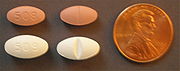 Citalopram is approved to treat the symptoms of major depression.
, panic disorder
, PMDD, Body dysmorphic disorder
and OCD.
Citalopram has been found to greatly reduce the symptoms of diabetic neuropathy
and premature ejaculation
. There is also evidence that citalopram may be effective in the treatment of post-stroke pathological crying.
While on its own citalopram is less effective than amitriptyline
in the prevention of migraines
, in refractory cases combination therapy may be more effective.
Citalopram and other SSRIs
can be used to treat hot flashes.
A 2009 multisite randomized controlled study found no benefit and some adverse effects in autistic children from citalopram, raising doubts whether SSRIs are effective for treating repetitive behavior in children with autism.
Some research suggests that citalopram interacts with cannabinoid protein-couplings in the rat brain,
and this is put forward as a potential cause of some of the drug's antidepressant effect.
actively absorbs free serotonin, as this receptor is present within the digestive tract. The 5HT3 receptors
stimulate vomiting. This side effect, if present, should subside as the body adjusts to the medication.
Citalopram is considered safe and well-tolerated in the therapeutic dose
range. Distinct from some other agents in its class, citalopram exhibits linear pharmacokinetics
and minimal drug interaction
potential, making it a better choice for the elderly or comorbid
patients.
is often a side effect with SSRIs
. Specifically, common side effects include difficulty becoming aroused, lack of interest in sex, and anorgasmia
(trouble achieving orgasm). Genital anesthesia, loss of or decreased response to sexual stimuli, and ejaculatory anhedonia
are also possible. Although usually reversible, these sexual side effects can last for months or years after the drug has been completely withdrawn. This is known as Post SSRI Sexual Dysfunction
.
Citalopram theoretically causes side effects by increasing the concentration of serotonin
in other parts of the body (e.g., the intestines). Other side effects, such as increased apathy and emotional flattening, may be caused by the decrease in dopamine
release that is associated with increased serotonin. Citalopram is also a mild antihistamine
, which may be responsible for some of its sedating properties.
Common side effects of citalopram include drowsiness
, insomnia
, nausea
, weight changes, frequent urination, decreased sex drive, anorgasmia
, dry mouth
, increased sweating, trembling
, diarrhea
, excessive yawning, and fatigue. Less common side effects include bruxism
, vomiting
, cardiac arrhythmia, blood pressure
changes, dilated pupils, anxiety
, mood swing
s, headache
, and dizziness
. Rare side effects include convulsions
, hallucinations, and severe allergic reactions
. If sedation occurs, the dose may be taken at bedtime rather than in the morning.
Citalopram and other SSRIs
can induce a mixed state
, especially in those with undiagnosed bipolar disorder
.
Citalopram should not be taken with St John's wort
, tryptophan
or 5-HTP as the resulting drug interaction could lead to serotonin syndrome
. With St John's wort, this may be caused by compounds in the plant extract reducing the efficacy of the hepatic
cytochrome P450 enzymes that process citalopram. It has also been suggested that such compounds, including hypericin
, hyperforin
and flavonoids, could have SSRI-mimetic effects on the nervous system, although this is still subject to debate. One study found that Hypericum
extracts had similar effects in treating moderate depression as citalopram, with fewer side effects. Tryptophan and 5-HTP are precursors to serotonin and can cause a rise in serotonin. When taken with an SSRI, such as citalopram, this can lead to levels of serotonin that can be lethal.
In the US, Federal health regulators are warning doctors not to prescribe high doses of the antidepressant Citalopram, because of the risk of fatal heart complications. The Food and Drug Administration said the drug could interfere with the heart’s electrical activity at doses above 40 milligrams and lead to sudden death.
Citalopram is contraindicated
in individuals taking MAOIs
, due to potential for serotonin syndrome
.
SSRIs
, including citalopram, can increase the risk of bleeding, especially when coupled with aspirin
, NSAIDs
, warfarin
, or other anticoagulants.
When taken with Prilosec, the clearance of citalopram may be reduced, leading to higher blood levels of citalopram. Prilosec inhibits the CYP450 2C19 enzyme, one of the two primary enzymes responsible for the metabolism of citalopram. Dosage adjustments may be needed due to this effect.
SSRI discontinuation syndrome
has been reported when treatment is stopped. Tapering off citalopram therapy, as opposed to abrupt discontinuation, is recommended in order to diminish the occurrence and severity of discontinuation symptoms. Some doctors may choose to switch a patient to Prozac (Fluoxetine) when discontinuing Citalopram as Prozac has a much longer half-life (i.e. stays in the body longer compared to Citalopram). This may avoid many of the severe withdrawal symptoms associated with Citalopram discontinuation. This can be done either by administering a single 20 mg dose of Prozac or by beginning on a low dosage of Prozac and slowly tapering down. Either of these prescriptions may be written in liquid form to allow a very slow and gradual tapering down in dosage. Alternatively, a patient wishing to stop taking Citalopram may visit a compounding pharmacy where his or her prescription may be re-arranged into progressively smaller dosages.
According to the FDA, Celexa "can cause abnormal changes to the electrical activity of the heart." and can lead to fatal changes in the heart's rhythm. The higher the dose, the greater the risk to the heart.
stating that it may increase suicidal thinking and behavior in those under age 24.
ref name="emaxhealth">http://www.emaxhealth.com/1506/celexa-higher-doses-linked-abnormal-heart-rhythm-certain-patients, The Food and drug administration states that doses higher than 40 milligrams have been linked to Long QT Syndrome (LQTS) a heart rhythm disorder that can potentially cause fast, chaotic heartbeats that could trigger a sudden fainting spell or seizure. In some cases, the heart beats so erratically for so long that it can cause sudden death.'
, to which a 4-fluoro
phenyl group
and an N,N-dimethyl-3-aminopropyl group bind. Due to this chirality
, the molecule exists in (two) enantiomer
ic forms (mirror images). They are termed S-(+)-citalopram and R-(–)-citalopram.
Citalopram is sold as a racemic
mixture, consisting of 50% (R)-(−)-citalopram and 50% (S)-(+)-citalopram. Only the (S)-(+) enantiomer has the desired antidepressant effect. Lundbeck
now markets the (S)-(+) enantiomer, the generic name of which is escitalopram
. Whereas citalopram is supplied as the hydrobromide
, escitalopram is sold as the oxalate
salt (hydrooxalate). In both cases, the salt forms of the amine make these otherwise lipophilic
compounds water-soluble.
s desmethylcitalopram
and didesmethylcitalopram
are significantly less energetic and their contribution to the overall action of citalopram is negligible.
. The patent
expired in 2003, allowing other companies to legally produce generic
versions. Lundbeck has recently released an updated formulation called escitalopram
, which is the S-enantiomer
of the racemic
citalopram (see b), and acquired a new patent for it. In the United States, Forest Labs manufactures and markets the drug.
), Citalopram (USA, United Kingdom, Denmark), Citta (Brazil), Cipramil (Australia, Brazil, Finland, Germany, Netherlands, Ireland, Israel, Norway, Sweden, United Kingdom, New Zealand, South Africa, Russia), Elopram (Italy), Citol (Russia), Vodelax (Turkey), Citrol, Seropram, Talam (Europe and Australia), Citabax, Citaxin (Poland), Citalec (Slovakia, Czech Republic), Recital (Israel, Thrima Inc. for Unipharm Ltd.), Zetalo (India), Celapram, Ciazil (Australia, New Zealand), Zentius, Cimal (South America, by Roemmers and Recalcine), Ciprapine (Ireland), Cilift (South Africa), Citox (Mexico), Temperax (Chile, Peru, Argentina), Talohexal (Australia), Citopam (Australia), Akarin (Denmark, Nycomed), Cipram (Turkey, Denmark, H. Lundbeck A/S), Dalsan (Eastern Europe), Pram (Russia), Pramcit (Pakistan), Celius (Greece), Humorup (Argentina), Oropram (Iceland, Actavis), Opra (Russia), and Zylotex (Portugal).
Antidepressant
An antidepressant is a psychiatric medication used to alleviate mood disorders, such as major depression and dysthymia and anxiety disorders such as social anxiety disorder. According to Gelder, Mayou &*Geddes people with a depressive illness will experience a therapeutic effect to their mood;...
drug
Medication
A pharmaceutical drug, also referred to as medicine, medication or medicament, can be loosely defined as any chemical substance intended for use in the medical diagnosis, cure, treatment, or prevention of disease.- Classification :...
of the selective serotonin reuptake inhibitor
Selective serotonin reuptake inhibitor
Selective serotonin re-uptake inhibitors or serotonin-specific reuptake inhibitor are a class of compounds typically used as antidepressants in the treatment of depression, anxiety disorders, and some personality disorders. The efficacy of SSRIs is disputed...
(SSRI) class. It has U.S. Food and Drug Administration
Food and Drug Administration
The Food and Drug Administration is an agency of the United States Department of Health and Human Services, one of the United States federal executive departments...
(FDA) approval to treat major depression, and is prescribed off-label
Off-label use
Off-label use is the practice of prescribing pharmaceuticals for an unapproved indication or in an unapproved age group, unapproved dose or unapproved form of administration...
for a number of anxiety conditions.
Medical uses
Off-label
Citalopram is frequently used off-label to treat anxietyAnxiety
Anxiety is a psychological and physiological state characterized by somatic, emotional, cognitive, and behavioral components. The root meaning of the word anxiety is 'to vex or trouble'; in either presence or absence of psychological stress, anxiety can create feelings of fear, worry, uneasiness,...
, panic disorder
Panic disorder
Panic disorder is an anxiety disorder characterized by recurring severe panic attacks. It may also include significant behavioral change lasting at least a month and of ongoing worry about the implications or concern about having other attacks. The latter are called anticipatory attacks...
, PMDD, Body dysmorphic disorder
Body dysmorphic disorder
Body Dysmorphic Disorder is a type of mental illness, a somatoform disorder, wherein the affected person is exclusively concerned with body image, manifested as excessive concern about and preoccupation with a perceived defect of his or her physical features...
and OCD.
Citalopram has been found to greatly reduce the symptoms of diabetic neuropathy
Diabetic neuropathy
Diabetic neuropathies are neuropathic disorders that are associated with diabetes mellitus. These conditions are thought to result from diabetic microvascular injury involving small blood vessels that supply nerves in addition to macrovascular conditions that can culminate in diabetic neuropathy...
and premature ejaculation
Premature ejaculation
Premature ejaculation is a condition in which a man ejaculates earlier than he or his partner would like him to. Premature ejaculation is also known as rapid ejaculation, rapid climax, premature climax, or early ejaculation....
. There is also evidence that citalopram may be effective in the treatment of post-stroke pathological crying.
While on its own citalopram is less effective than amitriptyline
Amitriptyline
Amitriptyline is a tricyclic antidepressant . It is the most widely used TCA and has at least equal efficacy against depression as the newer class of SSRIs...
in the prevention of migraines
Prevention of migraines
Preventive treatment of migraines can be an important component of migraine management. Such treatments can take many forms, including everything from taking certain drugs or nutritional supplements, to lifestyle alterations such as increased exercise and avoidance of migraine triggers.The goals...
, in refractory cases combination therapy may be more effective.
Citalopram and other SSRIs
Selective serotonin reuptake inhibitor
Selective serotonin re-uptake inhibitors or serotonin-specific reuptake inhibitor are a class of compounds typically used as antidepressants in the treatment of depression, anxiety disorders, and some personality disorders. The efficacy of SSRIs is disputed...
can be used to treat hot flashes.
A 2009 multisite randomized controlled study found no benefit and some adverse effects in autistic children from citalopram, raising doubts whether SSRIs are effective for treating repetitive behavior in children with autism.
Some research suggests that citalopram interacts with cannabinoid protein-couplings in the rat brain,
and this is put forward as a potential cause of some of the drug's antidepressant effect.
Administration
Citalopram is typically taken in one dose, either in the morning or evening. Citalopram can be taken with or without food. The absorption of citalopram does not increase when taken with food, but can help prevent against nausea. Nausea is often caused when the 5HT3 receptors5-HT3 receptor
The 5-HT3 receptor is a member of the superfamily of ligand-gated ion channels, a superfamily that also includes the neuronal nicotinic acetylcholine receptors , and the inhibitory neurotransmitter receptors for GABA and glycine...
actively absorbs free serotonin, as this receptor is present within the digestive tract. The 5HT3 receptors
5-HT3 receptor
The 5-HT3 receptor is a member of the superfamily of ligand-gated ion channels, a superfamily that also includes the neuronal nicotinic acetylcholine receptors , and the inhibitory neurotransmitter receptors for GABA and glycine...
stimulate vomiting. This side effect, if present, should subside as the body adjusts to the medication.
Citalopram is considered safe and well-tolerated in the therapeutic dose
Effective dose
Effective dose may refer to:*Effective dose the dose of pharmacologic agent which will have a therapeutic effect in some fraction of the population receiving the drug...
range. Distinct from some other agents in its class, citalopram exhibits linear pharmacokinetics
Pharmacokinetics
Pharmacokinetics, sometimes abbreviated as PK, is a branch of pharmacology dedicated to the determination of the fate of substances administered externally to a living organism...
and minimal drug interaction
Drug interaction
A drug interaction is a situation in which a substance affects the activity of a drug, i.e. the effects are increased or decreased, or they produce a new effect that neither produces on its own. Typically, interaction between drugs come to mind...
potential, making it a better choice for the elderly or comorbid
Comorbidity
In medicine, comorbidity is either the presence of one or more disorders in addition to a primary disease or disorder, or the effect of such additional disorders or diseases.- In medicine :...
patients.
Adverse effects
Sexual dysfunctionSexual dysfunction
Sexual dysfunction or sexual malfunction refers to a difficulty experienced by an individual or a couple during any stage of a normal sexual activity, including desire, arousal or orgasm....
is often a side effect with SSRIs
Selective serotonin reuptake inhibitor
Selective serotonin re-uptake inhibitors or serotonin-specific reuptake inhibitor are a class of compounds typically used as antidepressants in the treatment of depression, anxiety disorders, and some personality disorders. The efficacy of SSRIs is disputed...
. Specifically, common side effects include difficulty becoming aroused, lack of interest in sex, and anorgasmia
Anorgasmia
Anorgasmia, or Coughlan's syndrome, is a type of sexual dysfunction in which a person cannot achieve orgasm, even with adequate stimulation. In males the condition is often related to delayed ejaculation . Anorgasmia can often cause sexual frustration...
(trouble achieving orgasm). Genital anesthesia, loss of or decreased response to sexual stimuli, and ejaculatory anhedonia
Anhedonia
In psychology and psychiatry, anhedonia is defined as the inability to experience pleasure from activities usually found enjoyable, e.g. hobbies, exercise, social interaction or sexual activity....
are also possible. Although usually reversible, these sexual side effects can last for months or years after the drug has been completely withdrawn. This is known as Post SSRI Sexual Dysfunction
Post SSRI Sexual Dysfunction
Post-SSRI sexual dysfunction is a name given to a reported iatrogenic sexual dysfunction caused by the previous use of selective serotonin reuptake inhibitor antidepressants. While apparently uncommon, it can last for months, years, or sometimes indefinitely after the discontinuation of SSRIs. ...
.
Citalopram theoretically causes side effects by increasing the concentration of serotonin
Serotonin
Serotonin or 5-hydroxytryptamine is a monoamine neurotransmitter. Biochemically derived from tryptophan, serotonin is primarily found in the gastrointestinal tract, platelets, and in the central nervous system of animals including humans...
in other parts of the body (e.g., the intestines). Other side effects, such as increased apathy and emotional flattening, may be caused by the decrease in dopamine
Dopamine
Dopamine is a catecholamine neurotransmitter present in a wide variety of animals, including both vertebrates and invertebrates. In the brain, this substituted phenethylamine functions as a neurotransmitter, activating the five known types of dopamine receptors—D1, D2, D3, D4, and D5—and their...
release that is associated with increased serotonin. Citalopram is also a mild antihistamine
Antihistamine
An H1 antagonist is a histamine antagonist of the H1 receptor that serves to reduce or eliminate effects mediated by histamine, an endogenous chemical mediator released during allergic reactions...
, which may be responsible for some of its sedating properties.
Common side effects of citalopram include drowsiness
Somnolence
Somnolence is a state of near-sleep, a strong desire for sleep, or sleeping for unusually long periods . It has two distinct meanings, referring both to the usual state preceding falling asleep, and the chronic condition referring to being in that state independent of a circadian rhythm...
, insomnia
Insomnia
Insomnia is most often defined by an individual's report of sleeping difficulties. While the term is sometimes used in sleep literature to describe a disorder demonstrated by polysomnographic evidence of disturbed sleep, insomnia is often defined as a positive response to either of two questions:...
, nausea
Nausea
Nausea , is a sensation of unease and discomfort in the upper stomach with an involuntary urge to vomit. It often, but not always, precedes vomiting...
, weight changes, frequent urination, decreased sex drive, anorgasmia
Anorgasmia
Anorgasmia, or Coughlan's syndrome, is a type of sexual dysfunction in which a person cannot achieve orgasm, even with adequate stimulation. In males the condition is often related to delayed ejaculation . Anorgasmia can often cause sexual frustration...
, dry mouth
Xerostomia
Xerostomia is the medical term for the subjective complaint of dry mouth due to a lack of saliva. Xerostomia is sometimes colloquially called pasties, cottonmouth, drooth, or doughmouth. Several diseases, treatments, and medications can cause xerostomia. It can also be exacerbated by smoking or...
, increased sweating, trembling
Tremor
A tremor is an involuntary, somewhat rhythmic, muscle contraction and relaxation involving to-and-fro movements of one or more body parts. It is the most common of all involuntary movements and can affect the hands, arms, eyes, face, head, vocal folds, trunk, and legs. Most tremors occur in the...
, diarrhea
Diarrhea
Diarrhea , also spelled diarrhoea, is the condition of having three or more loose or liquid bowel movements per day. It is a common cause of death in developing countries and the second most common cause of infant deaths worldwide. The loss of fluids through diarrhea can cause dehydration and...
, excessive yawning, and fatigue. Less common side effects include bruxism
Bruxism
Bruxism is characterized by the grinding of the teeth and typically includes the clenching of the jaw. It is an oral parafunctional activity that occurs in most humans at some time in their lives. In most people, bruxism is mild enough not to be a health problem...
, vomiting
Vomiting
Vomiting is the forceful expulsion of the contents of one's stomach through the mouth and sometimes the nose...
, cardiac arrhythmia, blood pressure
Blood pressure
Blood pressure is the pressure exerted by circulating blood upon the walls of blood vessels, and is one of the principal vital signs. When used without further specification, "blood pressure" usually refers to the arterial pressure of the systemic circulation. During each heartbeat, BP varies...
changes, dilated pupils, anxiety
Anxiety
Anxiety is a psychological and physiological state characterized by somatic, emotional, cognitive, and behavioral components. The root meaning of the word anxiety is 'to vex or trouble'; in either presence or absence of psychological stress, anxiety can create feelings of fear, worry, uneasiness,...
, mood swing
Mood swing
-Associated disorders:Mood swings are commonly associated with mood disorders including bipolar disorder and depression. In patients with cases of bipolar disorder, the patient experiences serious mood swings that last for days or even weeks...
s, headache
Headache
A headache or cephalalgia is pain anywhere in the region of the head or neck. It can be a symptom of a number of different conditions of the head and neck. The brain tissue itself is not sensitive to pain because it lacks pain receptors. Rather, the pain is caused by disturbance of the...
, and dizziness
Dizziness
Dizziness refers to an impairment in spatial perception and stability. The term is somewhat imprecise. It can be used to mean vertigo, presyncope, disequilibrium, or a non-specific feeling such as giddiness or foolishness....
. Rare side effects include convulsions
Seizure
An epileptic seizure, occasionally referred to as a fit, is defined as a transient symptom of "abnormal excessive or synchronous neuronal activity in the brain". The outward effect can be as dramatic as a wild thrashing movement or as mild as a brief loss of awareness...
, hallucinations, and severe allergic reactions
Allergy
An Allergy is a hypersensitivity disorder of the immune system. Allergic reactions occur when a person's immune system reacts to normally harmless substances in the environment. A substance that causes a reaction is called an allergen. These reactions are acquired, predictable, and rapid...
. If sedation occurs, the dose may be taken at bedtime rather than in the morning.
Citalopram and other SSRIs
Selective serotonin reuptake inhibitor
Selective serotonin re-uptake inhibitors or serotonin-specific reuptake inhibitor are a class of compounds typically used as antidepressants in the treatment of depression, anxiety disorders, and some personality disorders. The efficacy of SSRIs is disputed...
can induce a mixed state
Mixed state (psychiatry)
In the context of mental disorder, a mixed state is a condition during which symptoms of mania and depression occur simultaneously...
, especially in those with undiagnosed bipolar disorder
Bipolar disorder
Bipolar disorder or bipolar affective disorder, historically known as manic–depressive disorder, is a psychiatric diagnosis that describes a category of mood disorders defined by the presence of one or more episodes of abnormally elevated energy levels, cognition, and mood with or without one or...
.
Citalopram should not be taken with St John's wort
St John's wort
St John's wort is the plant species Hypericum perforatum, and is also known as Tipton's Weed, Chase-devil, or Klamath weed....
, tryptophan
Tryptophan
Tryptophan is one of the 20 standard amino acids, as well as an essential amino acid in the human diet. It is encoded in the standard genetic code as the codon UGG...
or 5-HTP as the resulting drug interaction could lead to serotonin syndrome
Serotonin syndrome
Serotonin syndrome is a potentially life-threatening adverse drug reaction that may occur following therapeutic drug use, inadvertent interactions between drugs, overdose of particular drugs, or the recreational use of certain drugs...
. With St John's wort, this may be caused by compounds in the plant extract reducing the efficacy of the hepatic
Liver
The liver is a vital organ present in vertebrates and some other animals. It has a wide range of functions, including detoxification, protein synthesis, and production of biochemicals necessary for digestion...
cytochrome P450 enzymes that process citalopram. It has also been suggested that such compounds, including hypericin
Hypericin
Hypericin is a naphthodianthrone, a red-colored anthraquinone-derivative, which, together with hyperforin, is one of the principal active constituents of Hypericum . Hypericin is believed to act as an antibiotic and non-specific kinase inhibitor...
, hyperforin
Hyperforin
Hyperforin is a phytochemical produced by some of the members of the plant genus Hypericum, notably Hypericum perforatum .- Occurrence :...
and flavonoids, could have SSRI-mimetic effects on the nervous system, although this is still subject to debate. One study found that Hypericum
Hypericum
Hypericum is a genus of about 400 species of flowering plants in the family Hypericaceae ....
extracts had similar effects in treating moderate depression as citalopram, with fewer side effects. Tryptophan and 5-HTP are precursors to serotonin and can cause a rise in serotonin. When taken with an SSRI, such as citalopram, this can lead to levels of serotonin that can be lethal.
In the US, Federal health regulators are warning doctors not to prescribe high doses of the antidepressant Citalopram, because of the risk of fatal heart complications. The Food and Drug Administration said the drug could interfere with the heart’s electrical activity at doses above 40 milligrams and lead to sudden death.
Citalopram is contraindicated
Contraindication
In medicine, a contraindication is a condition or factor that serves as a reason to withhold a certain medical treatment.Some contraindications are absolute, meaning that there are no reasonable circumstances for undertaking a course of action...
in individuals taking MAOIs
Monoamine oxidase inhibitor
Monoamine oxidase inhibitors are a class of antidepressant drugs prescribed for the treatment of depression. They are particularly effective in treating atypical depression....
, due to potential for serotonin syndrome
Serotonin syndrome
Serotonin syndrome is a potentially life-threatening adverse drug reaction that may occur following therapeutic drug use, inadvertent interactions between drugs, overdose of particular drugs, or the recreational use of certain drugs...
.
SSRIs
Selective serotonin reuptake inhibitor
Selective serotonin re-uptake inhibitors or serotonin-specific reuptake inhibitor are a class of compounds typically used as antidepressants in the treatment of depression, anxiety disorders, and some personality disorders. The efficacy of SSRIs is disputed...
, including citalopram, can increase the risk of bleeding, especially when coupled with aspirin
Aspirin
Aspirin , also known as acetylsalicylic acid , is a salicylate drug, often used as an analgesic to relieve minor aches and pains, as an antipyretic to reduce fever, and as an anti-inflammatory medication. It was discovered by Arthur Eichengrun, a chemist with the German company Bayer...
, NSAIDs
Non-steroidal anti-inflammatory drug
Nonsteroidal anti-inflammatory drugs, usually abbreviated to NSAIDs or NAIDs, but also referred to as nonsteroidal anti-inflammatory agents/analgesics or nonsteroidal Anti-inflammatory medicines , are drugs with analgesic and antipyretic effects and which have, in higher doses, anti-inflammatory...
, warfarin
Warfarin
Warfarin is an anticoagulant. It is most likely to be the drug popularly referred to as a "blood thinner," yet this is a misnomer, since it does not affect the thickness or viscosity of blood...
, or other anticoagulants.
When taken with Prilosec, the clearance of citalopram may be reduced, leading to higher blood levels of citalopram. Prilosec inhibits the CYP450 2C19 enzyme, one of the two primary enzymes responsible for the metabolism of citalopram. Dosage adjustments may be needed due to this effect.
SSRI discontinuation syndrome
SSRI discontinuation syndrome
SSRI discontinuation syndrome, also known as SSRI withdrawal syndrome or SSRI cessation syndrome, is a syndrome that can occur following the interruption, dose reduction, or discontinuation of SSRI or SNRI antidepressant medications...
has been reported when treatment is stopped. Tapering off citalopram therapy, as opposed to abrupt discontinuation, is recommended in order to diminish the occurrence and severity of discontinuation symptoms. Some doctors may choose to switch a patient to Prozac (Fluoxetine) when discontinuing Citalopram as Prozac has a much longer half-life (i.e. stays in the body longer compared to Citalopram). This may avoid many of the severe withdrawal symptoms associated with Citalopram discontinuation. This can be done either by administering a single 20 mg dose of Prozac or by beginning on a low dosage of Prozac and slowly tapering down. Either of these prescriptions may be written in liquid form to allow a very slow and gradual tapering down in dosage. Alternatively, a patient wishing to stop taking Citalopram may visit a compounding pharmacy where his or her prescription may be re-arranged into progressively smaller dosages.
According to the FDA, Celexa "can cause abnormal changes to the electrical activity of the heart." and can lead to fatal changes in the heart's rhythm. The higher the dose, the greater the risk to the heart.
Suicidality
In the United States, citalopram, like other antidepressants, carries a black box warningBlack box warning
In the United States, a black box warning is a type of warning that appears on the package insert for prescription drugs that may cause serious adverse effects...
stating that it may increase suicidal thinking and behavior in those under age 24.
Overdosage
Overdosage may result in vomiting, sedation, disturbances in heart rhythm, dizziness, sweating, nausea, tremor, and rarely amnesia, confusion, coma, or convulsions. A number of overdose deaths have occurred, sometimes involving other drugs but also with citalopram as the sole agent. Citalopram and N-desmethylcitalopram may be quantitated in blood or plasma to confirm a diagnosis of poisoning in hospitalized patients or to assist in a medicolegal death investigation. Blood or plasma citalopram concentrations are usually in a range of 50-400 μg/L in persons receiving the drug therapeutically, 1000-3000 μg/L in patients who survive acute overdosage and 3–30 mg/L in those who do not survive.ref name="emaxhealth">http://www.emaxhealth.com/1506/celexa-higher-doses-linked-abnormal-heart-rhythm-certain-patients, The Food and drug administration states that doses higher than 40 milligrams have been linked to Long QT Syndrome (LQTS) a heart rhythm disorder that can potentially cause fast, chaotic heartbeats that could trigger a sudden fainting spell or seizure. In some cases, the heart beats so erratically for so long that it can cause sudden death.'
Stereochemistry
Citalopram has one stereocenterStereocenter
A stereocenter or stereogenic center is an atom, bearing groups such that an interchanging of any two groups leads to a stereoisomer.A chirality center is a stereocenter consisting of an atom holding a set of ligands in a spatial arrangement which is not superposable on its mirror image...
, to which a 4-fluoro
Fluorocarbon
Fluorocarbons, sometimes referred to as perfluorocarbons or PFCs, are organofluorine compounds that contain only carbon and fluorine bonded together in strong carbon–fluorine bonds. Fluoroalkanes that contain only single bonds are more chemically and thermally stable than alkanes...
phenyl group
Phenyl group
In organic chemistry, the phenyl group or phenyl ring is a cyclic group of atoms with the formula C6H5. Phenyl groups are closely related to benzene. Phenyl groups have six carbon atoms bonded together in a hexagonal planar ring, five of which are bonded to individual hydrogen atoms, with the...
and an N,N-dimethyl-3-aminopropyl group bind. Due to this chirality
Chirality (chemistry)
A chiral molecule is a type of molecule that lacks an internal plane of symmetry and thus has a non-superimposable mirror image. The feature that is most often the cause of chirality in molecules is the presence of an asymmetric carbon atom....
, the molecule exists in (two) enantiomer
Enantiomer
In chemistry, an enantiomer is one of two stereoisomers that are mirror images of each other that are non-superposable , much as one's left and right hands are the same except for opposite orientation. It can be clearly understood if you try to place your hands one over the other without...
ic forms (mirror images). They are termed S-(+)-citalopram and R-(–)-citalopram.
 | |
 | -citalopram.png) |
| (S)-(+)-citalopram | (R)-(–)-citalopram |
Citalopram is sold as a racemic
Racemic
In chemistry, a racemic mixture, or racemate , is one that has equal amounts of left- and right-handed enantiomers of a chiral molecule. The first known racemic mixture was "racemic acid", which Louis Pasteur found to be a mixture of the two enantiomeric isomers of tartaric acid.- Nomenclature :A...
mixture, consisting of 50% (R)-(−)-citalopram and 50% (S)-(+)-citalopram. Only the (S)-(+) enantiomer has the desired antidepressant effect. Lundbeck
Lundbeck
H. Lundbeck A/S is a Danish international pharmaceutical company engaged in the research and development, production, marketing, and sale of drugs for the treatment of disorders in the central nervous system , including depression, schizophrenia, Alzheimer’s disease, Parkinson’s disease,...
now markets the (S)-(+) enantiomer, the generic name of which is escitalopram
Escitalopram
Escitalopram is an antidepressant of the selective serotonin reuptake inhibitor class. It is approved by the U.S...
. Whereas citalopram is supplied as the hydrobromide
Hydrobromic acid
Hydrobromic acid is a strong acid formed by dissolving the diatomic molecule hydrogen bromide in water. "Constant boiling" hydrobromic acid is an aqueous solution that distills at 124.3 °C and contains 47.6% HBr by weight, which is 8.89 mol/L. Hydrobromic acid has a pKa of −9, making it a...
, escitalopram is sold as the oxalate
Oxalate
Oxalate , is the dianion with formula C2O42− also written 22−. Either name is often used for derivatives, such as disodium oxalate, 2C2O42−, or an ester of oxalic acid Oxalate (IUPAC: ethanedioate), is the dianion with formula C2O42− also written (COO)22−. Either...
salt (hydrooxalate). In both cases, the salt forms of the amine make these otherwise lipophilic
Lipophilic
Lipophilicity, , refers to the ability of a chemical compound to dissolve in fats, oils, lipids, and non-polar solvents such as hexane or toluene. These non-polar solvents are themselves lipophilic — the axiom that like dissolves like generally holds true...
compounds water-soluble.
Metabolites
Citalopram metaboliteMetabolite
Metabolites are the intermediates and products of metabolism. The term metabolite is usually restricted to small molecules. A primary metabolite is directly involved in normal growth, development, and reproduction. Alcohol is an example of a primary metabolite produced in large-scale by industrial...
s desmethylcitalopram
Desmethylcitalopram
Desmethylcitalopram is an active metabolite of the antidepressant drugs citalopram and escitalopram...
and didesmethylcitalopram
Didesmethylcitalopram
Didesmethylcitalopram is an active metabolite of the antidepressant drug citalopram . Didesmethylescitalopram is an active metabolite of the antidepressant escitalopram, the S-enantiomer of citalopram...
are significantly less energetic and their contribution to the overall action of citalopram is negligible.
History
Citalopram was originally created in 1989 by the pharmaceutical company LundbeckLundbeck
H. Lundbeck A/S is a Danish international pharmaceutical company engaged in the research and development, production, marketing, and sale of drugs for the treatment of disorders in the central nervous system , including depression, schizophrenia, Alzheimer’s disease, Parkinson’s disease,...
. The patent
Patent
A patent is a form of intellectual property. It consists of a set of exclusive rights granted by a sovereign state to an inventor or their assignee for a limited period of time in exchange for the public disclosure of an invention....
expired in 2003, allowing other companies to legally produce generic
Generic drug
A generic drug is a drug defined as "a drug product that is comparable to brand/reference listed drug product in dosage form, strength, route of administration, quality and performance characteristics, and intended use." It has also been defined as a term referring to any drug marketed under its...
versions. Lundbeck has recently released an updated formulation called escitalopram
Escitalopram
Escitalopram is an antidepressant of the selective serotonin reuptake inhibitor class. It is approved by the U.S...
, which is the S-enantiomer
Enantiomer
In chemistry, an enantiomer is one of two stereoisomers that are mirror images of each other that are non-superposable , much as one's left and right hands are the same except for opposite orientation. It can be clearly understood if you try to place your hands one over the other without...
of the racemic
Racemic
In chemistry, a racemic mixture, or racemate , is one that has equal amounts of left- and right-handed enantiomers of a chiral molecule. The first known racemic mixture was "racemic acid", which Louis Pasteur found to be a mixture of the two enantiomeric isomers of tartaric acid.- Nomenclature :A...
citalopram (see b), and acquired a new patent for it. In the United States, Forest Labs manufactures and markets the drug.
Brand names
Citalopram is sold under the brand-names Celexa (U.S. and Canada, Forest Laboratories, Inc.Forest Laboratories
Forest Laboratories is a pharmaceutical company headquartered in New York City, USA. Its revenues for the year ended 31 March 2007 were US$3.4 billion. The company's research and development spending has grown rapidly in recent years, and as of 2007, approached almost a billion US dollars a year,...
), Citalopram (USA, United Kingdom, Denmark), Citta (Brazil), Cipramil (Australia, Brazil, Finland, Germany, Netherlands, Ireland, Israel, Norway, Sweden, United Kingdom, New Zealand, South Africa, Russia), Elopram (Italy), Citol (Russia), Vodelax (Turkey), Citrol, Seropram, Talam (Europe and Australia), Citabax, Citaxin (Poland), Citalec (Slovakia, Czech Republic), Recital (Israel, Thrima Inc. for Unipharm Ltd.), Zetalo (India), Celapram, Ciazil (Australia, New Zealand), Zentius, Cimal (South America, by Roemmers and Recalcine), Ciprapine (Ireland), Cilift (South Africa), Citox (Mexico), Temperax (Chile, Peru, Argentina), Talohexal (Australia), Citopam (Australia), Akarin (Denmark, Nycomed), Cipram (Turkey, Denmark, H. Lundbeck A/S), Dalsan (Eastern Europe), Pram (Russia), Pramcit (Pakistan), Celius (Greece), Humorup (Argentina), Oropram (Iceland, Actavis), Opra (Russia), and Zylotex (Portugal).