

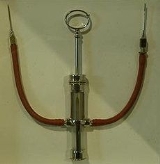
Blood transfusion

Encyclopedia
Blood transfusion is the process of receiving blood
products into one's circulation
intravenously. Transfusions are used in a variety of medical conditions to replace lost components of the blood. Early transfusions used whole blood
, but modern medical practice commonly uses only components of the blood, such as red blood cells, white blood cells, plasma
, clotting factors, and platelets.
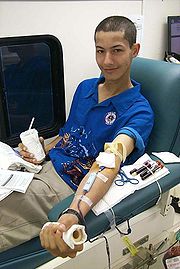 Blood transfusions typically use two sources of blood: one's own (autologous transfusion), or someone else's (allogeneic transfusion). The latter is much more common than the former. Using another's blood must first start with donation of blood. Blood is most commonly donated as whole blood
intravenously and collecting it with an anticoagulant
. In developed countries, donations are usually anonymous to the recipient, but products in a blood bank
are always individually traceable through the whole cycle of donation, testing, separation into components, storage, and administration to the recipient. This enables management and investigation of any suspected transfusion related disease transmission or transfusion reaction. In developing countries the donor is sometimes specifically recruited by or for the recipient, typically a family member, and the donation occurs immediately before the transfusion.
s, plasma
, platelet
s, albumin
protein
, clotting factor concentrates, cryoprecipitate
, fibrinogen
concentrate, and immunoglobulins (antibodies
). Red cells, plasma and platelets can also be donated individually via a more complex process called apheresis
.
A positive screen warrants an antibody panel/investigation to determine if it is clinically significant. An antibody panel consists of commercially prepared group O red cell suspensions from donors that have been phenotyped for commonly encountered and clinically significant alloantibodies. Donor cells may have homozygous (e.g. K+k-), heterozygous (K+k+) expression or no expression of various antigens (K-k+). The phenotypes of all the donor cells being tested are shown in a chart. The patient's serum is tested against the various donor cells using an enhancement method, e.g. Gel or LISS. Based on the reactions of the patient's serum against the donor cells, a pattern will emerge to confirm the presence of one or more antibodies. Not all antibodies are clinically significant (i.e. cause transfusion reactions, HDN, etc.). Once the patient has developed a clinically significant antibody it is vital that the patient receive antigen negative phenotyped red blood cells to prevent future transfusion reactions. A direct antiglobulin test (Coombs test) is also performed as part of the antibody investigation.
If there is no antibody present, an immediate spin crossmatch or computer assisted crossmatch is performed where the recipient serum and donor serum are incubated. In the immediate spin method, two drops of patient serum are tested against a drop of 3-5% suspension of donor cells in a test tube and spun in a serofuge. Agglutination or hemolysis (i.e., positive Coombs test) in the test tube is a positive reaction and the unit should not be transfused.
If an antibody is suspected, potential donor units must first be screened for the corresponding antigen by phenotyping them. Antigen negative units are then tested against the patient plasma using an antiglobulin/indirect crossmatch technique at 37 degrees Celsius to enhance reactivity and make the test easier to read.
In urgent cases where crossmatching cannot be completed, and the risk of dropping hemoglobin outweighs the risk transfusing uncrossmatched blood, O-negative blood is used, followed by crossmatch as soon as possible. O-negative is also used for children and women of childbearing age. It is preferable for the laboratory to obtain a pre-transfusion sample in these cases so a type and screen can be performed to determine the actual blood group of the patient and to check for alloantibodies.
. Most guidelines recommend the provision of CMV-negative blood components and not simply leukoreduced components for newborns or low birthweight infants in whom the immune system is not fully developed. These specific requirements place additional restrictions on blood donors who can donate for neonatal use.
Neonatal transfusions typically fall into one of two categories:
and platlets are given relative to packed red blood cells
.
. Infessura relates that, in 1492, as Pope Innocent VIII sank into a coma
, the blood of three boys was infused into the dying pontiff (through the mouth, as the concept of circulation and methods for intravenous access did not exist at that time) at the suggestion of a physician. The boys were ten years old, and had been promised a ducat
each. However, not only did the pope die, but so did the three children. Some authors have discredited Infessura's account, accusing him of anti-papalism.
 Beginning with Harvey's
experiments with circulation of the blood, more sophisticated research into blood transfusion began in the 17th century, with successful experiments in transfusion between animals. However, successive attempts on humans continued to have fatal results.
The first fully documented human blood transfusion was administered by Dr. Jean-Baptiste Denys
, eminent physician to King Louis XIV of France, on June 15, 1667. He transfused the blood of a sheep into a 15-year-old boy, who survived the transfusion. Denys performed another transfusion into a labourer, who also survived. Both instances were likely due to the small amount of blood that was actually transfused into these people. This allowed them to withstand the allergic reaction. Denys' third patient to undergo a blood transfusion was Swedish Baron Gustaf Bonde. He received two transfusions. After the second transfusion Bonde died. In the winter of 1667, Denys performed several transfusions on Antoine Mauroy with calf's blood, who on the third account died. Much controversy surrounded his death. Mauroy's wife asserted Denys was responsible for her husband's death; she was accused as well, though it was later determined that Mauroy actually died from arsenic poisoning
, Denys' experiments with animal blood provoked a heated controversy in France. Finally, in 1670 the procedure was banned. In time, the British Parliament and even the pope followed suit. Blood transfusions fell into obscurity for the next 150 years.
"Many of his colleagues were present. Towards the end of February 1665 [when he] selected one dog of medium size, opened its jugular vein, and drew off blood, until ... its strength was nearly gone. Then, to make up for the great loss of this dog by the blood of a second, I introduced blood from the cervical artery of a fairly large mastiff, which had been fastened alongside the first, until this latter animal showed ... it was overfilled ... by the inflowing blood." After he "sewed up the jugular veins," the animal recovered "with no sign of discomfort or of displeasure."
Lower had performed the first blood transfusion between animals. He was then "requested by the Honorable [Robert] Boyle ... to acquaint the Royal Society with the procedure for the whole experiment," which he did in December of 1665 in the Society's Philosophical Transactions. On 15 June 1667 Denys, then a professor in Paris, carried out the first transfusion between humans and claimed credit for the technique, but Lower's priority cannot be challenged.
Six months later in London, Lower performed the first human transfusion in Britain, where he "superintended the introduction in [a patient's] arm at various times of some ounces of sheep's blood at a meeting of the Royal Society, and without any inconvenience to him." The recipient was Arthur Coga, "the subject of a harmless form of insanity." Sheep's blood was used because of speculation about the value of blood exchange between species; it had been suggested that blood from a gentle lamb might quiet the tempestuous spirit of an agitated person and that the shy might be made outgoing by blood from more sociable creatures. Lower wanted to treat Coga several times, but his patient refused. No more transfusions were performed. Shortly before, Lower had moved to London, where his growing practice soon led him to abandon research.
).
In 1818, Dr. James Blundell
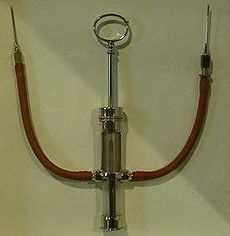
, a British obstetrician, performed the first successful blood transfusion of human blood, for the treatment of postpartum hemorrhage. He used the patient's husband as a donor, and extracted four ounces of blood from his arm to transfuse into his wife. During the years 1825 and 1830, Dr. Blundell performed 10 transfusions, five of which were beneficial, and published his results. He also invented many instruments for the transfusion of blood. He made a substantial amount of money from this endeavour, roughly $2 million ($50 million real dollars).
In 1840, at St George's Hospital Medical School in London, Samuel Armstrong Lane, aided by Dr. Blundell, performed the first successful whole blood transfusion to treat
hemophilia.
In Bram Stoker's novel "Dracula", published in 1897, various incidences of blood transfusion were deliberated upon.
George Washington Crile
is credited with performing the first surgery using a direct blood transfusion at the Cleveland Clinic
.
Early transfusions were risky and many resulted in the death of the patient. It was not until 1901, when the Austrian Karl Landsteiner
discovered human blood groups, that blood transfusions became safer. Mixing blood from two incompatible individuals can lead to an immune response, and the destruction of red blood cells
releases free hemoglobin
into the bloodstream, which can have fatal consequences. Karl Landsteiner discovered that when incompatible types are mixed, the red blood cells clump, and that this immunological reaction occurs when the receiver of a blood transfusion has antibodies against the donor blood cells. His work made it possible to determine blood type
and allowed a way for blood transfusions to be carried out much more safely. For this discovery he was awarded the Nobel Prize in Physiology and Medicine in 1930, and many other blood groups
have been discovered since.
andrefrigerating
the blood it was possible to store it for some days, thus opening the way for blood bank
s. The first non-direct transfusion was performed on March 27, 1914 by the Belgian
doctor Albert Hustin
, though this was a diluted solution of blood. The Argentine
doctor Luis Agote
used a much less diluted solution in November of the same year. Both used sodium citrate
as an anticoagulant.The first blood transfusion using blood that had been stored and cooled was performed on January 1, 1916. Oswald Hope Robertson
, a medical researcher and U.S. Army officer, is generally credited with establishing the first blood bank while serving in France
during World War I
.
The first academic institution devoted to the science of blood transfusion was founded byAlexander Bogdanov
in Moscow
in 1925. Bogdanov was motivated, at least in part, by a search for eternal youth
, and remarked with satisfaction on the improvement of his eyesight, suspension of balding, and other positive symptoms after receiving 11 transfusions of whole blood
.
In fact, following the death of Vladimir Lenin
, Bogdanov was entrusted with the study of Lenin's brain
, with a view toward resuscitating the deceased Bolshevik
leader. Bogdanov died in 1928 as a result of one of his experiments, when the blood of a student suffering frommalaria
and tuberculosis
was given to him in a transfusion. Some scholars (e.g. Loren Graham
) have speculated that his death may have been a suicide, while others attribute it to blood type incompatibility, which was not completely understood at the time.
Today, Red Blood Cells (RBC) can be stored for up to 42 days / 6 weeks from the time of collection, assuming proper storage solutions and conditions. While this particular shelf life has little evidentiary basis and persists primarily for historical reasons, it remains the default metric in the absence of any direct means for measuring actual quality degradation of product units. Likewise, inventory is managed essentially on a "first-in-first-out" basis, due to the need to rely upon storage time as a rough indicator of quality (with many controversies surrounding the extent to which this is reliable).
set up a national system of blood banks in the 1930s. News of the Soviet experience traveled to America, where in 1937 Bernard Fantus
, director of therapeutics at the Cook County Hospital in Chicago
, established the first hospital blood bank in the United States
. In creating a hospital laboratory that preserved and stored donor blood, Fantus originated the term "blood bank". Within a few years, hospital and community blood banks were established across the United States.
In the late 1930s and early 1940s, Dr. Charles R. Drew
's research led to the discovery that blood could be separated into blood plasma
and red blood cells, and that the plasma could be frozen separately. Blood stored in this way lasted longer and was less likely to become contaminated.
Another important breakthrough came in 1939-40 when Karl Landsteiner
, Alex Wiener, Philip Levine, and R.E. Stetson discovered the Rhesus blood group system
, which was found to be the cause of the majority of transfusion reactions up to that time. Three years later, the introduction by J.F. Loutit
and Patrick L. Mollison ofacid-citrate-dextrose
(ACD) solution, which reduces the volume of anticoagulant, permitted transfusions of greater volumes of blood and allowed longer term storage.
Carl Walter and W.P. Murphy, Jr. introduced the plastic bag
for blood collection in 1950. Replacing breakable glass
bottles with durable plastic bags allowed for the evolution of a collection system capable of safe and easy preparation of multiple blood components from a single unit of whole blood.
In the field of cancer surgery massive blood loss became a major problem to replace. The cardiac arrest rate was high. In 1963, C. Paul Boyan and Willam Howland discovered that the temperature of the blood and the rate of infusion greatly affected survival rates, and introduced blood warming to surgery.
Further extending the shelf life of stored blood was an anticoagulant preservative, CPDA-1, introduced in 1979, which increased the blood supply and facilitated resource-sharing among blood banks.
As of 2006, there were about 15 million units of blood products transfused per year in the United States.
object to blood transfusion
primarily on religious grounds—they believe that blood is sacred, although they have also highlighted possible complications associated with transfusion.
s also administer transfusions to other animals. Various species
require different levels of testing to ensure a compatible match. For example, cat
s have 3 known blood types, cattle
have 11, dog
s have 12, pig
s 16 and horse
s have 34. However, in many species (especially horses and dogs), cross matching is not required before the first transfusion, as antibodies against non-self cell surface antigens are not expressed constitutively - i.e. the animal has to be sensitized before it will mount an immune response against the transfused blood.
The rare and experimental practice of inter-species blood transfusions is a form of xenograft.
, which is the typical objective of a blood (RBC) transfusion; however, there are widely available non-blood volume expanders for cases where only volume restoration is required. These are helping doctors and surgeons avoid the risks of disease transmission and immune suppression, address the chronic blood donor shortage, and address the concerns of Jehovah's Witnesses
and others who have religious objections to receiving transfused blood.
A number of blood substitutes have been explored (and still are), but thus far they all suffer from many challenges. Most attempts to find a suitable alternative to blood thus far have concentrated on cell-free hemoglobin solutions. Blood substitutes could make transfusions more readily available in emergency medicine
and in pre-hospital EMS care. If successful, such a blood substitute could save many lives, particularly in trauma where massive blood loss results. Hemopure
, a hemoglobin-based therapy, is approved for use in South Africa
.
Blood
Blood is a specialized bodily fluid in animals that delivers necessary substances such as nutrients and oxygen to the cells and transports metabolic waste products away from those same cells....
products into one's circulation
Circulatory system
The circulatory system is an organ system that passes nutrients , gases, hormones, blood cells, etc...
intravenously. Transfusions are used in a variety of medical conditions to replace lost components of the blood. Early transfusions used whole blood
Whole blood
Whole blood is a term used in transfusion medicine for human blood from a standard blood donation. The blood is typically combined with an anticoagulant during the collection process, but is generally otherwise unprocessed...
, but modern medical practice commonly uses only components of the blood, such as red blood cells, white blood cells, plasma
Blood plasma
Blood plasma is the straw-colored liquid component of blood in which the blood cells in whole blood are normally suspended. It makes up about 55% of the total blood volume. It is the intravascular fluid part of extracellular fluid...
, clotting factors, and platelets.
Pre-transfusion procedures
Before a blood transfusion is given, there are many steps taken to ensure quality of the blood products, compatibility, and safety to the recipient.Blood donation
Whole blood
Whole blood is a term used in transfusion medicine for human blood from a standard blood donation. The blood is typically combined with an anticoagulant during the collection process, but is generally otherwise unprocessed...
intravenously and collecting it with an anticoagulant
Anticoagulant
An anticoagulant is a substance that prevents coagulation of blood. A group of pharmaceuticals called anticoagulants can be used in vivo as a medication for thrombotic disorders. Some anticoagulants are used in medical equipment, such as test tubes, blood transfusion bags, and renal dialysis...
. In developed countries, donations are usually anonymous to the recipient, but products in a blood bank
Blood bank
A blood bank is a cache or bank of blood or blood components, gathered as a result of blood donation, stored and preserved for later use in blood transfusion. The term "blood bank" typically refers to a division of a hospital laboratory where the storage of blood product occurs and where proper...
are always individually traceable through the whole cycle of donation, testing, separation into components, storage, and administration to the recipient. This enables management and investigation of any suspected transfusion related disease transmission or transfusion reaction. In developing countries the donor is sometimes specifically recruited by or for the recipient, typically a family member, and the donation occurs immediately before the transfusion.
Processing and testing of blood products after donation
Donated blood is usually subjected to processing after it is collected, to make it suitable for use in specific patient populations. Collected blood is then separated into blood components by centrifugation: red blood cellRed blood cell
Red blood cells are the most common type of blood cell and the vertebrate organism's principal means of delivering oxygen to the body tissues via the blood flow through the circulatory system...
s, plasma
Blood plasma
Blood plasma is the straw-colored liquid component of blood in which the blood cells in whole blood are normally suspended. It makes up about 55% of the total blood volume. It is the intravascular fluid part of extracellular fluid...
, platelet
Platelet
Platelets, or thrombocytes , are small,irregularly shaped clear cell fragments , 2–3 µm in diameter, which are derived from fragmentation of precursor megakaryocytes. The average lifespan of a platelet is normally just 5 to 9 days...
s, albumin
Human serum albumin
Human serum albumin is the most abundant protein in human blood plasma. It is produced in the liver. Albumin constitutes about half of the blood serum protein...
protein
Protein
Proteins are biochemical compounds consisting of one or more polypeptides typically folded into a globular or fibrous form, facilitating a biological function. A polypeptide is a single linear polymer chain of amino acids bonded together by peptide bonds between the carboxyl and amino groups of...
, clotting factor concentrates, cryoprecipitate
Cryoprecipitate
Cryoprecipitate, also called "Cryoprecipitated Antihemophilic Factor", "Cryoprecipitated AHF", and most commonly just "cryo", is a frozen blood product prepared from plasma.It is often transfused as a four to six unit pool instead of as a single product...
, fibrinogen
Fibrinogen
Fibrinogen is a soluble plasma glycoprotein, synthesised by the liver, that is converted by thrombin into fibrin during blood coagulation. This is achieved through processes in the coagulation cascade that activate the zymogen prothrombin to the serine protease thrombin, which is responsible for...
concentrate, and immunoglobulins (antibodies
Antibody
An antibody, also known as an immunoglobulin, is a large Y-shaped protein used by the immune system to identify and neutralize foreign objects such as bacteria and viruses. The antibody recognizes a unique part of the foreign target, termed an antigen...
). Red cells, plasma and platelets can also be donated individually via a more complex process called apheresis
Apheresis
Apheresis is a medical technology in which the blood of a donor or patient is passed through an apparatus that separates out one particular constituent and returns the remainder to the circulation...
.
- All donated blood are tested for infections. The current protocol tests donated blood for HIV-1, HIV-2, HTLV-1, HTLV-2, Hepatitis B, Hepatitis CHepatitis CHepatitis C is an infectious disease primarily affecting the liver, caused by the hepatitis C virus . The infection is often asymptomatic, but chronic infection can lead to scarring of the liver and ultimately to cirrhosis, which is generally apparent after many years...
, SyphilisSyphilisSyphilis is a sexually transmitted infection caused by the spirochete bacterium Treponema pallidum subspecies pallidum. The primary route of transmission is through sexual contact; however, it may also be transmitted from mother to fetus during pregnancy or at birth, resulting in congenital syphilis...
(T pallidum), Chagas diseaseChagas diseaseChagas disease is a tropical parasitic disease caused by the flagellate protozoan Trypanosoma cruzi. T. cruzi is commonly transmitted to humans and other mammals by an insect vector, the blood-sucking insects of the subfamily Triatominae most commonly species belonging to the Triatoma, Rhodnius,...
(T cruzi), and West Nile VirusWest Nile virusWest Nile virus is a virus of the family Flaviviridae. Part of the Japanese encephalitis antigenic complex of viruses, it is found in both tropical and temperate regions. It mainly infects birds, but is known to infect humans, horses, dogs, cats, bats, chipmunks, skunks, squirrels, domestic...
. In addition, platelet products are also tested for bacterial infections due to its higher inclination for contamination due to storage at room temperature. Presence of Cytomegalovirus (CMV) is also tested because of risk to certain immunocompromised recipients if given, such as those with organ transplant or HIV. However, not all blood is tested for CMV because only a certain amount of CMV-negative blood needs to be available to supply patient needs. Other than positivity for CMV, any products tested positive for infections are not used. - All donated blood are also tested for ABO and Rh groups, along with the presence of any red blood cell antibodies.
- Leukoreduction is the removal of white blood cells by filtration. Leukoreduced blood products are less likely to cause HLA alloimmunization (development of antibodies against specific blood types), febrile non-hemolytic transfusion reactions, cytomegalovirus infections, and platelet-transfuion refractoriness.
- Pathogen Reduction treatment that involves, for example, the addition of riboflavin with subsequent exposure to UV light has been shown to be effective in inactivating pathogens (viruses, bacteria, parasites and white blood cells) in blood products. By inactivating white blood cells in donated blood products, riboflavin and UV light treatmentPathogen reduction using riboflavin and UV lightPathogen reduction using riboflavin and UV light is a method by which infectious pathogens in blood for transfusion are inactivated by adding riboflavin and irradiating with UV light. This method reduces the infectious levels of disease-causing agents that may be found in donated blood components,...
can also replace gamma-irradiation as a method to prevent graft-versus-host disease (TA-GVHD).
Compatibility testing
Before a recipient receives a transfusion, compatibility testing between donor and recipient blood must be done. The first step before a transfusion is given is to Type and Screen the recipient's blood. Typing of recipient's blood determines the ABO and Rh status. The sample is then Screened for any alloantibodies that may react with donor blood. It takes about 45 minutes to complete (depending on the method used). The blood bank technologist also checks for special requirements of the patient (e.g. need for washed, irradiated or CMV negative blood) and the history of the patient to see if they have a previously identified antibody.A positive screen warrants an antibody panel/investigation to determine if it is clinically significant. An antibody panel consists of commercially prepared group O red cell suspensions from donors that have been phenotyped for commonly encountered and clinically significant alloantibodies. Donor cells may have homozygous (e.g. K+k-), heterozygous (K+k+) expression or no expression of various antigens (K-k+). The phenotypes of all the donor cells being tested are shown in a chart. The patient's serum is tested against the various donor cells using an enhancement method, e.g. Gel or LISS. Based on the reactions of the patient's serum against the donor cells, a pattern will emerge to confirm the presence of one or more antibodies. Not all antibodies are clinically significant (i.e. cause transfusion reactions, HDN, etc.). Once the patient has developed a clinically significant antibody it is vital that the patient receive antigen negative phenotyped red blood cells to prevent future transfusion reactions. A direct antiglobulin test (Coombs test) is also performed as part of the antibody investigation.
If there is no antibody present, an immediate spin crossmatch or computer assisted crossmatch is performed where the recipient serum and donor serum are incubated. In the immediate spin method, two drops of patient serum are tested against a drop of 3-5% suspension of donor cells in a test tube and spun in a serofuge. Agglutination or hemolysis (i.e., positive Coombs test) in the test tube is a positive reaction and the unit should not be transfused.
If an antibody is suspected, potential donor units must first be screened for the corresponding antigen by phenotyping them. Antigen negative units are then tested against the patient plasma using an antiglobulin/indirect crossmatch technique at 37 degrees Celsius to enhance reactivity and make the test easier to read.
In urgent cases where crossmatching cannot be completed, and the risk of dropping hemoglobin outweighs the risk transfusing uncrossmatched blood, O-negative blood is used, followed by crossmatch as soon as possible. O-negative is also used for children and women of childbearing age. It is preferable for the laboratory to obtain a pre-transfusion sample in these cases so a type and screen can be performed to determine the actual blood group of the patient and to check for alloantibodies.
Neonatal transfusion
To ensure the safety of blood transfusion to pediatric patients, hospitals are taking additional precaution to avoid infection and prefer to use specially tested pediatric blood units that are guaranteed negative for CytomegalovirusCytomegalovirus
Cytomegalovirus is a viral genus of the viral group known as Herpesviridae or herpesviruses. It is typically abbreviated as CMV: The species that infects humans is commonly known as human CMV or human herpesvirus-5 , and is the most studied of all cytomegaloviruses...
. Most guidelines recommend the provision of CMV-negative blood components and not simply leukoreduced components for newborns or low birthweight infants in whom the immune system is not fully developed. These specific requirements place additional restrictions on blood donors who can donate for neonatal use.
Neonatal transfusions typically fall into one of two categories:
- "Top-up" transfusions, to replace losses due to investigational losses and correction of anemia.
- Exchange (or partial exchange) transfusions are done for removal of bilirubin, removal of antibodies and replacement of red cells (e.g., for anemia secondary to thalassemiaThalassemiaThalassemia is an inherited autosomal recessive blood disease that originated in the Mediterranean region. In thalassemia the genetic defect, which could be either mutation or deletion, results in reduced rate of synthesis or no synthesis of one of the globin chains that make up hemoglobin...
s and other hemoglobinopathiesHemoglobinopathyHemoglobinopathy is a kind of genetic defect that results in abnormal structure of one of the globin chains of the hemoglobin molecule. Hemoglobinopathies are inherited single-gene disorders; in most cases, they are inherited as autosomal co-dominant traits. Common hemoglobinopathies include...
).
Massive transfusion protocol
A massive transfusion protocol is typically defined as when it is anticipated that more than ten units of packed red blood cells will be needed. Typically higher ratios of fresh frozen plasmaFresh frozen plasma
The term fresh frozen plasma refers to the liquid portion of human blood that has been frozen and preserved after a blood donation and will be used for blood transfusion...
and platlets are given relative to packed red blood cells
Packed red blood cells
In transfusion medicine, packed red blood cells are red blood cells that have been separated from whole blood for transfusion purposes. The product is typically abbreviated RBC or PRBC, and sometimes LRBC for leukoreduced products...
.
Adverse effects
Transfusions of blood products are associated with several complications, many of which can be grouped as immunological or infectious. There is also increasing focus (and controversy) on complications arising directly or indirectly from potential quality degradation during storage. Overall, adverse events from transfusions in the US account for about $17Billion - and in effect add more to the cost of each transfusion than acquisition and procedure costs combined. While some complication risks depend on patient status or specific transfusion quantity involved, a baseline risk of complications simply increases in direct proportion to the frequency and volume of transfusion.Immunologic
- Acute hemolytic reactions occur with transfusion of red blood cells, and occurs in about 0.016 percent of transfusions, with about 0.003 percent being fatal. This is due to destruction of donor erythrocytes by preformed recipient antibodies. Most often this occurs due to clerical errors or improper typing and crossmatching. Symptoms include fever, chills, chest pain, back pain, hemorrhage, increased heart rateTachycardiaTachycardia comes from the Greek words tachys and kardia . Tachycardia typically refers to a heart rate that exceeds the normal range for a resting heart rate...
, shortness of breath, and rapid drop in blood pressureHypotensionIn physiology and medicine, hypotension is abnormally low blood pressure, especially in the arteries of the systemic circulation. It is best understood as a physiologic state, rather than a disease. It is often associated with shock, though not necessarily indicative of it. Hypotension is the...
. When suspected, transfusion should be stopped immediately, and blood sent for tests to evaluate for presence of hemolysis. Treatment is supportive. Kidney injury may occur due to the effects of the hemolytic reaction (pigment nephropathy).
- Delayed hemolytic reactions occur more frequently (about 0.025 percent of transfusions) and are due to the same mechanism as in acute hemolytic reactions. However, the consequences are generally mild and a great proportion of patients may not have symptoms. However, evidence of hemolysis and falling hemoglobin levels may still occur. Treatment is generally not needed, but due to the presence of recipient antibodies, future compatibility may be affected.
- Febrile nonhemolytic reactions are due to recipient antibodies to donor white blood cells, and occurs in about 7% of transfusions. This may occur after exposure from previous transfusions. Fever is generally short lived and is treated with antipyretics, and transfusions may be finished as long as an acute hemolytic reaction is excluded. This is a reason for the now-widespread use of leukoreduction - the filtration of donor white cells from red cell product units.
- Allergic reactions may occur when the recipient has preformed antibodies to certain chemicals in the donor blood, and does not require prior exposure to transfusions. Symptoms include urticaria, pruritus, and may proceed to anaphylactic shock. Treatment is the same as for any other type 1 hypersensitivity reactions. A small population (0.13%) of patients are deficient in the immunoglobin IgA, and upon exposure to IgA-containing blood, may develop an anaphylactic reaction.
- Posttransfusion purpura is a rare complication that occurs after transfusion containing platelets that express a surface protein HPA-1a. Recipients who lack this protein develop sensitization to this protein from prior transfusions, and develop thrombocytopenia about 7–10 days after subsequent transfusions. Treatment is with intravenous immunoglobulin, and recipients should only receive future transfusions with washed cells or HPA-1a negative cells.
- Transfusion-associated acute lung injury (TRALI) is an increasingly recognized adverse event associated with blood transfusion. TRALI is a syndrome of acute respiratory distressDyspneaDyspnea , shortness of breath , or air hunger, is the subjective symptom of breathlessness.It is a normal symptom of heavy exertion but becomes pathological if it occurs in unexpected situations...
, often associated with feverFeverFever is a common medical sign characterized by an elevation of temperature above the normal range of due to an increase in the body temperature regulatory set-point. This increase in set-point triggers increased muscle tone and shivering.As a person's temperature increases, there is, in...
, non-cardiogenic pulmonary edemaPulmonary edemaPulmonary edema , or oedema , is fluid accumulation in the air spaces and parenchyma of the lungs. It leads to impaired gas exchange and may cause respiratory failure...
, and hypotensionHypotensionIn physiology and medicine, hypotension is abnormally low blood pressure, especially in the arteries of the systemic circulation. It is best understood as a physiologic state, rather than a disease. It is often associated with shock, though not necessarily indicative of it. Hypotension is the...
, which may occur as often as 1 in 2000 transfusions. Symptoms can range from mild to life-threatening, but most patients recover fully within 96 hours, and the mortality rate from this condition is less than 10%. Although the cause of TRALI is not clear, it has been consistently associated with anti-HLAHuman leukocyte antigenThe human leukocyte antigen system is the name of the major histocompatibility complex in humans. The super locus contains a large number of genes related to immune system function in humans. This group of genes resides on chromosome 6, and encodes cell-surface antigen-presenting proteins and...
antibodies. Because these types of antibodies are commonly formed during pregnancy, several transfusion organisations have decided to use only plasma from men for transfusion. TRALI is typically associated with plasma components rather than packed red blood cellsPacked red blood cellsIn transfusion medicine, packed red blood cells are red blood cells that have been separated from whole blood for transfusion purposes. The product is typically abbreviated RBC or PRBC, and sometimes LRBC for leukoreduced products...
(RBCs), though there is some residual plasma in RBC units.
Infectious
- Blood products can rarely be contaminated with bacteria with possible subsequent life threatening infection, also known as transfusion transmitted bacterial infection. The risk of severe bacterial infection is estimated, as of 2002, at about 1 in 50,000 platelet transfusions, and 1 in 500,000 red blood cell transfusions. It's important to note that blood product contamination, while rare, is still more common than actual infection. The reason platelets are more often contaminated than other blood products is that they are stored at room temperature for short periods of time. Contamination is also more common with longer duration of storage, especially longer than 5 days. Sources of contaminants include the donor's blood, donor's skin, phlebotomist's skin, and from containers. Contaminating organisms varies greatly, and includes skin flora, gut flora, or environmental organisms. There are many strategies in place at blood donation centers and laboratories to reduce such risk. A definite diagnosis of transfusion transmitted bacterial infection includes the identification of a positive culture in the recipient (without an alternative diagnosis) as well as the identification of the same organism in the donor blood.
- Ever since the advent of HIV testing of donor blood starting in the 1980s, the transmission of HIV during transfusion has dropped dramatically. Prior testing of donor blood only included testing for antibodies to HIV. However, due to the existence of a window period (a period of time a person is infectious but has not had time to develop antibodies), many cases of HIV seropositive blood were missed. The development of a nucleic acid test for the HIV-1 RNA has dramatically lowered the rate of donor blood seropositivity to about 1 in 3 million units. Despite this, HIV transmission can still occur but with a rate of even less than this.
- The transmission of hepatitis C via transfusion currently stands at about a rate of 1 in 2 million units. Such low rates has mostly been attributed to the ability to screen for both antibody as well as nucleic acid testing for viral RNA in donor blood.
- Other rare transmissible infections include hepatitis B, syphilis, Chagas disease, cytomegalovirus infections (in immunocompromised recipients), and HTLV.
Other
- Transfusion inefficacy, while not itself a "complication," can lead to various complications due in part to the need to repeat transfusions; inefficacy can be especially serious for critical-care patients requiring rapid restoration of oxygen delivery. Insufficient efficacy can result from blood product units damaged by storage lesion - a set of biochemical and biomechanical changes which occur during storage. With red cells, this can decrease viability and ability for tissue oxygenation. (Note that upon transfusion, cells have exhibited some degree of ability to reverse their storage lesion, albeit not entirely - and often too slowly to benefit urgent-care patients.)
- Transfusion-associated volume overload is a common complication simply due to the fact that blood products have a certain amount of volume. This is especially the case in recipients with underlying cardiac or kidney disease. Red cell transfusions can lead to volume overload when they must be repeated due to insufficient efficacy. Plasma transfusion is especially prone to causing volume overload due to its hypertonicity.
- Hypothermia can occur with transfusions with large quantities of blood products which normally are stored at cold temperatures. Core body temperature can go down as low as 32 °C and can produce physiologic disturbances. Prevention should be done with warming the blood to ambient temperature prior to transfusions.
- Transfusions with large amounts of red blood cells, whether due to severe hemorrhaging and/or transfusion inefficacy, can lead to an inclination for bleeding. The mechanism is thought to be due to disseminated intravascular coagulation, along with dilution of recipient platelets and coagulation factors. Close monitoring and transfusions with platelets and plasma is indicated when necessary.
- Metabolic alkalosis can occur with massive blood transfusions due to the breakdown of citrate stored in blood into bicarbonate
- Hypocalcemia can also occur with massive blood transfusions due to the complex of citrate with serum calcium
Early attempts
The first historical attempt at blood transfusion was described by the 17th century chroniclerStefano InfessuraStefano Infessura
Stefano Infessura was an Italian humanist historian and lawyer. He is remembered through his municipalist Diary of the City of Rome, a partisan chronicle of events at Rome by the Colonna family's point of view. He was in a position to hear everything that circulated in informed Roman circles, for...
. Infessura relates that, in 1492, as Pope Innocent VIII sank into a coma
Coma
In medicine, a coma is a state of unconsciousness, lasting more than 6 hours in which a person cannot be awakened, fails to respond normally to painful stimuli, light or sound, lacks a normal sleep-wake cycle and does not initiate voluntary actions. A person in a state of coma is described as...
, the blood of three boys was infused into the dying pontiff (through the mouth, as the concept of circulation and methods for intravenous access did not exist at that time) at the suggestion of a physician. The boys were ten years old, and had been promised a ducat
Ducat
The ducat is a gold coin that was used as a trade coin throughout Europe before World War I. Its weight is 3.4909 grams of .986 gold, which is 0.1107 troy ounce, actual gold weight...
each. However, not only did the pope die, but so did the three children. Some authors have discredited Infessura's account, accusing him of anti-papalism.
William Harvey
William Harvey was an English physician who was the first person to describe completely and in detail the systemic circulation and properties of blood being pumped to the body by the heart...
experiments with circulation of the blood, more sophisticated research into blood transfusion began in the 17th century, with successful experiments in transfusion between animals. However, successive attempts on humans continued to have fatal results.
The first fully documented human blood transfusion was administered by Dr. Jean-Baptiste Denys
Jean-Baptiste Denys
Jean-Baptiste Denys was a French physician notable for having performed the first fully documented human blood transfusion. He studied in Montpellier and was the personal physician to King Louis XIV.- Attempts to transfuse blood :...
, eminent physician to King Louis XIV of France, on June 15, 1667. He transfused the blood of a sheep into a 15-year-old boy, who survived the transfusion. Denys performed another transfusion into a labourer, who also survived. Both instances were likely due to the small amount of blood that was actually transfused into these people. This allowed them to withstand the allergic reaction. Denys' third patient to undergo a blood transfusion was Swedish Baron Gustaf Bonde. He received two transfusions. After the second transfusion Bonde died. In the winter of 1667, Denys performed several transfusions on Antoine Mauroy with calf's blood, who on the third account died. Much controversy surrounded his death. Mauroy's wife asserted Denys was responsible for her husband's death; she was accused as well, though it was later determined that Mauroy actually died from arsenic poisoning
Arsenic poisoning
Arsenic poisoning is a medical condition caused by increased levels of the element arsenic in the body. Arsenic interferes with cellular longevity by allosteric inhibition of an essential metabolic enzyme...
, Denys' experiments with animal blood provoked a heated controversy in France. Finally, in 1670 the procedure was banned. In time, the British Parliament and even the pope followed suit. Blood transfusions fell into obscurity for the next 150 years.
First successful transfusion
Richard Lower examined the effects of changes in blood volume on circulatory function and developed methods for cross-circulatory study in animals, obviating clotting by closed arteriovenous connections. His newly devised instruments eventually led to actual transfusion of blood."Many of his colleagues were present. Towards the end of February 1665 [when he] selected one dog of medium size, opened its jugular vein, and drew off blood, until ... its strength was nearly gone. Then, to make up for the great loss of this dog by the blood of a second, I introduced blood from the cervical artery of a fairly large mastiff, which had been fastened alongside the first, until this latter animal showed ... it was overfilled ... by the inflowing blood." After he "sewed up the jugular veins," the animal recovered "with no sign of discomfort or of displeasure."
Lower had performed the first blood transfusion between animals. He was then "requested by the Honorable [Robert] Boyle ... to acquaint the Royal Society with the procedure for the whole experiment," which he did in December of 1665 in the Society's Philosophical Transactions. On 15 June 1667 Denys, then a professor in Paris, carried out the first transfusion between humans and claimed credit for the technique, but Lower's priority cannot be challenged.
Six months later in London, Lower performed the first human transfusion in Britain, where he "superintended the introduction in [a patient's] arm at various times of some ounces of sheep's blood at a meeting of the Royal Society, and without any inconvenience to him." The recipient was Arthur Coga, "the subject of a harmless form of insanity." Sheep's blood was used because of speculation about the value of blood exchange between species; it had been suggested that blood from a gentle lamb might quiet the tempestuous spirit of an agitated person and that the shy might be made outgoing by blood from more sociable creatures. Lower wanted to treat Coga several times, but his patient refused. No more transfusions were performed. Shortly before, Lower had moved to London, where his growing practice soon led him to abandon research.
Early successes
The science of blood transfusion dates to the first decade of the 19th century, with the discovery of distinct blood types leading to the practice of mixing some blood from the donor and the receiver before the transfusion (an early form of cross-matchingCross-matching
Cross-matching blood, in transfusion medicine, refers to the complex testing that is performed prior to a blood transfusion, to determine if the donor's blood is compatible with the blood of an intended recipient, or to identify matches for organ transplants. Cross-matching is usually performed...
).
In 1818, Dr. James Blundell
James Blundell (physician)
James Blundell English obstetrician who performed the first successful transfusion of blood to a patient for treatment of a haemorrhage.-Early years:...
, a British obstetrician, performed the first successful blood transfusion of human blood, for the treatment of postpartum hemorrhage. He used the patient's husband as a donor, and extracted four ounces of blood from his arm to transfuse into his wife. During the years 1825 and 1830, Dr. Blundell performed 10 transfusions, five of which were beneficial, and published his results. He also invented many instruments for the transfusion of blood. He made a substantial amount of money from this endeavour, roughly $2 million ($50 million real dollars).
In 1840, at St George's Hospital Medical School in London, Samuel Armstrong Lane, aided by Dr. Blundell, performed the first successful whole blood transfusion to treat
hemophilia.
In Bram Stoker's novel "Dracula", published in 1897, various incidences of blood transfusion were deliberated upon.
George Washington Crile
George Washington Crile
George Washington Crile was a significant American surgeon. Crile is now formally recognized as the first surgeon to have succeeded in a direct blood transfusion. He also contributed to other procedures, such as neck dissection. Crile designed a small haemostatic forceps which bears his name;...
is credited with performing the first surgery using a direct blood transfusion at the Cleveland Clinic
Cleveland Clinic
The Cleveland Clinic is a multispecialty academic medical center located in Cleveland, Ohio, United States. The Cleveland Clinic is currently regarded as one of the top 4 hospitals in the United States as rated by U.S. News & World Report...
.
Early transfusions were risky and many resulted in the death of the patient. It was not until 1901, when the Austrian Karl Landsteiner
Karl Landsteiner
Karl Landsteiner , was an Austrian-born American biologist and physician of Jewish origin. He is noted for having first distinguished the main blood groups in 1900, having developed the modern system of classification of blood groups from his identification of the presence of agglutinins in the...
discovered human blood groups, that blood transfusions became safer. Mixing blood from two incompatible individuals can lead to an immune response, and the destruction of red blood cells
Hemolysis
Hemolysis —from the Greek meaning "blood" and meaning a "loosing", "setting free" or "releasing"—is the rupturing of erythrocytes and the release of their contents into surrounding fluid...
releases free hemoglobin
Hemoglobin
Hemoglobin is the iron-containing oxygen-transport metalloprotein in the red blood cells of all vertebrates, with the exception of the fish family Channichthyidae, as well as the tissues of some invertebrates...
into the bloodstream, which can have fatal consequences. Karl Landsteiner discovered that when incompatible types are mixed, the red blood cells clump, and that this immunological reaction occurs when the receiver of a blood transfusion has antibodies against the donor blood cells. His work made it possible to determine blood type
ABO blood group system
The ABO blood group system is the most important blood type system in human blood transfusion. The associated anti-A antibodies and anti-B antibodies are usually IgM antibodies, which are usually produced in the first years of life by sensitization to environmental substances such as food,...
and allowed a way for blood transfusions to be carried out much more safely. For this discovery he was awarded the Nobel Prize in Physiology and Medicine in 1930, and many other blood groups
Human blood group systems
The International Society of Blood Transfusion currently recognises 30 major blood group systems . Thus, in addition to the ABO antigens and Rhesus antigens, many other antigens are expressed on the red blood cell surface membrane...
have been discovered since.
Development of blood banking
While the first transfusions had to be made directly from donor to receiver before coagulation, in the 1910s it was discovered that by adding anticoagulantAnticoagulant
An anticoagulant is a substance that prevents coagulation of blood. A group of pharmaceuticals called anticoagulants can be used in vivo as a medication for thrombotic disorders. Some anticoagulants are used in medical equipment, such as test tubes, blood transfusion bags, and renal dialysis...
andrefrigerating
Refrigeration
Refrigeration is a process in which work is done to move heat from one location to another. This work is traditionally done by mechanical work, but can also be done by magnetism, laser or other means...
the blood it was possible to store it for some days, thus opening the way for blood bank
Blood bank
A blood bank is a cache or bank of blood or blood components, gathered as a result of blood donation, stored and preserved for later use in blood transfusion. The term "blood bank" typically refers to a division of a hospital laboratory where the storage of blood product occurs and where proper...
s. The first non-direct transfusion was performed on March 27, 1914 by the Belgian
Belgium
Belgium , officially the Kingdom of Belgium, is a federal state in Western Europe. It is a founding member of the European Union and hosts the EU's headquarters, and those of several other major international organisations such as NATO.Belgium is also a member of, or affiliated to, many...
doctor Albert Hustin
Albert Hustin
Albert Hustin was a Belgian medical doctor. He was the second to successfully practice non-direct blood transfusions with sodium citrate used as an anticoagulant. Luis Agote, from Argentina, was the first doctor to practice this kind of transfusion....
, though this was a diluted solution of blood. The Argentine
Argentina
Argentina , officially the Argentine Republic , is the second largest country in South America by land area, after Brazil. It is constituted as a federation of 23 provinces and an autonomous city, Buenos Aires...
doctor Luis Agote
Luis Agote
Luis Agote was an Argentine physician and researcher. He was one of the first to perform a non-direct blood transfusion using sodium citrate as an anticoagulant...
used a much less diluted solution in November of the same year. Both used sodium citrate
Monosodium citrate
Monosodium citrate, or sodium dihydrogen citrate, is an acid salt with the chemical formula NaH2C6H5O7, or C3H4OH2COONa. Since it has two remaining open spots on the citrate anion, it is used as a relatively strong sequestrant. It is used to prevent platelet clumping in blood samples...
as an anticoagulant.The first blood transfusion using blood that had been stored and cooled was performed on January 1, 1916. Oswald Hope Robertson
Oswald Hope Robertson
Oswald Hope Robertson was an English-born medical scientist who pioneered the idea of blood banks in the "blood depots" he established in 1917 during service in France with the US Army Medical Corps.- Life :...
, a medical researcher and U.S. Army officer, is generally credited with establishing the first blood bank while serving in France
France
The French Republic , The French Republic , The French Republic , (commonly known as France , is a unitary semi-presidential republic in Western Europe with several overseas territories and islands located on other continents and in the Indian, Pacific, and Atlantic oceans. Metropolitan France...
during World War I
World War I
World War I , which was predominantly called the World War or the Great War from its occurrence until 1939, and the First World War or World War I thereafter, was a major war centred in Europe that began on 28 July 1914 and lasted until 11 November 1918...
.
The first academic institution devoted to the science of blood transfusion was founded byAlexander Bogdanov
Alexander Bogdanov
Alexander Aleksandrovich Bogdanov –7 April 1928, Moscow) was a Russian physician, philosopher, science fiction writer, and revolutionary of Belarusian ethnicity....
in Moscow
Moscow
Moscow is the capital, the most populous city, and the most populous federal subject of Russia. The city is a major political, economic, cultural, scientific, religious, financial, educational, and transportation centre of Russia and the continent...
in 1925. Bogdanov was motivated, at least in part, by a search for eternal youth
Eternal youth
Eternal youth is the concept of human physical immortality free of aging. The youth referred to is usually meant to be in contrast to the depredations of aging, rather than a specific age of the human lifespan....
, and remarked with satisfaction on the improvement of his eyesight, suspension of balding, and other positive symptoms after receiving 11 transfusions of whole blood
Whole blood
Whole blood is a term used in transfusion medicine for human blood from a standard blood donation. The blood is typically combined with an anticoagulant during the collection process, but is generally otherwise unprocessed...
.
In fact, following the death of Vladimir Lenin
Vladimir Lenin
Vladimir Ilyich Lenin was a Russian Marxist revolutionary and communist politician who led the October Revolution of 1917. As leader of the Bolsheviks, he headed the Soviet state during its initial years , as it fought to establish control of Russia in the Russian Civil War and worked to create a...
, Bogdanov was entrusted with the study of Lenin's brain
Brain
The brain is the center of the nervous system in all vertebrate and most invertebrate animals—only a few primitive invertebrates such as sponges, jellyfish, sea squirts and starfishes do not have one. It is located in the head, usually close to primary sensory apparatus such as vision, hearing,...
, with a view toward resuscitating the deceased Bolshevik
Bolshevik
The Bolsheviks, originally also Bolshevists , derived from bol'shinstvo, "majority") were a faction of the Marxist Russian Social Democratic Labour Party which split apart from the Menshevik faction at the Second Party Congress in 1903....
leader. Bogdanov died in 1928 as a result of one of his experiments, when the blood of a student suffering frommalaria
Malaria
Malaria is a mosquito-borne infectious disease of humans and other animals caused by eukaryotic protists of the genus Plasmodium. The disease results from the multiplication of Plasmodium parasites within red blood cells, causing symptoms that typically include fever and headache, in severe cases...
and tuberculosis
Tuberculosis
Tuberculosis, MTB, or TB is a common, and in many cases lethal, infectious disease caused by various strains of mycobacteria, usually Mycobacterium tuberculosis. Tuberculosis usually attacks the lungs but can also affect other parts of the body...
was given to him in a transfusion. Some scholars (e.g. Loren Graham
Loren Graham
Loren R. Graham is a noted historian of science, considered the leading scholar on Russian science outside that country....
) have speculated that his death may have been a suicide, while others attribute it to blood type incompatibility, which was not completely understood at the time.
Today, Red Blood Cells (RBC) can be stored for up to 42 days / 6 weeks from the time of collection, assuming proper storage solutions and conditions. While this particular shelf life has little evidentiary basis and persists primarily for historical reasons, it remains the default metric in the absence of any direct means for measuring actual quality degradation of product units. Likewise, inventory is managed essentially on a "first-in-first-out" basis, due to the need to rely upon storage time as a rough indicator of quality (with many controversies surrounding the extent to which this is reliable).
The modern era
Following Bogdanov's lead, the Soviet UnionSoviet Union
The Soviet Union , officially the Union of Soviet Socialist Republics , was a constitutionally socialist state that existed in Eurasia between 1922 and 1991....
set up a national system of blood banks in the 1930s. News of the Soviet experience traveled to America, where in 1937 Bernard Fantus
Bernard Fantus
Bernard Fantus was a Hungarian American physician. He established the first hospital blood bank in the United States in 1937 at Cook County Hospital, Chicago while he served there as director of the pharmacology and therapeutics department.Fantus was born in Budapest, Hungary...
, director of therapeutics at the Cook County Hospital in Chicago
Chicago
Chicago is the largest city in the US state of Illinois. With nearly 2.7 million residents, it is the most populous city in the Midwestern United States and the third most populous in the US, after New York City and Los Angeles...
, established the first hospital blood bank in the United States
United States
The United States of America is a federal constitutional republic comprising fifty states and a federal district...
. In creating a hospital laboratory that preserved and stored donor blood, Fantus originated the term "blood bank". Within a few years, hospital and community blood banks were established across the United States.
In the late 1930s and early 1940s, Dr. Charles R. Drew
Charles R. Drew
Charles Richard Drew was an American physician, surgeon and medical researcher. He researched in the field of blood transfusions, developing improved techniques for blood storage, and applied his expert knowledge to developing large-scale blood banks early in World War II. This allowed medics to...
's research led to the discovery that blood could be separated into blood plasma
Blood plasma
Blood plasma is the straw-colored liquid component of blood in which the blood cells in whole blood are normally suspended. It makes up about 55% of the total blood volume. It is the intravascular fluid part of extracellular fluid...
and red blood cells, and that the plasma could be frozen separately. Blood stored in this way lasted longer and was less likely to become contaminated.
Another important breakthrough came in 1939-40 when Karl Landsteiner
Karl Landsteiner
Karl Landsteiner , was an Austrian-born American biologist and physician of Jewish origin. He is noted for having first distinguished the main blood groups in 1900, having developed the modern system of classification of blood groups from his identification of the presence of agglutinins in the...
, Alex Wiener, Philip Levine, and R.E. Stetson discovered the Rhesus blood group system
Rhesus blood group system
The Rh blood group system is one of thirty current human blood group systems. Clinically, it is the most important blood group system after ABO. At Present, the Rh blood group system consists of 50 defined blood-group antigens, among which the 5 antigens D, C, c, E, and e are the most important...
, which was found to be the cause of the majority of transfusion reactions up to that time. Three years later, the introduction by J.F. Loutit
John Freeman Loutit
John Freeman Loutit CBE FRS FRCP Also known as 'Ian'. was an Australian haematologist and radiobiologist.He was born in Western Australia, the son of a locomotive engineer....
and Patrick L. Mollison ofacid-citrate-dextrose
Acid-citrate-dextrose
Acid Citrate Dextrose Solution is a solution of citric acid, sodium citrate and dextrose in water. It is mainly used as an anticoagulant to preserve blood specimens required for tissue typing, it is also used during procedures such as plasmapheresis instead of heparin...
(ACD) solution, which reduces the volume of anticoagulant, permitted transfusions of greater volumes of blood and allowed longer term storage.
Carl Walter and W.P. Murphy, Jr. introduced the plastic bag
Plastic bag
A plastic bag, polybag, or pouch is a type of packaging made of thin, flexible, plastic film, nonwoven fabric, or plastic textile. Plastic bags are used for containing and transporting goods such as foods, produce, powders, ice, magazines, comic books, chemicals and waste.Most plastic bags are...
for blood collection in 1950. Replacing breakable glass
Glass
Glass is an amorphous solid material. Glasses are typically brittle and optically transparent.The most familiar type of glass, used for centuries in windows and drinking vessels, is soda-lime glass, composed of about 75% silica plus Na2O, CaO, and several minor additives...
bottles with durable plastic bags allowed for the evolution of a collection system capable of safe and easy preparation of multiple blood components from a single unit of whole blood.
In the field of cancer surgery massive blood loss became a major problem to replace. The cardiac arrest rate was high. In 1963, C. Paul Boyan and Willam Howland discovered that the temperature of the blood and the rate of infusion greatly affected survival rates, and introduced blood warming to surgery.
Further extending the shelf life of stored blood was an anticoagulant preservative, CPDA-1, introduced in 1979, which increased the blood supply and facilitated resource-sharing among blood banks.
As of 2006, there were about 15 million units of blood products transfused per year in the United States.
Religious
Objections to blood transfusions may arise for personal, medical, or religious reasons. For example, Jehovah's WitnessesJehovah's Witnesses
Jehovah's Witnesses is a millenarian restorationist Christian denomination with nontrinitarian beliefs distinct from mainstream Christianity. The religion reports worldwide membership of over 7 million adherents involved in evangelism, convention attendance of over 12 million, and annual...
object to blood transfusion
Jehovah's Witnesses and blood transfusions
Jehovah's Witnesses believe that the Bible prohibits ingesting blood and that Christians should therefore not accept blood transfusions or donate or store their own blood for transfusion...
primarily on religious grounds—they believe that blood is sacred, although they have also highlighted possible complications associated with transfusion.
In other animals
VeterinarianVeterinarian
A veterinary physician, colloquially called a vet, shortened from veterinarian or veterinary surgeon , is a professional who treats disease, disorder and injury in animals....
s also administer transfusions to other animals. Various species
Species
In biology, a species is one of the basic units of biological classification and a taxonomic rank. A species is often defined as a group of organisms capable of interbreeding and producing fertile offspring. While in many cases this definition is adequate, more precise or differing measures are...
require different levels of testing to ensure a compatible match. For example, cat
Cat
The cat , also known as the domestic cat or housecat to distinguish it from other felids and felines, is a small, usually furry, domesticated, carnivorous mammal that is valued by humans for its companionship and for its ability to hunt vermin and household pests...
s have 3 known blood types, cattle
Cattle
Cattle are the most common type of large domesticated ungulates. They are a prominent modern member of the subfamily Bovinae, are the most widespread species of the genus Bos, and are most commonly classified collectively as Bos primigenius...
have 11, dog
Dog
The domestic dog is a domesticated form of the gray wolf, a member of the Canidae family of the order Carnivora. The term is used for both feral and pet varieties. The dog may have been the first animal to be domesticated, and has been the most widely kept working, hunting, and companion animal in...
s have 12, pig
Pig
A pig is any of the animals in the genus Sus, within the Suidae family of even-toed ungulates. Pigs include the domestic pig, its ancestor the wild boar, and several other wild relatives...
s 16 and horse
Horse
The horse is one of two extant subspecies of Equus ferus, or the wild horse. It is a single-hooved mammal belonging to the taxonomic family Equidae. The horse has evolved over the past 45 to 55 million years from a small multi-toed creature into the large, single-toed animal of today...
s have 34. However, in many species (especially horses and dogs), cross matching is not required before the first transfusion, as antibodies against non-self cell surface antigens are not expressed constitutively - i.e. the animal has to be sensitized before it will mount an immune response against the transfused blood.
The rare and experimental practice of inter-species blood transfusions is a form of xenograft.
Blood substitutes
Thus far, there are no available oxygen-carrying blood substitutesBlood substitutes
A blood substitute is a substance used to mimic and fulfill some functions of biological blood, usually in the oxygen-carrying sense...
, which is the typical objective of a blood (RBC) transfusion; however, there are widely available non-blood volume expanders for cases where only volume restoration is required. These are helping doctors and surgeons avoid the risks of disease transmission and immune suppression, address the chronic blood donor shortage, and address the concerns of Jehovah's Witnesses
Jehovah's Witnesses
Jehovah's Witnesses is a millenarian restorationist Christian denomination with nontrinitarian beliefs distinct from mainstream Christianity. The religion reports worldwide membership of over 7 million adherents involved in evangelism, convention attendance of over 12 million, and annual...
and others who have religious objections to receiving transfused blood.
A number of blood substitutes have been explored (and still are), but thus far they all suffer from many challenges. Most attempts to find a suitable alternative to blood thus far have concentrated on cell-free hemoglobin solutions. Blood substitutes could make transfusions more readily available in emergency medicine
Emergency medicine
Emergency medicine is a medical specialty in which physicians care for patients with acute illnesses or injuries which require immediate medical attention. While not usually providing long-term or continuing care, emergency medicine physicians diagnose a variety of illnesses and undertake acute...
and in pre-hospital EMS care. If successful, such a blood substitute could save many lives, particularly in trauma where massive blood loss results. Hemopure
Hemopure
Hemopure, developed by Biopure , is an hemoglobin-based oxygen carrier based on chemically stabilized bovine hemoglobin. It has been developed for potential use in humans as an oxygen delivering bridge in cases when blood is not available or is not an option...
, a hemoglobin-based therapy, is approved for use in South Africa
South Africa
The Republic of South Africa is a country in southern Africa. Located at the southern tip of Africa, it is divided into nine provinces, with of coastline on the Atlantic and Indian oceans...
.
Further reading
- Transfusion, ISSN: 1537-2995 (electronic) 0041-1132 (paper)
- Blood Groups and Red Cell Antigens. Free online book at NCBINational Center for Biotechnology InformationThe National Center for Biotechnology Information is part of the United States National Library of Medicine , a branch of the National Institutes of Health. The NCBI is located in Bethesda, Maryland and was founded in 1988 through legislation sponsored by Senator Claude Pepper...
Bookshelf ID: NBK2261 - Blood Transfusion Indications, information provide by Maharashtra State Blood Transfusion Council.
- Five Myths on Blood Transfusions, an information campaign by the New South Wales Government.
- http://healthopine.com/legal-issues/red-alert-illegal-blood-trade-thrives-in-india The Dangers of Illegal Blood Trade
- Cochrane Injuries Group, publishes systematic reviews of interventions for traumatic injury, which include evaluations of blood and blood substitute transfusions