
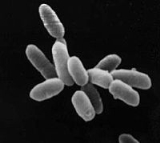
The Archaea are a group of
single-celledA unicellular organism, also known as a single-celled organism is an organism that consists of only one cell, in contrast to a multicellular organism that consists of multiple cells. Historically simple single celled organisms have sometimes been referred to as monads Prokaryotes, most protists,...
microorganismA microorganism or microbe is a microscopic organism that comprises either a single cell , cell clusters, or no cell at all...
s. A single individual or
speciesIn biology, a species is one of the basic units of biological classification and a taxonomic rank. A species is often defined as a group of organisms capable of interbreeding and producing fertile offspring. While in many cases this definition is adequate, more precise or differing measures are...
from this
domainIn biological taxonomy, a domain is the highest taxonomic rank of organisms, higher than a kingdom. According to the three-domain system of Carl Woese, introduced in 1990, the Tree of Life consists of three domains: Archaea, Bacteria and Eukarya...
is called an archaeon (sometimes spelled "archeon"). They have no
cell nucleusIn cell biology, the nucleus is a membrane-enclosed organelle found in eukaryotic cells. It contains most of the cell's genetic material, organized as multiple long linear DNA molecules in complex with a large variety of proteins, such as histones, to form chromosomes. The genes within these...
or any other membrane-bound
organelleIn cell biology, an organelle is a specialized subunit within a cell that has a specific function, and is usually separately enclosed within its own lipid bilayer....
s within their cells.
In the past they had been classed with
bacteriaBacteria are a large domain of prokaryotic microorganisms. Typically a few micrometres in length, bacteria have a wide range of shapes, ranging from spheres to rods and spirals...
as
prokaryoteThe prokaryotes are a group of organisms that lack a cell nucleus , or any other membrane-bound organelles. The organisms that have a cell nucleus are called eukaryotes. Most prokaryotes are unicellular, but a few such as myxobacteria have multicellular stages in their life cycles...
s (or
Kingdom MoneraMonera is a superseded kingdom that contains unicellular organisms without a nucleus , such as bacteria....
) and named archaebacteria, but this classification is regarded as outdated. In fact, the Archaea have an independent
evolutionary historyEvolution is any change across successive generations in the heritable characteristics of biological populations. Evolutionary processes give rise to diversity at every level of biological organisation, including species, individual organisms and molecules such as DNA and proteins.Life on Earth...
and show many differences in their biochemistry from other forms of life, and so they are now classified as a separate domain in the
three-domain systemThe three-domain system is a biological classification introduced by Carl Woese in 1977 that divides cellular life forms into archaea, bacteria, and eukaryote domains. In particular, it emphasizes the separation of prokaryotes into two groups, originally called Eubacteria and Archaebacteria...
. In this system, the
phylogeneticallyIn biology, phylogenetics is the study of evolutionary relatedness among groups of organisms , which is discovered through molecular sequencing data and morphological data matrices...
distinct branches of
evolutionEvolution is any change across successive generations in the heritable characteristics of biological populations. Evolutionary processes give rise to diversity at every level of biological organisation, including species, individual organisms and molecules such as DNA and proteins.Life on Earth...
ary descent are the Archaea,
BacteriaBacteria are a large domain of prokaryotic microorganisms. Typically a few micrometres in length, bacteria have a wide range of shapes, ranging from spheres to rods and spirals...
and Eukaryota.
Archaea are divided into four recognized
phylaIn biology, a phylum The term was coined by Georges Cuvier from Greek φῦλον phylon, "race, stock," related to φυλή phyle, "tribe, clan." is a taxonomic rank below kingdom and above class. "Phylum" is equivalent to the botanical term division....
, but many more phyla may exist. Of these groups, the
CrenarchaeotaIn taxonomy, the Crenarchaeota has been classified as either a phylum of the Archaea kingdom or a kingdom of its own...
and the
EuryarchaeotaIn the taxonomy of microorganisms, the Euryarchaeota are a phylum of the Archaea.The Euryarchaeota include the methanogens, which produce methane and are often found in intestines, the halobacteria, which survive extreme concentrations of salt, and some extremely thermophilic aerobes and anaerobes...
are the most intensively studied. Classification is still difficult, because the vast majority have never been studied in the laboratory and have only been detected by analysis of their
nucleic acidNucleic acids are biological molecules essential for life, and include DNA and RNA . Together with proteins, nucleic acids make up the most important macromolecules; each is found in abundance in all living things, where they function in encoding, transmitting and expressing genetic information...
s in samples from the environment.
Archaea and bacteria are quite similar in size and shape, although a few archaea have very unusual shapes, such as the flat and square-shaped cells of Haloquadratum walsbyi. Despite this visual similarity to bacteria, archaea possess
geneA gene is a molecular unit of heredity of a living organism. It is a name given to some stretches of DNA and RNA that code for a type of protein or for an RNA chain that has a function in the organism. Living beings depend on genes, as they specify all proteins and functional RNA chains...
s and several
metabolic pathwayIn biochemistry, metabolic pathways are series of chemical reactions occurring within a cell. In each pathway, a principal chemical is modified by a series of chemical reactions. Enzymes catalyze these reactions, and often require dietary minerals, vitamins, and other cofactors in order to function...
s that are more closely related to those of eukaryotes, notably the enzymes involved in
transcriptionTranscription is the process of creating a complementary RNA copy of a sequence of DNA. Both RNA and DNA are nucleic acids, which use base pairs of nucleotides as a complementary language that can be converted back and forth from DNA to RNA by the action of the correct enzymes...
and translation. Other aspects of archaean biochemistry are unique, such as their reliance on
ether lipidEther lipids are lipids in which one or more of the carbon atoms on glycerol is bonded to an alkyl chain via an ether linkage, as opposed to the usual ester linkage.-Types:...
s in their
cell membraneThe cell membrane or plasma membrane is a biological membrane that separates the interior of all cells from the outside environment. The cell membrane is selectively permeable to ions and organic molecules and controls the movement of substances in and out of cells. It basically protects the cell...
s. Archaea use a much greater variety of sources of energy than eukaryotes: ranging from familiar organic compounds such as
sugarSugar is a class of edible crystalline carbohydrates, mainly sucrose, lactose, and fructose, characterized by a sweet flavor.Sucrose in its refined form primarily comes from sugar cane and sugar beet...
s, to
ammoniaAmmonia is a compound of nitrogen and hydrogen with the formula . It is a colourless gas with a characteristic pungent odour. Ammonia contributes significantly to the nutritional needs of terrestrial organisms by serving as a precursor to food and fertilizers. Ammonia, either directly or...
,
metal ionsAn ion is an atom or molecule in which the total number of electrons is not equal to the total number of protons, giving it a net positive or negative electrical charge. The name was given by physicist Michael Faraday for the substances that allow a current to pass between electrodes in a...
or even
hydrogen gasHydrogen is the chemical element with atomic number 1. It is represented by the symbol H. With an average atomic weight of , hydrogen is the lightest and most abundant chemical element, constituting roughly 75% of the Universe's chemical elemental mass. Stars in the main sequence are mainly...
.
SaltIn chemistry, salts are ionic compounds that result from the neutralization reaction of an acid and a base. They are composed of cations and anions so that the product is electrically neutral...
-tolerant archaea (the
HaloarchaeaHaloarchaea are microrganisms and members of the halophile community, in that they require high salt concentrations to grow. They are a distinct evolutionary branch of the Archaea, and are generally considered extremophiles, although not all members of this group can be considered as such.-Living...
) use sunlight as an energy source, and other species of archaea
fix carbonIn biology, carbon fixation is the reduction of carbon dioxide to organic compounds by living organisms. The obvious example is photosynthesis. Carbon fixation requires both a source of energy such as sunlight, and an electron donor such as water. All life depends on fixed carbon. Organisms that...
; however, unlike
plantPlants are living organisms belonging to the kingdom Plantae. Precise definitions of the kingdom vary, but as the term is used here, plants include familiar organisms such as trees, flowers, herbs, bushes, grasses, vines, ferns, mosses, and green algae. The group is also called green plants or...
s and
cyanobacteria, no species of archaea is known to do both. Archaea
reproduce asexuallyAsexual reproduction is a mode of reproduction by which offspring arise from a single parent, and inherit the genes of that parent only, it is reproduction which does not involve meiosis, ploidy reduction, or fertilization. A more stringent definition is agamogenesis which is reproduction without...
by binary fission, fragmentation, or
buddingBudding is a form of asexual reproduction in which a new organism grows on another one. The new organism remains attached as it grows, separating from the parent organism only when it is mature. Since the reproduction is asexual, the newly created organism is a clone and is genetically identical...
; unlike bacteria and eukaryotes, no known species form
sporeIn biology, a spore is a reproductive structure that is adapted for dispersal and surviving for extended periods of time in unfavorable conditions. Spores form part of the life cycles of many bacteria, plants, algae, fungi and some protozoa. According to scientist Dr...
s.
Initially, archaea were seen as
extremophileAn extremophile is an organism that thrives in physically or geochemically extreme conditions that are detrimental to most life on Earth. In contrast, organisms that live in more moderate environments may be termed mesophiles or neutrophiles...
s that lived in harsh environments, such as
hot springA hot spring is a spring that is produced by the emergence of geothermally heated groundwater from the Earth's crust. There are geothermal hot springs in many locations all over the crust of the earth.-Definitions:...
s and
salt lakeA salt lake or saline lake is a landlocked body of water which has a concentration of salts and other dissolved minerals significantly higher than most lakes . In some cases, salt lakes have a higher concentration of salt than sea water, but such lakes would also be termed hypersaline lakes...
s, but they have since been found in a broad range of
habitat* Habitat , a place where a species lives and grows*Human habitat, a place where humans live, work or play** Space habitat, a space station intended as a permanent settlement...
s, including
soilSoil is a natural body consisting of layers of mineral constituents of variable thicknesses, which differ from the parent materials in their morphological, physical, chemical, and mineralogical characteristics...
s,
oceanAn ocean is a major body of saline water, and a principal component of the hydrosphere. Approximately 71% of the Earth's surface is covered by ocean, a continuous body of water that is customarily divided into several principal oceans and smaller seas.More than half of this area is over 3,000...
s, marshlands and the human
colonThe colon is the last part of the digestive system in most vertebrates; it extracts water and salt from solid wastes before they are eliminated from the body, and is the site in which flora-aided fermentation of unabsorbed material occurs. Unlike the small intestine, the colon does not play a...
. Archaea are particularly numerous in the oceans, and the archaea in
planktonPlankton are any drifting organisms that inhabit the pelagic zone of oceans, seas, or bodies of fresh water. That is, plankton are defined by their ecological niche rather than phylogenetic or taxonomic classification...
may be one of the most abundant groups of organisms on the planet. Archaea are now recognized as a major part of Earth's life and may play roles in both the
carbon cycleThe carbon cycle is the biogeochemical cycle by which carbon is exchanged among the biosphere, pedosphere, geosphere, hydrosphere, and atmosphere of the Earth...
and the
nitrogen cycleThe nitrogen cycle is the process by which nitrogen is converted between its various chemical forms. This transformation can be carried out by both biological and non-biological processes. Important processes in the nitrogen cycle include fixation, mineralization, nitrification, and denitrification...
. No clear examples of archaeal
pathogenA pathogen gignomai "I give birth to") or infectious agent — colloquially, a germ — is a microbe or microorganism such as a virus, bacterium, prion, or fungus that causes disease in its animal or plant host...
s or parasites are known, but they are often mutualists or
commensalsIn ecology, commensalism is a class of relationship between two organisms where one organism benefits but the other is neutral...
. One example is the
methanogenMethanogens are microorganisms that produce methane as a metabolic byproduct in anoxic conditions. They are classified as archaea, a group quite distinct from bacteria...
s that inhabit the gut of humans and
ruminantA ruminant is a mammal of the order Artiodactyla that digests plant-based food by initially softening it within the animal's first compartment of the stomach, principally through bacterial actions, then regurgitating the semi-digested mass, now known as cud, and chewing it again...
s, where their vast numbers aid
digestionDigestion is the mechanical and chemical breakdown of food into smaller components that are more easily absorbed into a blood stream, for instance. Digestion is a form of catabolism: a breakdown of large food molecules to smaller ones....
. Methanogens are used in
biogasBiogas typically refers to a gas produced by the biological breakdown of organic matter in the absence of oxygen. Organic waste such as dead plant and animal material, animal dung, and kitchen waste can be converted into a gaseous fuel called biogas...
production and
sewage treatmentSewage treatment, or domestic wastewater treatment, is the process of removing contaminants from wastewater and household sewage, both runoff and domestic. It includes physical, chemical, and biological processes to remove physical, chemical and biological contaminants...
, and enzymes from extremophile archaea that can endure high temperatures and organic solvents are exploited in
biotechnologyBiotechnology is a field of applied biology that involves the use of living organisms and bioprocesses in engineering, technology, medicine and other fields requiring bioproducts. Biotechnology also utilizes these products for manufacturing purpose...
.
New domain
For much of the 20th century, prokaryotes were regarded as a single group of organisms and classified based on their
biochemistryBiochemistry, sometimes called biological chemistry, is the study of chemical processes in living organisms, including, but not limited to, living matter. Biochemistry governs all living organisms and living processes...
,
morphologyIn biology, morphology is a branch of bioscience dealing with the study of the form and structure of organisms and their specific structural features....
and
metabolismMetabolism is the set of chemical reactions that happen in the cells of living organisms to sustain life. These processes allow organisms to grow and reproduce, maintain their structures, and respond to their environments. Metabolism is usually divided into two categories...
. For example, microbiologists tried to classify microorganisms based on the structures of their
cell wallThe cell wall is the tough, usually flexible but sometimes fairly rigid layer that surrounds some types of cells. It is located outside the cell membrane and provides these cells with structural support and protection, and also acts as a filtering mechanism. A major function of the cell wall is to...
s, their shapes, and the substances they consume. However, a new approach was proposed in 1965, using the sequences of the
geneA gene is a molecular unit of heredity of a living organism. It is a name given to some stretches of DNA and RNA that code for a type of protein or for an RNA chain that has a function in the organism. Living beings depend on genes, as they specify all proteins and functional RNA chains...
s in these organisms to work out which prokaryotes are genuinely related to each other. This approach, known as
phylogeneticsIn biology, phylogenetics is the study of evolutionary relatedness among groups of organisms , which is discovered through molecular sequencing data and morphological data matrices...
, is the main method used today.
Archaea were first classified as a separate group of prokaryotes in 1977 by
Carl WoeseCarl Richard Woese is an American microbiologist and physicist. Woese is famous for defining the Archaea in 1977 by phylogenetic taxonomy of 16S ribosomal RNA, a technique pioneered by Woese and which is now standard practice. He was also the originator of the RNA world hypothesis in 1977,...
and
George E. FoxGeorge Edward Fox is a researcher at the University of Houston and, with Carl Woese in the early 1970s, was the first scientist to classify Archaea as a separate domain of life within the three-domain system. Fox and Woese also introduced the idea of a progenote as a primordial entity in the...
in
phylogenetic treeA phylogenetic tree or evolutionary tree is a branching diagram or "tree" showing the inferred evolutionary relationships among various biological species or other entities based upon similarities and differences in their physical and/or genetic characteristics...
s based on the sequences of
ribosomal RNARibosomal ribonucleic acid is the RNA component of the ribosome, the enzyme that is the site of protein synthesis in all living cells. Ribosomal RNA provides a mechanism for decoding mRNA into amino acids and interacts with tRNAs during translation by providing peptidyl transferase activity...
(rRNA) genes. These two groups were originally named the Archaebacteria and Eubacteria and treated as
kingdomIn biology, kingdom is a taxonomic rank, which is either the highest rank or in the more recent three-domain system, the rank below domain. Kingdoms are divided into smaller groups called phyla or divisions in botany...
s or subkingdoms, which Woese and Fox termed Urkingdoms. Woese argued that this group of prokaryotes is a fundamentally different sort of life. To emphasize this difference, these two domains were later renamed Archaea and Bacteria. The word archaea comes from the
Ancient GreekAncient Greek is the stage of the Greek language in the periods spanning the times c. 9th–6th centuries BC, , c. 5th–4th centuries BC , and the c. 3rd century BC – 6th century AD of ancient Greece and the ancient world; being predated in the 2nd millennium BC by Mycenaean Greek...
, meaning "ancient things".
At first, only the
methanogenMethanogens are microorganisms that produce methane as a metabolic byproduct in anoxic conditions. They are classified as archaea, a group quite distinct from bacteria...
s were placed in this new domain, and the archaea were seen as extremophiles that exist only in habitats such as
hot springA hot spring is a spring that is produced by the emergence of geothermally heated groundwater from the Earth's crust. There are geothermal hot springs in many locations all over the crust of the earth.-Definitions:...
s and
salt lakeA salt lake or saline lake is a landlocked body of water which has a concentration of salts and other dissolved minerals significantly higher than most lakes . In some cases, salt lakes have a higher concentration of salt than sea water, but such lakes would also be termed hypersaline lakes...
s. By the end of the 20th century, microbiologists realized that archaea is a large and diverse group of organisms that are widely distributed in nature and are common in much less extreme habitats, such as soils and oceans. This new appreciation of the importance and ubiquity of archaea came from using the
polymerase chain reactionThe polymerase chain reaction is a scientific technique in molecular biology to amplify a single or a few copies of a piece of DNA across several orders of magnitude, generating thousands to millions of copies of a particular DNA sequence....
to detect prokaryotes in samples of water or soil from their
nucleic acidNucleic acids are biological molecules essential for life, and include DNA and RNA . Together with proteins, nucleic acids make up the most important macromolecules; each is found in abundance in all living things, where they function in encoding, transmitting and expressing genetic information...
s alone. This allows the detection and identification of organisms that cannot be
culturedA microbiological culture, or microbial culture, is a method of multiplying microbial organisms by letting them reproduce in predetermined culture media under controlled laboratory conditions. Microbial cultures are used to determine the type of organism, its abundance in the sample being tested,...
in the laboratory, which generally remains difficult.
Current classification
The classification of archaea, and of prokaryotes in general, is a rapidly moving and contentious field. Current classification systems aim to organize archaea into groups of organisms that share structural features and common ancestors. These classifications rely heavily on the use of the sequence of
ribosomal RNARibosomal ribonucleic acid is the RNA component of the ribosome, the enzyme that is the site of protein synthesis in all living cells. Ribosomal RNA provides a mechanism for decoding mRNA into amino acids and interacts with tRNAs during translation by providing peptidyl transferase activity...
genes to reveal relationships between organisms (
molecular phylogeneticsMolecular phylogenetics is the analysis of hereditary molecular differences, mainly in DNA sequences, to gain information on an organism's evolutionary relationships. The result of a molecular phylogenetic analysis is expressed in a phylogenetic tree...
). Most of the culturable and well-investigated species of archaea are members of two main
phylaIn biology, a phylum The term was coined by Georges Cuvier from Greek φῦλον phylon, "race, stock," related to φυλή phyle, "tribe, clan." is a taxonomic rank below kingdom and above class. "Phylum" is equivalent to the botanical term division....
, the
EuryarchaeotaIn the taxonomy of microorganisms, the Euryarchaeota are a phylum of the Archaea.The Euryarchaeota include the methanogens, which produce methane and are often found in intestines, the halobacteria, which survive extreme concentrations of salt, and some extremely thermophilic aerobes and anaerobes...
and
CrenarchaeotaIn taxonomy, the Crenarchaeota has been classified as either a phylum of the Archaea kingdom or a kingdom of its own...
. Other groups have been tentatively created. For example, the peculiar species
Nanoarchaeum equitansNanoarchaeum equitans is a species of tiny microbe, discovered in 2002 in a hydrothermal vent off the coast of Iceland by Karl Stetter. Since it grows in temperatures approaching boiling, it is considered to be a thermophile. Nanoarchaeum appears to be an obligatory symbiont on the archaeon...
, which was discovered in 2003, has been given its own phylum, the
NanoarchaeotaIn taxonomy, the Nanoarchaeota are a phylum of the Archaea. This phylum currently has only one representative, Nanoarchaeum equitans.-External links:...
. A new phylum
KorarchaeotaIn taxonomy, the Korarchaeota are a phylum of the Archaea.Analysis of their 16S rRNA gene sequences suggests that they are a deeply-branching lineage that does not belong to the main archaeal groups, Crenarchaeota and Euryarchaeota...
has also been proposed. It contains a small group of unusual thermophilic species that shares features of both of the main phyla, but is most closely related to the Crenarchaeota. Other recently detected species of archaea are only distantly related to any of these groups, such as the
Archaeal Richmond Mine Acidophilic NanoorganismsArchaeal Richmond Mine acidophilic nanoorganisms were first discovered in an extremely acidic mine located in northern California by Brett Baker in Jill Banfield's laboratory at the University of California Berkeley...
(ARMAN), which were discovered in 2006 and are some of the smallest organisms known.
Species
The classification of archaea into species is also controversial. Biology defines a
speciesIn biology, a species is one of the basic units of biological classification and a taxonomic rank. A species is often defined as a group of organisms capable of interbreeding and producing fertile offspring. While in many cases this definition is adequate, more precise or differing measures are...
as a group of related organisms. The familiar exclusive breeding criterion (organisms that can breed with each other
but not with othersThe mechanisms of reproductive isolation or hybridization barriers are a collection of mechanisms, behaviors and physiological processes that prevent the members of two different species that cross or mate from producing offspring, or which ensure that any offspring that may be produced is not...
) is of no help because archaea reproduce asexually.
Archaea show high levels of
horizontal gene transferHorizontal gene transfer , also lateral gene transfer , is any process in which an organism incorporates genetic material from another organism without being the offspring of that organism...
between lineages. Some researchers suggest that individuals can be grouped into species-like populations given highly similar genomes and infrequent gene transfer to/from cells with less-related genomes, as in the genus
FerroplasmaIn taxonomy, Ferroplasma is a genus of the Ferroplasmaceae.The genus Ferroplasma consists solely of F. acidophilum, an acidophilic iron-oxidizing member of the Euryarchaeota. Unlike other members of the Thermoplasmata F.acidophilum is a mesophile with a temperature optimum of approximately 35°C, at...
. On the other hand, studies in
HalorubrumIn taxonomy, Halorubrum is a genus of the Halobacteriaceae.-External links:...
found significant genetic transfer to/from less-related populations, limiting the criterion's applicability. A second concern is to what extent such species designations have practical meaning.
Current knowledge on genetic diversity is fragmentary and the total number of archaean species cannot be estimated with any accuracy. Estimates of the number of phyla range from 18 to 23, of which only 8 have representatives that have been cultured and studied directly. Many of these hypothesized groups are known from a single rRNA sequence, indicating that the diversity among these organisms remains obscure. The Bacteria also contain many uncultured microbes with similar implications for characterization.
Origin and evolution
Although probable prokaryotic cell fossils date to almost 3.5
billion years agoIn astronomy, geology, and paleontology, bya or "b.y.a." is an acronym for billion years ago. This abbreviation is commonly used as a unit of time to denote length of time before the present...
, most prokaryotes do not have distinctive morphologies and fossil shapes cannot be used to identify them as Archaea. Instead, chemical fossils of unique
lipidLipids constitute a broad group of naturally occurring molecules that include fats, waxes, sterols, fat-soluble vitamins , monoglycerides, diglycerides, triglycerides, phospholipids, and others...
s are more informative because such compounds do not occur in other organisms. Some publications suggest that archaean or eukaryotic lipid remains are present in
shaleShale is a fine-grained, clastic sedimentary rock composed of mud that is a mix of flakes of clay minerals and tiny fragments of other minerals, especially quartz and calcite. The ratio of clay to other minerals is variable. Shale is characterized by breaks along thin laminae or parallel layering...
s dating from 2.7 billion years ago; such data have since been questioned. Such lipids have also been detected in
PrecambrianThe Precambrian is the name which describes the large span of time in Earth's history before the current Phanerozoic Eon, and is a Supereon divided into several eons of the geologic time scale...
formations. The oldest such traces come from the
Isua districtThe Isua Greenstone Belt is an Archean greenstone belt in southwestern Greenland. The belt is aged between 3.7 and 3.8 Ga, making it among the oldest rock in the world. The belt contains variably metamorphosed mafic volcanic and sedimentary rocks...
of west
GreenlandGreenland is an autonomous country within the Kingdom of Denmark, located between the Arctic and Atlantic Oceans, east of the Canadian Arctic Archipelago. Though physiographically a part of the continent of North America, Greenland has been politically and culturally associated with Europe for...
, which include Earth's oldest sediments, formed 3.8 billion years ago. The archaeal lineage may be the most ancient that exists on Earth.
Woese argued that the bacteria, archaea, and eukaryotes represent separate lines of descent that diverged early on from an ancestral colony of organisms. However, a few biologists argue that the Archaea and Eukaryota arose from a group of bacteria. In any case, it is thought that
virusA virus is a small infectious agent that can replicate only inside the living cells of organisms. Viruses infect all types of organisms, from animals and plants to bacteria and archaea...
es and archaea began relationships approximately two billion years ago, and that
co-evolutionIn biology, coevolution is "the change of a biological object triggered by the change of a related object." Coevolution can occur at many biological levels: it can be as microscopic as correlated mutations between amino acids in a protein, or as macroscopic as covarying traits between different...
may have been occurring between members of these groups. It is possible that the last common ancestor of the bacteria and archaea was a thermophile, which raises the possibility that lower temperatures are "extreme environments" in archaeal terms, and organisms that live in cooler environments appeared only later. Since the Archaea and Bacteria are no more related to each other than they are to eukaryotes, the term prokaryotes only surviving meaning is "not a eukaryote", limiting its value.
Relation to eukaryotes
The evolutionary relationship between archaea and eukaryotes remains unclear. Aside from the similarities in cell structure and function that are discussed below, many genetic trees group the two.
Complicating factors include claims that the relationship between eukaryotes and the archaeal phylum
EuryarchaeotaIn the taxonomy of microorganisms, the Euryarchaeota are a phylum of the Archaea.The Euryarchaeota include the methanogens, which produce methane and are often found in intestines, the halobacteria, which survive extreme concentrations of salt, and some extremely thermophilic aerobes and anaerobes...
is closer than the relationship between the Euryarchaeota and the phylum
CrenarchaeotaIn taxonomy, the Crenarchaeota has been classified as either a phylum of the Archaea kingdom or a kingdom of its own...
and the presence of archaean-like genes in certain bacteria, such as
Thermotoga maritimaThermotogae is a phylum of the domain "Bacteria". This phylum comprises merely the class "Thermotogae", with the order "Thermotogales" and the family "Thermotogaceae"....
, from
horizontal gene transferHorizontal gene transfer , also lateral gene transfer , is any process in which an organism incorporates genetic material from another organism without being the offspring of that organism...
. The leading hypothesis is that the ancestor of the eukaryotes diverged early from the Archaea, and that eukaryotes arose through fusion of an archaean and eubacterium, which became the nucleus and
cytoplasmThe cytoplasm is a small gel-like substance residing between the cell membrane holding all the cell's internal sub-structures , except for the nucleus. All the contents of the cells of prokaryote organisms are contained within the cytoplasm...
; this explains various genetic similarities but runs into difficulties explaining cell structure.
Morphology
Individual archaea range from 0.1
micrometerA micrometer , is by definition 1×10⁻⁶ of a meter .In plain English, it means one-millionth of a meter . Its unit symbol in the International System of Units is μm...
s (μm) to over 15 μm in diameter, and occur in various shapes, commonly as spheres, rods, spirals or plates. Other morphologies in the
CrenarchaeotaIn taxonomy, the Crenarchaeota has been classified as either a phylum of the Archaea kingdom or a kingdom of its own...
include irregularly shaped lobed cells in
SulfolobusSulfolobus is a genus of microorganism in the family Sulfolobaceae. It belongs to the archea domain.Sulfolobus species grow in volcanic springs with optimal growth occurring at pH 2-3 and temperatures of 75-80 °C, making them acidophiles and thermophiles respectively...
, needle-like filaments that are less than half a micrometer in diameter in
ThermofilumIn taxonomy, Thermofilum is a genus of the Thermofilaceae.-External links:...
, and almost perfectly rectangular rods in
ThermoproteusIn taxonomy, Thermoproteus is a genus of the Thermoproteaceae.These prokaryotes are thermophilic sulphur-dependent organisms related to the genera Sulfolobus, Pyrodictium and Desulfurococcus...
and
PyrobaculumIn taxonomy, Pyrobaculum is a genus of the Thermoproteaceae.- Description and Significance :As its latin name, Pyrobaculum suggests, the archaeon is rod-shaped and isolated from locations with high temperatures. It is Gram-negative and its cells are surrounded by an S-layer of protein subunits.P...
. Haloquadratum walsbyi are flat, square archaea that live in hypersaline pools. These unusual shapes are probably maintained both by their cell walls and a
prokaryotic cytoskeletonThe prokaryotic cytoskeleton is the collective name for all structural filaments in prokaryotes. It was once thought that prokaryotic cells did not possess cytoskeletons, but recent advances in visualization technology and structure determination have shown that filaments indeed exist in these cells...
. Proteins related to the cytoskeleton components of other organisms exist in archaea, and filaments form within their cells, but in contrast to other organisms, these cellular structures are poorly understood. In
ThermoplasmaIn taxonomy, Thermoplasma is a genus of the Thermoplasmataceae.Thermoplasma is a genus of archaea. It belongs to the Thermoplasmata, which thrive in acidic and high-temperature environments. Thermoplasma are facultative anaerobes and respire using sulfur and organic carbon...
and
FerroplasmaIn taxonomy, Ferroplasma is a genus of the Ferroplasmaceae.The genus Ferroplasma consists solely of F. acidophilum, an acidophilic iron-oxidizing member of the Euryarchaeota. Unlike other members of the Thermoplasmata F.acidophilum is a mesophile with a temperature optimum of approximately 35°C, at...
the lack of a
cell wallThe cell wall is the tough, usually flexible but sometimes fairly rigid layer that surrounds some types of cells. It is located outside the cell membrane and provides these cells with structural support and protection, and also acts as a filtering mechanism. A major function of the cell wall is to...
means that the cells have irregular shapes, and can resemble
amoebaeAmoeboids are single-celled life-forms characterized by an irregular shape."Amoeboid" and "amœba" are often used interchangeably even by biologists, and especially refer to a creature moving by using pseudopodia. Most references to "amoebas" or "amoebae" are to amoeboids in general rather than to...
.
Some species form aggregates or filaments of cells up to 200 μm long. These organisms can be prominent in
biofilmA biofilm is an aggregate of microorganisms in which cells adhere to each other on a surface. These adherent cells are frequently embedded within a self-produced matrix of extracellular polymeric substance...
s. Notably, aggregates of
ThermococcusIn taxonomy, Thermococcus is a genus of extreme thermophiles in the family the Thermococcaceae.They consist of gram-negative spheres that move with flagella. They are organothrophic anaerobes, growing in temperatures above 70°C...
coalescens cells fuse together in culture, forming single giant cells. Archaea in the genus
PyrodictiumIn taxonomy, Pyrodictium is a genus of the Pyrodictiaceae.Pyrodictium is a genera of submarine hyperthrmophilic archaea whose optimal growth temperature ranges is 80 to 105 °C. They have a unique cell structure involving a network of cannulae and flat, disk-shaped cells...
produce an elaborate multicell colony involving arrays of long, thin hollow tubes called cannulae that stick out from the cells' surfaces and connect them into a dense bush-like agglomeration. The function of these cannulae is not settled, but they may allow communication or nutrient exchange with neighbors. Multi-species colonies exist, such as the "string-of-pearls" community that was discovered in 2001 in a German swamp. Round whitish colonies of a novel Euryarchaeota species are spaced along thin filaments that can range up to 15 centimetres (5.9 in) long; these filaments are made of a particular bacteria species.
Structure, composition development, operation
Archaea and bacteria have generally similar
cellThe cell is the basic structural and functional unit of all known living organisms. It is the smallest unit of life that is classified as a living thing, and is often called the building block of life. The Alberts text discusses how the "cellular building blocks" move to shape developing embryos....
structure, but cell composition and organization set the archaea apart. Like bacteria, archaea lack interior membranes and
organelleIn cell biology, an organelle is a specialized subunit within a cell that has a specific function, and is usually separately enclosed within its own lipid bilayer....
s. Like bacteria, archaea
cell membraneThe cell membrane or plasma membrane is a biological membrane that separates the interior of all cells from the outside environment. The cell membrane is selectively permeable to ions and organic molecules and controls the movement of substances in and out of cells. It basically protects the cell...
s are usually bounded by a
cell wallThe cell wall is the tough, usually flexible but sometimes fairly rigid layer that surrounds some types of cells. It is located outside the cell membrane and provides these cells with structural support and protection, and also acts as a filtering mechanism. A major function of the cell wall is to...
and they swim using one or more flagella. Structurally, archaea are most similar to gram-positive bacteria. Most have a single plasma membrane and cell wall, and lack a
periplasmic spaceThe periplasmic space or periplasm is a space between the peptidoglycan cell wall and inner membrane of Gram-negative bacteria or the equivalent space outside the inner membrane of Gram-positive bacteria. It may constitute up to 40% of the total cell volume in Gram-negative species, and is...
; the exception to this general rule is
IgnicoccusIgnicoccus is a genus of Archaea living in marine hydrothermal vents. They were discovered in Kolbeinsey Ridge north of Iceland and in the Pacific Ocean in 2000 .-Systematics:...
, which possess a particularly large periplasm that contains membrane-bound
vesiclesA vesicle is a bubble of liquid within another liquid, a supramolecular assembly made up of many different molecules. More technically, a vesicle is a small membrane-enclosed sack that can store or transport substances. Vesicles can form naturally because of the properties of lipid membranes , or...
and is enclosed by an outer membrane.
Membranes
Archaeal membranes are made of molecules that differ strongly from those in other life forms, showing that archaea are related only distantly to bacteria and eukaryotes. In all organisms
cell membraneThe cell membrane or plasma membrane is a biological membrane that separates the interior of all cells from the outside environment. The cell membrane is selectively permeable to ions and organic molecules and controls the movement of substances in and out of cells. It basically protects the cell...
s are made of molecules known as
phospholipidPhospholipids are a class of lipids that are a major component of all cell membranes as they can form lipid bilayers. Most phospholipids contain a diglyceride, a phosphate group, and a simple organic molecule such as choline; one exception to this rule is sphingomyelin, which is derived from...
s. These molecules possess both a
polarIn chemistry, polarity refers to a separation of electric charge leading to a molecule or its chemical groups having an electric dipole or multipole moment. Polar molecules interact through dipole–dipole intermolecular forces and hydrogen bonds. Molecular polarity is dependent on the difference in...
part that dissolves in water (the
phosphateA phosphate, an inorganic chemical, is a salt of phosphoric acid. In organic chemistry, a phosphate, or organophosphate, is an ester of phosphoric acid. Organic phosphates are important in biochemistry and biogeochemistry or ecology. Inorganic phosphates are mined to obtain phosphorus for use in...
"head"), and a "greasy" non-polar part that does not (the lipid tail). These dissimilar parts are connected by a
glycerolGlycerol is a simple polyol compound. It is a colorless, odorless, viscous liquid that is widely used in pharmaceutical formulations. Glycerol has three hydroxyl groups that are responsible for its solubility in water and its hygroscopic nature. The glycerol backbone is central to all lipids...
moiety. In water, phospholipids cluster, with the heads facing the water and the tails facing away from it. The major structure in cell membranes is a double layer of these phospholipids, which is called a
lipid bilayerThe lipid bilayer is a thin membrane made of two layers of lipid molecules. These membranes are flat sheets that form a continuous barrier around cells. The cell membrane of almost all living organisms and many viruses are made of a lipid bilayer, as are the membranes surrounding the cell nucleus...
.
These phospholipids are unusual in four ways:
- Bacteria and eukaryotes have membranes composed mainly of glycerol-ester
Esters are chemical compounds derived by reacting an oxoacid with a hydroxyl compound such as an alcohol or phenol. Esters are usually derived from an inorganic acid or organic acid in which at least one -OH group is replaced by an -O-alkyl group, and most commonly from carboxylic acids and...
lipidLipids constitute a broad group of naturally occurring molecules that include fats, waxes, sterols, fat-soluble vitamins , monoglycerides, diglycerides, triglycerides, phospholipids, and others...
s, whereas archaea have membranes composed of glycerol-ether lipidEther lipids are lipids in which one or more of the carbon atoms on glycerol is bonded to an alkyl chain via an ether linkage, as opposed to the usual ester linkage.-Types:...
s. The difference is the type of bond that joins the lipids to the glycerol moiety; the two types are shown in yellow in the figure at the right. In ester lipids this is an ester bondEsters are chemical compounds derived by reacting an oxoacid with a hydroxyl compound such as an alcohol or phenol. Esters are usually derived from an inorganic acid or organic acid in which at least one -OH group is replaced by an -O-alkyl group, and most commonly from carboxylic acids and...
, whereas in ether lipids this is an ether bondEthers are a class of organic compounds that contain an ether group — an oxygen atom connected to two alkyl or aryl groups — of general formula R–O–R'. A typical example is the solvent and anesthetic diethyl ether, commonly referred to simply as "ether"...
. Ether bonds are chemically more resistant than ester bonds. This stability might help archaea to survive extreme temperatures and very acidAn acid is a substance which reacts with a base. Commonly, acids can be identified as tasting sour, reacting with metals such as calcium, and bases like sodium carbonate. Aqueous acids have a pH of less than 7, where an acid of lower pH is typically stronger, and turn blue litmus paper red...
ic or alkaline environments. Bacteria and eukaryotes do contain some ether lipids, but in contrast to archaea these lipids are not a major part of their membranes.
- The stereochemistry
Stereochemistry, a subdiscipline of chemistry, involves the study of the relative spatial arrangement of atoms within molecules. An important branch of stereochemistry is the study of chiral molecules....
of the glycerol moiety is the reverse of that found in other organisms. The glycerol moiety can occur in two forms that are mirror images of one another, called the right-handed and left-handed forms; in chemistry these are called enantiomerIn chemistry, an enantiomer is one of two stereoisomers that are mirror images of each other that are non-superposable , much as one's left and right hands are the same except for opposite orientation. It can be clearly understood if you try to place your hands one over the other without...
s. Just as a right hand does not fit easily into a left-handed glove, a right-handed glycerol molecule generally cannot be used or made by enzymeEnzymes are proteins that catalyze chemical reactions. In enzymatic reactions, the molecules at the beginning of the process, called substrates, are converted into different molecules, called products. Almost all chemical reactions in a biological cell need enzymes in order to occur at rates...
s adapted for the left-handed form. This suggests that archaea use entirely different enzymes for synthesizing phospholipids than do bacteria and eukaryotes. Such enzymes developed very early in life's history, suggesting an early split from the other two domains.
- Archaeal lipid tails are chemically different from other organisms. Archaeal lipids are based upon the isoprenoid
Isoprene , or 2-methyl-1,3-butadiene, is a common organic compound with the formula CH2=CCH=CH2. Under standard conditions it is a colorless liquid...
sidechain and are long chains with multiple side-branches and sometimes even cyclopropaneCyclopropane is a cycloalkane molecule with the molecular formula C3H6, consisting of three carbon atoms linked to each other to form a ring, with each carbon atom bearing two hydrogen atoms...
or cyclohexaneCyclohexane is a cycloalkane with the molecular formula C6H12. Cyclohexane is used as a nonpolar solvent for the chemical industry, and also as a raw material for the industrial production of adipic acid and caprolactam, both of which being intermediates used in the production of nylon...
rings. This is in contrast to the fatty acidIn chemistry, especially biochemistry, a fatty acid is a carboxylic acid with a long unbranched aliphatic tail , which is either saturated or unsaturated. Most naturally occurring fatty acids have a chain of an even number of carbon atoms, from 4 to 28. Fatty acids are usually derived from...
s found in other organisms' membranes, which have straight chains with no branches or rings. Although isoprenoids play an important role in the biochemistry of many organisms, only the archaea use them to make phospholipids. These branched chains may help prevent archaean membranes from leaking at high temperatures.
- In some archaea the lipid bilayer is replaced by a monolayer. In effect, the archaea fuse the tails of two independent phospholipid molecules into a single molecule with two polar heads; this fusion may make their membranes more rigid and better able to resist harsh environments. For example, the lipids in Ferroplasma
In taxonomy, Ferroplasma is a genus of the Ferroplasmaceae.The genus Ferroplasma consists solely of F. acidophilum, an acidophilic iron-oxidizing member of the Euryarchaeota. Unlike other members of the Thermoplasmata F.acidophilum is a mesophile with a temperature optimum of approximately 35°C, at...
are of this type, which is thought to aid this organism's survival in its highly acidic habitat.
Wall and flagella
Most archaea (but not
ThermoplasmaIn taxonomy, Thermoplasma is a genus of the Thermoplasmataceae.Thermoplasma is a genus of archaea. It belongs to the Thermoplasmata, which thrive in acidic and high-temperature environments. Thermoplasma are facultative anaerobes and respire using sulfur and organic carbon...
and
FerroplasmaIn taxonomy, Ferroplasma is a genus of the Ferroplasmaceae.The genus Ferroplasma consists solely of F. acidophilum, an acidophilic iron-oxidizing member of the Euryarchaeota. Unlike other members of the Thermoplasmata F.acidophilum is a mesophile with a temperature optimum of approximately 35°C, at...
) possess a cell wall. In most archaea the wall is assembled from surface-layer proteins, which form an
S-layerAn S-layer is a part of the cell envelope commonly found in bacteria, as well as among archaea.It consists of a monomolecular layer composed of identical proteins or glycoproteins. This two-dimensional structure is built via self-assembly and encloses the whole cell surface. Thus, the S-layer...
. An S-layer is a rigid array of protein molecules that cover the outside of the cell (like
chain mail"Chain Mail" is a single by Mancunian band James, released in March 1986 by Sire Records, the first after the band defected from Factory Records. The record was released in two different versions, as 7" single and 12" EP, with different artworks by John Carroll and, confusingly, under different...
). This layer provides both chemical and physical protection, and can prevent
macromoleculeA macromolecule is a very large molecule commonly created by some form of polymerization. In biochemistry, the term is applied to the four conventional biopolymers , as well as non-polymeric molecules with large molecular mass such as macrocycles...
s from contacting the cell membrane. Unlike bacteria, archaea lack
peptidoglycanPeptidoglycan, also known as murein, is a polymer consisting of sugars and amino acids that forms a mesh-like layer outside the plasma membrane of bacteria , forming the cell wall. The sugar component consists of alternating residues of β- linked N-acetylglucosamine and N-acetylmuramic acid...
in their cell walls.
MethanobacterialesIn taxonomy, the Methanobacteriales are an order of the Methanobacteria.- External links :...
do have cell walls containing
pseudopeptidoglycanPseudopeptidoglycan is a major cell wall component of some archaea that differs from bacterial peptidoglycan in chemical structure, but resembles eubacterial peptidoglycan in morphology, function, and physical structure...
, which resembles eubacterial peptidoglycan in morphology, function, and physical structure, but pseudopeptidoglycan is distinct in chemical structure; it lacks D-amino acids and
N-acetylmuramic acidN-Acetylmuramic acid, or MurNAc, is the ether of lactic acid and N-acetylglucosamine with a chemical formula of C11H19NO8. It is part of a biopolymer in the bacterial cell wall, built from alternating units of N-acetylglucosamine and N-acetylmuramic acid , cross-linked with oligopeptides at the...
.
Archaea
flagellaA flagellum is a tail-like projection that protrudes from the cell body of certain prokaryotic and eukaryotic cells, and plays the dual role of locomotion and sense organ, being sensitive to chemicals and temperatures outside the cell. There are some notable differences between prokaryotic and...
operate like bacterial flagella—their long stalks are driven by rotatory motors at the base. These motors are powered by the
proton gradientAn electrochemical gradient is a spatial variation of both electrical potential and chemical concentration across a membrane; that is, a combination of the membrane potential and the pH gradient...
across the membrane. However, archaeal flagella are notably different in composition and development. The two types of flagella evolved from different ancestors. The bacterial flagellum shares a common ancestor with the type III secretion system, while archaeal flagella appear to have evolved from bacterial type IV
piliright|thumb|350px|Schematic drawing of bacterial conjugation. 1- Donor cell produces pilus. 2- Pilus attaches to recipient cell, brings the two cells together. 3- The mobile plasmid is nicked and a single strand of DNA is then transferred to the recipient cell...
. In contrast to the bacterial flagellum, which is hollow and is assembled by subunits moving up the central pore to the tip of the flagella, archaeal flagella are synthesized by adding subunits at the base.
Metabolism
Archaea exhibit a great variety of chemical reactions in their
metabolismMetabolism is the set of chemical reactions that happen in the cells of living organisms to sustain life. These processes allow organisms to grow and reproduce, maintain their structures, and respond to their environments. Metabolism is usually divided into two categories...
and use many sources of energy. These reactions are classified into
nutritional groupsPrimary nutritional groups are groups of organisms, divided according to the sources of energy and carbon, needed for living, growth and reproduction...
, depending on energy and carbon sources. Some archaea obtain energy from
inorganic compoundInorganic compounds have traditionally been considered to be of inanimate, non-biological origin. In contrast, organic compounds have an explicit biological origin. However, over the past century, the classification of inorganic vs organic compounds has become less important to scientists,...
s such as
sulfurSulfur or sulphur is the chemical element with atomic number 16. In the periodic table it is represented by the symbol S. It is an abundant, multivalent non-metal. Under normal conditions, sulfur atoms form cyclic octatomic molecules with chemical formula S8. Elemental sulfur is a bright yellow...
or
ammoniaAmmonia is a compound of nitrogen and hydrogen with the formula . It is a colourless gas with a characteristic pungent odour. Ammonia contributes significantly to the nutritional needs of terrestrial organisms by serving as a precursor to food and fertilizers. Ammonia, either directly or...
(they are
lithotrophA lithotroph is an organism that uses an inorganic substrate to obtain reducing equivalents for use in biosynthesis or energy conservation via aerobic or anaerobic respiration. Known chemolithotrophs are exclusively microbes; No known macrofauna possesses the ability to utilize inorganic...
s). These include
nitrifierNitrifying bacteria are chemoautotrophic or chemolithotrophs depending on the genera bacteria that grow by consuming inorganic nitrogen compounds...
s,
methanogenMethanogens are microorganisms that produce methane as a metabolic byproduct in anoxic conditions. They are classified as archaea, a group quite distinct from bacteria...
s and
anaerobicAn anaerobic organism or anaerobe is any organism that does not require oxygen for growth. It could possibly react negatively and may even die if oxygen is present...
methaneMethane is a chemical compound with the chemical formula . It is the simplest alkane, the principal component of natural gas, and probably the most abundant organic compound on earth. The relative abundance of methane makes it an attractive fuel...
oxidisers. In these reactions one compound passes electrons to another (in a
redoxRedox reactions describe all chemical reactions in which atoms have their oxidation state changed....
reaction), releasing energy to fuel the cell's activities. One compound acts as an
electron donorAn electron donor is a chemical entity that donates electrons to another compound. It is a reducing agent that, by virtue of its donating electrons, is itself oxidized in the process....
and one as an
electron acceptorAn electron acceptor is a chemical entity that accepts electrons transferred to it from another compound. It is an oxidizing agent that, by virtue of its accepting electrons, is itself reduced in the process....
. The energy released generates
adenosine triphosphateAdenosine-5'-triphosphate is a multifunctional nucleoside triphosphate used in cells as a coenzyme. It is often called the "molecular unit of currency" of intracellular energy transfer. ATP transports chemical energy within cells for metabolism...
(ATP) through
chemiosmosis Chemiosmosis is the movement of ions across a selectively permeable membrane, down their electrochemical gradient. More specifically, it relates to the generation of ATP by the movement of hydrogen ions across a membrane during cellular respiration....
, in the same basic process that happens in the
mitochondrionIn cell biology, a mitochondrion is a membrane-enclosed organelle found in most eukaryotic cells. These organelles range from 0.5 to 1.0 micrometers in diameter...
of eukaryotic cells.
Other groups of archaea use sunlight as a source of energy (they are
phototrophPhototrophs are the organisms that carry out photosynthesis to acquire energy. They use the energy from sunlight to convert carbon dioxide and water into organic material to be utilized in cellular functions such as biosynthesis and respiration.Most phototrophs are autotrophs, also known as...
s). However, oxygen–generating
photosynthesisPhotosynthesis is a chemical process that converts carbon dioxide into organic compounds, especially sugars, using the energy from sunlight. Photosynthesis occurs in plants, algae, and many species of bacteria, but not in archaea. Photosynthetic organisms are called photoautotrophs, since they can...
does not occur in any of these organisms. Many basic
metabolic pathwayIn biochemistry, metabolic pathways are series of chemical reactions occurring within a cell. In each pathway, a principal chemical is modified by a series of chemical reactions. Enzymes catalyze these reactions, and often require dietary minerals, vitamins, and other cofactors in order to function...
s are shared between all forms of life; for example, archaea use a modified form of
glycolysisGlycolysis is the metabolic pathway that converts glucose C6H12O6, into pyruvate, CH3COCOO− + H+...
(the Entner–Doudoroff pathway) and either a complete or partial
citric acid cycleThe citric acid cycle — also known as the tricarboxylic acid cycle , the Krebs cycle, or the Szent-Györgyi-Krebs cycle — is a series of chemical reactions which is used by all aerobic living organisms to generate energy through the oxidization of acetate derived from carbohydrates, fats and...
. These similarities to other organisms probably reflect both early origins in the history of life and their high level of efficiency.
Nutritional types in archaeal metabolism
| Nutritional type |
Source of energy |
Source of carbon |
Examples |
| Phototroph Phototrophs are the organisms that carry out photosynthesis to acquire energy. They use the energy from sunlight to convert carbon dioxide and water into organic material to be utilized in cellular functions such as biosynthesis and respiration.Most phototrophs are autotrophs, also known as... s |
Sunlight |
Organic compounds |
HalobacteriaIn taxonomy, the Halobacteria are a class of the Euryarchaeota, found in water saturated or nearly saturated with salt. They are also called halophiles, though this name is also used for other organisms which live in somewhat less concentrated salt water... |
| Lithotroph A lithotroph is an organism that uses an inorganic substrate to obtain reducing equivalents for use in biosynthesis or energy conservation via aerobic or anaerobic respiration. Known chemolithotrophs are exclusively microbes; No known macrofauna possesses the ability to utilize inorganic... s |
Inorganic compounds |
Organic compounds or carbon fixation In biology, carbon fixation is the reduction of carbon dioxide to organic compounds by living organisms. The obvious example is photosynthesis. Carbon fixation requires both a source of energy such as sunlight, and an electron donor such as water. All life depends on fixed carbon. Organisms that...
|
Ferroglobus In taxonomy, Ferroglobus is a genus of the Archaeoglobaceae.Ferroglobus is a hyperthermophilic genus phylogenetically located within the Euryarchaeota. It consists of one species, F. placidus, isolated from hydrothermal vent sediment off the coast of Italy. F. placidus grows best at 85°C and a... , MethanobacteriaIn taxonomy, the Methanobacteria are a class of the Euryarchaeota. Several of the classes of the Euryarchaeota are methanogens and the Methanobacteria are one of these classes.-External links:... or PyrolobusPyrolobus is a genus of the Pyrodictiaceae.-External links:... |
| Organotroph An organotroph is an organism that obtains hydrogen or electrons from organic substrates . Antonym: Lithotroph- See also :* Lithotroph* Heterotroph* Primary nutritional groups... s |
Organic compounds |
Organic compounds or carbon fixation In biology, carbon fixation is the reduction of carbon dioxide to organic compounds by living organisms. The obvious example is photosynthesis. Carbon fixation requires both a source of energy such as sunlight, and an electron donor such as water. All life depends on fixed carbon. Organisms that... |
Pyrococcus In taxonomy, Pyrococcus is a genus of the Thermococcaceae.- Description and significance :Pyrococcus has similar characteristics of other archaea such as Archaeoglobus, Thermoautotrophican, and Methanococcus in the respect that they are all thermophilic and anaerobic... , SulfolobusSulfolobus is a genus of microorganism in the family Sulfolobaceae. It belongs to the archea domain.Sulfolobus species grow in volcanic springs with optimal growth occurring at pH 2-3 and temperatures of 75-80 °C, making them acidophiles and thermophiles respectively... or MethanosarcinalesIn taxonomy, the Methanosarcinales are an order of the Methanomicrobia.-External links:... |
Some Euryarchaeota are
methanogenMethanogens are microorganisms that produce methane as a metabolic byproduct in anoxic conditions. They are classified as archaea, a group quite distinct from bacteria...
s living in anaerobic environments such as swamps. This form of metabolism evolved early, and it is even possible that the first free-living organism was a methanogen. A common reaction involves the use of
carbon dioxideCarbon dioxide is a naturally occurring chemical compound composed of two oxygen atoms covalently bonded to a single carbon atom...
as an electron acceptor to oxidize
hydrogenHydrogen is the chemical element with atomic number 1. It is represented by the symbol H. With an average atomic weight of , hydrogen is the lightest and most abundant chemical element, constituting roughly 75% of the Universe's chemical elemental mass. Stars in the main sequence are mainly...
. Methanogenesis involves a range of coenzymes that are unique to these archaea, such as
coenzyme MCoenzyme M is a coenzyme required for methyl-transfer reactions in the metabolism of methanogens. The coenzyme is an anion with the formula . It is named 2-mercaptoethanesulfonate and abbreviated HS–CoM. The cation is unimportant, but the sodium salt is most available...
and
methanofuranMethanofuran describes a family of chemical compounds found in methanogenic archaea. These species feature a 2-aminomethylfuran linked to phenoxy group...
. Other organic compounds such as
alcoholIn chemistry, an alcohol is an organic compound in which the hydroxy functional group is bound to a carbon atom. In particular, this carbon center should be saturated, having single bonds to three other atoms....
s,
acetic acidAcetic acid is an organic compound with the chemical formula CH3CO2H . It is a colourless liquid that when undiluted is also called glacial acetic acid. Acetic acid is the main component of vinegar , and has a distinctive sour taste and pungent smell...
or
formic acidFormic acid is the simplest carboxylic acid. Its chemical formula is HCOOH or HCO2H. It is an important intermediate in chemical synthesis and occurs naturally, most notably in the venom of bee and ant stings. In fact, its name comes from the Latin word for ant, formica, referring to its early...
are used as alternative
electron acceptorAn electron acceptor is a chemical entity that accepts electrons transferred to it from another compound. It is an oxidizing agent that, by virtue of its accepting electrons, is itself reduced in the process....
s by methanogens. These reactions are common in
gutIn zoology, the gut, also known as the alimentary canal or alimentary tract, is a tube by which bilaterian animals transfer food to the digestion organs. In large bilaterians the gut generally also has an exit, the anus, by which the animal disposes of solid wastes...
-dwelling archaea.
Acetic acidAcetic acid is an organic compound with the chemical formula CH3CO2H . It is a colourless liquid that when undiluted is also called glacial acetic acid. Acetic acid is the main component of vinegar , and has a distinctive sour taste and pungent smell...
is also broken down into methane and carbon dioxide directly, by acetotrophic archaea. These acetotrophs are archaea in the order
MethanosarcinalesIn taxonomy, the Methanosarcinales are an order of the Methanomicrobia.-External links:...
, and are a major part of the communities of microorganisms that produce
biogasBiogas typically refers to a gas produced by the biological breakdown of organic matter in the absence of oxygen. Organic waste such as dead plant and animal material, animal dung, and kitchen waste can be converted into a gaseous fuel called biogas...
.
Other archaea use in the
atmosphereAn atmosphere is a layer of gases that may surround a material body of sufficient mass, and that is held in place by the gravity of the body. An atmosphere may be retained for a longer duration, if the gravity is high and the atmosphere's temperature is low...
as a source of carbon, in a process called
carbon fixationIn biology, carbon fixation is the reduction of carbon dioxide to organic compounds by living organisms. The obvious example is photosynthesis. Carbon fixation requires both a source of energy such as sunlight, and an electron donor such as water. All life depends on fixed carbon. Organisms that...
(they are
autotrophAn autotroph, or producer, is an organism that produces complex organic compounds from simple inorganic molecules using energy from light or inorganic chemical reactions . They are the producers in a food chain, such as plants on land or algae in water...
s). This process involves either a highly modified form of the
Calvin cycleThe Calvin cycle or Calvin–Benson-Bassham cycle or reductive pentose phosphate cycle or C3 cycle or CBB cycle is a series of biochemical redox reactions that take place in the stroma of chloroplasts in photosynthetic organisms...
or a recently discovered metabolic pathway called the 3-hydroxypropionate/4-hydroxybutyrate cycle. The Crenarchaeota also use the
reverse Krebs cycleThe reverse Krebs cycle...
while the Euryarchaeota also use the
reductive acetyl-CoA pathwayThe Wood–Ljungdahl pathway is a set of biochemical reactions used by some bacteria and archaea. It is also known as the reductive acetyl–CoA pathway...
. Carbon–fixation is powered by inorganic energy sources. No known archaea carry out
photosynthesisPhotosynthesis is a chemical process that converts carbon dioxide into organic compounds, especially sugars, using the energy from sunlight. Photosynthesis occurs in plants, algae, and many species of bacteria, but not in archaea. Photosynthetic organisms are called photoautotrophs, since they can...
. Archaeal energy sources are extremely diverse, and range from the oxidation of
ammoniaAmmonia is a compound of nitrogen and hydrogen with the formula . It is a colourless gas with a characteristic pungent odour. Ammonia contributes significantly to the nutritional needs of terrestrial organisms by serving as a precursor to food and fertilizers. Ammonia, either directly or...
by the
NitrosopumilalesIn taxonomy, the Nitrosopumilales are an order of the Thermoprotei.-External links:...
to the oxidation of
hydrogen sulfideHydrogen sulfide is the chemical compound with the formula . It is a colorless, very poisonous, flammable gas with the characteristic foul odor of expired eggs perceptible at concentrations as low as 0.00047 parts per million...
or elemental
sulfurSulfur or sulphur is the chemical element with atomic number 16. In the periodic table it is represented by the symbol S. It is an abundant, multivalent non-metal. Under normal conditions, sulfur atoms form cyclic octatomic molecules with chemical formula S8. Elemental sulfur is a bright yellow...
by species of
SulfolobusSulfolobus is a genus of microorganism in the family Sulfolobaceae. It belongs to the archea domain.Sulfolobus species grow in volcanic springs with optimal growth occurring at pH 2-3 and temperatures of 75-80 °C, making them acidophiles and thermophiles respectively...
, using either oxygen or metal ions as electron acceptors.
PhototrophPhototrophs are the organisms that carry out photosynthesis to acquire energy. They use the energy from sunlight to convert carbon dioxide and water into organic material to be utilized in cellular functions such as biosynthesis and respiration.Most phototrophs are autotrophs, also known as...
ic archaea use light to produce chemical energy in the form of ATP. In the
HalobacteriaIn taxonomy, the Halobacteria are a class of the Euryarchaeota, found in water saturated or nearly saturated with salt. They are also called halophiles, though this name is also used for other organisms which live in somewhat less concentrated salt water...
, light-activated ion pumps like
bacteriorhodopsinBacteriorhodopsin is a protein used by Archaea, the most notable one being Halobacteria. It acts as a proton pump; that is, it captures light energy and uses it to move protons across the membrane out of the cell...
and
halorhodopsinHalorhodopsin is a light-driven ion pump, specific for chloride ions, and found in phylogenetically ancient archaea, known as halobacteria...
generate ion gradients by pumping ions out of the cell across the plasma membrane. The energy stored in these
electrochemical gradientAn electrochemical gradient is a spatial variation of both electrical potential and chemical concentration across a membrane; that is, a combination of the membrane potential and the pH gradient...
s is then converted into ATP by
ATP synthaseright|thumb|300px|Molecular model of ATP synthase by X-ray diffraction methodATP synthase is an important enzyme that provides energy for the cell to use through the synthesis of adenosine triphosphate . ATP is the most commonly used "energy currency" of cells from most organisms...
. This process is a form of
photophosphorylationThe production of ATP using the energy of sunlight is called photophosphorylation. Only two sources of energy are available to living organisms: sunlight and reduction-oxidation reactions...
. The ability of these light-driven pumps to move ions across membranes depends on light-driven changes in the structure of a
retinolRetinol is one of the animal forms of vitamin A. It is a diterpenoid and an alcohol. It is convertible to other forms of vitamin A, and the retinyl ester derivative of the alcohol serves as the storage form of the vitamin in animals....
cofactorA cofactor is a non-protein chemical compound that is bound to a protein and is required for the protein's biological activity. These proteins are commonly enzymes, and cofactors can be considered "helper molecules" that assist in biochemical transformations....
buried in the center of the protein.
Genetics
Archaea usually have a single circular
chromosomeA chromosome is an organized structure of DNA and protein found in cells. It is a single piece of coiled DNA containing many genes, regulatory elements and other nucleotide sequences. Chromosomes also contain DNA-bound proteins, which serve to package the DNA and control its functions.Chromosomes...
, the size of which may be as great as 5,751,492
base pairIn molecular biology and genetics, the linking between two nitrogenous bases on opposite complementary DNA or certain types of RNA strands that are connected via hydrogen bonds is called a base pair...
s in
Methanosarcina acetivoransMethanosarcina acetivorans is a versatile methane producing microbe which is found in such diverse environments as oil wells, trash dumps, deep-sea hydrothermal vents, and oxygen-depleted sediments beneath kelp beds. Only M. acetivorans and microbes in the genus Methanosarcina use all three known...
, the largest known archaean genome. One-tenth of this size is the tiny 490,885 base-pair genome of Nanoarchaeum equitans, the smallest archaean genome known; it is estimated to contain only 537 protein-encoding genes. Smaller independent pieces of DNA, called
plasmidIn microbiology and genetics, a plasmid is a DNA molecule that is separate from, and can replicate independently of, the chromosomal DNA. They are double-stranded and, in many cases, circular...
s, are also found in archaea. Plasmids may be transferred between cells by physical contact, in a process that may be similar to
bacterial conjugationBacterial conjugation is the transfer of genetic material between bacterial cells by direct cell-to-cell contact or by a bridge-like connection between two cells...
.
Archaea can be infected by double-stranded DNA viruses that are unrelated to any other form of virus and have a variety of unusual shapes, including bottles, hooked rods, or teardrops. These viruses have been studied in most detail in thermophilics, particularly the orders Sulfolobales and Thermoproteales. A single-stranded DNA virus that infects halophilic archaea was identified in 2009. Defenses against these viruses may involve
RNA interferenceRNA interference is a process within living cells that moderates the activity of their genes. Historically, it was known by other names, including co-suppression, post transcriptional gene silencing , and quelling. Only after these apparently unrelated processes were fully understood did it become...
from repetitive DNA sequences that are related to the genes of the viruses.
Archaea are genetically distinct from bacteria and eukaryotes, with up to 15% of the proteins encoded by any one archaeal genome being unique to the domain, although most of these unique genes have no known function. Of the remainder of the unique proteins that have an identified function, most are involved in methanogenesis. The proteins that archaea, bacteria and eukaryotes share form a common core of cell function, relating mostly to
transcriptionTranscription is the process of creating a complementary RNA copy of a sequence of DNA. Both RNA and DNA are nucleic acids, which use base pairs of nucleotides as a complementary language that can be converted back and forth from DNA to RNA by the action of the correct enzymes...
, translation, and
nucleotide metabolismNucleotides are molecules that, when joined together, make up the structural units of RNA and DNA. In addition, nucleotides participate in cellular signaling , and are incorporated into important cofactors of enzymatic reactions...
. Other characteristic archaean features are the organization of genes of related function—such as enzymes that catalyze steps in the same
metabolic pathwayIn biochemistry, metabolic pathways are series of chemical reactions occurring within a cell. In each pathway, a principal chemical is modified by a series of chemical reactions. Enzymes catalyze these reactions, and often require dietary minerals, vitamins, and other cofactors in order to function...
into novel
operonIn genetics, an operon is a functioning unit of genomic DNA containing a cluster of genes under the control of a single regulatory signal or promoter. The genes are transcribed together into an mRNA strand and either translated together in the cytoplasm, or undergo trans-splicing to create...
s, and large differences in tRNA genes and their
aminoacyl tRNA synthetaseAn aminoacyl tRNA synthetase is an enzyme that catalyzes the esterification of a specific amino acid or its precursor to one of all its compatible cognate tRNAs to form an aminoacyl-tRNA. This is sometimes called "charging" the tRNA with the amino acid...
s.
Transcription and translation in archaea resemble these processes in eukaryotes more than in bacteria, with the archaean
RNA polymeraseRNA polymerase is an enzyme that produces RNA. In cells, RNAP is needed for constructing RNA chains from DNA genes as templates, a process called transcription. RNA polymerase enzymes are essential to life and are found in all organisms and many viruses...
and
ribosomeA ribosome is a component of cells that assembles the twenty specific amino acid molecules to form the particular protein molecule determined by the nucleotide sequence of an RNA molecule....
s being very close to their equivalents in eukaryotes. Although archaea only have one type of RNA polymerase, its structure and function in transcription seems to be close to that of the eukaryotic
RNA polymerase IIRNA polymerase II is an enzyme found in eukaryotic cells. It catalyzes the transcription of DNA to synthesize precursors of mRNA and most snRNA and microRNA. A 550 kDa complex of 12 subunits, RNAP II is the most studied type of RNA polymerase...
, with similar protein assemblies (the
general transcription factorGeneral transcription factors or basal transcription factors are protein transcription factors that have been shown to be important in the transcription of class II genes to mRNA templates...
s) directing the binding of the RNA polymerase to a gene's promoter. However, other archaean
transcription factorIn molecular biology and genetics, a transcription factor is a protein that binds to specific DNA sequences, thereby controlling the flow of genetic information from DNA to mRNA...
s are closer to those found in bacteria.
Post-transcriptional modificationPost-transcriptional modification is a process in cell biology by which, in eukaryotic cells, primary transcript RNA is converted into mature RNA. A notable example is the conversion of precursor messenger RNA into mature messenger RNA , which includes splicing and occurs prior to protein synthesis...
is simpler than in eukaryotes, since most archaean genes lack
intronAn intron is any nucleotide sequence within a gene that is removed by RNA splicing to generate the final mature RNA product of a gene. The term intron refers to both the DNA sequence within a gene, and the corresponding sequence in RNA transcripts. Sequences that are joined together in the final...
s, although there are many introns in their
transfer RNATransfer RNA is an adaptor molecule composed of RNA, typically 73 to 93 nucleotides in length, that is used in biology to bridge the three-letter genetic code in messenger RNA with the twenty-letter code of amino acids in proteins. The role of tRNA as an adaptor is best understood by...
and
ribosomal RNARibosomal ribonucleic acid is the RNA component of the ribosome, the enzyme that is the site of protein synthesis in all living cells. Ribosomal RNA provides a mechanism for decoding mRNA into amino acids and interacts with tRNAs during translation by providing peptidyl transferase activity...
genes, and introns may occur in a few protein-encoding genes.
Reproduction
Archaea reproduce asexually by binary or multiple
fissionIn biology, fission is the subdivision of a cell into two or more parts and the regeneration of those parts into separate cells...
, fragmentation, or
buddingBudding is a form of asexual reproduction in which a new organism grows on another one. The new organism remains attached as it grows, separating from the parent organism only when it is mature. Since the reproduction is asexual, the newly created organism is a clone and is genetically identical...
;
meiosisMeiosis is a special type of cell division necessary for sexual reproduction. The cells produced by meiosis are gametes or spores. The animals' gametes are called sperm and egg cells....
does not occur, so if a species of archaea exists in more than one form, all have the same genetic material.
Cell divisionCell division is the process by which a parent cell divides into two or more daughter cells . Cell division is usually a small segment of a larger cell cycle. This type of cell division in eukaryotes is known as mitosis, and leaves the daughter cell capable of dividing again. The corresponding sort...
is controlled in a
cell cycleThe cell cycle, or cell-division cycle, is the series of events that takes place in a cell leading to its division and duplication . In cells without a nucleus , the cell cycle occurs via a process termed binary fission...
; after the cell's
chromosomeA chromosome is an organized structure of DNA and protein found in cells. It is a single piece of coiled DNA containing many genes, regulatory elements and other nucleotide sequences. Chromosomes also contain DNA-bound proteins, which serve to package the DNA and control its functions.Chromosomes...
is replicated and the two daughter chromosomes separate, the cell divides. Details have only been investigated in the genus
SulfolobusSulfolobus is a genus of microorganism in the family Sulfolobaceae. It belongs to the archea domain.Sulfolobus species grow in volcanic springs with optimal growth occurring at pH 2-3 and temperatures of 75-80 °C, making them acidophiles and thermophiles respectively...
, but here that cycle has characteristics that are similar to both bacterial and eukaryotic systems. The chromosomes replicate from multiple starting-points (
origins of replicationThe origin of replication is a particular sequence in a genome at which replication is initiated. This can either be DNA replication in living organisms such as prokaryotes and eukaryotes, or RNA replication in RNA viruses, such as double-stranded RNA viruses...
) using
DNA polymeraseA DNA polymerase is an enzyme that helps catalyze in the polymerization of deoxyribonucleotides into a DNA strand. DNA polymerases are best known for their feedback role in DNA replication, in which the polymerase "reads" an intact DNA strand as a template and uses it to synthesize the new strand....
s that resemble the equivalent eukaryotic enzymes. However, the proteins that direct cell division, such as the protein
FtsZFtsZ is a protein encoded by the ftsZ gene that assembles into a ring at the future site of the septum of bacterial cell division. This is a prokaryotic homologue to the eukaryotic protein tubulin. FtsZ has been named after "Filamenting temperature-sensitive mutant Z". The hypothesis was that cell...
, which forms a contracting ring around the cell, and the components of the
septumIn anatomy, a septum is a wall, dividing a cavity or structure into smaller ones.-In human anatomy:...
that is constructed across the center of the cell, are similar to their bacterial equivalents.
Both bacteria and eukaryotes, but not archaea, make
sporeIn biology, a spore is a reproductive structure that is adapted for dispersal and surviving for extended periods of time in unfavorable conditions. Spores form part of the life cycles of many bacteria, plants, algae, fungi and some protozoa. According to scientist Dr...
s. Some species of
HaloarchaeaHaloarchaea are microrganisms and members of the halophile community, in that they require high salt concentrations to grow. They are a distinct evolutionary branch of the Archaea, and are generally considered extremophiles, although not all members of this group can be considered as such.-Living...
undergo
phenotypic switchingPhenotypic switching is switching between two cell-types. An example is Candida albicans, which, when it infects host tissue, switches from the usual unicellular yeast-like form of into an invasive, multicellular filamentous form. This switching between two cell-types is known as...
and grow as several different cell types, including thick-walled structures that are resistant to
osmotic shockOsmotic shock or osmotic stress is a sudden change in the solute concentration around a cell, causing a rapid change in the movement of water across its cell membrane. Under conditions of high concentrations of either salts, substrates or any solute in the supernatant, water is drawn out of the...
and allow the archaea to survive in water at low salt concentrations, but these are not reproductive structures and may instead help them reach new habitats.
Habitats
Archaea exist in a broad range of
habitat* Habitat , a place where a species lives and grows*Human habitat, a place where humans live, work or play** Space habitat, a space station intended as a permanent settlement...
s, and as a major part of global
ecosystemAn ecosystem is a biological environment consisting of all the organisms living in a particular area, as well as all the nonliving , physical components of the environment with which the organisms interact, such as air, soil, water and sunlight....
s, may contribute up to 20% of earth's
biomassBiomass, in ecology, is the mass of living biological organisms in a given area or ecosystem at a given time. Biomass can refer to species biomass, which is the mass of one or more species, or to community biomass, which is the mass of all species in the community. It can include microorganisms,...
. The first-discovered archaeans were
extremophileAn extremophile is an organism that thrives in physically or geochemically extreme conditions that are detrimental to most life on Earth. In contrast, organisms that live in more moderate environments may be termed mesophiles or neutrophiles...
s. Indeed, some archaea survive high temperatures, often above 100 °C (212 °F), as found in
geyserA geyser is a spring characterized by intermittent discharge of water ejected turbulently and accompanied by a vapour phase . The word geyser comes from Geysir, the name of an erupting spring at Haukadalur, Iceland; that name, in turn, comes from the Icelandic verb geysa, "to gush", the verb...
s, black smokers, and oil wells. Other common habitats include very cold habitats and highly
salineIn chemistry, salts are ionic compounds that result from the neutralization reaction of an acid and a base. They are composed of cations and anions so that the product is electrically neutral...
,
acidAn acid is a substance which reacts with a base. Commonly, acids can be identified as tasting sour, reacting with metals such as calcium, and bases like sodium carbonate. Aqueous acids have a pH of less than 7, where an acid of lower pH is typically stronger, and turn blue litmus paper red...
ic, or alkaline water. However, archaea include
mesophileA mesophile is an organism that grows best in moderate temperature, neither too hot nor too cold, typically between 25 and 40 °C...
s that grow in mild conditions, in
marshIn geography, a marsh, or morass, is a type of wetland that is subject to frequent or continuous flood. Typically the water is shallow and features grasses, rushes, reeds, typhas, sedges, other herbaceous plants, and moss....
land,
sewageSewage is water-carried waste, in solution or suspension, that is intended to be removed from a community. Also known as wastewater, it is more than 99% water and is characterized by volume or rate of flow, physical condition, chemical constituents and the bacteriological organisms that it contains...
, the
oceanAn ocean is a major body of saline water, and a principal component of the hydrosphere. Approximately 71% of the Earth's surface is covered by ocean, a continuous body of water that is customarily divided into several principal oceans and smaller seas.More than half of this area is over 3,000...
s, and
soilSoil is a natural body consisting of layers of mineral constituents of variable thicknesses, which differ from the parent materials in their morphological, physical, chemical, and mineralogical characteristics...
s.
Extremophile archaea are members of four main physiological groups. These are the
halophileHalophiles are extremophile organisms that thrive in environments with very high concentrations of salt. The name comes from the Greek for "salt-loving". While the term is perhaps most often applied to some halophiles classified into the Archaea domain, there are also bacterial halophiles and some...
s,
thermophileA thermophile is an organism — a type of extremophile — that thrives at relatively high temperatures, between 45 and 122 °C . Many thermophiles are archaea...
s,
alkaliphileAlkaliphiles are microbes classified as extremophiles that thrive in alkaline environments with a pH of 9 to 11 such as playa lakes and carbonate-rich soils...
s, and
acidophileAcidophilic organisms are those that thrive under highly acidic conditions . These organisms can be found in different branches of the tree of life, including Archaea, Bacteria, and Eukaryotes...
s. These groups are not comprehensive or phylum-specific, nor are they mutually exclusive, since some archaea belong to several groups. Nonetheless, they are a useful starting point for classification.
Halophiles, including the genus
HalobacteriumIn taxonomy, Halobacterium is a genus of the Halobacteriaceae.The genus Halobacterium consists of several species of archaea with an aerobic metabolism which require an environment with a high concentration of salt; many of their proteins will not function in low-salt environments. They grow on...
, live in extremely saline environments such as
salt lakeA salt lake or saline lake is a landlocked body of water which has a concentration of salts and other dissolved minerals significantly higher than most lakes . In some cases, salt lakes have a higher concentration of salt than sea water, but such lakes would also be termed hypersaline lakes...
s and outnumber their bacterial counterparts at salinities greater than 20–25%. Thermophiles grow best at temperatures above 45 °C (113 °F), in places such as hot springs; hyperthermophilic archaea grow optimally at temperatures greater than 80 °C (176 °F). The archaeal Methanopyrus kandleri Strain 116 grows at 122 °C (251.6 °F), the highest recorded temperature of any organism.
Other archaea exist in very acidic or alkaline conditions. For example, one of the most extreme archaean acidophiles is
Picrophilus torridusIn taxonomy, Picrophilus is an archaean genus of the family Picrophilaceae.Picrophilus is an extremely acidophilic genus within Euryarchaeota. These microbes are the most acidophilic organisms currently known, with the ability to grow at a pH of -0.06. They are obligate acidophiles and are unable...
, which grows at pH 0, which is equivalent to thriving in 1.2
molar sulfuric acidSulfuric acid is a strong mineral acid with the molecular formula . Its historical name is oil of vitriol. Pure sulfuric acid is a highly corrosive, colorless, viscous liquid. The salts of sulfuric acid are called sulfates...
.
This resistance to extreme environments has made archaea the focus of speculation about the possible properties of
extraterrestrial lifeExtraterrestrial life is defined as life that does not originate from Earth...
. Some extremophile habitats are not dissimilar to those on
MarsMars is the fourth planet from the Sun in the Solar System. The planet is named after the Roman god of war, Mars. It is often described as the "Red Planet", as the iron oxide prevalent on its surface gives it a reddish appearance...
, leading to the suggestion that viable microbes could be transferred between planets in
meteoriteA meteorite is a natural object originating in outer space that survives impact with the Earth's surface. Meteorites can be big or small. Most meteorites derive from small astronomical objects called meteoroids, but they are also sometimes produced by impacts of asteroids...
s.
Recently, several studies have shown that archaea exist not only in mesophilic and thermophilic environments but are also present, sometimes in high numbers, at low temperatures as well. For example, archaea are common in cold oceanic environments such as polar seas. Even more significant are the large numbers of archaea found throughout the world's oceans in non-extreme habitats among the
planktonPlankton are any drifting organisms that inhabit the pelagic zone of oceans, seas, or bodies of fresh water. That is, plankton are defined by their ecological niche rather than phylogenetic or taxonomic classification...
community (as part of the
picoplanktonPicoplankton is the fraction of plankton composed by cells between 0.2 and 2 μm that can be either :* photosynthetic * heterotrophic Some species can also be mixotrophic....
). Although these archaea can be present in extremely high numbers (up to 40% of the microbial biomass), almost none of these species have been isolated and studied in pure culture. Consequently, our understanding of the role of archaea in ocean ecology is rudimentary, so their full influence on global
biogeochemicalBiogeochemistry is the scientific discipline that involves the study of the chemical, physical, geological, and biological processes and reactions that govern the composition of the natural environment...
cycles remains largely unexplored. Some marine Crenarchaeota are capable of
nitrificationNitrification is the biological oxidation of ammonia with oxygen into nitrite followed by the oxidation of these nitrites into nitrates. Degradation of ammonia to nitrite is usually the rate limiting step of nitrification. Nitrification is an important step in the nitrogen cycle in soil...
, suggesting these organisms may affect the oceanic
nitrogen cycleThe nitrogen cycle is the process by which nitrogen is converted between its various chemical forms. This transformation can be carried out by both biological and non-biological processes. Important processes in the nitrogen cycle include fixation, mineralization, nitrification, and denitrification...
, although these oceanic Crenarchaeota may also use other sources of energy. Vast numbers of archaea are also found in the
sedimentSediment is naturally occurring material that is broken down by processes of weathering and erosion, and is subsequently transported by the action of fluids such as wind, water, or ice, and/or by the force of gravity acting on the particle itself....
s that cover the sea floor, with these organisms making up the majority of living cells at depths over 1 meter below the ocean bottom.
Role in chemical cycling
Archaea recycle elements such as
carbonCarbon is the chemical element with symbol C and atomic number 6. As a member of group 14 on the periodic table, it is nonmetallic and tetravalent—making four electrons available to form covalent chemical bonds...
,
nitrogenNitrogen is a chemical element that has the symbol N, atomic number of 7 and atomic mass 14.00674 u. Elemental nitrogen is a colorless, odorless, tasteless, and mostly inert diatomic gas at standard conditions, constituting 78.08% by volume of Earth's atmosphere...
and
sulfurSulfur or sulphur is the chemical element with atomic number 16. In the periodic table it is represented by the symbol S. It is an abundant, multivalent non-metal. Under normal conditions, sulfur atoms form cyclic octatomic molecules with chemical formula S8. Elemental sulfur is a bright yellow...
through their various habitats. Although these activities are vital for normal
ecosystemAn ecosystem is a biological environment consisting of all the organisms living in a particular area, as well as all the nonliving , physical components of the environment with which the organisms interact, such as air, soil, water and sunlight....
function, archaea can also contribute to human-made changes, and even cause
pollutionPollution is the introduction of contaminants into a natural environment that causes instability, disorder, harm or discomfort to the ecosystem i.e. physical systems or living organisms. Pollution can take the form of chemical substances or energy, such as noise, heat or light...
.
Archaea carry out many steps in the
nitrogen cycleThe nitrogen cycle is the process by which nitrogen is converted between its various chemical forms. This transformation can be carried out by both biological and non-biological processes. Important processes in the nitrogen cycle include fixation, mineralization, nitrification, and denitrification...
. This includes both reactions that remove nitrogen from ecosystems, such as
nitrateThe nitrate ion is a polyatomic ion with the molecular formula NO and a molecular mass of 62.0049 g/mol. It is the conjugate base of nitric acid, consisting of one central nitrogen atom surrounded by three identically-bonded oxygen atoms in a trigonal planar arrangement. The nitrate ion carries a...
-based respiration and
denitrificationDenitrification is a microbially facilitated process of nitrate reduction that may ultimately produce molecular nitrogen through a series of intermediate gaseous nitrogen oxide products....
, as well as processes that introduce nitrogen, such as nitrate assimilation and
nitrogen fixationNitrogen fixation is the natural process, either biological or abiotic, by which nitrogen in the atmosphere is converted into ammonia . This process is essential for life because fixed nitrogen is required to biosynthesize the basic building blocks of life, e.g., nucleotides for DNA and RNA and...
. Archaean involvement in
ammoniaAmmonia is a compound of nitrogen and hydrogen with the formula . It is a colourless gas with a characteristic pungent odour. Ammonia contributes significantly to the nutritional needs of terrestrial organisms by serving as a precursor to food and fertilizers. Ammonia, either directly or...
oxidation reactions was recently discovered. These reactions are particularly important in the oceans. The archaea also appear to be crucial for ammonia oxidation in soils. They produce
nitriteThe nitrite ion has the chemical formula NO2−. The anion is symmetric with equal N-O bond lengths and a O-N-O bond angle of ca. 120°. On protonation the unstable weak acid nitrous acid is produced. Nitrite can be oxidised or reduced, with product somewhat dependent on the oxidizing/reducing agent...
, which other microbes then oxidize to
nitrateThe nitrate ion is a polyatomic ion with the molecular formula NO and a molecular mass of 62.0049 g/mol. It is the conjugate base of nitric acid, consisting of one central nitrogen atom surrounded by three identically-bonded oxygen atoms in a trigonal planar arrangement. The nitrate ion carries a...
. Plants and other organisms consume the latter.
In the
sulfur cycleThe sulfur cycle are the collection of processes by which sulfur moves to and from minerals and living systems. Such biogeochemical cycles are important in geology because they affect many minerals...
, archaea that grow by oxidizing
sulfurSulfur or sulphur is the chemical element with atomic number 16. In the periodic table it is represented by the symbol S. It is an abundant, multivalent non-metal. Under normal conditions, sulfur atoms form cyclic octatomic molecules with chemical formula S8. Elemental sulfur is a bright yellow...
compounds release this element from rocks, making it available to other organisms. However, the archaea that do this, such as Sulfolobus, produce
sulfuric acidSulfuric acid is a strong mineral acid with the molecular formula . Its historical name is oil of vitriol. Pure sulfuric acid is a highly corrosive, colorless, viscous liquid. The salts of sulfuric acid are called sulfates...
as a waste product, and the growth of these organisms in abandoned mines can contribute to
acid mine drainageAcid mine drainage , or acid rock drainage , refers to the outflow of acidic water from metal mines or coal mines. However, other areas where the earth has been disturbed may also contribute acid rock drainage to the environment...
and other environmental damage.
In the
carbon cycleThe carbon cycle is the biogeochemical cycle by which carbon is exchanged among the biosphere, pedosphere, geosphere, hydrosphere, and atmosphere of the Earth...
, methanogen archaea remove hydrogen and are important in the decay of organic matter by the populations of microorganisms that act as
decomposerDecomposers are organisms that break down dead or decaying organisms, and in doing so carry out the natural process of decomposition. Like herbivores and predators, decomposers are heterotrophic, meaning that they use organic substrates to get their energy, carbon and nutrients for growth and...
s in anaerobic ecosystems, such as sediments, marshes and
sewage treatmentSewage treatment, or domestic wastewater treatment, is the process of removing contaminants from wastewater and household sewage, both runoff and domestic. It includes physical, chemical, and biological processes to remove physical, chemical and biological contaminants...
works. However, methane is one of the most abundant
greenhouse gasA greenhouse gas is a gas in an atmosphere that absorbs and emits radiation within the thermal infrared range. This process is the fundamental cause of the greenhouse effect. The primary greenhouse gases in the Earth's atmosphere are water vapor, carbon dioxide, methane, nitrous oxide, and ozone...
es in Earth's atmosphere, constituting 18% of the global total. It is 25 times more potent as a greenhouse gas than carbon dioxide. Methanogens are the primary source of
atmospheric methaneAtmospheric methane levels are of interest due to its impact on climate change. Atmospheric methane is one of the most potent and influential greenhouse gases on Earth. The 100-year global warming potential of methane is 25, i.e...
, and are responsible for most of the world's yearly methane emissions. As a consequence, these archaea contribute to global greenhouse gas emissions and
global warmingGlobal warming refers to the rising average temperature of Earth's atmosphere and oceans and its projected continuation. In the last 100 years, Earth's average surface temperature increased by about with about two thirds of the increase occurring over just the last three decades...
.
Interactions with other organisms
The well-characterized interactions between archaea and other organisms are either mutual or
commensalIn ecology, commensalism is a class of relationship between two organisms where one organism benefits but the other is neutral...
. , no clear examples of archaeal
pathogenA pathogen gignomai "I give birth to") or infectious agent — colloquially, a germ — is a microbe or microorganism such as a virus, bacterium, prion, or fungus that causes disease in its animal or plant host...
s or parasites were known. However, a relationship has been proposed between some species of methanogens and
infections in the mouthPeriodontitis is a set of inflammatory diseases affecting the periodontium, i.e., the tissues that surround and support the teeth. Periodontitis involves progressive loss of the alveolar bone around the teeth, and if left untreated, can lead to the loosening and subsequent loss of teeth...
, and Nanoarchaeum equitans may be a parasite of another species of archaea, since it only survives and reproduces within the cells of the Crenarchaeon
Ignicoccus hospitalisIgnicoccus is a genus of Archaea living in marine hydrothermal vents. They were discovered in Kolbeinsey Ridge north of Iceland and in the Pacific Ocean in 2000 .-Systematics:...
, and appears to offer no benefit to its
hostIn biology, a host is an organism that harbors a parasite, or a mutual or commensal symbiont, typically providing nourishment and shelter. In botany, a host plant is one that supplies food resources and substrate for certain insects or other fauna...
. In contrast, it has recently been shown that
Archaeal Richmond Mine Acidophilic NanoorganismsArchaeal Richmond Mine acidophilic nanoorganisms were first discovered in an extremely acidic mine located in northern California by Brett Baker in Jill Banfield's laboratory at the University of California Berkeley...
(ARMAN) occasionally connect with other archaeal cells in acid mine drainage biofilms. The nature of this relationship is unknown, however it is distinct from that of Nanarchaeaum–Ignicoccus in that the ultrasmall ARMAN cells are usually seen independent of the
ThermoplasmatalesIn taxonomy, the Thermoplasmatales are an order of the Thermoplasmata. All are acidophiles, growing optimally at pH below 2. Picrophilus is currently the most acidophilic of all known organisms growing at a minimum pH of 0.06. Many of these organisms do not contain a cell wall, although this is...
cells.
Mutualism
One well-understood example of mutualism is the interaction between protozoa and
methanogenMethanogens are microorganisms that produce methane as a metabolic byproduct in anoxic conditions. They are classified as archaea, a group quite distinct from bacteria...
ic archaea in the digestive tracts of animals that digest
celluloseCellulose is an organic compound with the formula , a polysaccharide consisting of a linear chain of several hundred to over ten thousand β linked D-glucose units....
, such as
ruminantA ruminant is a mammal of the order Artiodactyla that digests plant-based food by initially softening it within the animal's first compartment of the stomach, principally through bacterial actions, then regurgitating the semi-digested mass, now known as cud, and chewing it again...
s and
termiteTermites are a group of eusocial insects that, until recently, were classified at the taxonomic rank of order Isoptera , but are now accepted as the epifamily Termitoidae, of the cockroach order Blattodea...
s. In these anaerobic environments,
protozoaProtozoa are a diverse group of single-cells eukaryotic organisms, many of which are motile. Throughout history, protozoa have been defined as single-cell protists with animal-like behavior, e.g., movement...
break down plant
celluloseCellulose is an organic compound with the formula , a polysaccharide consisting of a linear chain of several hundred to over ten thousand β linked D-glucose units....
to obtain energy. This process releases hydrogen as a waste product, but high levels of hydrogen reduce energy production. When methanogens convert hydrogen to methane, protozoa benefit from more energy.
In anaerobic protozoa such as Plagiopyla frontata, archaea reside inside the protozoa and consume hydrogen produced in their
hydrogenosomeA hydrogenosome is a membrane-enclosed organelle of some anaerobic ciliates, trichomonads and fungi. The hydrogenosomes of trichomonads produce molecular hydrogen, acetate, carbon dioxide and ATP by the combined actions of pyruvate:ferredoxin oxido-reductase, hydrogenase, acetate:succinate CoA...
s. Archaea also associate with larger organisms. For example, the marine archaean
Cenarchaeum symbiosumIn taxonomy, Cenarchaeum is a genus of the Cenarchaeaceae. The marine archaean Cenarchaeum symbiosum lives within the sponge Axinella mexicana.-External links:...
lives within (is an
endosymbiontAn endosymbiont is any organism that lives within the body or cells of another organism, i.e. forming an endosymbiosis...
of) the sponge
Axinella mexicanaAxinella is a genus of sponges in the family Axinellidae. Species of Axinella occur in the Indian and Pacific Oceans. Most of these sponges are smaller than 20 cm, and have a yellow or orange colour.- List of species :...
.
Commensalism
Archaea can also be commensals, benefiting from an association without helping or harming the other organism. For example, the methanogen
Methanobrevibacter smithiiMethanobrevibacter smithii is the dominant archaeon in the human gut. It is important for the efficient digestion of polysaccharides because it consumes end products of bacterial fermentation. Methanobrevibacter smithii is a single-celled micro-organism from the Archaea domain. M...
is by far the most common archaean in the human flora, making up about one in ten of all the prokaryotes in the human gut. In termites and in humans, these methanogens may in fact be mutualists, interacting with other microbes in the gut to aid digestion. Archaean communities also associate with a range of other organisms, such as on the surface of
coralCorals are marine animals in class Anthozoa of phylum Cnidaria typically living in compact colonies of many identical individual "polyps". The group includes the important reef builders that inhabit tropical oceans and secrete calcium carbonate to form a hard skeleton.A coral "head" is a colony of...
s, and in the region of soil that surrounds plant roots (the
rhizosphereThe rhizosphere is the narrow region of soil that is directly influenced by root secretions and associated soil microorganisms. Soil which is not part of the rhizosphere is known as bulk soil. The rhizosphere contains many bacteria that feed on sloughed-off plant cells, termed rhizodeposition, and...
).
Significance in technology and industry
ExtremophileAn extremophile is an organism that thrives in physically or geochemically extreme conditions that are detrimental to most life on Earth. In contrast, organisms that live in more moderate environments may be termed mesophiles or neutrophiles...
archaea, particularly those resistant either to heat or to extremes of acidity and alkalinity, are a source of
enzymeEnzymes are proteins that catalyze chemical reactions. In enzymatic reactions, the molecules at the beginning of the process, called substrates, are converted into different molecules, called products. Almost all chemical reactions in a biological cell need enzymes in order to occur at rates...
s that function under these harsh conditions. These enzymes have found many uses. For example, thermostable
DNA polymeraseA DNA polymerase is an enzyme that helps catalyze in the polymerization of deoxyribonucleotides into a DNA strand. DNA polymerases are best known for their feedback role in DNA replication, in which the polymerase "reads" an intact DNA strand as a template and uses it to synthesize the new strand....
s, such as the
Pfu DNA polymerasePfu DNA polymerase is an enzyme found in the hyperthermophilic archaeon Pyrococcus furiosus, where it functions in vivo to replicate the organism's DNA...
from
Pyrococcus furiosusPyrococcus furiosus is an extremophilic species of Archaea. It can be classified as a hyperthermophile because it thrives best under extremely high temperatures—higher than those preferred of a thermophile...
, revolutionized
molecular biologyMolecular biology is the branch of biology that deals with the molecular basis of biological activity. This field overlaps with other areas of biology and chemistry, particularly genetics and biochemistry...
by allowing the
polymerase chain reactionThe polymerase chain reaction is a scientific technique in molecular biology to amplify a single or a few copies of a piece of DNA across several orders of magnitude, generating thousands to millions of copies of a particular DNA sequence....
to be used in research as a simple and rapid technique for
cloningCloning in biology is the process of producing similar populations of genetically identical individuals that occurs in nature when organisms such as bacteria, insects or plants reproduce asexually. Cloning in biotechnology refers to processes used to create copies of DNA fragments , cells , or...
DNA. In industry,
amylaseAmylase is an enzyme that catalyses the breakdown of starch into sugars. Amylase is present in human saliva, where it begins the chemical process of digestion. Food that contains much starch but little sugar, such as rice and potato, taste slightly sweet as they are chewed because amylase turns...
s,
galactosidasesGalactosidases are enzymes which catalyzes the hydrolysis of galactosides into monosaccharidesIf the galactoside is an alpha-galactoside, the enzyme is called alpha-galactosidase, and if it is a beta-galactoside, it is called beta-galactosidase.Both varieties are categorized under the EC number...
and
pullulanasePullulanase is a specific kind of glucanase, an amylolytic exoenzyme, that degrades pullulan. It is produced as an extracellular, cell surface-anchored lipoprotein by Gram-negative bacteria of the genus Klebsiella. Type I pullulanases specifically attack α-1,6 linkages, while type II pullulanases...
s in other species of
PyrococcusIn taxonomy, Pyrococcus is a genus of the Thermococcaceae.- Description and significance :Pyrococcus has similar characteristics of other archaea such as Archaeoglobus, Thermoautotrophican, and Methanococcus in the respect that they are all thermophilic and anaerobic...
that function at over 100 °C (212 °F) allow
food processingFood processing is the set of methods and techniques used to transform raw ingredients into food or to transform food into other forms for consumption by humans or animals either in the home or by the food processing industry...
at high temperatures, such as the production of low
lactoseLactose is a disaccharide sugar that is found most notably in milk and is formed from galactose and glucose. Lactose makes up around 2~8% of milk , although the amount varies among species and individuals. It is extracted from sweet or sour whey. The name comes from or , the Latin word for milk,...
milk and
wheyWhey or Milk Serum is the liquid remaining after milk has been curdled and strained. It is a by-product of the manufacture of cheese or casein and has several commercial uses. Sweet whey is manufactured during the making of rennet types of hard cheese like cheddar or Swiss cheese...
. Enzymes from these thermophilic archaea also tend to be very stable in organic solvents, allowing their use in environmentally friendly processes in
green chemistryGreen chemistry, also called sustainable chemistry, is a philosophy of chemical research and engineering that encourages the design of products and processes that minimize the use and generation of hazardous substances...
that synthesize organic compounds. This stability makes them easier to use in
structural biologyStructural biology is a branch of molecular biology, biochemistry, and biophysics concerned with the molecular structure of biological macromolecules, especially proteins and nucleic acids, how they acquire the structures they have, and how alterations in their structures affect their function...
. Consequently the counterparts of bacterial or eukaryotic enzymes from extremophile archaea are often used in structural studies.
In contrast to the range of applications of archaean enzymes, the use of the organisms themselves in biotechnology is less developed. Methanogenic archaea are a vital part of
sewage treatmentSewage treatment, or domestic wastewater treatment, is the process of removing contaminants from wastewater and household sewage, both runoff and domestic. It includes physical, chemical, and biological processes to remove physical, chemical and biological contaminants...
, since they are part of the community of microorganisms that carry out
anaerobic digestionAnaerobic digestion is a series of processes in which microorganisms break down biodegradable material in the absence of oxygen. It is used for industrial or domestic purposes to manage waste and/or to release energy....
and produce
biogasBiogas typically refers to a gas produced by the biological breakdown of organic matter in the absence of oxygen. Organic waste such as dead plant and animal material, animal dung, and kitchen waste can be converted into a gaseous fuel called biogas...
. In
mineral processingIn the field of extractive metallurgy, mineral processing, also known as mineral dressing or ore dressing, is the process of separating commercially valuable minerals from their ores.-History:...
, acidophilic archaea display promise for the extraction of metals from
oreAn ore is a type of rock that contains minerals with important elements including metals. The ores are extracted through mining; these are then refined to extract the valuable element....
s, including
goldGold is a chemical element with the symbol Au and an atomic number of 79. Gold is a dense, soft, shiny, malleable and ductile metal. Pure gold has a bright yellow color and luster traditionally considered attractive, which it maintains without oxidizing in air or water. Chemically, gold is a...
,
cobaltCobalt is a chemical element with symbol Co and atomic number 27. It is found naturally only in chemically combined form. The free element, produced by reductive smelting, is a hard, lustrous, silver-gray metal....
and
copperCopper is a chemical element with the symbol Cu and atomic number 29. It is a ductile metal with very high thermal and electrical conductivity. Pure copper is soft and malleable; an exposed surface has a reddish-orange tarnish...
.
Archaea host a new class of potentially useful
antibioticAn antibacterial is a compound or substance that kills or slows down the growth of bacteria.The term is often used synonymously with the term antibiotic; today, however, with increased knowledge of the causative agents of various infectious diseases, antibiotic has come to denote a broader range of...
s. A few of these
archaeocinArchaeocin is the name given to a new type of potentially useful antibiotic that is derived from the Archaea group of organisms. Eight archaeocins have been partially or fully characterized, but hundreds of archaeocins are believed to exist, especially within the haloarchaea...
s have been characterized, but hundreds more are believed to exist, especially within
HaloarchaeaHaloarchaea are microrganisms and members of the halophile community, in that they require high salt concentrations to grow. They are a distinct evolutionary branch of the Archaea, and are generally considered extremophiles, although not all members of this group can be considered as such.-Living...
and
SulfolobusSulfolobus is a genus of microorganism in the family Sulfolobaceae. It belongs to the archea domain.Sulfolobus species grow in volcanic springs with optimal growth occurring at pH 2-3 and temperatures of 75-80 °C, making them acidophiles and thermophiles respectively...
. These compounds differ in structure from bacterial antibiotics, so they may have novel modes of action. In addition, they may allow the creation of new
selectable markerA selectable marker is a gene introduced into a cell, especially a bacterium or to cells in culture, that confers a trait suitable for artificial selection. They are a type of reporter gene used in laboratory microbiology, molecular biology, and genetic engineering to indicate the success of a...
s for use in archaeal molecular biology.
See also
- Aerobic methane production
Aerobic methane production is a recent discovery. While biomethanation usually only occurs under anoxic conditions, the generation of methane in an oxygenated environment under near-ambient conditions was discovered in 2006. Although the emissions are smaller than the initial extrapolations,...
- List of Archaea genera
- List of sequenced archaeal genomes
- The Surprising Archaea
The Surprising Archaea: Discovering Another Domain of Life is a popular science book written about the domain Archaea. It was written by John L. Howland and first published in 2000 by the Oxford University Press. The book records the, "archaeal rise from obscurity...to their current prominent...
(book)
External links
General
Classification
Genomics
- Browse any completed archaeal genome at UCSC
- Comparative Analysis of Archaeal Genomes (at DOE's
The United States Department of Energy is a Cabinet-level department of the United States government concerned with the United States' policies regarding energy and safety in handling nuclear material...
IMG systemThe Integrated Microbial Genomes is a genome browsing and annotation system developed by the DOE-Joint Genome Institute. IMG contains all the draft and complete microbial genomes sequenced by the DOE-JGI integrated with other publicly available genomes...
)