
Home      Discussion      Topics      Dictionary      Almanac
Signup       Login
Alcohol dehydrogenase

Alcohol dehydrogenase

Overview
Alcohol dehydrogenases (ADH) are a group of dehydrogenase
Dehydrogenase
A dehydrogenase is an enzyme that oxidises a substrate by a reduction reaction that transfers one or more hydrides to an electron acceptor, usually NAD+/NADP+ or a flavin coenzyme such as FAD or FMN.-Examples:...

 enzyme
Enzyme
Enzymes are proteins that catalyze chemical reactions. In enzymatic reactions, the molecules at the beginning of the process, called substrates, are converted into different molecules, called products. Almost all chemical reactions in a biological cell need enzymes in order to occur at rates...

s that occur in many organisms and facilitate the interconversion between alcohol
Alcohol
In chemistry, an alcohol is an organic compound in which the hydroxy functional group is bound to a carbon atom. In particular, this carbon center should be saturated, having single bonds to three other atoms....

s and aldehyde
Aldehyde
An aldehyde is an organic compound containing a formyl group. This functional group, with the structure R-CHO, consists of a carbonyl center bonded to hydrogen and an R group....

s or ketone
Ketone
In organic chemistry, a ketone is an organic compound with the structure RCR', where R and R' can be a variety of atoms and groups of atoms. It features a carbonyl group bonded to two other carbon atoms. Many ketones are known and many are of great importance in industry and in biology...

s with the reduction of nicotinamide adenine dinucleotide
Nicotinamide adenine dinucleotide
Nicotinamide adenine dinucleotide, abbreviated NAD, is a coenzyme found in all living cells. The compound is a dinucleotide, since it consists of two nucleotides joined through their phosphate groups. One nucleotide contains an adenine base and the other nicotinamide.In metabolism, NAD is involved...

 (NAD+ to NADH). In human
Human
Humans are the only living species in the Homo genus...

s and many other animal
Animal
Animals are a major group of multicellular, eukaryotic organisms of the kingdom Animalia or Metazoa. Their body plan eventually becomes fixed as they develop, although some undergo a process of metamorphosis later on in their life. Most animals are motile, meaning they can move spontaneously and...

s, they serve to break down alcohols that otherwise are toxic, and they also participate in generation of useful aldehyde, ketone, or alcohol groups during biosynthesis of various metabolites. In yeast
Yeast
Yeasts are eukaryotic micro-organisms classified in the kingdom Fungi, with 1,500 species currently described estimated to be only 1% of all fungal species. Most reproduce asexually by mitosis, and many do so by an asymmetric division process called budding...

, plants, and many bacteria
Bacteria
Bacteria are a large domain of prokaryotic microorganisms. Typically a few micrometres in length, bacteria have a wide range of shapes, ranging from spheres to rods and spirals...

, some alcohol dehydrogenases catalyze
Catalysis
Catalysis is the change in rate of a chemical reaction due to the participation of a substance called a catalyst. Unlike other reagents that participate in the chemical reaction, a catalyst is not consumed by the reaction itself. A catalyst may participate in multiple chemical transformations....

 the opposite reaction as part of fermentation
Fermentation (food)
Fermentation in food processing typically is the conversion of carbohydrates to alcohols and carbon dioxide or organic acids using yeasts, bacteria, or a combination thereof, under anaerobic conditions. Fermentation in simple terms is the chemical conversion of sugars into ethanol...

 to ensure a constant supply of NAD+.
Discussion
Ask a question about 'Alcohol dehydrogenase'
Start a new discussion about 'Alcohol dehydrogenase'
Answer questions from other users
Full Discussion Forum
 
Unanswered Questions
Encyclopedia
Alcohol dehydrogenases (ADH) are a group of dehydrogenase
Dehydrogenase
A dehydrogenase is an enzyme that oxidises a substrate by a reduction reaction that transfers one or more hydrides to an electron acceptor, usually NAD+/NADP+ or a flavin coenzyme such as FAD or FMN.-Examples:...

 enzyme
Enzyme
Enzymes are proteins that catalyze chemical reactions. In enzymatic reactions, the molecules at the beginning of the process, called substrates, are converted into different molecules, called products. Almost all chemical reactions in a biological cell need enzymes in order to occur at rates...

s that occur in many organisms and facilitate the interconversion between alcohol
Alcohol
In chemistry, an alcohol is an organic compound in which the hydroxy functional group is bound to a carbon atom. In particular, this carbon center should be saturated, having single bonds to three other atoms....

s and aldehyde
Aldehyde
An aldehyde is an organic compound containing a formyl group. This functional group, with the structure R-CHO, consists of a carbonyl center bonded to hydrogen and an R group....

s or ketone
Ketone
In organic chemistry, a ketone is an organic compound with the structure RCR', where R and R' can be a variety of atoms and groups of atoms. It features a carbonyl group bonded to two other carbon atoms. Many ketones are known and many are of great importance in industry and in biology...

s with the reduction of nicotinamide adenine dinucleotide
Nicotinamide adenine dinucleotide
Nicotinamide adenine dinucleotide, abbreviated NAD, is a coenzyme found in all living cells. The compound is a dinucleotide, since it consists of two nucleotides joined through their phosphate groups. One nucleotide contains an adenine base and the other nicotinamide.In metabolism, NAD is involved...

 (NAD+ to NADH). In human
Human
Humans are the only living species in the Homo genus...

s and many other animal
Animal
Animals are a major group of multicellular, eukaryotic organisms of the kingdom Animalia or Metazoa. Their body plan eventually becomes fixed as they develop, although some undergo a process of metamorphosis later on in their life. Most animals are motile, meaning they can move spontaneously and...

s, they serve to break down alcohols that otherwise are toxic, and they also participate in generation of useful aldehyde, ketone, or alcohol groups during biosynthesis of various metabolites. In yeast
Yeast
Yeasts are eukaryotic micro-organisms classified in the kingdom Fungi, with 1,500 species currently described estimated to be only 1% of all fungal species. Most reproduce asexually by mitosis, and many do so by an asymmetric division process called budding...

, plants, and many bacteria
Bacteria
Bacteria are a large domain of prokaryotic microorganisms. Typically a few micrometres in length, bacteria have a wide range of shapes, ranging from spheres to rods and spirals...

, some alcohol dehydrogenases catalyze
Catalysis
Catalysis is the change in rate of a chemical reaction due to the participation of a substance called a catalyst. Unlike other reagents that participate in the chemical reaction, a catalyst is not consumed by the reaction itself. A catalyst may participate in multiple chemical transformations....

 the opposite reaction as part of fermentation
Fermentation (food)
Fermentation in food processing typically is the conversion of carbohydrates to alcohols and carbon dioxide or organic acids using yeasts, bacteria, or a combination thereof, under anaerobic conditions. Fermentation in simple terms is the chemical conversion of sugars into ethanol...

 to ensure a constant supply of NAD+.

Evolution


Genetic evidence from comparisons of multiple organisms, showed that a glutathione
Glutathione
Glutathione is a tripeptide that contains an unusual peptide linkage between the amine group of cysteine and the carboxyl group of the glutamate side-chain...

-dependent formaldehyde dehydrogenase
Formaldehyde dehydrogenase
In enzymology, a formaldehyde dehydrogenase is an enzyme that catalyzes the chemical reactionThe 3 substrates of this enzyme are formaldehyde, NAD+, and H2O, whereas its 3 products are formate, NADH, and H+....

, identical to a class III alcohol dehydrogenase
ADH5
Alcohol dehydrogenase class-3 is an enzyme that in humans is encoded by the ADH5 gene.-Further reading:...

 (ADH-3/ADH5), probably is the ancestral enzyme for the entire ADH family. Early on in evolution, an effective method for eliminating both endogenous and exogenous formaldehyde was important and this capacity has conserved the ancestral ADH-3 through time. From genetic duplications of ADH-3, followed by series of mutations, the other ADHs evolved. The ability to produce ethanol
Ethanol
Ethanol, also called ethyl alcohol, pure alcohol, grain alcohol, or drinking alcohol, is a volatile, flammable, colorless liquid. It is a psychoactive drug and one of the oldest recreational drugs. Best known as the type of alcohol found in alcoholic beverages, it is also used in thermometers, as a...

 from sugar is believed to have initially evolved in yeast
Yeast
Yeasts are eukaryotic micro-organisms classified in the kingdom Fungi, with 1,500 species currently described estimated to be only 1% of all fungal species. Most reproduce asexually by mitosis, and many do so by an asymmetric division process called budding...

. This feature is not adaptive from an energetic point of view, but by making alcohol in such high concentrations so that they were toxic to other organisms, yeast cells could effectively eliminate their competition. Since rotting fruit can contain more than 4% of ethanol, animals eating the fruit needed a system to metabolize exogenous ethanol. This was thought to explain the conservation of ethanol active ADH in other species than yeast, though ADH-3 is now known to also have a major role in nitric oxide signaling.

Discovery


The first ever isolated alcohol dehydrogenase (ADH) was purified in 1937 from Saccharomyces cerevisiae
Saccharomyces cerevisiae
Saccharomyces cerevisiae is a species of yeast. It is perhaps the most useful yeast, having been instrumental to baking and brewing since ancient times. It is believed that it was originally isolated from the skin of grapes...

(baker’s yeast). Many aspects of the catalytic mechanism for the horse liver ADH enzyme was investigated by Hugo Theorell and coworkers. ADH was also one of the first oligomeric enzymes that had its amino acid sequence and three dimensional structure determined.

In early 1960 it was discovered in fruit flies of the genus Drosophila
Drosophila
Drosophila is a genus of small flies, belonging to the family Drosophilidae, whose members are often called "fruit flies" or more appropriately pomace flies, vinegar flies, or wine flies, a reference to the characteristic of many species to linger around overripe or rotting fruit...

.

Properties


The alcohol dehydrogenases comprise a group of several isozyme
Isozyme
Isozymes are enzymes that differ in amino acid sequence but catalyze the same chemical reaction. These enzymes usually display different kinetic parameters Isozymes (also known as isoenzymes) are enzymes that differ in amino acid sequence but catalyze the same chemical reaction. These enzymes...

s that catalyse the oxidation of primary and secondary alcohols to aldehydes and ketones, respectively, and also can catalyse the reverse reaction. In mammals this is a redox
Redox
Redox reactions describe all chemical reactions in which atoms have their oxidation state changed....

 (reduction/oxidation) reaction involving the coenzyme nicotinamide adenine dinucleotide
Nicotinamide adenine dinucleotide
Nicotinamide adenine dinucleotide, abbreviated NAD, is a coenzyme found in all living cells. The compound is a dinucleotide, since it consists of two nucleotides joined through their phosphate groups. One nucleotide contains an adenine base and the other nicotinamide.In metabolism, NAD is involved...

 (NAD+) and cofactor PQQ.

Alcohol dehydrogenase is a dimer
Protein dimer
In biochemistry, a dimer is a macromolecular complex formed by two, usually non-covalently bound, macromolecules like proteins or nucleic acids...

 with a mass of 80 kDa.

Steps

  1. Binding of the coenzyme NAD+;
  2. Binding of the alcohol substrate by coordination to zinc;
  3. Deprotonation of His-51;
  4. Deprotonation of nicotinamide ribose;
  5. Deprotonation of Ser-48;
  6. Deprotonation of the alcohol;
  7. Hydride transfer from the alkoxide
    Alkoxide
    An alkoxide is the conjugate base of an alcohol and therefore consists of an organic group bonded to a negatively charged oxygen atom. They can be written as RO−, where R is the organic substituent. Alkoxides are strong bases and, when R is not bulky, good nucleophiles and good ligands...

     ion to NAD+, leading to NADH and a zinc bound aldehyde or ketone;
  8. Release of the product aldehyde;


The mechanism in yeast and bacteria is the reverse of this reaction. These steps are supported through kinetic studies.

Involved subunits


The substrate is coordinated to the zinc and this enzyme has two zinc atoms per subunit. One is the active site, which is involved in catalysis. In the active site, the ligands are Cys-46, Cys-174, His-67, and one water molecule. The other subunit is involved with structure.
In this mechanism, the hydride from the alcohol goes to NAD+. Crystal structures indicate that the His-51 deprotonates the nicotinamide ribose, which deprotonates Ser-48. Finally, Ser-48 deprotonates the alcohol, making it an aldehyde. From a mechanistic perspective, if the enzyme adds hydride to the re face of NAD+, the resulting hydrogen is incorporated into the pro-R position. Enzymes that add hydride to the re face are deemed Class A dehydrogenases.

Active site


The active site consists of a zinc atom, His-67, Cys-174, Cys-46, Ser-48, His-51, Ile-269, Val-292, Ala-317, and Phe-319. The zinc coordinates the substrate(alcohol). The zinc is coordinated by Cys-46, Cys-174, and His-67. Phe-319, Ala-317, His-51, Ile-269 and Val-292 stabilize NAD+ by forming hydrogen bonds. His-51 and Ile-269 form hydrogen bonds with the alcohols on nicotinamide ribose. Phe-319, Ala-317 and Val-292 form hydrogen bonds with the amide on NAD+.

Structural zinc site


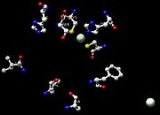
Mammalian alcohol dehydrogenases also has a structural zinc site. This Zn ion plays a structural role and is crucial for protein stability. The structures of the catalytic and structural zinc sites in horse liver alcohol dehydrogenase (HLADH) as revealed in crystallographic structures, which has been studied computationally with quantum chemical as well as with classical molecular dynamics methods. The structural zinc site is composed of four closely spaced cysteine ligands (Cys97, Cys100, Cys103, and Cys111 in the amino acid sequence) positioned in an almost symmetric tetrahedron around the Zn ion. A recent study showed that the interaction between zinc and cysteine is governed by primarily an electrostatic contribution with an additional covalent contribution to the binding.

Human


In humans, ADH exists in multiple forms as a dimer and is encoded by at least seven different genes. There are five classes (I-V) of alcohol dehydrogenase, but the hepatic form that is primarily used in humans is class 1. Class 1 consists of α, β, and γ subunits that are encoded by the genes ADH1A
ADH1A
Alcohol dehydrogenase 1A is an enzyme that in humans is encoded by the ADH1A gene.-Further reading:...

, ADH1B
ADH1B
Alcohol dehydrogenase 1B is an enzyme that in humans is encoded by the ADH1B gene.The protein encoded by this gene is a member of the alcohol dehydrogenase family. Members of this enzyme family metabolize a wide variety of substrates, including ethanol, retinol, other aliphatic alcohols,...

, and ADH1C
ADH1C
Alcohol dehydrogenase 1C is an enzyme that in humans is encoded by the ADH1C gene.-Further reading:...

. The enzyme is present at high levels in the liver
Liver
The liver is a vital organ present in vertebrates and some other animals. It has a wide range of functions, including detoxification, protein synthesis, and production of biochemicals necessary for digestion...

 and the lining of the stomach
Stomach
The stomach is a muscular, hollow, dilated part of the alimentary canal which functions as an important organ of the digestive tract in some animals, including vertebrates, echinoderms, insects , and molluscs. It is involved in the second phase of digestion, following mastication .The stomach is...

. It catalyzes the oxidation of ethanol
Ethanol
Ethanol, also called ethyl alcohol, pure alcohol, grain alcohol, or drinking alcohol, is a volatile, flammable, colorless liquid. It is a psychoactive drug and one of the oldest recreational drugs. Best known as the type of alcohol found in alcoholic beverages, it is also used in thermometers, as a...

 to acetaldehyde
Acetaldehyde
Acetaldehyde is an organic chemical compound with the formula CH3CHO or MeCHO. It is one of the most important aldehydes, occurring widely in nature and being produced on a large scale industrially. Acetaldehyde occurs naturally in coffee, bread, and ripe fruit, and is produced by plants as part...

:
CH3CH2OH + NAD+ → CH3CHO + NADH + H+

This allows the consumption of alcoholic beverage
Alcoholic beverage
An alcoholic beverage is a drink containing ethanol, commonly known as alcohol. Alcoholic beverages are divided into three general classes: beers, wines, and spirits. They are legally consumed in most countries, and over 100 countries have laws regulating their production, sale, and consumption...

s, but its evolutionary purpose is probably the breakdown of alcohols naturally contained in foods or produced by bacteria
Bacteria
Bacteria are a large domain of prokaryotic microorganisms. Typically a few micrometres in length, bacteria have a wide range of shapes, ranging from spheres to rods and spirals...

 in the digestive tract as alcohols are relatively 'empty' calories, providing little net nutritional benefit.

Another evolutionary purpose may be metabolism of the endogenous alcohol vitamin A
Vitamin A
Vitamin A is a vitamin that is needed by the retina of the eye in the form of a specific metabolite, the light-absorbing molecule retinal, that is necessary for both low-light and color vision...

 (retinol
Retinol
Retinol is one of the animal forms of vitamin A. It is a diterpenoid and an alcohol. It is convertible to other forms of vitamin A, and the retinyl ester derivative of the alcohol serves as the storage form of the vitamin in animals....

), which generates the hormone retinoic acid
Retinoic acid
Retinoic acid is a metabolite of vitamin A that mediates the functions of vitamin A required for growth and development. Retinoic acid is required in chordate animals which includes all higher animals from fishes to humans...

, although the function here may be primarily the elimination of toxic levels of retinol.


Alcohol dehydrogenase is also involved in the toxicity of other types of alcohol: For instance, it oxidizes methanol
Methanol
Methanol, also known as methyl alcohol, wood alcohol, wood naphtha or wood spirits, is a chemical with the formula CH3OH . It is the simplest alcohol, and is a light, volatile, colorless, flammable liquid with a distinctive odor very similar to, but slightly sweeter than, ethanol...

 to produce formaldehyde
Formaldehyde
Formaldehyde is an organic compound with the formula CH2O. It is the simplest aldehyde, hence its systematic name methanal.Formaldehyde is a colorless gas with a characteristic pungent odor. It is an important precursor to many other chemical compounds, especially for polymers...

 and ethylene glycol
Ethylene glycol
Ethylene glycol is an organic compound widely used as an automotive antifreeze and a precursor to polymers. In its pure form, it is an odorless, colorless, syrupy, sweet-tasting liquid...

 to ultimately yield glycolic
Glycolic acid
Glycolic acid is the smallest α-hydroxy acid . This colorless, odorless, and hygroscopic crystalline solid is highly soluble in water. It is used in various skin-care products. Glycolic acid is found in some sugar-crops...

 and oxalic acid
Oxalic acid
Oxalic acid is an organic compound with the formula H2C2O4. This colourless solid is a dicarboxylic acid. In terms of acid strength, it is about 3,000 times stronger than acetic acid. Oxalic acid is a reducing agent and its conjugate base, known as oxalate , is a chelating agent for metal cations...

s. Humans have at least six slightly different alcohol dehydrogenases. Each is a dimer
Protein dimer
In biochemistry, a dimer is a macromolecular complex formed by two, usually non-covalently bound, macromolecules like proteins or nucleic acids...

 (i.e., consists of two polypeptides), with each dimer containing two zinc
Zinc
Zinc , or spelter , is a metallic chemical element; it has the symbol Zn and atomic number 30. It is the first element in group 12 of the periodic table. Zinc is, in some respects, chemically similar to magnesium, because its ion is of similar size and its only common oxidation state is +2...

 ion
Ion
An ion is an atom or molecule in which the total number of electrons is not equal to the total number of protons, giving it a net positive or negative electrical charge. The name was given by physicist Michael Faraday for the substances that allow a current to pass between electrodes in a...

s Zn2+. One of those ions is crucial for the operation of the enzyme: It is located at the catalytic site and holds the hydroxyl
Hydroxyl
A hydroxyl is a chemical group containing an oxygen atom covalently bonded with a hydrogen atom. In inorganic chemistry, the hydroxyl group is known as the hydroxide ion, and scientists and reference works generally use these different terms though they refer to the same chemical structure in...

 group of the alcohol in place.

Alcohol dehydrogenase activity varies between men and women, between young and old, and among populations from different areas of the world. For example, young women are unable to process alcohol at the same rate as young men because they do not express the alcohol dehydrogenase as highly, although, the inverse is true among the middle-aged. The level of activity may not be dependent only on level of expression but also on allelic
Allele
An allele is one of two or more forms of a gene or a genetic locus . "Allel" is an abbreviation of allelomorph. Sometimes, different alleles can result in different observable phenotypic traits, such as different pigmentation...

 diversity among the population.

The human genes that encode class II, III, IV, and V alcohol dehydrogenases are ADH4
ADH4
Alcohol dehydrogenase 4 is an enzyme that in humans is encoded by the ADH4 gene.-Further reading:...

, ADH5
ADH5
Alcohol dehydrogenase class-3 is an enzyme that in humans is encoded by the ADH5 gene.-Further reading:...

, ADH7
ADH7
Alcohol dehydrogenase class 4 mu/sigma chain is an enzyme that in humans is encoded by the ADH7 gene.-Further reading:...

, and ADH6
ADH6
Alcohol dehydrogenase 6 is an enzyme that in humans is encoded by the ADH6 gene.-Further reading:...

, respectively.

Yeast and bacteria


Unlike humans, yeast and bacteria (except lactic acid bacteria
Lactic acid bacteria
The lactic acid bacteria comprise a clade of Gram-positive, low-GC, acid-tolerant, generally non-sporulating, non-respiring rod or cocci that are associated by their common metabolic and physiological characteristics. These bacteria, usually found in decomposing plants and lactic products, produce...

, and E. coli in certain conditions ) do not ferment glucose to lactate. Instead, they ferment it to ethanol and . The overall reaction can be seen below:
Glucose + 2 ADP + 2 Pi → 2 ethanol + 2 CO2 + 2 ATP + 2 H2O


In yeast
Yeast
Yeasts are eukaryotic micro-organisms classified in the kingdom Fungi, with 1,500 species currently described estimated to be only 1% of all fungal species. Most reproduce asexually by mitosis, and many do so by an asymmetric division process called budding...

  and many bacteria
Bacteria
Bacteria are a large domain of prokaryotic microorganisms. Typically a few micrometres in length, bacteria have a wide range of shapes, ranging from spheres to rods and spirals...

, alcohol dehydrogenase plays an important part in fermentation: pyruvate resulting from glycolysis
Glycolysis
Glycolysis is the metabolic pathway that converts glucose C6H12O6, into pyruvate, CH3COCOO− + H+...

 is converted to acetaldehyde and carbon dioxide
Carbon dioxide
Carbon dioxide is a naturally occurring chemical compound composed of two oxygen atoms covalently bonded to a single carbon atom...

, and the acetaldehyde is then reduced to ethanol by an alcohol dehydrogenase called ADH1. The purpose of this latter step is the regeneration of NAD+, so that the energy-generating glycolysis can continue. Humans exploit this process to produce alcoholic beverages, by letting yeast ferment various fruits or grains. It is interesting to note that yeast can produce and consume their own alcohol.

The main alcohol dehydrogenase in yeast is larger than the human one, consisting of four rather than just two subunits. It also contains zinc at its catalytic site. Together with the zinc-containing alcohol dehydrogenases of animals and humans, these enzymes from yeasts and many bacteria form the family of "long-chain"-alcohol dehydrogenases.

Brewer's yeast also has another alcohol dehydrogenase, ADH2, which evolved out of a duplicate version of the chromosome containing the ADH1 gene. ADH2 is used by the yeast to convert ethanol back into acetaldehyde, and it is only expressed when sugar concentration is low. Having these two enzymes allows yeast to produce alcohol when sugar is plentiful (and this alcohol then kills off competing microbes), and then continue with the oxidation of the alcohol once the sugar, and competition, is gone.

Plants


In plants, ADH catalyses the same reaction as in yeast and bacteria to ensure that there is a constant supply of NAD+.Maize
Maize
Maize known in many English-speaking countries as corn or mielie/mealie, is a grain domesticated by indigenous peoples in Mesoamerica in prehistoric times. The leafy stalk produces ears which contain seeds called kernels. Though technically a grain, maize kernels are used in cooking as a vegetable...

 has two versions of ADH - ADH1 and ADH2, Arabidopsis thaliana
Arabidopsis thaliana
Arabidopsis thaliana is a small flowering plant native to Europe, Asia, and northwestern Africa. A spring annual with a relatively short life cycle, arabidopsis is popular as a model organism in plant biology and genetics...

contains only one ADH gene. The structure of Arabidopsis ADH is 47% conserved, relative to ADH from horse liver, structurally and functionally important residues, such as the seven residues that provide ligands for the catalytic and noncatalytic zinc atoms, however are conserved suggesting that the enzymes have a similar structure. ADH is constitutively expressed at low levels in the roots of young plants grown on agar, if the roots lack oxygen, the expression of ADH increases significantly. Its expression is also increased in response to dehydration, low temperatures and to abscisic acid
Abscisic acid
Abscisic acid , also known as abscisin II and dormin, is a plant hormone. ABA functions in many plant developmental processes, including bud dormancy. It is degraded by the enzyme -abscisic acid 8'-hydroxylase.-Function:...

 and it plays an important role in fruit ripening, seedling and pollen development. Differences in the sequences of ADH in different species have been used to create phylogenies showing how closely related different species of plants are. It is an ideal gene to use due to its convenient size (2–3 kb in length with a ~1000 nucleotide coding sequence) and low copy number.

Iron-containing


A third family of alcohol dehydrogenases, unrelated to the above two, are iron
Iron
Iron is a chemical element with the symbol Fe and atomic number 26. It is a metal in the first transition series. It is the most common element forming the planet Earth as a whole, forming much of Earth's outer and inner core. It is the fourth most common element in the Earth's crust...

-containing ones. They occur in bacteria and fungi. In comparison to enzymes the above families, these enzymes are oxygen-sensitive.
Members if the iron-containing alcohol dehydrogenase family include:
  • Saccharomyces cerevisiae
    Saccharomyces cerevisiae
    Saccharomyces cerevisiae is a species of yeast. It is perhaps the most useful yeast, having been instrumental to baking and brewing since ancient times. It is believed that it was originally isolated from the skin of grapes...

    Alcohol dehydrogenase 4 (gene ADH4)

  • Zymomonas mobilis
    Zymomonas mobilis
    Zymomonas mobilis is a bacterium belonging to the genus Zymomonas. It is notable for its bioethanol-producing capabilities, which surpass yeast in some aspects. It was originally isolated from alcoholic beverages like the African palm wine, the Mexican pulque, and also as a contaminant of cider and...

    alcohol dehydrogenase 2 (gene adhB)

  • Escherichia coli
    Escherichia coli
    Escherichia coli is a Gram-negative, rod-shaped bacterium that is commonly found in the lower intestine of warm-blooded organisms . Most E. coli strains are harmless, but some serotypes can cause serious food poisoning in humans, and are occasionally responsible for product recalls...

    propanediol oxidoreductase (gene fucO), an enzyme
    Enzyme
    Enzymes are proteins that catalyze chemical reactions. In enzymatic reactions, the molecules at the beginning of the process, called substrates, are converted into different molecules, called products. Almost all chemical reactions in a biological cell need enzymes in order to occur at rates...

     involved in the metabolism
    Metabolism
    Metabolism is the set of chemical reactions that happen in the cells of living organisms to sustain life. These processes allow organisms to grow and reproduce, maintain their structures, and respond to their environments. Metabolism is usually divided into two categories...

     of fucose
    Fucose
    Fucose is a hexose deoxy sugar with the chemical formula C6H12O5. It is found on N-linked glycans on the mammalian, insect and plant cell surface, and is the fundamental sub-unit of the fucoidan polysaccharide...

     and which also seems to contain ferrous
    Ferrous
    Ferrous , in chemistry, indicates a divalent iron compound , as opposed to ferric, which indicates a trivalent iron compound ....

     ion(s).

  • Clostridium acetobutylicum
    Clostridium acetobutylicum
    Clostridium acetobutylicum, ATCC 824, is included in the genus Clostridium, is a commercially valuable bacterium sometimes called the "Weizmann Organism", after Jewish-Russian born Chaim Weizmann, then senior lecturer at the University of Manchester, England, used them in 1916 as a bio-chemical...

    NADPH- and NADH-dependent butanol dehydrogenases (genes adh1, bdhA and bdhB), enzymes which have activity using butanol
    Butanol
    Butanol or butyl alcohol can refer to any of the four isomeric alcohols of formula C4H9OH:*n-Butanol, butan-1-ol, 1-butanol, n-butyl alcohol;*Isobutanol, 2-methylpropan-1-ol, isobutyl alcohol;...

     and ethanol
    Ethanol
    Ethanol, also called ethyl alcohol, pure alcohol, grain alcohol, or drinking alcohol, is a volatile, flammable, colorless liquid. It is a psychoactive drug and one of the oldest recreational drugs. Best known as the type of alcohol found in alcoholic beverages, it is also used in thermometers, as a...

     as substrates
    Substrate (biochemistry)
    In biochemistry, a substrate is a molecule upon which an enzyme acts. Enzymes catalyze chemical reactions involving the substrate. In the case of a single substrate, the substrate binds with the enzyme active site, and an enzyme-substrate complex is formed. The substrate is transformed into one or...

    .

  • E. coli adhE, an iron-dependent enzyme which harbours three different activities: alcohol dehydrogenase, acetaldehyde dehydrogenase
    Acetaldehyde dehydrogenase
    Acetaldehyde dehydrogenases are dehydrogenase enzymes which catalyze the conversion of acetaldehyde into acetic acid. The oxidation of acetaldehyde to acetate can be summarized as follows:...

     (acetylating) and pyruvate-formate-lyase deactivase.

  • Bacteria
    Bacteria
    Bacteria are a large domain of prokaryotic microorganisms. Typically a few micrometres in length, bacteria have a wide range of shapes, ranging from spheres to rods and spirals...

    l glycerol dehydrogenase
    Glycerol dehydrogenase
    In enzymology, a glycerol dehydrogenase is an enzyme that catalyzes the chemical reaction:Thus, the two substrates of this enzyme are glycerol and NAD+, whereas its three products are glycerone, NADH, and H+....

      (gene gldA or dhaD).

  • Clostridium kluyveri
    Clostridium kluyveri
    Clostridium kluyveri is an anaerobic, motile, gram-positive bacterium....

    NAD-dependent 4-hydroxybutyrate dehydrogenase
    4-hydroxybutyrate dehydrogenase
    In enzymology, a 4-hydroxybutyrate dehydrogenase is an enzyme that catalyzes the chemical reactionThe two substrates of this enzyme are therefore 4-hydroxybutanoic acid, and NAD+, whereas its 3 products are succinate semialdehyde, NADH, and H+....

     (4hbd)

  • Citrobacter freundii
    Citrobacter freundii
    Citrobacter freundii are aerobic Gram-negative bacilli. The bacteria are long rod-shaped with a typically length of 1-5 μm. Most C. freundii cells are surrounded by several flagella used for locomotion, but a few are non-motile. It can be found in soil, water, sewage, food and the intestinal tracts...

    and Klebsiella pneumoniae
    Klebsiella pneumoniae
    Klebsiella pneumoniae is a Gram-negative, non-motile, encapsulated, lactose fermenting, facultative anaerobic, rod shaped bacterium found in the normal flora of the mouth, skin, and intestines....

    1,3-propanediol dehydrogenase
    1,3-propanediol dehydrogenase
    In enzymology, a 1,3-propanediol dehydrogenase is an enzyme that catalyzes the chemical reactionThus, the two substrates of this enzyme are propane-1,3-diol and NAD+, whereas its 3 products are 3-hydroxypropanal, NADH, and H+....

      (gene dhaT)

  • Bacillus methanolicus NAD-dependent methanol dehydrogenase
    Methanol dehydrogenase
    In enzymology, a methanol dehydrogenase is an enzyme that catalyses the chemical reaction:How the electrons are captured and transported depends upon the kind of methanol dehydrogenase and there are two main types...


  • E. coli and Salmonella typhimurium ethanolamine
    Ethanolamine
    Ethanolamine, also called 2-aminoethanol or monoethanolamine , is an organic chemical compound that is both a primary amine and a primary alcohol . Like other amines, monoethanolamine acts as a weak base...

     utilization protein
    Protein
    Proteins are biochemical compounds consisting of one or more polypeptides typically folded into a globular or fibrous form, facilitating a biological function. A polypeptide is a single linear polymer chain of amino acids bonded together by peptide bonds between the carboxyl and amino groups of...

     eutG.

  • E. coli hypothetical protein yiaY.

Other types


A further class of alcohol dehydrogenases belongs to quinoenzymes and requires quinoid cofactors (e.g., pyrroloquinoline quinone, PQQ) as enzyme-bound electron acceptors. A typical example for this type of enzyme is methanol dehydrogenase of methylotrophic bacteria.

Applications


In fuel cells, alcohol dehydrogenases can be used to catalyze the breakdown of fuel for an ethanol fuel cell
Fuel cell
A fuel cell is a device that converts the chemical energy from a fuel into electricity through a chemical reaction with oxygen or another oxidizing agent. Hydrogen is the most common fuel, but hydrocarbons such as natural gas and alcohols like methanol are sometimes used...

. Scientists at Saint Louis University
Saint Louis University
Saint Louis University is a private, co-educational Jesuit university located in St. Louis, Missouri, United States. Founded in 1818 by the Most Reverend Louis Guillaume Valentin Dubourg SLU is the oldest university west of the Mississippi River. It is one of 28 member institutions of the...

 have used carbon-supported alcohol dehydrogenase with poly(methylene green
Methylene green
Methylene green is a heterocyclic aromatic chemical compound similar to methylene blue. It is used as a dye.- External links :*...

) as an anode, with a nafion
Nafion
Nafion is a sulfonated tetrafluoroethylene based fluoropolymer-copolymer discovered in the late 1960s by Walther Grot of DuPont. It is the first of a class of synthetic polymers with ionic properties which are called ionomers...

 membrane, to achieve about 50 μA
Ampere
The ampere , often shortened to amp, is the SI unit of electric current and is one of the seven SI base units. It is named after André-Marie Ampère , French mathematician and physicist, considered the father of electrodynamics...

/cm2.

In biotransformation, alcohol dehydrogenases are often used for the synthesis of enantiomerically pure stereoisomers of chiral alcohols. In contrast to the chemical process, the enzymes yield directly the desired enatiomer of the alcohol by reduction of the corresponding ketone.

Alcoholism


There have been studies showing that ADH may have an influence on the dependence on ethanol metabolism
Ethanol metabolism
Ethanol is metabolized through a very complex catabolic metabolic pathway.-Ethanol and evolution:The average human digestive system produces approximately 3g of ethanol per day merely through fermentation of its contents. Catabolic degradation of ethanol is thus essential to life, not only of...

 in alcoholics. Researchers have tentatively detected a few genes to be associated with alcoholism. If the variants of these genes encode slower metabolizing forms of ADH2 and ADH3, there is increased risk of alcoholism. The studies have found that mutations of ADH2 and ADH3 are related to alcoholism in Asian populations. However, research continues in order to identify the genes and their influence on alcoholism.

Drug dependence


Drug dependence is another problem associated with ADH, which researchers think might be linked to alcoholism. One particular study suggests that drug dependence has seven ADH genes associated with it. These results may lead to treatments that target these specific genes. However, more research is necessary.

See also

  • Aldehyde dehydrogenase
    Aldehyde dehydrogenase
    Aldehyde dehydrogenases are a group of enzymes that catalyse the oxidation of aldehydes.- Function :Aldehyde dehydrogenase is a polymorphic enzyme responsible for the oxidation of aldehydes to carboxylic acids, which leave the liver and are metabolized by the body’s muscle and heart...

  • Oxidoreductase
    Oxidoreductase
    In biochemistry, an oxidoreductase is an enzyme that catalyzes the transfer of electrons from one molecule to another...

  • Blood alcohol content
    Blood alcohol content
    Blood alcohol content , also called blood alcohol concentration, blood ethanol concentration, or blood alcohol level is most commonly used as a metric of alcohol intoxication for legal or medical purposes....

     for rates of metabolism

External links


  • PDBsum has links to three-dimensional structures of various alcohol dehydrogenases contained in the Protein Data Bank
    Protein Data Bank
    The Protein Data Bank is a repository for the 3-D structural data of large biological molecules, such as proteins and nucleic acids....

  • ExPASy contains links to the alcohol dehydrogenase sequences in Swiss-Prot, to a Medline
    MEDLINE
    MEDLINE is a bibliographic database of life sciences and biomedical information. It includes bibliographic information for articles from academic journals covering medicine, nursing, pharmacy, dentistry, veterinary medicine, and health care...

    literature search about the enzyme, and to entries in other databases.
  • Radio Free Genome created a musical score from a sequence of alcohol dehydrogenase. MP3 audio version and an open source version of the software used to create it is available.