
All Topics  
Acute myeloid leukemia

 
Acute Myeloid Leukemia

   Email Print
   Bookmark   Link


Acute myeloid leukemia


Acute myeloid leukemia (AML), also known as acute myelogenous leukemia, is a cancer
Cancer

Cancer is a class of diseases in which a group of cell display uncontrolled growth , invasion , and sometimes metastasis . These three malignant properties of cancers differentiate them from benign tumors, which are self-limited, do not invade or metastasize....
 of the myeloid
Myeloid

The term myeloid suggests an origin in the bone marrow or spinal cord, or a resemblance to the marrow or spinal cord.In hematopoiesis, the term "myeloid cell" is used to describe any leukocyte that is not a lymphocyte....
 line of white blood cell
White blood cell

White blood cells , or leukocytes , are cell of the immune system defending the body against both infectious disease and foreign materials....
s, characterized by the rapid proliferation of abnormal cells which accumulate in the bone marrow
Bone marrow

Bone marrow is the flexible biological tissue found in the hollow interior of bones. In adults, marrow in large bones produces new blood cells....
 and interfere with the production of normal blood cells
Haematopoiesis

Haematopoiesis is the formation of blood cellular components. All cellular blood components are derived from haematopoietic stem cells. In a healthy adult person, approximately 1011?1012 new blood cells are produced daily....
. AML is the most common acute leukemia affecting adults, and its incidence increases with age. Although AML is a relatively rare disease, accounting for approximately 1.2% of cancer deaths in the United States, its incidence is expected to increase as the population ages.

The symptoms of AML are caused by replacement of normal bone marrow with leukemic cells, resulting in a drop in red blood cell
Red blood cell

Red blood cells are the most common type of blood cell and the vertebrate body's principal means of delivering oxygen to the body tissues via the blood....
s, platelet
Platelet

Platelets, or Thrombocyte, are small, irregularly shaped anuclear cells, 2-4?m in diameter, which are derived from fragmentation of precursor megakaryocytes....
s, and normal white blood cells.


Discussion
Ask a question about 'Acute myeloid leukemia'
Start a new discussion about 'Acute myeloid leukemia'
Answer questions from other users
Full Discussion Forum


Encyclopedia


Acute myeloid leukemia (AML), also known as acute myelogenous leukemia, is a cancer
Cancer

Cancer is a class of diseases in which a group of cell display uncontrolled growth , invasion , and sometimes metastasis . These three malignant properties of cancers differentiate them from benign tumors, which are self-limited, do not invade or metastasize....
 of the myeloid
Myeloid

The term myeloid suggests an origin in the bone marrow or spinal cord, or a resemblance to the marrow or spinal cord.In hematopoiesis, the term "myeloid cell" is used to describe any leukocyte that is not a lymphocyte....
 line of white blood cell
White blood cell

White blood cells , or leukocytes , are cell of the immune system defending the body against both infectious disease and foreign materials....
s, characterized by the rapid proliferation of abnormal cells which accumulate in the bone marrow
Bone marrow

Bone marrow is the flexible biological tissue found in the hollow interior of bones. In adults, marrow in large bones produces new blood cells....
 and interfere with the production of normal blood cells
Haematopoiesis

Haematopoiesis is the formation of blood cellular components. All cellular blood components are derived from haematopoietic stem cells. In a healthy adult person, approximately 1011?1012 new blood cells are produced daily....
. AML is the most common acute leukemia affecting adults, and its incidence increases with age. Although AML is a relatively rare disease, accounting for approximately 1.2% of cancer deaths in the United States, its incidence is expected to increase as the population ages.

The symptoms of AML are caused by replacement of normal bone marrow with leukemic cells, resulting in a drop in red blood cell
Red blood cell

Red blood cells are the most common type of blood cell and the vertebrate body's principal means of delivering oxygen to the body tissues via the blood....
s, platelet
Platelet

Platelets, or Thrombocyte, are small, irregularly shaped anuclear cells, 2-4?m in diameter, which are derived from fragmentation of precursor megakaryocytes....
s, and normal white blood cells. These symptoms include fatigue, shortness of breath, easy bruising and bleeding, and increased risk of infection. Although several risk factors for AML have been identified, the specific cause of AML remains unclear. As an acute leukemia, AML progresses rapidly and is typically fatal within weeks or months if left untreated.

Acute myeloid leukemia is a potentially curable disease; but only a minority of patients are cured with current therapy. AML is treated initially with chemotherapy
Chemotherapy

Chemotherapy, in its most general sense, refers to treatment of disease by chemicals that kill cells, specifically those of micro-organisms or cancer....
 aimed at inducing a remission
Remission (medicine)

Remission is the state of absence of disease activity in patients with known chronic illness. It is commonly used to refer to absence of active cancer or inflammatory bowel disease....
; some patients may go on to receive a hematopoietic stem cell transplant.

Areas of active research in acute myeloid leukemia include further elucidation of the cause of AML, identification of better prognostic indicators
Prognosis

Prognosis is a medicine term denoting the Physician's prediction of how a patient will progress, and whether there is a chance of recovery. This word is often used in medical reports dictating a physician's view on a case....
, development of new methods of detecting residual disease after treatment, and the development of new drugs and targeted therapies
Targeted therapy

Targeted therapy is a type of medication that blocks the growth of cancer cells by interfering with specific targeted molecules needed for carcinogenesis and tumor growth, rather than by simply interfering with rapidly dividing cells ....
.

Signs and symptoms

Most signs and symptoms of AML are due to an increased number of malignant white blood cells displacing or otherwise interfering with production of normal blood cells
Haematopoiesis

Haematopoiesis is the formation of blood cellular components. All cellular blood components are derived from haematopoietic stem cells. In a healthy adult person, approximately 1011?1012 new blood cells are produced daily....
 in the bone marrow
Bone marrow

Bone marrow is the flexible biological tissue found in the hollow interior of bones. In adults, marrow in large bones produces new blood cells....
. A lack of normal white blood cell production makes the patient susceptible to infections (while the leukemic cells themselves are derived from white blood cell precursors, they have no infection-fighting capacity). A lack of red blood cells (anemia
Anemia

Anemia or an?mia/anaemia is defined as a qualitative or quantitative deficiency of hemoglobin, a protein found inside red blood cells ....
) can cause fatigue, paleness, and shortness of breath. A lack of platelet
Platelet

Platelets, or Thrombocyte, are small, irregularly shaped anuclear cells, 2-4?m in diameter, which are derived from fragmentation of precursor megakaryocytes....
s can lead to easy bruising or bleeding with minor trauma.

The early signs of AML are often non-specific, and may be similar to those of influenza
Influenza

Influenza, commonly known as the flu, is an infectious disease that affects birds and mammals caused by RNA viruses of the biological family Orthomyxoviridae ....
 or other common illnesses. Some generalized symptoms include fever
Fever

Fever is a frequent medical sign that describes an increase in internal body temperature to levels above normal. Fever is most accurately characterized as a temporary elevation in the body's thermoregulatory set-point, usually by about 1?2 ?C ....
, fatigue
Fatigue (physical)

Fatigue is a weariness caused by exertion. It can describe a range of afflictions, varying from a general state of wikt:lethargy to a specific work-induced burning sensation within one's muscles....
, weight loss
Weight loss

Weight loss, in the context of medicine or health or physical fitness, is a reduction of the total body weight, due to a mean loss of fluid, body fat or adipose tissue and/or lean mass, namely bone mineral deposits, muscle, tendon and other connective tissue....
 or loss of appetite, shortness of breath
Dyspnea

Dyspnea or dyspnoea , from Latin language dyspnoea, from Greek language dyspnoia from dyspnoos, shortness of breath) or shortness of breath is perceived to be difficulty of breathing or painful breathing that a patient is aware of....
 with exertion, anemia
Anemia

Anemia or an?mia/anaemia is defined as a qualitative or quantitative deficiency of hemoglobin, a protein found inside red blood cells ....
, easy bruising or bleeding
Bleeding

Bleeding, technically known as hemorrhaging or haemorrhaging is the loss of blood from the circulatory system. Bleeding can occur internally, where blood leaks from blood vessels inside the body or externally, either through a natural opening such as the vagina, Mouth , nose, or anus, or through a break in the skin....
, petechia
Petechia

A petechia , plural petechiae is a small red or purple spot on the body, caused by a minor hemorrhage .The most common cause of petechiae is through physical trauma such as a hard bout of coughing, vomiting or crying which can result in facial petechiae, especially around the eyes....
e (flat, pin-head sized spots under the skin caused by bleeding), bone pain
Bone pain

The term 'Bone pain' generally is used to refer to pain felt within a bone.The cause of the bone pain may not be immediately apparent, and further testing is usually warranted ....
 and joint pain and persistent or frequent infections.

Enlargement of the spleen
Splenomegaly

Splenomegaly is an enlargement of the spleen, which usually lies in the left upper quadrant of the human abdomen. It is one of the four cardinal signs of hypersplenism, the other three being cytopenia, normal or hyperplastic bone marrow, and a response to splenectomy....
 may occur in AML, but it is typically mild and asymptomatic. Lymph node swelling
Lymphadenopathy

Lymphadenopathy is a term meaning "disease of the lymph nodes." It is, however, almost synonymously used with "swollen/enlarged lymph nodes".When the infection is of the lymph nodes themselves, it is called lymphadenitis, but when the infection is of the lymph channels, it is called lymphangitis....
 is rare in AML, in contrast to acute lymphoblastic leukemia
Acute lymphoblastic leukemia

Acute lymphoblastic leukemia , is a form of leukemia, or hematological malignancy characterized by excess lymphoblasts.Malignant, immature lymphoblasts continuously multiply and are overproduced in the bone marrow....
. The skin is involved about 10% of the time in the form of leukemia cutis. Rarely, Sweet's syndrome, a paraneoplastic
Paraneoplastic syndrome

A paraneoplastic syndrome is a disease or symptom that is the consequence of the presence of cancer in the body, but is not due to the local presence of cancer cells....
 inflammation of the skin, can occur with AML.

Some patients with AML may experience swelling of the gums because of infiltration of leukemic cells into the gum tissue. Rarely, the first sign of leukemia may be the development of a solid leukemic mass or tumor outside of the bone marrow
Bone marrow

Bone marrow is the flexible biological tissue found in the hollow interior of bones. In adults, marrow in large bones produces new blood cells....
, called a chloroma. Occasionally, a person may show no symptoms, and the leukemia may be discovered incidentally during a routine blood test.

Causes

A number of risk factors for developing AML have been identified, including:
  • "Pre-leukemic" blood disorders such as myelodysplastic
    Myelodysplastic syndrome

    The myelodysplastic syndromes are a diverse collection of hematology conditions united by ineffective production of myeloid blood cells and risk of transformation to acute myelogenous leukemia ....
     or myeloproliferative syndromes can evolve into AML; the exact risk depends on the type of MDS/MPS.
  • Exposure to anti-cancer chemotherapy
    Chemotherapy

    Chemotherapy, in its most general sense, refers to treatment of disease by chemicals that kill cells, specifically those of micro-organisms or cancer....
    , in particular alkylating agents
    Alkylating antineoplastic agent

    An alkylating antineoplastic agent is an alkylating agent that attaches an alkyl group to DNA.Since cancer cells generally proliferate unrestrictively more than healthy cells do, cancer cells are more sensitive to DNA damage - such as being alkylated....
    , can increase the risk for the subsequent development of AML. The risk is highest about 3–5 years after chemotherapy. Other chemotherapy agents, specifically epipodophyllotoxins
    Podophyllotoxin

    Podophyllotoxin, otherwise known as podofilox, is a non-alkaloid toxin in the lignan family.The melting point of podophyllotoxin is 183.3 - 184.0 ?C....
     and anthracycline
    Anthracycline

    Anthracyclines are a class of drugs used in chemotherapy derived from Streptomyces bacteria .These compounds are used to treat a wide range of cancers, including leukemias, lymphomas, and breast cancer, uterine cancer, ovarian cancer, and lung cancers....
    s, have also been associated with treatment-related leukemia. These treatment-related leukemias are often associated with specific chromosomal abnormalities in the leukemic cells.
  • Ionizing radiation
    Ionizing radiation

    Ionizing radiation consists of subatomic particle radiation or electromagnetic radiation that are energetic enough to detach electrons from atoms or molecules, ionize them....
     exposure can increase the risk of AML. Survivors of the atomic bombings of Hiroshima and Nagasaki
    Atomic bombings of Hiroshima and Nagasaki

    The atomic bombings of Hiroshima and Nagasaki were nuclear warfares near the end of World War II against the Empire of Japan by the United States at the executive order of President of the United States Harry S....
     had an increased rate of AML, as did radiologists exposed to high levels of X-ray
    X-ray

    X-radiation is a form of electromagnetic radiation. X-rays have a wavelength in the range of 10 to 0.01 nanometers, corresponding to frequency in the range 30 Hertz to 30 Hertz and energies in the range 120 Electron volt to 120 keV....
    s prior to the adoption of modern radiation safety practices.
  • Occupational chemical exposure to benzene
    Benzene

    Benzene, or benzol, is an organic compound chemical compound and a known carcinogen with the molecular formula Carbon6Hydrogen6....
     and other aromatic organic solvents is controversial as a cause of AML. Benzene and many of its derivatives are known to be carcinogenic in vitro. While some studies have suggested a link between occupational exposure to benzene and increased risk of AML, others have suggested that the attributable risk, if any, is slight.
  • Several congenital conditions may increase the risk of leukemia; the most common is probably Down syndrome
    Down syndrome

    Down syndrome, Down's syndrome, or trisomy 21 is a chromosomal disorder caused by the presence of all or part of an extra chromosome 21 ....
    , which is associated with a 10- to 18-fold increase in the risk of AML.


Diagnosis

The first clue to a diagnosis of AML is typically an abnormal result on a complete blood count
Complete blood count

A complete blood count , also known as full blood count or full blood exam or blood panel, is a test requested by a physician or other medical professional that gives information about the cells in a patient's blood....
. While an excess of abnormal white blood cells (leukocytosis
Leukocytosis

Leukocytosis is a raised white blood cell count above the normal range. This increase in leukocytes is usually accompanied by a "left shift" in the ratio of immature to mature neutrophils....
) is a common finding, and leukemic blasts are sometimes seen, AML can also present with isolated decreases in platelet
Platelet

Platelets, or Thrombocyte, are small, irregularly shaped anuclear cells, 2-4?m in diameter, which are derived from fragmentation of precursor megakaryocytes....
s, red blood cell
Red blood cell

Red blood cells are the most common type of blood cell and the vertebrate body's principal means of delivering oxygen to the body tissues via the blood....
s, or even with a low white blood cell count (leukopenia
Leukopenia

Leukopenia is a decrease in the number of circulating white blood cells in the blood. As the principal function of white cells is to combat infection, a decrease in the number of these cells can place patients at increased risk for infection....
). While a presumptive diagnosis of AML can be made via examination of the peripheral blood smear when there are circulating leukemic blasts, a definitive diagnosis usually requires an adequate bone marrow aspiration and biopsy.

A bone marrow examination is often performed to identify the type of abnormal blood cells; however, if there are many leukemic cells circulating in the peripheral blood, a bone marrow biopsy
Biopsy

A biopsy is a medical test involving the removal of Cell_s or Biological tissues for examination. It is the removal of tissue from a living subject to determine the presence or extent of a disease....
 may not be necessary.

Marrow or blood is examined via light microscopy as well as flow cytometry
Flow cytometry

Flow cytometry is a technique for counting, examining, and sorting microscopic particles suspended in a stream of fluid. It allows simultaneous Parametric model analysis of the physical and/or chemical characteristics of single cells flowing through an optical and/or electronic detection apparatus....
 to diagnose the presence of leukemia, to differentiate AML from other types of leukemia (e.g. acute lymphoblastic leukemia
Acute lymphoblastic leukemia

Acute lymphoblastic leukemia , is a form of leukemia, or hematological malignancy characterized by excess lymphoblasts.Malignant, immature lymphoblasts continuously multiply and are overproduced in the bone marrow....
), and to classify the subtype of disease (see below). A sample of marrow or blood is typically also tested for chromosomal translocation
Chromosomal translocation

In genetics, a chromosome translocation is a chromosome abnormality caused by rearrangement of parts between nonhomologous chromosomes. A fusion gene may be created when the translocation joins two otherwise separated genes, an event which is common in cancer....
s by routine cytogenetics
Cytogenetics

Cytogenetics is a branch of genetics that is concerned with the study of the structure and function of the cell, especially the chromosomes. It includes routine analysis of G banding chromosomes, other cytogenetic banding techniques, as well as molecular cytogenetics such as fluorescent in situ hybridization and comparative genomic hybridiz...
 or fluorescent in situ hybridization
Fluorescent in situ hybridization

FISH is a cytogenetics technique that can be used to detect and localize the presence or absence of specific DNA DNA sequence on chromosomes. It uses hybridization probe that bind to only those parts of the chromosome with which they show a high degree of sequence similarity....
.

Cytochemical stains on blood and bone marrow smears are helpful in the distinction of AML from ALL and in subclassification of AML. The combination of a myeloperoxidase or Sudan black stain and a non specific esterase stain will provide the desired information in most cases. The myeloperoxidase or Sudan black reactions are most useful in establishing the identity of AML and distinguishing from ALL. The non-specific esterase stain is used to identify a monocytic component in AMLs and to distinguish a poorly differentiated monoblastic leukemia from ALL.

The diagnosis and classification of AML can be challenging, and should be performed by a qualified hematopathologist or hematologist. In straightforward cases, the presence of certain morphologic features (such as Auer rods
Auer rods

Auer rods can be seen in the leukemic blasts of Acute Myeloid Leukemia. Auer rods are clumps of azurophilic granular material that form elongated needles seen in the cytoplasm of leukemic blasts....
) or specific flow cytometry results can distinguish AML from other leukemias; however, in the absence of such features, diagnosis may be more difficult.

According to the widely used WHO
Who

*Who is an English language interrogative pronoun....
 criteria, the diagnosis of AML is established by demonstrating involvement of more than 20% of the blood and/or bone marrow by leukemic myeloblast
Myeloblast

The myeloblast is a unipotent stem cell, which will differentiate into one of the actors of the granular series....
s. AML must be carefully differentiated from "pre-leukemic" conditions such as myelodysplastic
Myelodysplastic syndrome

The myelodysplastic syndromes are a diverse collection of hematology conditions united by ineffective production of myeloid blood cells and risk of transformation to acute myelogenous leukemia ....
 or myeloproliferative syndromes, which are treated differently.

Because acute promyelocytic leukemia
Acute promyelocytic leukemia

Acute promyelocytic leukemia is a subtype of acute myelogenous leukemia , a cancer of the blood and bone marrow. It is also known as acute progranulocytic leukemia; APL; AML with t, PML-RARA and variants; FAB subtype M3 and M3 variant....
 (APL) has the highest curability and requires a unique form of treatment, it is important to quickly establish or exclude the diagnosis of this subtype of leukemia. Fluorescent in situ hybridization
Fluorescent in situ hybridization

FISH is a cytogenetics technique that can be used to detect and localize the presence or absence of specific DNA DNA sequence on chromosomes. It uses hybridization probe that bind to only those parts of the chromosome with which they show a high degree of sequence similarity....
 performed on blood or bone marrow is often used for this purpose, as it readily identifies the chromosomal translocation
Chromosomal translocation

In genetics, a chromosome translocation is a chromosome abnormality caused by rearrangement of parts between nonhomologous chromosomes. A fusion gene may be created when the translocation joins two otherwise separated genes, an event which is common in cancer....
 (t[15;17]) that characterizes APL.

Classification

The two most commonly used classification schemata for AML, are the older French-American-British (FAB) system and the newer World Health Organization
World Health Organization

The World Health Organization is a specialized agency of the United Nations that acts as a coordinating authority on international public health....
 (WHO) system.

French-American-British classification

The French-American-British (FAB) classification
French-American-British classification

The French-American-British classification systems refers to a series of classifications of hematologic diseases.It was first produced in 1976....
 system divided AML into 8 subtypes, M0 through to M7, based on the type of cell from which the leukemia developed and its degree of maturity. This is done by examining the appearance of the malignant cells under light microscopy and/or by using cytogenetics
Cytogenetics

Cytogenetics is a branch of genetics that is concerned with the study of the structure and function of the cell, especially the chromosomes. It includes routine analysis of G banding chromosomes, other cytogenetic banding techniques, as well as molecular cytogenetics such as fluorescent in situ hybridization and comparative genomic hybridiz...
 to characterize any underlying chromosomal abnormalities. The subtypes have varying prognoses and responses to therapy. Although the WHO classification (see below) may be more useful, the FAB system is still widely used.

There are eight FAB subtypes.

Type Name Cytogenetics
M0 minimally differentiated acute myeloblastic leukemia
Minimally differentiated acute myeloblastic leukemia

Minimally differentiated acute myeloblastic leukemia is a subtype of AML. It is classified as M0 by FAB. It represents 2-3% of all cases of AML....
 
M1 acute myeloblastic leukemia, without maturation t(9;22)
M2 acute myeloblastic leukemia, with granulocytic maturation t(8;21)
M3 promyelocytic, or acute promyelocytic leukemia
Acute promyelocytic leukemia

Acute promyelocytic leukemia is a subtype of acute myelogenous leukemia , a cancer of the blood and bone marrow. It is also known as acute progranulocytic leukemia; APL; AML with t, PML-RARA and variants; FAB subtype M3 and M3 variant....
 (APL)
t(15;17)
M4 acute myelomonocytic leukemia
Acute myelomonocytic leukemia

Acute myelomonocytic leukemia is a form of acute myeloid leukemia which involves a proliferation of CFU-GM myeloblasts and monoblasts.It is classified under "M4" in the French-American-British classification ....
 
M4eo myelomonocytic together with bone marrow eosinophilia 
M5 acute monoblastic leukemia (M5a) or acute monocytic leukemia
Acute monocytic leukemia

Acute monocytic leukemia is considered a type of acute myeloid leukemia....
 (M5b)
 
M6 acute erythroid leukemias, including erythroleukemia (M6a) and very rare pure erythroid leukemia (M6b) 
M7 acute megakaryoblastic leukemia
Acute megakaryoblastic leukemia

Acute megakaryoblastic leukemia is a form of leukemia where a majority of the blasts are megakaryoblastic.It is classified under Acute_myelogenous_leukemia#French-American-British_classification in the French-American-British classification....
t(1;22)


Uncommon phenotypes of acute myeloid leukemia

The morphologic subtypes of AML include many exceedingly rare types not included in the FAB system. All of them except acute myeloid dendritic cell leukemia are included in the WHO classification (see below). The following list shows these subtypes.
  • Acute basophilic leukemia
    Acute basophilic leukemia

    Acute Basophilic Leukemia is a rare form of acute myeloid leukemia where blasts are accompanied by abnormal basophils in all stages of differentiation....
  • Acute eosinophilic leukemia
    Acute eosinophilic leukemia

    Acute eosinophilic leukemia is a rare subtype of acute myeloid leukemia with 50 to 80 percent of eosinophilic cells in the blood and marrow. It can arise mutation or may develop in patients having the chronic form of a hypereosinophilic syndrome....
  • Mast cell leukemia
    Mast cell leukemia

    Mast cell leukemia is an extremely aggressive subtype of acute myeloid leukemia that usually occurs de novo but can, rarely, evolve from transformation of chronic myeloid leukemia into the more aggressive acute myeloid leukemia....
  • Acute myeloid dendritic cell leukemia
    Acute myeloid dendritic cell leukemia

    Acute myeloid dendritic cell leukemia is an exceedingly rare form of leukemia. This form of leukemia represents only about 0.8% of all cases of acute myeloid leukemia....
  • Acute panmyelosis with myelofibrosis
    Acute panmyelosis with myelofibrosis

    Acute panmyelosis with myelofibrosis it is a poorly-defined disorder that arises as either a clonal disorder, or following toxic exposure to the bone marrow....
  • Myeloid sarcoma.


World Health Organization classification

The World Health Organization
World Health Organization

The World Health Organization is a specialized agency of the United Nations that acts as a coordinating authority on international public health....
 (WHO) classification of acute myeloid leukemia attempts to be more clinically useful and to produce more meaningful prognostic information than the FAB criteria. Each of the WHO categories contains numerous descriptive sub-categories of interest to the hematopathologist and oncologist; however, most of the clinically significant information in the WHO schema is communicated via categorization into one of the subtypes listed below.

The WHO subtypes of AML are:

Name Description ICD-O
AML with characteristic genetic abnormalities Includes:

  • AML with translocations between chromosome 8 and 21 [t(8;21)] (ICDO 9896/3); RUNX1
    RUNX1

    RUNX1 is an eukaryote gene and the protein encoded by this gene is a transcription factor associated with M2 AML, a type of leukemia. It belongs to the Runt-related transcription factor family of genes which are also called core binding factor-a ....
    /RUNX1T1
    RUNX1T1

    Runt-related transcription factor 1; translocated to, 1 , also known as RUNX1T1, is a human gene.ReferencesFurther reading...
  • AML with inversions in chromosome 16 [inv(16)] (ICDO 9871/3); CBFB
    CBFB

    Core-binding factor, beta subunit, also known as CBFB, is a human gene.ReferencesFurther reading...
    /MYH11
    MYH11

    Myosin, heavy chain 11, smooth muscle, also known as MYH11, is a human gene.ReferencesFurther reading...
  • AML with translocations between chromosome 15 and 17 [t(15;17)] (ICDO 9866/3); RARA
    Retinoic acid receptor alpha

    Retinoic acid receptor alpha , also known as NR1B1 is a nuclear receptor encoded by the gene....
    ;PML
    Promyelocytic leukemia protein

    Promyelocytic leukemia, also known as PML, is a human gene....


Patients with AML in this category generally have a high rate of remission and a better prognosis compared to other types of AML.
Multiple
AML with multilineage dysplasia This category includes patients who have had a prior myelodysplastic syndrome
Myelodysplastic syndrome

The myelodysplastic syndromes are a diverse collection of hematology conditions united by ineffective production of myeloid blood cells and risk of transformation to acute myelogenous leukemia ....
 (MDS) or myeloproliferative disease
Myeloproliferative disease

The myeloproliferative diseases are a group of diseases of the bone marrow in which excess cells are produced. They are related to, and may evolve into, myelodysplastic syndrome and acute myeloid leukemia, although the myeloproliferative diseases on the whole have a much better prognosis than these conditions....
 (MPD) that transforms into AML. This category of AML occurs most often in elderly patients and often has a worse prognosis.
AML and MDS, therapy-related This category includes patients who have had prior chemotherapy and/or radiation and subsequently develop AML or MDS. These leukemias may be characterized by specific chromosomal abnormalities, and often carry a worse prognosis.
AML not otherwise categorized Includes subtypes of AML that do not fall into the above categories.


Acute leukemias of ambiguous lineage (also known as mixed phenotype or biphenotypic acute leukemia) occur when the leukemic cells can not be classified as either myeloid or lymphoid cells, or where both types of cells are present.

Pathophysiology

The malignant cell in AML is the myeloblast
Myeloblast

The myeloblast is a unipotent stem cell, which will differentiate into one of the actors of the granular series....
. In normal hematopoiesis
Haematopoiesis

Haematopoiesis is the formation of blood cellular components. All cellular blood components are derived from haematopoietic stem cells. In a healthy adult person, approximately 1011?1012 new blood cells are produced daily....
, the myeloblast is an immature precursor of myeloid
Myeloid

The term myeloid suggests an origin in the bone marrow or spinal cord, or a resemblance to the marrow or spinal cord.In hematopoiesis, the term "myeloid cell" is used to describe any leukocyte that is not a lymphocyte....
 white blood cells; a normal myeloblast will gradually mature into a mature white blood cell. However, in AML, a single myeloblast accumulates genetic changes which "freeze" the cell in its immature state and prevent differentiation
Cellular differentiation

In developmental biology, cellular differentiation is the process by which a less specialized cell becomes a more specialized cell type. Differentiation occurs numerous times during the development of a multicellular organism as the organism changes from a single zygote to a complex system of Tissue and cell types....
. Such a mutation alone does not cause leukemia; however, when such a "differentiation arrest" is combined with other mutations
Knudson hypothesis

The Knudson hypothesis is the hypothesis that cancer is the result of accumulated mutations to a cell's DNA. It was first proposed by Carl O. Nordling in 1953, and later formulated by Alfred G....
 which disrupt genes controlling proliferation
Cell growth

The term cell growth is used in the contexts of Cell development and cell division . When used in the context of cell division, it refers to growth of cell populations, where one cell grows and divides to produce two "daughter cells"....
, the result is the uncontrolled growth of an immature clone of cells, leading to the clinical entity of AML.

Much of the diversity and heterogeneity of AML stems from the fact that leukemic transformation can occur at a number of different steps along the differentiation pathway. Modern classification schemes for AML recognize that the characteristics and behavior of the leukemic cell (and the leukemia) may depend on the stage at which differentiation was halted.

Specific cytogenetic
Cytogenetics

Cytogenetics is a branch of genetics that is concerned with the study of the structure and function of the cell, especially the chromosomes. It includes routine analysis of G banding chromosomes, other cytogenetic banding techniques, as well as molecular cytogenetics such as fluorescent in situ hybridization and comparative genomic hybridiz...
 abnormalities can be found in many patients with AML; the types of chromosomal abnormalities often have prognostic
Prognosis

Prognosis is a medicine term denoting the Physician's prediction of how a patient will progress, and whether there is a chance of recovery. This word is often used in medical reports dictating a physician's view on a case....
 significance. The chromosomal translocations encode abnormal fusion proteins, usually transcription factors whose altered properties may cause the "differentiation arrest." For example, in acute promyelocytic leukemia
Acute promyelocytic leukemia

Acute promyelocytic leukemia is a subtype of acute myelogenous leukemia , a cancer of the blood and bone marrow. It is also known as acute progranulocytic leukemia; APL; AML with t, PML-RARA and variants; FAB subtype M3 and M3 variant....
, the t(15;17) translocation produces a PML-RARa fusion protein
Fusion protein

Fusion proteins, AKA chimeric proteins, are proteins created through the joining of two or more genes which originally coded for separate proteins....
 which binds to the retinoic acid
Retinoic acid

Retinoic acid is the oxidized form of Vitamin A. It functions in determining position along embryonic anterior/posterior axis in chordates. It acts through Hox genes, which ultimately controls anterior/posterior patterning in early developmental stages....
 receptor element in the promoters of several myeloid-specific genes and inhibits myeloid differentiation.

The clinical signs and symptoms of AML result from the fact that, as the leukemic clone of cells grows, it tends to displace or interfere with the development of normal blood cells in the bone marrow. This leads to neutropenia
Neutropenia

Neutropenia , from Latin language prefix neutro- and Greek language suffix -pe??a is a Hematology disorder characterized by an abnormally low number of a type of white blood cell called a neutrophil....
, anemia
Anemia

Anemia or an?mia/anaemia is defined as a qualitative or quantitative deficiency of hemoglobin, a protein found inside red blood cells ....
, and thrombocytopenia
Thrombocytopenia

Thrombocytopenia is the presence of relatively few platelets in blood.Generally speaking, in humans, a normal platelet count ranges from 150,000 and 450,000 per mm3....
. The symptoms of AML are in turn often due to the low numbers of these normal blood elements. In rare cases, patients can develop a chloroma, or solid tumor of leukemic cells outside the bone marrow, which can cause various symptoms depending on its location.

Treatment

Treatment of AML consists primarily of chemotherapy
Chemotherapy

Chemotherapy, in its most general sense, refers to treatment of disease by chemicals that kill cells, specifically those of micro-organisms or cancer....
, and is divided into two phases: induction and postremission (or consolidation) therapy. The goal of induction therapy is to achieve a complete remission by reducing the amount of leukemic cells to an undetectable level; the goal of consolidation therapy is to eliminate any residual undetectable disease and achieve a cure.

Induction

All FAB subtypes except M3 are usually given induction chemotherapy with cytarabine
Cytarabine

Cytarabine, or cytosine arabinoside, is a chemotherapy agent used mainly in the treatment of hematological malignancy such as acute myeloid leukemia and non-Hodgkin lymphoma....
 (ara-C) and an anthracycline
Anthracycline

Anthracyclines are a class of drugs used in chemotherapy derived from Streptomyces bacteria .These compounds are used to treat a wide range of cancers, including leukemias, lymphomas, and breast cancer, uterine cancer, ovarian cancer, and lung cancers....
 (such as daunorubicin
Daunorubicin

Daunorubicin or daunomycin is chemotherapy of the anthracycline family that is given as a treatment for some types of cancer. It is most commonly used to treat specific types of leukaemia ....
 or idarubicin
Idarubicin

Idarubicin or 4-demethoxydaunorubicin is an anthracycline antileukemic drug that is currently combined with cytosine arabinoside as a first line treatment of acute myeloid leukemia....
). Other alternatives, including high-dose ara-C alone, may also be used. Because of the toxic effects of therapy, including myelosuppression and an increased risk of infection, induction chemotherapy may not be offered to the very elderly. Induction chemotherapy usually requires a hospitalization of about 1 month to receive the chemotherapy and recover from its side effects.

Induction chemotherapy is known as "7 and 3" because the cytarabine
Cytarabine

Cytarabine, or cytosine arabinoside, is a chemotherapy agent used mainly in the treatment of hematological malignancy such as acute myeloid leukemia and non-Hodgkin lymphoma....
 is given as a continuous IV infusion for seven consecutive days, while the anthracycline
Anthracycline

Anthracyclines are a class of drugs used in chemotherapy derived from Streptomyces bacteria .These compounds are used to treat a wide range of cancers, including leukemias, lymphomas, and breast cancer, uterine cancer, ovarian cancer, and lung cancers....
 is given for three consecutive days as an IV push. Up to 70% of patients will achieve a remission with this protocol.

The M3 subtype of AML, also known as acute promyelocytic leukemia
Acute promyelocytic leukemia

Acute promyelocytic leukemia is a subtype of acute myelogenous leukemia , a cancer of the blood and bone marrow. It is also known as acute progranulocytic leukemia; APL; AML with t, PML-RARA and variants; FAB subtype M3 and M3 variant....
, is almost universally treated with the drug ATRA
Atra

Atra or ATRA can refer to:*Stachybotrys chartarum*All-trans retinoic acid*American Tort Reform Association*the location of an Arabic fortress west of the Tigris...
 (all-trans-retinoic acid) in addition to induction chemotherapy. Care must be taken to prevent disseminated intravascular coagulation (DIC
Disseminated intravascular coagulation

Disseminated intravascular coagulation , also known as consumptive coagulopathy, is a pathological activation of coagulation mechanisms that happens in response to a variety of diseases....
), complicating the treatment of APL
Acute promyelocytic leukemia

Acute promyelocytic leukemia is a subtype of acute myelogenous leukemia , a cancer of the blood and bone marrow. It is also known as acute progranulocytic leukemia; APL; AML with t, PML-RARA and variants; FAB subtype M3 and M3 variant....
 when the promyelocytes release the contents of their granules into the peripheral circulation. APL is eminently curable with well-documented treatment protocols.

The goal of the induction phase is to reach a complete remission. Complete remission does not mean that the disease has been cured; rather, it signifies that no disease can be detected with available diagnostic methods (i.e., <5% leukemic cells remain in the bone marrow
Bone marrow

Bone marrow is the flexible biological tissue found in the hollow interior of bones. In adults, marrow in large bones produces new blood cells....
). Complete remission is obtained in about 50%–75% of newly diagnosed adults, although this may vary based on the prognostic factors described above.

The durability of remission depends on the prognostic features of the original leukemia. In general, all remissions will fail without consolidation (post-remission) chemotherapy, and consolidation has become an important component of treatment.

Consolidation

Even after complete remission is achieved, leukemic cells likely remain in numbers too small to be detected with current diagnostic techniques. If no further postremission or consolidation therapy is given, almost all patients will eventually relapse. Therefore, more therapy is necessary to eliminate non-detectable disease and prevent relapse — that is, to achieve a cure.

The specific type of postremission therapy is individualized based on a patient's prognostic factors (see above) and general health. For good-prognosis leukemias (i.e. inv(16), t(8;21), and t(15;17)), patients will typically undergo an additional 3–5 courses of intensive chemotherapy, known as consolidation chemotherapy. For patients at high risk of relapse (e.g. those with high-risk cytogenetics, underlying MDS, or therapy-related AML), allogeneic stem cell transplantation
Bone marrow transplant

Hematopoietic stem cell transplantation is the transplantation of Pluripotential hemopoietic stem cell derived from the bone marrow or blood. Stem cell transplantation is a medical procedure in the fields of hematology and oncology, most often performed for people with diseases of the blood, bone marrow, or certain types of cancer....
 is usually recommended if the patient is able to tolerate a transplant and has a suitable donor. The best postremission therapy for intermediate-risk AML (normal cytogenetics or cytogenetic changes not falling into good-risk or high-risk groups) is less clear and depends on the specific situation, including the age and overall health of the patient, the patient's personal values, and whether a suitable stem cell donor is available.

Relapsed AML

Despite aggressive therapy, however, only 20%–30% of patients enjoy long-term disease-free survival. For patients with relapsed AML, the only proven potentially curative therapy is a stem cell transplant, if one has not already been performed. In 2000, the monoclonal antibody-linked cytotoxic agent gemtuzumab ozogamicin
Gemtuzumab ozogamicin

Gemtuzumab ozogamicin is a monoclonal antibody used to treat acute myelogenous leukemia.It is a monoclonal antibody to CD33 linked to a cytotoxic agent, calicheamicin....
 (Mylotarg) was approved in the United States for patients aged more than 60 years with relapsed AML who are not candidates for high-dose chemotherapy.

Patients with relapsed AML who are not candidates for stem cell transplantion, or who have relapsed after a stem cell transplant, should be strongly considered for enrollment in a clinical trial
Clinical trial

In health care, clinical trials are conducted to allow safety and efficacy data to be collected for new drugs or devices. These trials can only take place once satisfactory information has been gathered on the quality of the product and its non-clinical safety, and Institutional review board approval is granted in the country where the trial...
, as conventional treatment options are limited. Agents under investigation include cytotoxic drugs such as clofarabine
Clofarabine

Clofarabine is a substance that is being studied in the treatment of cancer. It is a purine nucleoside antimetabolite. It is marketed in the United States and Canada as Clolar....
 as well as targeted therapies
Targeted therapy

Targeted therapy is a type of medication that blocks the growth of cancer cells by interfering with specific targeted molecules needed for carcinogenesis and tumor growth, rather than by simply interfering with rapidly dividing cells ....
 such as farnesyl transferase inhibitors
Farnesyltransferase inhibitor

File:Tipifarnib.pngThe farnesyltransferase inhibitors are a class of experimental cancer drugs that target protein farnesyltransferase with the downstream effect of preventing the proper functioning of the Ras , which is commonly abnormally active in cancer....
, decitabine, and inhibitors of MDR1 (multidrug-resistance protein). Since treatment options for relapsed AML are so limited, another option which may be offered is palliative care
Palliative care

Palliative care is any form of medical care or treatment that concentrates on reducing the severity of disease symptoms, rather than striving to halt, delay, or reverse progression of the disease itself or provide a cure....
.

For relapsed acute promyelocytic leukemia (APL), arsenic trioxide
Arsenic trioxide

Arsenic trioxide is the most important commercial compound of arsenic, and the main starting material for arsenic chemistry. It is the highly toxic byproduct of certain kinds of ore processing, for example gold mining....
 has been tested in trials and approved by the Food and Drug Administration
Food and Drug Administration

The U.S. Food and Drug Administration is an Government agency of the United States Department of Health and Human Services and is responsible for regulating and supervising the safety of foods, dietary supplements, Medications, vaccines, Biopharmaceutical, blood transfusion, medical devices, Electromagnetic radiation-emitting devices, veteri...
. Like ATRA, arsenic trioxide does not work with other subtypes of AML.

Prognosis

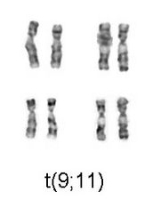
9;11
Acute myeloid leukemia is a curable disease; the chance of cure for a specific patient depends on a number of prognostic factors.

Cytogenetics

The single most important prognostic factor in AML is cytogenetics
Cytogenetics

Cytogenetics is a branch of genetics that is concerned with the study of the structure and function of the cell, especially the chromosomes. It includes routine analysis of G banding chromosomes, other cytogenetic banding techniques, as well as molecular cytogenetics such as fluorescent in situ hybridization and comparative genomic hybridiz...
, or the chromosomal structure of the leukemic cell. Certain cytogenetic abnormalities are associated with very good outcomes (for example, the (15;17) translocation in acute promyelocytic leukemia
Acute promyelocytic leukemia

Acute promyelocytic leukemia is a subtype of acute myelogenous leukemia , a cancer of the blood and bone marrow. It is also known as acute progranulocytic leukemia; APL; AML with t, PML-RARA and variants; FAB subtype M3 and M3 variant....
). About half of AML patients have "normal" cytogenetics; they fall into an intermediate risk group. A number of other cytogenetic abnormalities are known to associate with a poor prognosis and a high risk of relapse after treatment.

The first publication to address cytogenetics and prognosis was the MRC trial of 1998:
Risk CategoryAbnormality5-year survivalRelapse rate
Favorablet(8;21), t(15;17), inv(16)70%33%
IntermediateNormal, +8, +21, +22, del(7q), del(9q), Abnormal 11q23, all other structural or numerical changes48%50%
Adverse -5, -7, del(5q), Abnormal 3q, Complex cytogenetics15%78%


Later, the Southwest Oncology Group
Southwest Oncology Group

The Southwest Oncology Group is a National Cancer Institute sponsored organization that conducts clinical trials in adult cancers.SWOG was created by the NCI in 1956, and its was headquartered in Houston, Texas....
 and Eastern Cooperative Oncology Group
Eastern Cooperative Oncology Group

"The Eastern Cooperative Oncology Group was established in 1955 as one of the first cooperative groups launched to perform multi-center cancer clinical trials....
, and later still, Cancer and Leukemia Group B
Cancer and Leukemia Group B

Cancer and Leukemia Group B is a cancer research cooperative group in the United States.CALGB research is focused on seven major disease areas: leukemia, lymphoma, breast cancer, lung cancer, gastrointestinal malignancies, genito-urinary malignancies, and melanoma....
 published other, mostly overlapping lists of cytogenetics prognostication in leukemia

Antecedent MDS and prognosis

AML which arises from a pre-existing myelodysplastic syndrome
Myelodysplastic syndrome

The myelodysplastic syndromes are a diverse collection of hematology conditions united by ineffective production of myeloid blood cells and risk of transformation to acute myelogenous leukemia ....
 or myeloproliferative disease
Myeloproliferative disease

The myeloproliferative diseases are a group of diseases of the bone marrow in which excess cells are produced. They are related to, and may evolve into, myelodysplastic syndrome and acute myeloid leukemia, although the myeloproliferative diseases on the whole have a much better prognosis than these conditions....
 (so-called secondary AML) has a worse prognosis
Prognosis

Prognosis is a medicine term denoting the Physician's prediction of how a patient will progress, and whether there is a chance of recovery. This word is often used in medical reports dictating a physician's view on a case....
, as does treatment-related AML arising after chemotherapy for another previous malignancy. Both of these entities are associated with a high rate of unfavorable cytogenetic abnormalities.

Other prognostic markers

In some studies, age >60 years and elevated lactate dehydrogenase
Lactate dehydrogenase

Lactate dehydrogenase is an enzyme present in a wide variety of organisms, including plants and animals....
 level were also associated with poorer outcomes. As with most forms of cancer, performance status
Performance status

In medicine , performance status is an attempt to quantify cancer cancer patient general wellbeing. This measure is used to determine whether they can receive chemotherapy, whether dose adjustment is necessary, and as a measure for the required intensity of palliative care....
 (i.e. the general physical condition and activity level of the patient) plays a major role in prognosis as well.

FLT3 internal tandem duplications (ITDs) have been shown to confer a poorer prognosis in AML. Treating these patients with more aggressive therapy, such as stem-cell transplantation in first remission, has not been shown to enhance long-term survival, so this prognostic feature is of uncertain clinical significance at this point. ITDs of FLT3 may be associated with leukostasis.

Researchers are investigating the clinical significance of c-KIT
CD117

CD117, also called KIT or C-kit receptor, is a cytokine receptor expressed on the surface of hematopoietic stem cells as well as other cell types....
 mutations in AML. These are prevalent, and clinically relevant because of the availability of tyrosine kinase inhibitors, such as imatinib
Imatinib

Imatinib is a medication used to treat certain types of cancer. It is currently marketed by Novartis as Gleevec or Glivec as its mesylate salt, imatinib mesilate ....
 and sunitinib
Sunitinib

Sunitinib is an oral, small-molecule, multi-targeted receptor tyrosine kinase inhibitor that was approved by the FDA for the treatment of renal cell carcinoma and imatinib-resistant gastrointestinal stromal tumor on January 26, 2006....
 that can block the activity of c-KIT pharmacologically.

Other genes being investigated as prognostic factors or therapeutic targets include CEBPA
CEBPA

CCAAT/enhancer binding protein , alpha, also known as CEBPA, is a human gene....
, BAALC
BAALC

BAALC is a gene that has been associated with acute myeloid leukemia.The gene is conserved among mammals and is not found in lower organisms. Tissues that express this gene develop from the neuroectoderm....
, ERG
ERG (gene)

V-ets erythroblastosis virus E26 oncogene homolog , also known as ERG , is a protein which in humans is encoded by the ERG gene....
, and NPM1
NPM1

Nucleophosmin , also known as NPM1, is a human protein and gene....
.

Overall expectation of cure

Cure rates in clinical trials have ranged from 20–45%; however, it should be noted that clinical trials often include only younger patients and those able to tolerate aggressive therapies. The overall cure rate for all patients with AML (including the elderly and those unable to tolerate aggressive therapy) is likely lower. Cure rates for promyelocytic leukemia can be as high as 98%.

Epidemiology

Acute myeloid leukemia is a relatively rare cancer. There are approximately 10,500 new cases each year in the United States, and the incidence
Incidence (epidemiology)

Incidence is a measure of the risk of developing some new condition within a specified period of time. Although sometimes loosely expressed simply as the number of new cases during some time period, it is better expressed as a proportion or a rate with a denominator....
 rate has remained stable from 1995 through 2005. AML accounts for 1.2% of all cancer deaths in the United States.

The incidence of AML increases with age; the median age at diagnosis is 63 years. AML accounts for about 90% of all acute leukemias in adults, but is rare in children. The rate of therapy-related AML (that is, AML caused by previous chemotherapy) is rising; therapy-related disease currently accounts for about 10–20% of all cases of AML. AML is slightly more common in men, with a male-to-female ratio of 1.3:1.

There is some geographic variation in the incidence of AML. In adults, the highest rates are seen in North America, Europe, and Oceania
Oceania

Oceania is a geography, often geopolitics, region consisting of numerous lands—mostly islands in the Pacific Ocean and vicinity. The term "Oceania" was coined in 1831 by French explorer Jules Dumont d'Urville....
, while adult AML is rarer in Asia and Latin America
Latin America

Latin America is a region of the Americas where Romance languages ? particularly Spanish language and Portuguese language, and variably French language ? are primarily spoken....
. In contrast, childhood AML is less common in North America and India than in other parts of Asia. These differences may be due to population genetics, environmental factors, or a combination of the two.

A hereditary risk for AML appears to exist. There are numerous reports of multiple cases of AML developing in a family at a rate higher than predicted by chance alone. The risk of developing AML is increased threefold in first-degree relatives of patients with AML.

History

The first published description of a case of leukemia in medical literature dates to 1827, when French physician Alfred-Armand-Louis-Marie Velpeau
Alfred-Armand-Louis-Marie Velpeau

Alfred-Armand-Louis-Marie Velpeau was a French anatomist and surgeon....
 described a 63-year-old florist who developed an illness characterized by fever, weakness, urinary stones, and substantial enlargement of the liver and spleen
Hepatosplenomegaly

Hepatosplenomegaly is the simultaneous enlargement of both the liver and the spleen . Hepatosplenomegaly can occur as the result of acute viral hepatitis, infectious mononucleosis or can be the sign of a serious and life threatening lysosomal storage disease....
. Velpeau noted that the blood of this patient had a consistency "like gruel", and speculated that the appearance of the blood was due to white corpuscles. In 1845, a series of patients who died with enlarged spleens and changes in the "colors and consistencies of their blood" was reported by the Edinburgh
Edinburgh

Edinburgh ; is the Capital city of Scotland, a position it has held since 1437. It is the seventh largest city in the United Kingdom and the second largest Scottish City status in the United Kingdom after Glasgow....
-based pathologist J.H. Bennett; he used the term "leucocythemia" to describe this pathological condition.

The term "leukemia" was coined by Rudolf Virchow
Rudolf Virchow

Rudolf Ludwig Karl Virchow was a Medicine, Anthropology, public health activist, Pathology, prehistorian, biologist and politician. He is referred to as the "Father of Pathology," and founded the field of Social Medicine....
, the renowned German pathologist, in 1856. As a pioneer in the use of the light microscope in pathology, Virchow was the first to describe the abnormal excess of white blood cells in patients with the clinical syndrome described by Velpeau and Bennett. As Virchow was uncertain of the cause
Etiology

Etiology is the study of Causality. The word is derived from the Ancient Greek , aitiologia, "giving a reason for" .The word is most commonly used in medical and philosophical theories, where it is used to refer to the study of why things occur, or even the reasons behind the way that things act, and is used in philosophy, physics, psy...
 of the white blood cell excess, he used the purely descriptive term "leukemia" (Greek: "white blood") to refer to the condition.

Further advances in the understanding of acute myeloid leukemia occurred rapidly with the development of new technology. In 1877, Paul Ehrlich
Paul Ehrlich

Paul Ehrlich was a German scientist in the fields of hematology, immunology, and chemotherapy, and Nobel Prize in Physiology or Medicine. He is noted for his research in autoimmunity, calling it "horror autotoxicus"....
 developed a technique of staining
Staining (biology)

Staining is an auxiliary technique used in microscopy to enhance contrast in the microscopic image.In biochemistry it involves adding a class-specific dye to a substrate to qualify or quantify the presence of a specific compound....
 blood films which allowed him to describe in detail normal and abnormal white blood cells. Wilhelm Ebstein
Wilhelm Ebstein

Wilhelm Ebstein was a Germany physician.He studied medicine at the universities of Berlin University and Berlin University, graduating from the latter in 1859....
 introduced the term "acute leukemia" in 1889 to differentiate rapidly progressive and fatal leukemias from the more indolent chronic leukemia
Chronic leukemia

Chronic leukemia is an increase of abnormal white blood cells.Chronic leukemia may refer to:* Chronic myelogenous leukemia* Chronic lymphocytic leukemia...
s. The term "myeloid" was coined by Neumann in 1869, as he was the first to recognize that white blood cells were made in the bone marrow (Greek
Ancient Greek

Ancient Greek is the historical stage in the development of the Greek language spanning across the Archaic Greece , Classical Greece , and Hellenistic civilization periods of ancient Greece and the classical antiquity....
: µ?????, myelos = (bone) marrow) as opposed to the spleen
Spleen

The spleen is an organ found in all vertebrate animals. In humans, the spleen is located in the abdomen of the body, where it functions in the destruction of redundant red blood cells, and holds a reservoir of blood....
. The technique of bone marrow examination to diagnose leukemia was first described in 1879 by Mosler. Finally, in 1900 the myeloblast
Myeloblast

The myeloblast is a unipotent stem cell, which will differentiate into one of the actors of the granular series....
, which is the malignant cell in AML, was characterized by Naegeli, who divided the leukemias into myeloid and lymphocytic.

In 2008, AML became the first cancer genome to be fully sequenced
DNA sequencing

The term DNA sequencing refers to methods for determining the order of the nucleotide bases, adenine, guanine, cytosine, and thymine, in a molecule of DNA....
. DNA extracted from leukemic cells were compared to unaffected skin. The leukemic cells contained acquired mutations in several genes that had not previously been associated with the disease. The project used only advanced sequencing methods instead of the older Sanger procedure
Sequencing

In genetics and biochemistry, sequencing means to determine the primary structure of an unbranched biopolymer. Sequencing results in a symbolic linear depiction known as a sequence which succinctly summarizes much of the atomic-level structure of the sequenced molecule....
 of sequencing. Mathematical predictions suggested this would require a much higher sequencing depth than conventional.

See also

  • Chloroma
  • Chronic myelogenous leukemia
    Chronic myelogenous leukemia

    Chronic myelogenous leukemia , also known as chronic granulocytic leukemia , is a form of leukemia characterized by the increased and unregulated growth of predominantly myeloid cells in the bone marrow and the accumulation of these cells in the blood....
  • Acute lymphoblastic leukemia
    Acute lymphoblastic leukemia

    Acute lymphoblastic leukemia , is a form of leukemia, or hematological malignancy characterized by excess lymphoblasts.Malignant, immature lymphoblasts continuously multiply and are overproduced in the bone marrow....


External links

  • at American Cancer Society
    American Cancer Society

    The American Cancer Society is the "nationwide community-based voluntary health organization dedicated to eliminating cancer as a major health problem by preventing cancer, saving lives, and diminishing suffering from cancer, through research, education, advocacy and service."...
  • at Leukemia & Lymphoma Society
    Leukemia & Lymphoma Society

    The Leukemia & Lymphoma Society is the world's largest voluntary health organization dedicated to funding blood cancer research, education and patient services....
  • at cchs.net
  • at National Cancer Institute
    National Cancer Institute

    The National Cancer Institute is part of the United States Federal government's National Institutes of Health. The NCI is a federally funded research and development center, one of eight agencies that compose the United States Public Health Service in the United States Department of Health and Human Services....